- About
- Mission Statement
Education. Evidence. Regrowth.
- Education.
Prioritize knowledge. Make better choices.
- Evidence.
Sort good studies from the bad.
- Regrowth.
Get bigger hair gains.
Team MembersPhD's, resarchers, & consumer advocates.
- Rob English
Founder, researcher, & consumer advocate
- Research Team
Our team of PhD’s, researchers, & more
Editorial PolicyDiscover how we conduct our research.
ContactHave questions? Contact us.
Before-Afters- Transformation Photos
Our library of before-after photos.
- — Jenna, 31, U.S.A.
I have attached my before and afters of my progress since joining this group...
- — Tom, 30, U.K.
I’m convinced I’ve recovered to probably the hairline I had 3 years ago. Super stoked…
- — Rabih, 30’s, U.S.A.
My friends actually told me, “Your hairline improved. Your hair looks thicker...
- — RDB, 35, New York, U.S.A.
I also feel my hair has a different texture to it now…
- — Aayush, 20’s, Boston, MA
Firstly thank you for your work in this field. I am immensely grateful that...
- — Ben M., U.S.A
I just wanted to thank you for all your research, for introducing me to this method...
- — Raul, 50, Spain
To be honest I am having fun with all this and I still don’t know how much...
- — Lisa, 52, U.S.
I see a massive amount of regrowth that is all less than about 8 cm long...
Client Testimonials150+ member experiences.
 Scroll DownPopular Treatments
- Treatments
Popular treatments. But do they work?
- Finasteride
- Oral
- Topical
- Dutasteride
- Oral
- Topical
- Mesotherapy
- Minoxidil
- Oral
- Topical
- Ketoconazole
- Shampoo
- Topical
- Low-Level Laser Therapy
- Therapy
- Microneedling
- Therapy
- Platelet-Rich Plasma Therapy (PRP)
- Therapy
- Scalp Massages
- Therapy
 More
More
IngredientsTop-selling ingredients, quantified.
- Saw Palmetto
- Redensyl
- Melatonin
- Caffeine
- Biotin
- Rosemary Oil
- Lilac Stem Cells
- Hydrolyzed Wheat Protein
- Sodium Lauryl Sulfate
 More
More
ProductsThe truth about hair loss "best sellers".
- Minoxidil Tablets
Xyon Health
- Finasteride
Strut Health
- Hair Growth Supplements
Happy Head
- REVITA Tablets for Hair Growth Support
DS Laboratories
- FoliGROWTH Ultimate Hair Neutraceutical
Advanced Trichology
- Enhance Hair Density Serum
Fully Vital
- Topical Finasteride and Minoxidil
Xyon Health
- HairOmega Foaming Hair Growth Serum
DrFormulas
- Bio-Cleansing Shampoo
Revivogen MD
- more
Key MetricsStandardized rubrics to evaluate all treatments.
- Evidence Quality
Is this treatment well studied?
- Regrowth Potential
How much regrowth can you expect?
- Long-Term Viability
Is this treatment safe & sustainable?
Free Research- Free Resources
Apps, tools, guides, freebies, & more.
- Free CalculatorTopical Finasteride Calculator
- Free Interactive GuideInteractive Guide: What Causes Hair Loss?
- Free ResourceFree Guide: Standardized Scalp Massages
- Free Course7-Day Hair Loss Email Course
- Free DatabaseIngredients Database
- Free Interactive GuideInteractive Guide: Hair Loss Disorders
- Free DatabaseTreatment Guides
- Free Lab TestsProduct Lab Tests: Purity & Potency
- Free Video & Write-upEvidence Quality Masterclass
- Free Interactive GuideDermatology Appointment Guide
- More
Articles100+ free articles.
-
9 Best Shampoos for Sensitive Scalp
-
12 Best Shampoos for Greasy Hair
-
Can Miniaturized Hair Follicles Recover, or Is There a Point of No Return?
-
Sublingual Minoxidil: More Hair Growth, Less Sides?
-
Happy Head Review: 5 Concerns With The Brand
-
Can a Blood DHT Test Tell You Whether You Have AGA?
-
ABS-201: Can Blocking the Prolactin Receptor Regrow Hair?
-
Best Topical Finasteride: 5 Top Products of 2026
PublicationsOur team’s peer-reviewed studies.
- Microneedling and Its Use in Hair Loss Disorders: A Systematic Review
- Use of Botulinum Toxin for Androgenic Alopecia: A Systematic Review
- Conflicting Reports Regarding the Histopathological Features of Androgenic Alopecia
- Self-Assessments of Standardized Scalp Massages for Androgenic Alopecia: Survey Results
- A Hypothetical Pathogenesis Model For Androgenic Alopecia:Clarifying The Dihydrotestosterone Paradox And Rate-Limiting Recovery Factors
Menu- AboutAbout
- Mission Statement
Education. Evidence. Regrowth.
- Team Members
PhD's, resarchers, & consumer advocates.
- Editorial Policy
Discover how we conduct our research.
- Contact
Have questions? Contact us.
- Before-Afters
Before-Afters- Transformation Photos
Our library of before-after photos.
- Client Testimonials
Read the experiences of members
Before-Afters/ Client Testimonials- Popular Treatments
-
ArticlesDoes Wegovy Cause Hair Loss?
First Published Jun 19 2026Last Updated Apr 5 2026Pharmaceutical Researched & Written By:Cassie Hopton, PhD
 Reviewed By:Rob English, Medical Editor
Want help with your hair regrowth journey?
Get personalized support, product recommendations, video calls, and more from our researchers, trichologists, and PhD's dedicated to getting you the best possible outcomes.
Learn MoreArticle Summary
GLP-1 medications like Ozempic and Wegovy are transforming weight loss and diabetes care, but increasing reports of hair loss have raised concerns. Are these treatments really causing shedding, or is something else at play? In this article, we examine the current evidence, explore the possible mechanisms behind hair changes during treatment, and outline steps patients can take to reduce the risk of hair loss.
Full Article
We have seen a rapid rise in GLP-1 medications for weight loss and diabetes. These medications are highly effective as well as convenient, with treatments requiring just a once-daily or once-weekly injection.
There are many different GLP-1 medications on the market: liraglutide, semaglutide, dulaglutide, exenatide, liraglutide, tirzepatide. From 2018 to 2023, it was estimated that semaglutide medications (like Ozempic and Wegovy) accounted for 60% of prescribed GLP-1 drugs.[1]Ukhanova, M., Wozny, J.S., Truong, C.N., Ghosh, L., Krause, T.M. (2025). Trends In Glucagon-Like Peptide 1 Receptor Agonist Prescribing Patterns. Am J Manag Care. 31(8). e228-e234. Available at: … Continue reading While these treatments are effective, they are not without side effects. Common side effects include nausea, vomiting, and diarrhea, and more and more, there have been reports of hair loss.
Online discourse, as well as some published studies, report that semaglutide treatments like Ozempic and Wegovy are causing increased hair shedding, worsening of androgenic alopecia, and loss of prior hair regrowth.
But are these reports legitimate? Could semaglutide treatments really cause or influence hair loss? We dig deeper into the truth behind the anecdotes. In this article, we dissect the current evidence surrounding the relationship between Wegovy and hair loss. We discuss the plausibility of this association, how it might happen, and what you can do to minimize the risk of hair loss.
Interested in Topical Minoxidil?
High-strength topical minoxidil available, if prescribed*
Take the next step in your hair regrowth journey. Get started today with a provider who can prescribe a topical solution tailored for you.
*Only available in the U.S. Prescriptions not guaranteed. Restrictions apply. Off-label products are not endorsed by the FDA.

What Is Wegovy?
Wegovy is a brand name for the drug known as semaglutide. Wegovy is FDA-approved as a once-weekly injection for chronic weight management, and has also recently been approved as a daily oral pill for chronic weight management as well as to prevent adverse cardiovascular events. Ozempic is the same drug, but it is FDA-approved for the treatment of diabetes.
Wegovy works by acting as a GLP-1 receptor agonist. GLP-1 is a naturally occurring hormone found in the body, known as an incretin. “Agonist” is defined as: a substance that initiates a physiological response when combined with a receptor. So, as the name suggests, semaglutide activates GLP-1 receptors by mimicking GLP-1.
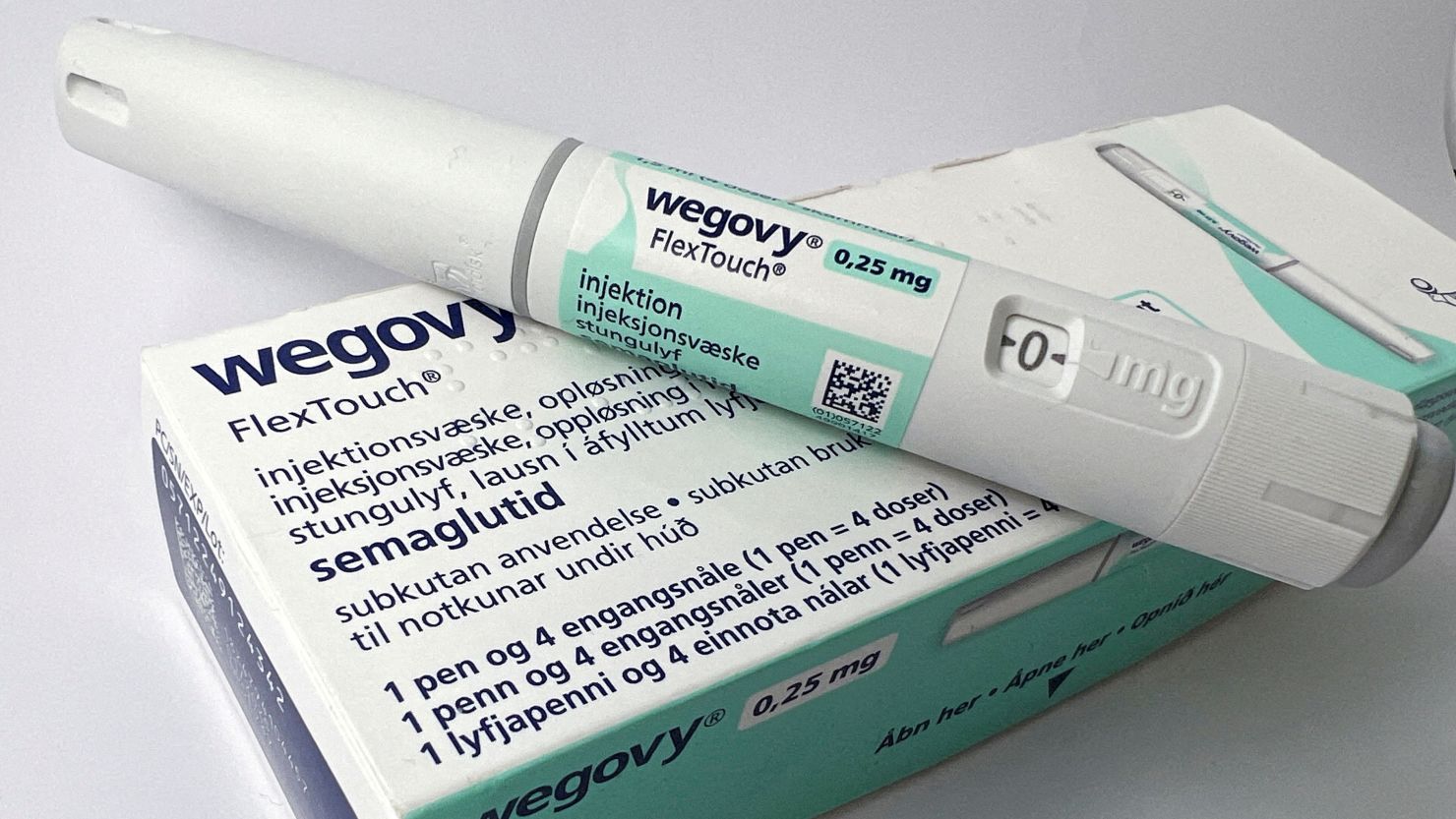
Figure 1: Wegovy
How Does Wegovy Work?
We’ve established that semaglutide mimics GLP-1, and this imitation allows semaglutide to activate GLP-1 receptors. How exactly does this lead to weight loss?
The binding of GLP-1 (or semaglutide) to GLP-1 receptors activates several biological responses:
- Increased insulin secretion after food intake, which improves blood glucose levels
- Reduced glucagon secretion, which limits glucose in the blood and helps reduce spikes in blood sugar
- Slowed emptying of the stomach, which helps people feel less hungry during the day
- Suppressed appetite, which again helps with feelings of satiety
All of these factors promote sustained food (and therefore calorie) reduction, supporting weight loss with time.[2]Kommu, S., Whitfield, P., (2025), Semaglutide. Available at: http://www.ncbi.nlm.nih.gov/books/NBK603723/ (Accessed: 27 February 2026)
Semaglutide is highly effective for weight loss, with 2.4 mg once weekly injections, alongside appropriate diet and exercise, reducing mean body weight by 16% after use for 68 weeks.[3]Wadden, T.A., Bailey, T.S., Billings, L.K., Davies, M., Frias, J.P., Koroleva, A., Lingvay, I., O’Neil, P.M., Rubino, D.M., Skovgaard, D., Wallenstein, S.O.R., Garvey, W.T. (2021). Effect Of … Continue reading It’s clear that a semaglutide like Wegovy can support rapid weight loss, but anecdotal reports suggest that Wegovy may also contribute to hair loss. The key question is this: Does semaglutide itself cause hair loss, or are hair changes related to rapid weight loss?
Different Types of Hair Loss
Before we discuss the association between Wegovy and hair loss, we will first establish what hair loss is and the conditions that can cause it.
In the normal hair growth cycle, there are four key stages:
- The growth phase (anagen phase)
- The involuting phase (catagen phase)
- The resting phase (telogen phase)
- The shedding phase (exogen phase)
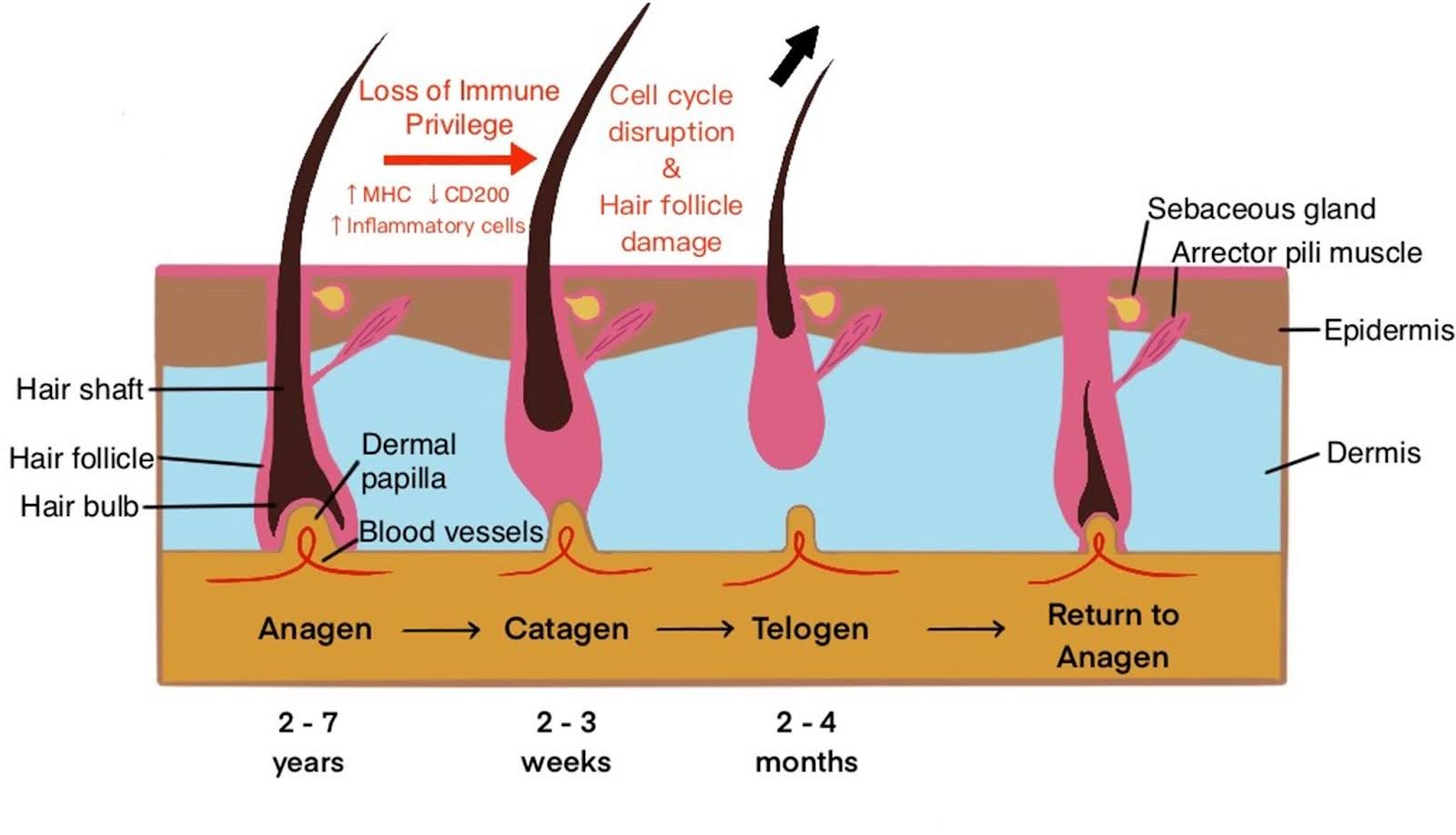
Figure 2: Hair growth phases. Adapted from Figure 2.[4]Olayinka, J.T., Richmond, J.M., (2021). Immunopathogenesis Of Alopecia Areata. Current Research In Immunology. 2. 7-11. Available at: https://doi.org/10.1016/j.crimmu.2021.02.001 Image used under the Creative Commons License.
Hair loss can happen when the cycling through these stages is disturbed or changed. There are three main conditions causing hair loss: androgenic alopecia, telogen effluvium, and alopecia areata.
Androgenic Alopecia
What is it? Also known as pattern hair loss, this is a progressive hair loss condition. It is one of the most common, affecting up to 50% of men and 30% of women. It causes terminal hairs that contribute to the appearance of hair “fullness” to become vellus hairs (i.e., “peach fuzz” hairs), ultimately leading to hair thinning, a process known as hair follicle miniaturization.[5]Oiwoh, S.O., Enitan, A.O., Adegbosin, O.T., Akinboro, A.O., Onayemi, E.O. (2024). Androgenetic Alopecia: A Review. Niger Postgrad Med J. 31(2). 85-92. Available at: … Continue reading
What does it look like? Hair thinning usually first appears as a receding hairline with a balding crown in men, or a widening part in women. Hair thinning occurs slowly over time, without scarring.
What causes it? There are several reasons hair follicle miniaturization can happen: genetics, age, and hormonal changes. The primary driver of androgenic alopecia is a change in dihydrotestosterone (DHT) levels at the scalp, which can cause the hair miniaturization process.
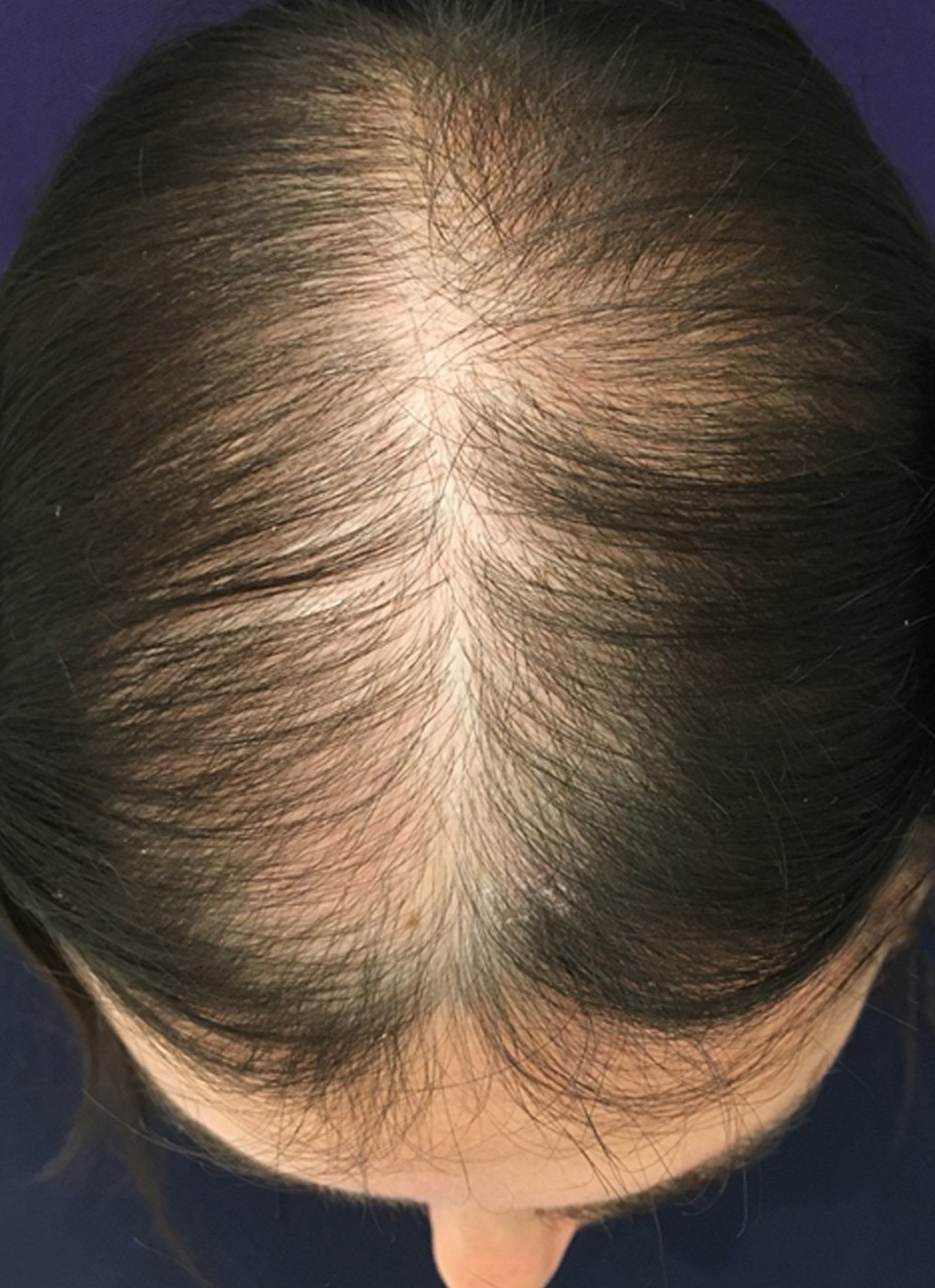
Figure 3: An example of androgenic alopecia in a female patient. Adapted from Figure 1.[6]Ramos, P.M., Melo, D.F., Radwanski, H., Almeida, R.F.C., Miot, H.A. (2023). Female-Pattern Hair Loss: Therapeutic Update. Anais Brasileiros De Dermatologia. 98(4). 506-519. Available at: … Continue reading Image used under the Creative Commons License.
Telogen Effluvium
What is it? This is a temporary hair loss condition in which too many hairs enter the telogen phase of the hair cycle, causing premature and excessive shedding. It often resolves within 2 to 8 months after onset.[7]Malkud, S., (2015). Telogen Effluvium: A Review. Journal Of Clinical And Diagnostic Research. 9(9). WE01-WE03. Available at: https://doi.org/10.7860/JCDR/2015/15219.6492
What does it look like? Sudden diffuse thinning across the entire scalp.
What causes it? A “negative event” often triggers telogen effluvium. There isn’t one single cause, and the cause can be different for everyone, whether it be illness, stress, diet, surgical trauma, childbirth, or starting and stopping medications. The time between exposure to a trigger and the onset of telogen effluvium can vary, roughly between 2 and 8 months, similar to the recovery time.
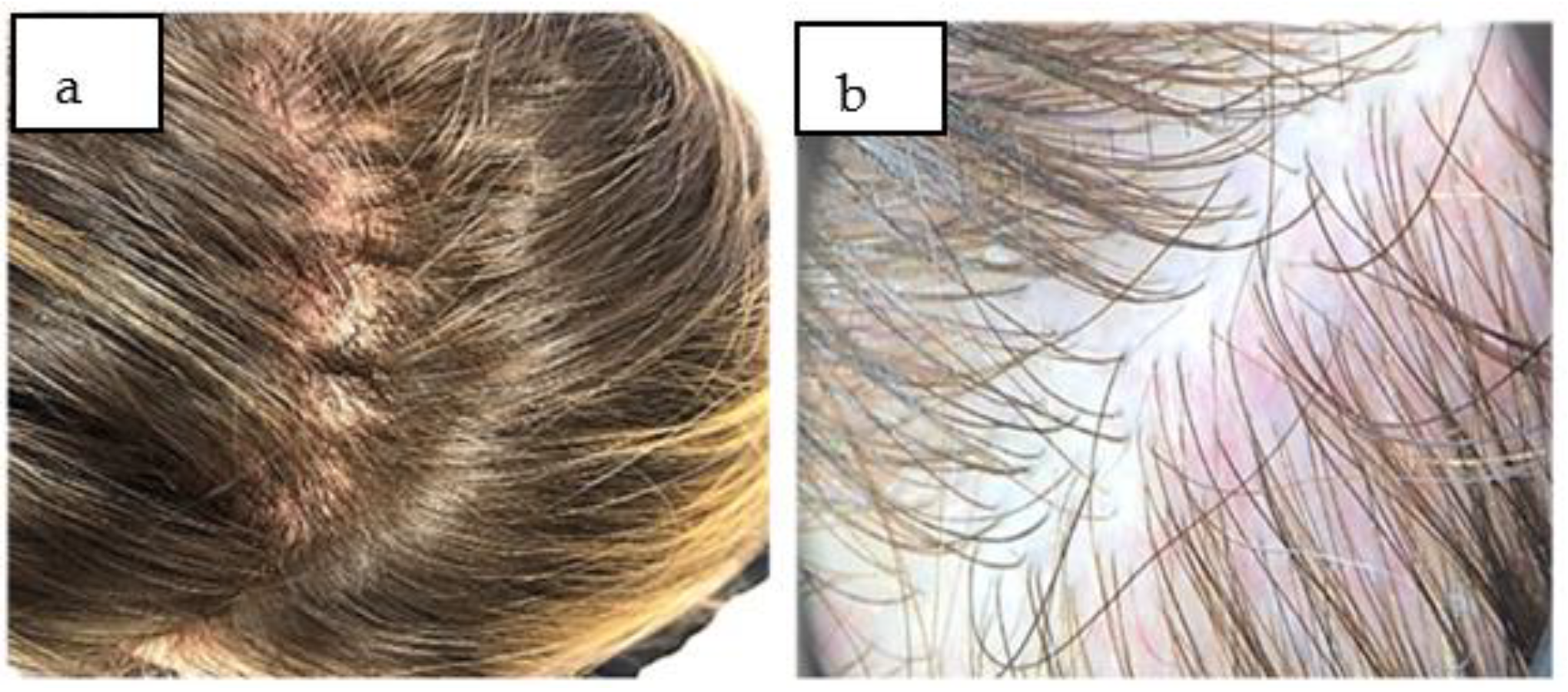
Figure 4: An example of diffuse thinning from telogen effluvium. Adapted from Figure 1.[8]Iancu, G.M., Molnar, E., Ungureanu, L., Șenilă, S.C., Hașegan, A., Rotaru, M. (2023). SARS-CoV-2 Infection—A Trigger Factor For Telogen Effluvium: Review Of The Literature With A Case-Based … Continue reading Image used under the Creative Commons License
Alopecia Areata
What is it? This is an autoimmune condition in which the body begins to attack its own cells, specifically those of hair follicles. Research shows that there is an abnormally high number of hairs in the catagen phase with this condition, and hair follicles undergo miniaturization with time.[9]Sibbald, C. (2023). Alopecia Areata: An Updated Review For 2023. J Cutan Med Surg. 27(3). 241-259. Available at: https://doi.org/10.1177/12034754231168839
What does it look like? Bald patches of hair that develop in a non-uniform fashion. Hair loss can sometimes extend beyond the scalp, and inflammation is often observed.
What causes it? Inflammation that is caused by genetics, environmental triggers (i.e., stress, infections, hormone fluctuations, nutrition), and/or loss of hair follicle immunity.
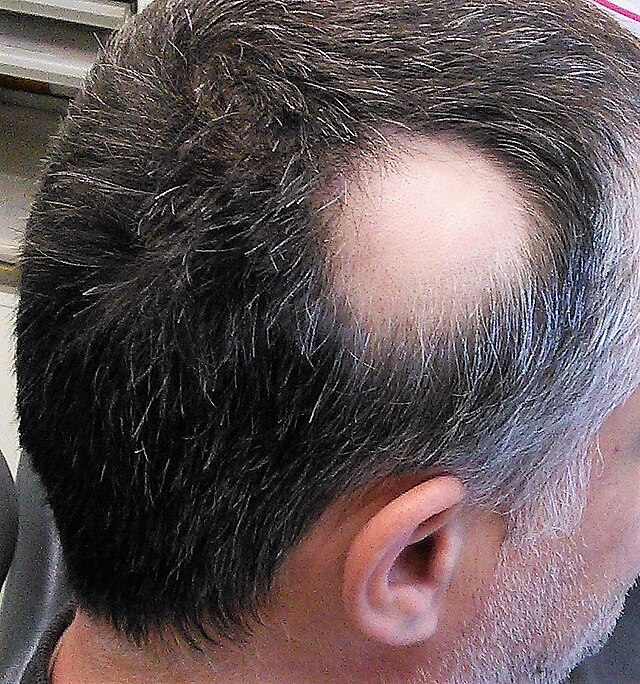
Figure 5: An example of alopecia areata. “Alopecia areata” by Thirunavukkarasye-Raveendran from Wikimedia Commons. Image used under the Creative Commons License.
The Science: Does Wegovy Cause Hair Loss?
Wegovy has shown great success in helping people manage their weight. However, every medication comes with risks and potential side effects. With semaglutide medications like Wegovy, there have been several studies and reports documenting how these treatments are sometimes associated with hair loss.
Online discussions also provide anecdotal evidence that this drug may be causing hair loss. But is it true? We will look deeper into the scientific evidence that may indicate a link between Wegovy and hair loss.
Randomized, Double-Blinded, Placebo-Controlled Trials
Clinical trials that are randomized, double-blinded, and placebo-controlled are the gold standard for testing the effectiveness of new treatments. We can see from the prescribing documentation for Wegovy that there were at least three randomized, double-blind, placebo-controlled trials with adults for this medication. Together, these trials included 3,377 adults with obesity or who were overweight. They were treated with either 2.4 mg Wegovy once weekly, or a placebo once weekly.[10]U.S. Food and Drug Administration. (2025). Drug Label: 218316Orig1s000lbl. Available at: https://www.accessdata.fda.gov/drugsatfda_docs/label/2025/218316Orig1s000lbl.pdf Accessed: 05 March 2026)
These trials don’t just test effectiveness; they also evaluate safety and adverse reactions. When pooling the results of all the trials, we can see that there were some common side effects, like nausea, diarrhea, and vomiting, but interestingly, 3% of those receiving the Wegovy injection also reported hair loss. In the placebo group, 1% of users reported hair loss.
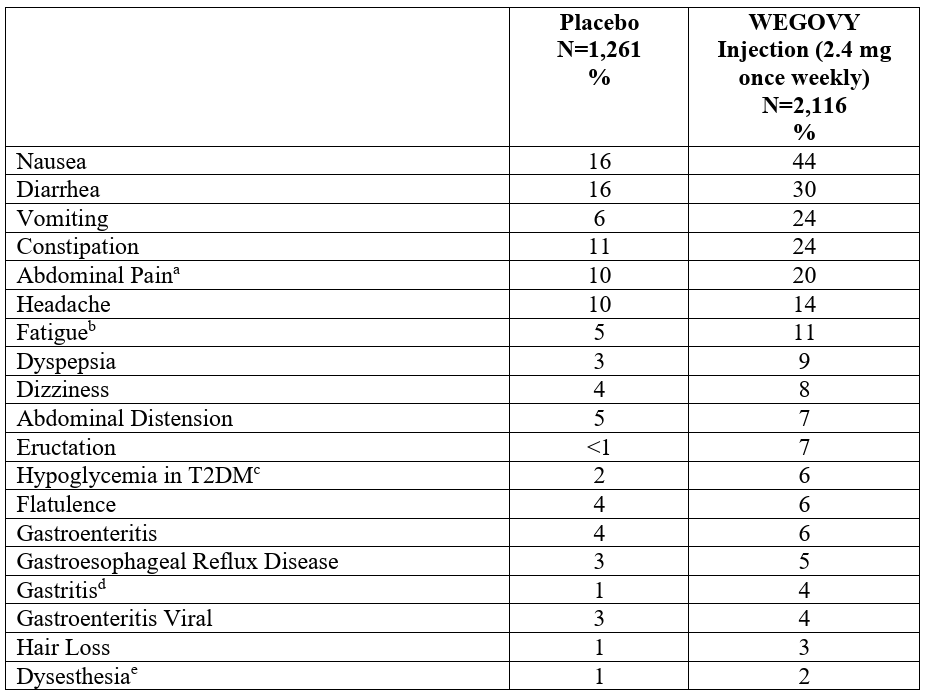
Figure 6: Adverse reactions reported in clinical trials with Wegovy. Adapted from Table 3.[11]U.S. Food and Drug Administration. (2025). Drug Label: 218316Orig1s000lbl. Available at: https://www.accessdata.fda.gov/drugsatfda_docs/label/2025/218316Orig1s000lbl.pdf (Accessed: 05 March 2026)
We don’t know what kind of hair loss was reported (e.g., telogen effluvium, androgenic alopecia, alopecia areata) or whether the hair loss was clinically diagnosed or self-reported by the user. This makes it difficult to understand the validity of these results. However, it does bring up an important question: Is hair loss truly associated with Wegovy, or is there a natural progression of hair loss occurring while people are taking Wegovy, which they are attributing to the medication?
Overall conclusion: There may be an association between Wegovy and hair loss, but we don’t know whether Wegovy was the cause or what kind of hair loss it may have influenced.
2025 and 2026 Case Reports
Case reports describe the diagnosis, treatment, and follow-up of an individual patient. These types of reports are good for documenting rare or unexpected clinical outcomes. There are two recent case reports describing hair loss following treatment with semaglutide.
Before we get into the reports, let’s just discuss what we can and cannot take from case reports like these. Because they just follow one patient, the results aren’t generalizable to an entire population of people, and sometimes the lack of other study design parameters (like the use of controls, randomization) prevent strong conclusions on cause-and-effect to be made. However, we can use these reports to support the conclusion that there could be an association between the events described in the case.
2025 Case Report
This case report followed a 23-year-old obese female who had been using semaglutide for weight loss over the prior 4 months, injecting 0.25 mg once weekly for the first 2 months, and 0.5 mg once weekly for the remaining 2 months. As she entered her 3rd month of treatment, she noticed the sudden onset of hair loss, with multiple round patches of baldness appearing on the scalp.[12]Alzahrani, W.S., Bahkali, S.A., Alharthy, R.F., Alsabban, A.S., (2025). Alopecia Areata Following Semaglutide Treatment For Weight Loss: A Case Report. JAAD Case Reports. 63. 44-46. Available at: … Continue reading
Scalp analysis by a dermatologist revealed:
- Slight redness
- No scaling
- No noticeable changes in the scalp
The hair loss and hair examination were in line with a diagnosis of alopecia areata.
The patient was advised to stop semaglutide and to begin treatment for alopecia areata using a combination of intralesional corticosteroids, 2% ketoconazole shampoo, and 5% topical minoxidil. With the treatment, her hair regrew.
Overall conclusion: There may be an association between a semaglutide like Wegovy and alopecia areata, but there is no evidence that the semaglutide was the cause of alopecia areata.
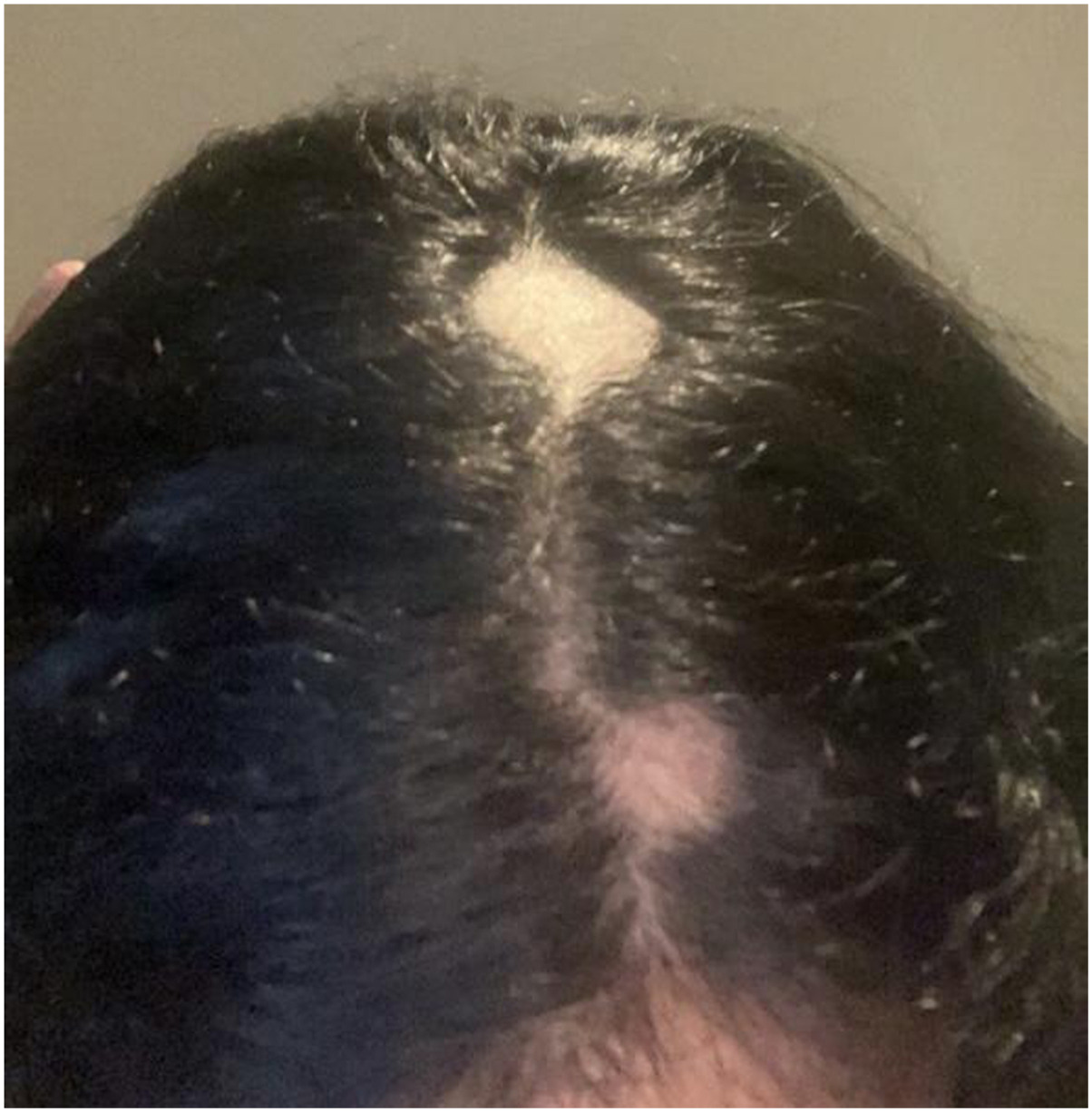
Figure 7: Visible patches of hair loss following semaglutide treatment. Adapted from Figure 4.[13]Alzahrani, W.S., Bahkali, S.A., Alharthy, R.F., Alsabban, A.S., (2025). Alopecia Areata Following Semaglutide Treatment For Weight Loss: A Case Report. JAAD Case Reports. 63. 44-46. Available at: … Continue reading Image used under the Creative Commons License.
2026 Case Report
This 2026 case report followed a 33-year-old male who was receiving a 2.4 mg dose of semaglutide weekly. After 2 days, he noticed a small patch of hair loss. After 6 weeks, hair loss was noticeable as a 5 cm2 patch on the left side of his head.[14]Cheng, J.-R., Zheng, J., Li, Y., Shi, H., Yang, N., Lei, Y., Wan, Y.-F. (2026). Weight Loss-Associated Alopecia Areata. American Journal of Therapeutics. Available at: … Continue reading
Semaglutide injections were stopped due to the diagnosis of alopecia areata, and the patient’s alopecia improved 2 months after discontinuing the injections.
Overall conclusion: There may be an association between a semaglutide like Wegovy and alopecia areata, but there is no evidence that the semaglutide was the cause of alopecia areata.
2024 FAERS Study
FAERS is the FDA Averse Event Reporting System, a publicly-accessible, searchable FDA system that collects reports of drug adverse events.
In 2024, a group of researchers explored the relationship between GLP-1 medications and hair loss by searching reports between 2022 and 2023 related to GLP-1 medications and hair loss.[15]Godfrey, H., Leibovit-Reiben, Z., Jedlowski, P., Thiede, R. (2025). Alopecia Associated With The Use Of Semaglutide And Tirzepatide: A Disproportionality Analysis Using The FDA Adverse Event … Continue reading They then carried out a disproportionality analysis, a type of statistical test that assesses whether side effects are reported more often in people using a drug than would occur in the general population. What they found was surprising.
Increased reporting odds of hair loss for:
- Semaglutide (199 cases)
- Tirzepatide (179 cases)
No increased reporting odds of hair loss for:
- Liraglutide (20 cases)
- Dulaglutide (65 cases)
- Exenatide (6 cases)
- Lixisenatide (0 cases)
There are a substantial number of reported cases of hair loss with the use of semaglutide and tirzepatide GLP-1 medications. But we have to be aware that this type of analysis is not without several caveats.
Caveat #1: Reports can be made by anyone
Reports to FAERS can be made by consumers (i.e., the general public) and healthcare professionals alike. That means you can have reports backed by clinical diagnosis, as well as subjective reports where there is no clinician-confirmed diagnosis of hair loss. The study reported that 84% of the reports were from consumers, and 16% were from healthcare professionals.
Caveat #2: Reports can be viewed by anyone
FAERS is publicly accessible. So, anyone can review the results, including the general public and the media. The public and the media may see reports of hair loss by some GLP-1 medications and then create social media posts or sensationalized headlines. This puts the concept of GLP-1 medications as a factor influencing hair loss into the public consciousness, which may increase self-diagnosed reports of hair loss.
Caveat #3: Reports lack clinical detail
All we see from these reports is that some hair loss occurred. We don’t know what type of hair loss was diagnosed, whether any objective measurements were used to facilitate a clinical diagnosis (e.g., hair counts), or whether there are any other factors in the user’s life that could have influenced this happening (genetics, stress, etc.). All these factors matter when determining an association between GLP-1 medications and hair loss.
Because of these caveats, it’s difficult to build a clear picture of how exactly GLP-1 medications like semaglutide are contributing to reports of hair loss.
Overall conclusion: This FAERS study identifies potential safety signals but does not demonstrate that semaglutide medications are a cause of hair loss in these individuals.
2025 Retrospective Studies
A retrospective study looks back at existing data, usually at medical records, to investigate relationships between past exposures and outcomes. Much like case studies, these types of studies lack randomization and control groups that would permit a cause-and-effect relationship to be established, but we can still draw some conclusions from them.
Retrospective Study #1
The first retrospective study analyzed the medical records of 283 adult patients who were taking GLP-1 medications and had also visited the dermatology department for hair loss between 2021 and 2023.[16]Burke, O. (2025). Glucagon-Like Peptide-1 Receptor Agonist Medications And Hair Loss: A Retrospective Cohort Study. Journal Of The American Academy Of Dermatology. 92(5). 1141-1143. Available at: … Continue reading
Findings:
- 84.1% of users reported no hair loss
- 1.2% of users with no prior history of hair loss reported new hair loss
- Over 90% of the users with pre-existing hair loss (approximately 13%) experienced worsening of their hair loss
Let’s look at these numbers in more detail.
Most of the users did not report any hair loss. This shows that instances of hair loss are not common among those receiving GLP-1 medications, and suggests that, for many, hair loss shouldn’t be a concern if they are prescribed this treatment.
Approximately 1% of users experienced new hair loss, without a prior history of this previously. This might sound bad, but in reality, this matches the rate of hair loss that is expected in the general population over two years. So, are these instances of new hair loss really down to the GLP-1, or down to natural hair loss?
Most of the users with pre-existing hair loss experienced worsening of their condition. Namely, semaglutide was most strongly associated with androgenic alopecia. This is similar to the FAERS study, where semaglutide was identified as having a strong correlation with hair loss reports.
Aside from the common limitations with retrospective studies, the researchers did not include medication duration in their analysis, and hair loss was self-reported by patients instead of being objectively measured, like through hair counts. The time medications were taken matters, because hair loss conditions like telogen effluvium often occur 2 to 8 months after a “trigger”, like when a new medication is taken. Also, with self-reports, we can’t know whether the patients were truly experiencing hair loss as would be defined by a clinician.
Overall conclusion: These findings warrant further investigation into the relationship between semaglutide and hair loss, but do not demonstrate causation.
Retrospective Study #2
In this second retrospective study, the researchers searched health records of over 100 million patients. They isolated patients who had no prior history of hair loss, but were taking GLP-1 medications (liraglutide, semaglutide, dulaglutide, exenatide, lixisenatide, or tirzepatide).[17]Akiska, Y.M., Vidal, S.I., Menta, N. (2025). Increased Incidence And Risk Of Hair Loss With Glucagon-Like Peptide 1 Receptor Agonists: A Real-World Multicentre Cohort Study. EMJ. 13(1). 52-54. … Continue reading They identified over 500,000 people who met this criteria.
After 6 months of treatment, use of GLP-1 medications was associated with:
- Increased risk of androgenic alopecia
- Increased risk of non-scarring hair loss
- No significant change to the risk of telogen effluvium
- No significant change to the risk of alopecia areata
After 12 months of treatment, use of GLP-1 medications was associated with:
- Increased risk of androgenic alopecia
- Increased risk of non-scarring hair loss
- Increased risk of telogen effluvium
- No significant change to the risk of alopecia areata
Interestingly, no increased risk of alopecia areata was found, given that GLP-1 medications like semaglutide have been reported to be linked to this condition in case studies.
It is also interesting that telogen effluvium risk increased with use over 12 months, but not 6 months. With telogen effluvium, the onset of hair loss after experiencing a trigger can be between 2 and 8 months.[18]Malkud, S., (2015). Telogen Effluvium: A Review. Journal Of Clinical And Diagnostic Research. 9(9). WE01-WE03. Available at: https://doi.org/10.7860/JCDR/2015/15219.6492 These results would suggest that the onset of telogen effluvium was consistently greater than 6 months.
However, the study design here does not allow us to say whether GLP-1 medications were the cause of hair loss in those instances.
Overall conclusion: These findings warrant further investigation into the relationship between semaglutide and hair loss, but do not demonstrate causation.
What Does It All Mean?
The clinical trials are robust in their design, but they did not further explore the cause of the hair loss reported by some users of Wegovy.
Similarly, case reports are great for documenting rare events, and retrospective studies are useful for identifying patterns, but neither can establish a cause-and-effect relationship.
So, none of these studies suggest a cause-and-effect relationship between semaglutide medications and hair loss. But what they do show is that there may be an association between semaglutide medications and hair loss, and that this is an association worthy of further investigation.
How Might Wegovy Cause Hair Loss?
There is no evidence to suggest that a semaglutide like Wegovy is a cause of hair loss, but we have established that there could be some association between these two factors. What could cause this association? For now, we don’t know. But there are a few plausible biological explanations.[19]Desai, D.D., Sikora, M., Nohria, A., Bordone, L., Caplan, A.S., Shapiro, J., Lo Sicco, K.I. (2024). GLP-1 Agonists And Hair Loss: A Call For Further Investigation. International Journal Of … Continue reading
Physiological Changes
Rapid weight loss from using a treatment like Wegovy can have a number of physiological effects on the body, and also introduce some dietary changes. These include:
- Calorie restriction
- Nutritional deficiencies
- Protein deficiences
- Physiological stress
These changes are interlinked. For example, calorie restriction can cause physiological stress and may also lead to nutritional and protein deficiencies. All of these stressors are possible when people undergo rapid weight loss. In line with this, studies have shown that GLP-1 users with weight loss often do not have adequate nutritional intake.[20]Johnson, B., Milstead, M., Thomas, O. (2025). Investigating Nutrient Intake During Use Of Glucagon-Like Peptide-1 Receptor Agonist: A Cross-Sectional Study. Frontiers In Nutrition. 12. 1566498. … Continue reading Nutritional deficiencies like these could be a clear cause of hair loss, since protein, iron, and zinc are essential for normal hair cycles and hair growth. You can learn more about the vitamin deficiencies that cause hair loss in our article here.
But there is also a more nuanced perspective. These stressors could trigger telogen effluvium or alopecia areata.
Calorie restriction, nutritional deficiencies, protein deficiencies, and physiological stress can all be characterized as “negative events” or “environmental factors” that could trigger conditions like these because they disrupt the normal hair growth process. There is research to support this thought:
- Rapid weight loss is a well-known trigger for telogen effluvium. It is not unheard of that after patients have undergone bariatric surgery (weight loss surgery), they soon experience telogen effluvium.[21]Cohen-Kurzrock, R.A., Cohen, P.R., (2021). Bariatric Surgery-Induced Telogen Effluvium (Bar SITE): Case Report And A Review Of Hair Loss Following Weight Loss Surgery. Cureus. 13(4). e14617. … Continue reading,[22]Rojas, P., Gosch, M., Basfi-Fer, K., (2011). Alopecia In Women With Severe And Morbid Obesity Who Undergo Bariatric Surgery. Nutricion Hospitalaria. 26(4). 856-862. Available at: … Continue reading,[23]Nadler, E.P., Youn, H.A., Ginsburg, H.B., Ren, C.J., Fielding, G.A., (2007). Short-Term Results In 53 US Obese Pediatric Patients Treated With Laparoscopic Adjustable Gastric Banding. Journal Of … Continue reading,[24]Nadler, E.P., Youn, H.A., Ren, C.J., Fielding, G.A., (2008). An Update On 73 US Obese Pediatric Patients Treated With Laparoscopic Adjustable Gastric Banding: Comorbidity Resolution And Compliance … Continue reading
- Telogen effluvium can be triggered by calorie deficit.[25]Kang, D.H., Kwon, S.H., Sim, W.Y., Lew, B.L., (2024). Telogen Effluvium Associated With Weight Loss: A Single Center Retrospective Study. Annals Of Dermatology. 36(6). 384-388. Available at: … Continue reading
- Alopecia areata has been associated with deficient dietary protein and vitamin D.[26]Pham, C.T., Romero, K., Almohanna, H.M., Griggs, J., Ahmed, A., Tosti, A. (2020). The Role Of Diet As An Adjuvant Treatment In Scarring And Nonscarring Alopecia. Skin Appendage Disord. 6(2). 88-96. … Continue reading,[27]Bhat, Y.J., Latif, I., Malik, R., Hassan, I., Sheikh, G., Lone, K.S., Majeed, S., Sajad, P. (2017). Vitamin D Level In Alopecia Areata. Indian Journal Of Dermatology. 62(4). 407-410. Available at: … Continue reading
We should also consider that symptoms like diarrhea are common in those taking Wegovy. Diarrhea is a result of intestinal inflammation. Is it possible, then, that this inflammation event could trigger an inflammation event of the scalp, like one that might onset alopecia areata? For now, we don’t know. These are all plausible biological explanations, but there is a lack of clinical trials to show a direct link between Wegovy-associated physiological changes and hair loss.
One curious thing is the association between Wegovy and androgenic alopecia. Why might this happen?
For those without underlying androgenic alopecia, hair loss from telogen effluvium may get better once the triggers (like rapid weight loss and dietary changes) are removed, and for those experiencing alopecia areata, hair regrowth may be initiated with the removal of triggers and intervention with autoimmune therapies. But, for those experiencing telogen effluvium combined with either androgenic alopecia or alopecia areata, the story might be a bit different.
Since hair follicle miniaturization can occur after each hair cycle, enhanced shedding could accelerate this process. Therefore, telogen effluvium triggered by rapid weight loss may actually accelerate hair thinning in those who already have androgenic alopecia or alopecia areata. This could explain the connection between hair loss and Wegovy.
All-Natural Hair Supplement
The top natural ingredients for hair growth, all in one supplement.
Take the next step in your hair growth journey with a world-class natural supplement. Ingredients, doses, & concentrations built by science.

Hormonal and Signaling Changes
In the normal growth cycle of hair follicles, hair growth is stimulated by a factor known as insulin-like growth factor 1 (IGF-1). IGF-1 not only stimulates hair follicle proliferation, but also inhibits hair follicle cell death, and stimulates the transition from the telogen phase to the anagen phase.[28]Hsieh, W.J., Qiu, W.Y., Percec, I., Chang, T.M., (2025). Insulin-Like Growth Factor 1 (IGF-1) In Hair Regeneration: Mechanistic Pathways And Therapeutic Potential. Current Issues In Molecular … Continue reading
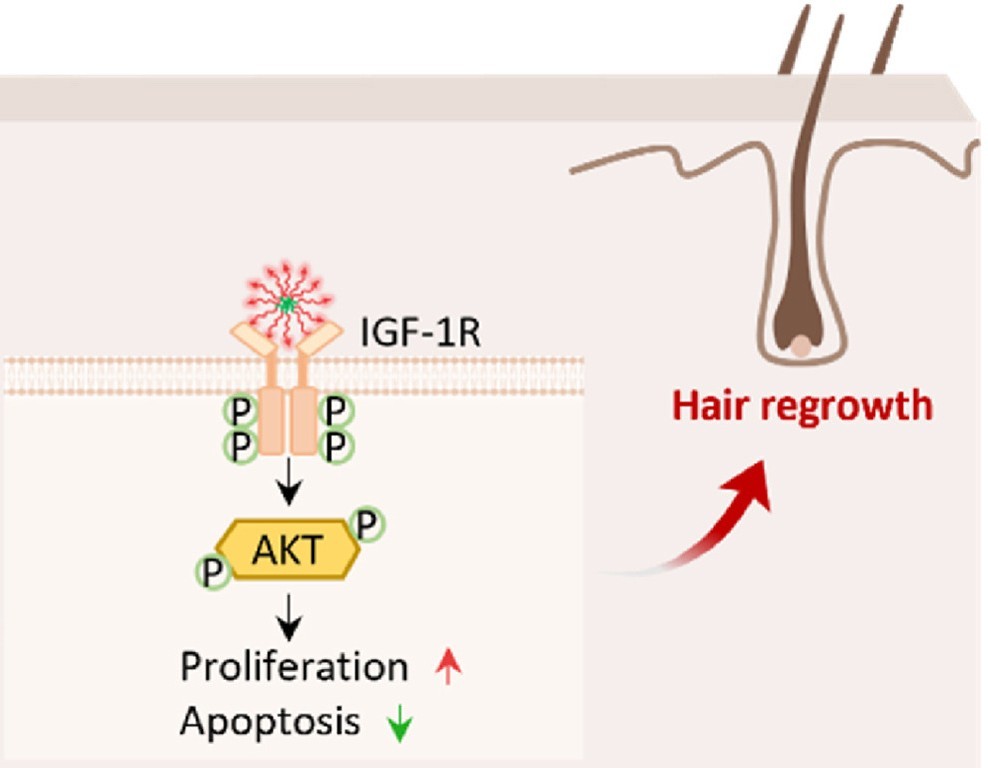
Figure 8: How an IGF-1 mimic can promote hair growth. Adapted from Figure 1.[29]Hu, X., Guo, L., Ding, Y., Nie, S., Fang, J., Li, J., Han, Q., Ding, D., Zhang, Q., Wang, T., Wang, L., Wang, M., Yang, Z. (2025). Self-Assembling Peptide Inspired By Insulin And Type 1 Insulin-Like … Continue reading Image used under the Creative Commons License.
If an outside influence were to disrupt the IGF-1 pathway, it would follow that this outside influence could also disrupt hair growth, and maybe that’s what happens with Wegovy.
We know that semaglutide can change insulin synthesis after food intake. Prolonged energy deficit and weight loss often reduce circulating insulin levels, and similar reductions in insulin have been observed for GLP‑1 agonist users.[30]{Jørgensen, S.W., Hjort, L., Gillberg, L., Justesen, L., Madsbad, S., Brøns, C., Vaag, A.A. (2021). Impact Of Prolonged Fasting On Insulin Secretion, Insulin Action, And Hepatic Versus Whole Body … Continue reading,[31]Alhowiti, A., Mirghani, H. (2025). The Effects Of GLP-1 Agonists On HbA1c And Insulin Dose Among Patients With Type 1 Diabetes. Frontiers In Endocrinology. 16. 1550938. Available at: … Continue reading,[32]Luo, Y., Yang, S., Zeng, H., Liu, S., Zhang, Y., Li, J.E., Liu, J. (2025). Both Subcutaneous Semaglutide And Calorie Restriction Improves Pancreatic Cell Hyperplasia And Gut Microbiota In High-Fat … Continue reading
How does this relate to IGF-1? Well, insulin is a primary factor modulating the availability of IGF-1 in the body.[33]Brismar, K., Fernqvist-Forbes, E., Wahren, J., Hall, K., (1994). Effect Of Insulin On The Hepatic Production Of Insulin-Like Growth Factor-Binding Protein-1 (IGFBP-1), IGFBP-3, And IGF-I In … Continue reading It is possible that by affecting insulin levels in the body, a drug like Wegovy may inadvertently affect the normal hair growth cycle.
A case study with a 54-year-old woman experiencing hair loss showed that treatment with insulin therapies was associated with a reduction in hair shedding. Hair shedding was not improved with minoxidil, suggesting usual causes of hair loss were not the underlying problem here. Although cause-and-effect can not be established, the case supports the notion that insulin and hair growth are linked.[34]Kant, R., Barnwal, S., Sharma, S.K., Thakur, K. (2021). Reversal Of Alopecia By Insulin Therapy In Uncontrolled Type 2 DM: A Case Report. Journal Of Diabetology. 12(4). 533-537. Available at: … Continue reading
It is not without mention that changes to insulin could also be a trigger for alopecia areata or telogen effluvium. With the latter, this may accelerate hair thinning in those with androgenic alopecia, as we’ve discussed.
Hair Cycle Changes
A 2006 study in mice found high levels of the hormone GLP-1 in the hair follicles of newborn mice. The researchers also discovered that GLP-1 activated a signalling pathway in skin cells called MAPK/ERK, which is known to be involved in cell growth and division.[35]List, J.F., He, H., Habener, J.F. (2006). Glucagon-Like Peptide-1 Receptor And Proglucagon Expression In Mouse Skin. Regulatory Peptides. 134(2–3). 149-157. Available at: … Continue reading
Based on these findings, the scientists suggested that GLP-1 may play a role in the development of hair follicles. This raises the question of whether GLP-1 medications could have any effects on the hair cycle, a possible link between Wegovy and hair biology.
However, it’s important to note that this research was conducted only in animals and did not include human participants. Results seen in animal studies do not always apply to people. So while the study suggests GLP-1 may influence the hair cycle in mice, it does not show that the same process happens in humans.
Distinguishing Between Androgenic Alopecia, Telogen Effluvium, and Alopecia Areata
Hair loss can be distressing. If you are using Wegovy and are troubled about hair loss, it’s important to first assess what kind of hair loss you might have.
Gradual (over many years), patterned thinning, and possibly a family history of balding? The likely cause is androgenic alopecia.
Sudden diffuse hair shedding without thinning, that has onset 2 to 8 months after taking Wegovy, or follows another recent stressful event? The likely cause is telogen effluvium.
Sudden patchy hair loss with a smooth bald spot and hair thinning, possibly with previous similar episodes or a personal or family history of autoimmune disease? The likely cause is alopecia areata.
I’m Using Wegovy, Should I Be Concerned?
Signs Should I be concerned? I have no signs of hair loss or a family history of hair loss No, probably not. The evidence suggests that people with these signs are at a very low risk of developing new hair loss from Wegovy. I have signs of hair loss, and may or may not have a family history of hair loss Maybe. The evidence suggests that medications like Wegovy could worsen existing hair loss by causing telogen effluvium, although there is no clinical evidence directly showing that this is the case. I have early signs of hair loss, or haven’t noticed any ongoing hair loss, and may or may not have a family history of hair loss Maybe. If you haven’t noticed any hair loss, but are predisposed to androgenic alopecia or alopecia areata, a medication like Wegovy may progress thinning to a point where it is noticeable if telogen effluvium occurs. Again, there is no clinical evidence to back this theory, but it is a plausible scenario. What Can I Do To Prevent Hair Loss With Wegovy?
#1: Avoid rapid weight loss
When pursuing weight loss, it is important to avoid aggressive calorie restriction, as severe deficits can stress the body and contribute to unwanted side effects such as increased hair shedding.
#2: Eat a balanced diet, or take supplements
Aim for a balanced approach that ensures adequate intake of essential nutrients. In particular, sufficient protein is critical because hair is primarily made of keratin, a protein that depends on dietary amino acids for growth and maintenance.
Adequate micronutrients, including iron, zinc, vitamin D, and B vitamins, are also necessary to support healthy hair follicles and overall metabolic function.
#3: Monitor your hair
During periods of rapid weight loss, monitor for increased hair shedding, which can occur due to physiological stress or nutrient deficiencies. Tracking changes early can help identify problems before significant hair thinning develops.
#4: Get an opinion before starting Wegovy, and consider hair loss treatments
For individuals planning weight loss with Wegovy, it may be beneficial to obtain a baseline scalp evaluation from a healthcare professional to see whether there is any ongoing hair loss or whether there might be potential for hair loss in the future.
If you have a known predisposition to hair loss, talk to your doctor about early intervention with appropriate hair loss treatments like topical minoxidil or oral finasteride. These may be able to help preserve hair density while weight loss progresses. You can learn more about minoxidil, the side effects, and how to minimize them in our article here.
Final Thoughts
Online discussions and patient reports have caused concern that weight loss treatments like Wegovy may cause hair loss. Unfortunately, the current clinical evidence remains limited. A small number of case reports suggest that alopecia areata can occur in some individuals taking semaglutide, and larger retrospective studies indicate that, while most users do not experience significant hair loss during treatment, some with underlying hair loss conditions, like androgenic alopecia, experience a worsening of their condition.
We don’t know why or how this might happen. However, we can speculate that this may be caused by the onset of telogen effluvium. Rapid weight loss and nutrient deficiencies are well-established triggers for telogen effluvium, and are possible while taking a medication like Wegovy. So, the hair changes observed during Wegovy therapy are likely not a result of the drug itself, but rather the physiological effects of weight loss.
Large, randomized, and controlled clinical trials are needed to confirm the relationship between Wegovy and hair loss. But for now, we recommend that if you are considering Wegovy, consider evaluating your hair health first. Consult your doctor, and implement appropriate treatment routes, lifestyle changes, and hair loss treatments for the best chance to avoid sudden changes to your hair when you are trying to lose weight.
References[+]
References ↑1 Ukhanova, M., Wozny, J.S., Truong, C.N., Ghosh, L., Krause, T.M. (2025). Trends In Glucagon-Like Peptide 1 Receptor Agonist Prescribing Patterns. Am J Manag Care. 31(8). e228-e234. Available at: https://doi.org/10.37765/ajmc.2025.89778 ↑2 Kommu, S., Whitfield, P., (2025), Semaglutide. Available at: http://www.ncbi.nlm.nih.gov/books/NBK603723/ (Accessed: 27 February 2026) ↑3 Wadden, T.A., Bailey, T.S., Billings, L.K., Davies, M., Frias, J.P., Koroleva, A., Lingvay, I., O’Neil, P.M., Rubino, D.M., Skovgaard, D., Wallenstein, S.O.R., Garvey, W.T. (2021). Effect Of Subcutaneous Semaglutide Vs Placebo As An Adjunct To Intensive Behavioral Therapy On Body Weight In Adults With Overweight Or Obesity: The STEP 3 Randomized Clinical Trial. JAMA. 325(14). 1403-1413. Available at: https://doi.org/10.1001/jama.2021.1831 ↑4 Olayinka, J.T., Richmond, J.M., (2021). Immunopathogenesis Of Alopecia Areata. Current Research In Immunology. 2. 7-11. Available at: https://doi.org/10.1016/j.crimmu.2021.02.001 ↑5 Oiwoh, S.O., Enitan, A.O., Adegbosin, O.T., Akinboro, A.O., Onayemi, E.O. (2024). Androgenetic Alopecia: A Review. Niger Postgrad Med J. 31(2). 85-92. Available at: https://doi.org/10.4103/npmj.npmj_47_24 ↑6 Ramos, P.M., Melo, D.F., Radwanski, H., Almeida, R.F.C., Miot, H.A. (2023). Female-Pattern Hair Loss: Therapeutic Update. Anais Brasileiros De Dermatologia. 98(4). 506-519. Available at: https://doi.org/10.1016/j.abd.2022.09.006 ↑7, ↑18 Malkud, S., (2015). Telogen Effluvium: A Review. Journal Of Clinical And Diagnostic Research. 9(9). WE01-WE03. Available at: https://doi.org/10.7860/JCDR/2015/15219.6492 ↑8 Iancu, G.M., Molnar, E., Ungureanu, L., Șenilă, S.C., Hașegan, A., Rotaru, M. (2023). SARS-CoV-2 Infection—A Trigger Factor For Telogen Effluvium: Review Of The Literature With A Case-Based Guidance For Clinical Evaluation. Life. 13. 1576. Available at: https://doi.org/10.3390/life13071576 ↑9 Sibbald, C. (2023). Alopecia Areata: An Updated Review For 2023. J Cutan Med Surg. 27(3). 241-259. Available at: https://doi.org/10.1177/12034754231168839 ↑10 U.S. Food and Drug Administration. (2025). Drug Label: 218316Orig1s000lbl. Available at: https://www.accessdata.fda.gov/drugsatfda_docs/label/2025/218316Orig1s000lbl.pdf Accessed: 05 March 2026) ↑11 U.S. Food and Drug Administration. (2025). Drug Label: 218316Orig1s000lbl. Available at: https://www.accessdata.fda.gov/drugsatfda_docs/label/2025/218316Orig1s000lbl.pdf (Accessed: 05 March 2026) ↑12, ↑13 Alzahrani, W.S., Bahkali, S.A., Alharthy, R.F., Alsabban, A.S., (2025). Alopecia Areata Following Semaglutide Treatment For Weight Loss: A Case Report. JAAD Case Reports. 63. 44-46. Available at: https://doi.org/10.1016/j.jdcr.2025.06.012 ↑14 Cheng, J.-R., Zheng, J., Li, Y., Shi, H., Yang, N., Lei, Y., Wan, Y.-F. (2026). Weight Loss-Associated Alopecia Areata. American Journal of Therapeutics. Available at: https://doi.org/10.1097/MJT.0000000000001851 ↑15 Godfrey, H., Leibovit-Reiben, Z., Jedlowski, P., Thiede, R. (2025). Alopecia Associated With The Use Of Semaglutide And Tirzepatide: A Disproportionality Analysis Using The FDA Adverse Event Reporting System (FAERS) From 2022 To 2023. Journal Of The European Academy Of Dermatology And Venereology. 39. e153-e154. Available at: https://doi.org/10.1111/jdv.20197 ↑16 Burke, O. (2025). Glucagon-Like Peptide-1 Receptor Agonist Medications And Hair Loss: A Retrospective Cohort Study. Journal Of The American Academy Of Dermatology. 92(5). 1141-1143. Available at: https://doi.org/10.1016/j.jaad.2025.01.046 ↑17 Akiska, Y.M., Vidal, S.I., Menta, N. (2025). Increased Incidence And Risk Of Hair Loss With Glucagon-Like Peptide 1 Receptor Agonists: A Real-World Multicentre Cohort Study. EMJ. 13(1). 52-54. Available at: https://doi.org/10.33590/emjdermatol/TYEW1122 ↑19 Desai, D.D., Sikora, M., Nohria, A., Bordone, L., Caplan, A.S., Shapiro, J., Lo Sicco, K.I. (2024). GLP-1 Agonists And Hair Loss: A Call For Further Investigation. International Journal Of Dermatology. 63. 1128-1130. Available at: https://doi.org/10.1111/ijd.17246 ↑20 Johnson, B., Milstead, M., Thomas, O. (2025). Investigating Nutrient Intake During Use Of Glucagon-Like Peptide-1 Receptor Agonist: A Cross-Sectional Study. Frontiers In Nutrition. 12. 1566498. Available at: https://doi.org/10.3389/fnut.2025.1566498 ↑21 Cohen-Kurzrock, R.A., Cohen, P.R., (2021). Bariatric Surgery-Induced Telogen Effluvium (Bar SITE): Case Report And A Review Of Hair Loss Following Weight Loss Surgery. Cureus. 13(4). e14617. Available at: https://doi.org/10.7759/cureus.14617 ↑22 Rojas, P., Gosch, M., Basfi-Fer, K., (2011). Alopecia In Women With Severe And Morbid Obesity Who Undergo Bariatric Surgery. Nutricion Hospitalaria. 26(4). 856-862. Available at: https://doi.org/10.1590/s0212-16112011000400028 ↑23 Nadler, E.P., Youn, H.A., Ginsburg, H.B., Ren, C.J., Fielding, G.A., (2007). Short-Term Results In 53 US Obese Pediatric Patients Treated With Laparoscopic Adjustable Gastric Banding. Journal Of Pediatric Surgery. 42(1). 137-142. Available at: https://doi.org/10.1016/j.jpedsurg.2006.09.014 ↑24 Nadler, E.P., Youn, H.A., Ren, C.J., Fielding, G.A., (2008). An Update On 73 US Obese Pediatric Patients Treated With Laparoscopic Adjustable Gastric Banding: Comorbidity Resolution And Compliance Data. Journal Of Pediatric Surgery. 43(1). 141-146. Available at: https://doi.org/10.1016/j.jpedsurg.2007.09.035 ↑25 Kang, D.H., Kwon, S.H., Sim, W.Y., Lew, B.L., (2024). Telogen Effluvium Associated With Weight Loss: A Single Center Retrospective Study. Annals Of Dermatology. 36(6). 384-388. Available at: https://doi.org/10.5021/ad.24.043 ↑26 Pham, C.T., Romero, K., Almohanna, H.M., Griggs, J., Ahmed, A., Tosti, A. (2020). The Role Of Diet As An Adjuvant Treatment In Scarring And Nonscarring Alopecia. Skin Appendage Disord. 6(2). 88-96. Available at: https://doi.org/10.1159/000504786 ↑27 Bhat, Y.J., Latif, I., Malik, R., Hassan, I., Sheikh, G., Lone, K.S., Majeed, S., Sajad, P. (2017). Vitamin D Level In Alopecia Areata. Indian Journal Of Dermatology. 62(4). 407-410. Available at: https://doi.org/10.4103/ijd.IJD_677_16 ↑28 Hsieh, W.J., Qiu, W.Y., Percec, I., Chang, T.M., (2025). Insulin-Like Growth Factor 1 (IGF-1) In Hair Regeneration: Mechanistic Pathways And Therapeutic Potential. Current Issues In Molecular Biology. 47(9). 773. Available at: https://doi.org/10.3390/cimb47090773 ↑29 Hu, X., Guo, L., Ding, Y., Nie, S., Fang, J., Li, J., Han, Q., Ding, D., Zhang, Q., Wang, T., Wang, L., Wang, M., Yang, Z. (2025). Self-Assembling Peptide Inspired By Insulin And Type 1 Insulin-Like Growth Factor For The Treatment Of Androgenetic Alopecia. Bioactive Materials. 53. 819-830. Available at: https://doi.org/10.1016/j.bioactmat.2025.08.004 ↑30 {Jørgensen, S.W., Hjort, L., Gillberg, L., Justesen, L., Madsbad, S., Brøns, C., Vaag, A.A. (2021). Impact Of Prolonged Fasting On Insulin Secretion, Insulin Action, And Hepatic Versus Whole Body Insulin Secretion Disposition Indices In Healthy Young Males. American Journal Of Physiology Endocrinology And Metabolism. 320(2). E281-E290. Available at: https://doi.org/10.1152/ajpendo.00433.2020 ↑31 Alhowiti, A., Mirghani, H. (2025). The Effects Of GLP-1 Agonists On HbA1c And Insulin Dose Among Patients With Type 1 Diabetes. Frontiers In Endocrinology. 16. 1550938. Available at: https://doi.org/10.3389/fendo.2025.1550938 ↑32 Luo, Y., Yang, S., Zeng, H., Liu, S., Zhang, Y., Li, J.E., Liu, J. (2025). Both Subcutaneous Semaglutide And Calorie Restriction Improves Pancreatic Cell Hyperplasia And Gut Microbiota In High-Fat Diet-Induced Obese Mice. Nutrition And Metabolism. 22(1). 95. Available at: https://doi.org/10.1186/s12986-025-00987-0 ↑33 Brismar, K., Fernqvist-Forbes, E., Wahren, J., Hall, K., (1994). Effect Of Insulin On The Hepatic Production Of Insulin-Like Growth Factor-Binding Protein-1 (IGFBP-1), IGFBP-3, And IGF-I In Insulin-Dependent Diabetes. Journal Of Clinical Endocrinology And Metabolism. 79(3). 872-878. Available at: https://doi.org/10.1210/jcem.79.3.7521354 ↑34 Kant, R., Barnwal, S., Sharma, S.K., Thakur, K. (2021). Reversal Of Alopecia By Insulin Therapy In Uncontrolled Type 2 DM: A Case Report. Journal Of Diabetology. 12(4). 533-537. Available at: https://doi.org/10.4103/jod.jod_66_21 ↑35 List, J.F., He, H., Habener, J.F. (2006). Glucagon-Like Peptide-1 Receptor And Proglucagon Expression In Mouse Skin. Regulatory Peptides. 134(2–3). 149-157. Available at: https://doi.org/10.1016/j.regpep.2006.02.007 Want help with your hair regrowth journey?
Get personalized support, product recommendations, video calls, and more from our researchers, trichologists, and PhD's dedicated to getting you the best possible outcomes.
Learn More
Cassie Hopton, PhD
Cassie is a multidisciplinary researcher with expertise spanning biochemistry, genetics, and microbiology. She completed a BSc in Biochemistry, including a year-long placement in cancer research, followed by an MScR focused on cyanobacterial genetics. She then earned a PhD in Microbiology at the University of Edinburgh, where her research examined the limits of bacterial survival in ammonia-rich environments.
"... Can’t thank @Rob (PHH) and @sanderson17 enough for allowing me to understand a bit what was going on with me and why all these [things were] happening ... "

 — RDB, 35, New York, U.S.A.
"... There is a lot improvement that I am seeing and my scalp feel alive nowadays... Thanks everyone. "

 — Aayush, 20’s, Boston, MA
"... I can say that my hair volume/thickness is about 30% more than it was when I first started."

 — Douglas, 50’s, Montréal, Canada
Want help with your hair regrowth journey?
Get personalized support, product recommendations, video calls, and more from our researchers, trichologists, and PhD's dedicated to getting you the best possible outcomes.
Join Now - Mission Statement