- About
- Mission Statement
Education. Evidence. Regrowth.
- Education.
Prioritize knowledge. Make better choices.
- Evidence.
Sort good studies from the bad.
- Regrowth.
Get bigger hair gains.
Team MembersPhD's, resarchers, & consumer advocates.
- Rob English
Founder, researcher, & consumer advocate
- Research Team
Our team of PhD’s, researchers, & more
Editorial PolicyDiscover how we conduct our research.
ContactHave questions? Contact us.
Before-Afters- Transformation Photos
Our library of before-after photos.
- — Jenna, 31, U.S.A.
I have attached my before and afters of my progress since joining this group...
- — Tom, 30, U.K.
I’m convinced I’ve recovered to probably the hairline I had 3 years ago. Super stoked…
- — Rabih, 30’s, U.S.A.
My friends actually told me, “Your hairline improved. Your hair looks thicker...
- — RDB, 35, New York, U.S.A.
I also feel my hair has a different texture to it now…
- — Aayush, 20’s, Boston, MA
Firstly thank you for your work in this field. I am immensely grateful that...
- — Ben M., U.S.A
I just wanted to thank you for all your research, for introducing me to this method...
- — Raul, 50, Spain
To be honest I am having fun with all this and I still don’t know how much...
- — Lisa, 52, U.S.
I see a massive amount of regrowth that is all less than about 8 cm long...
Client Testimonials150+ member experiences.
 Scroll DownPopular Treatments
- Treatments
Popular treatments. But do they work?
- Finasteride
- Oral
- Topical
- Dutasteride
- Oral
- Topical
- Mesotherapy
- Minoxidil
- Oral
- Topical
- Ketoconazole
- Shampoo
- Topical
- Low-Level Laser Therapy
- Therapy
- Microneedling
- Therapy
- Platelet-Rich Plasma Therapy (PRP)
- Therapy
- Scalp Massages
- Therapy
 More
More
IngredientsTop-selling ingredients, quantified.
- Saw Palmetto
- Redensyl
- Melatonin
- Caffeine
- Biotin
- Rosemary Oil
- Lilac Stem Cells
- Hydrolyzed Wheat Protein
- Sodium Lauryl Sulfate
 More
More
ProductsThe truth about hair loss "best sellers".
- Minoxidil Tablets
Xyon Health
- Finasteride
Strut Health
- Hair Growth Supplements
Happy Head
- REVITA Tablets for Hair Growth Support
DS Laboratories
- FoliGROWTH Ultimate Hair Neutraceutical
Advanced Trichology
- Enhance Hair Density Serum
Fully Vital
- Topical Finasteride and Minoxidil
Xyon Health
- HairOmega Foaming Hair Growth Serum
DrFormulas
- Bio-Cleansing Shampoo
Revivogen MD
- more
Key MetricsStandardized rubrics to evaluate all treatments.
- Evidence Quality
Is this treatment well studied?
- Regrowth Potential
How much regrowth can you expect?
- Long-Term Viability
Is this treatment safe & sustainable?
Free Research- Free Resources
Apps, tools, guides, freebies, & more.
- Free CalculatorTopical Finasteride Calculator
- Free Interactive GuideInteractive Guide: What Causes Hair Loss?
- Free ResourceFree Guide: Standardized Scalp Massages
- Free Course7-Day Hair Loss Email Course
- Free DatabaseIngredients Database
- Free Interactive GuideInteractive Guide: Hair Loss Disorders
- Free DatabaseTreatment Guides
- Free Lab TestsProduct Lab Tests: Purity & Potency
- Free Video & Write-upEvidence Quality Masterclass
- Free Interactive GuideDermatology Appointment Guide
- More
Articles100+ free articles.
-
Sublingual Minoxidil: More Hair Growth, Less Sides?
-
Happy Head Review: 5 Concerns With The Brand
-
Can a Blood DHT Test Tell You Whether You Have AGA?
-
ABS-201: Can Blocking the Prolactin Receptor Regrow Hair?
-
Best Topical Finasteride: 5 Top Products of 2026
-
Best Topical Dutasteride: 8 Choices for 2026
-
2.5mg Dutasteride: Before and After Photos [2026]
-
Best Minoxidil for Women: Top 7 Brands of 2026
PublicationsOur team’s peer-reviewed studies.
- Microneedling and Its Use in Hair Loss Disorders: A Systematic Review
- Use of Botulinum Toxin for Androgenic Alopecia: A Systematic Review
- Conflicting Reports Regarding the Histopathological Features of Androgenic Alopecia
- Self-Assessments of Standardized Scalp Massages for Androgenic Alopecia: Survey Results
- A Hypothetical Pathogenesis Model For Androgenic Alopecia:Clarifying The Dihydrotestosterone Paradox And Rate-Limiting Recovery Factors
Menu- AboutAbout
- Mission Statement
Education. Evidence. Regrowth.
- Team Members
PhD's, resarchers, & consumer advocates.
- Editorial Policy
Discover how we conduct our research.
- Contact
Have questions? Contact us.
- Before-Afters
Before-Afters- Transformation Photos
Our library of before-after photos.
- Client Testimonials
Read the experiences of members
Before-Afters/ Client Testimonials- Popular Treatments
-
ArticlesStrut Health Review: 5 Things to Consider Before Purchasing
First Published Jun 12 2026Last Updated Apr 14 2026Company Reviews Researched & Written By:Cassie Hopton, PhD
 Reviewed By:Rob English, Medical Editor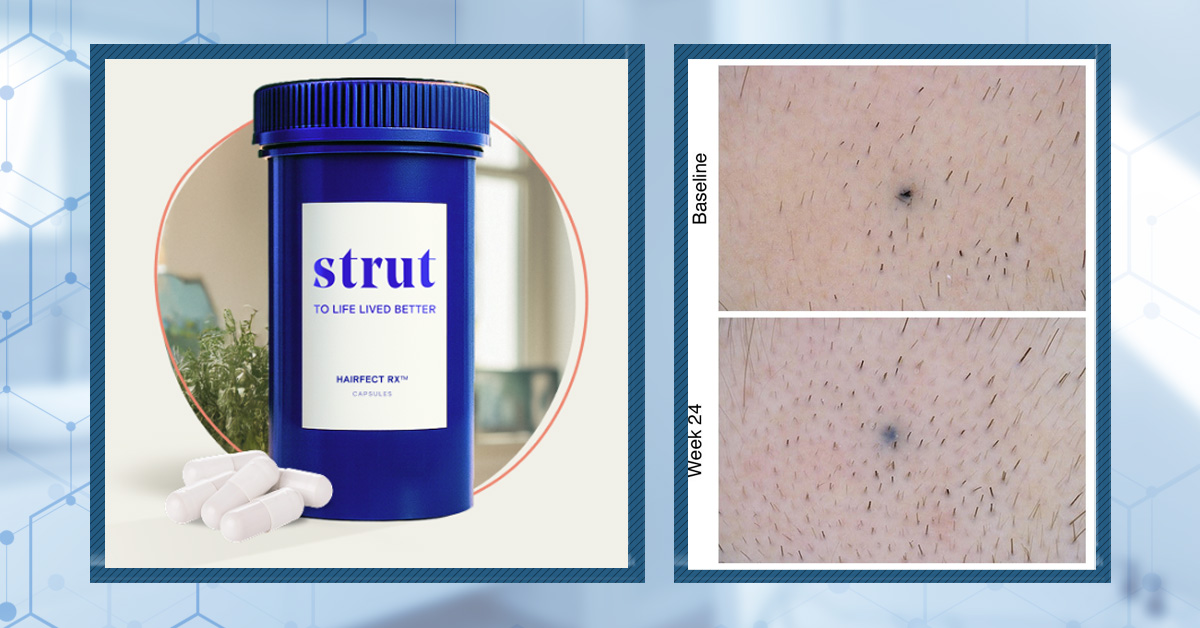
Want help with your hair regrowth journey?
Get personalized support, product recommendations, video calls, and more from our researchers, trichologists, and PhD's dedicated to getting you the best possible outcomes.
Learn MoreArticle Summary
Is Strut Health right for your hair regrowth journey? We examine ingredient safety, dosing strategies, formulation methods, and customization options to help you make an informed decision. Before purchasing, understand the clinical evidence, potential risks, and limitations behind this popular telehealth provider.
Full Article
WARNING: unbalanced footnote start tag short code found.
If this warning is irrelevant, please disable the syntax validation feature in the dashboard under General settings > Footnote start and end short codes > Check for balanced shortcodes.
Unbalanced start tag short code found before:
“Olsen, E. A., Hordinsky, M., Whiting, D., Stough, D., Hobbs, S., Ellis, M. L., Wilson, T., Rittmaster, R. S., & Dutasteride Alopecia Research Team. (2006). The importance of dual 5α-reductase inhibition in the treatment of male pattern hair loss: results of a randomized placebo-controlled stud…”
The hair loss industry has grown rapidly, but that growth has also brought recurring problems: under-researched ingredients, potentially irritating additives, and treatment models that do not always adapt well to individual needs. These issues can lead to disappointing outcomes, avoidable side effects, or confusion when trying to choose between providers.
Strut Health is a telehealth company providing treatments for hair loss, sexual health, skin care, weight loss, sleep, and wellness. Their goal is to “offer the best technology and custom treatment plans”, and to allow users to “find what they need to walk tall, unhindered by embarrassment and shame”.
In this review, we’ll examine 5 important things you need to know before purchasing a treatment with Strut Health, assessing how their treatment range and ingredient choices stack up against common concerns in the hair loss industry.
Interested in Oral Finasteride?
Oral finasteride & minoxidil available, if prescribed*
Take the next step in your hair regrowth journey. Get started today with a provider who can prescribe a topical solution tailored for you.
*Only available in the U.S. Prescriptions not guaranteed. Restrictions apply. Off-label products are not endorsed by the FDA.
What Does Strut Health Offer?
Strut Health offers a range of treatments for men and women seeking solutions for androgenic alopecia (AGA). These include both oral formulations and topical medications. In the table below, we go through who each product is for, the active ingredients, and how much it will cost you.
Treatment Who’s it for? What does it contain? Price per Month Topical Dutasteride (Gel or Solution) Men Dutasteride (0.1%) Minoxidil (0.0% to 7.5%)
Tretinoin (0.0% to 0.0125%)
Fluocinolone (0.01%)
Biotin (Unspecified)
$69 HairfectRx Hair Capsules with Dutasteride Men Dutasteride (0.4 mg) Minoxidil (5 mg)
Biotin & Vitamins (Unspecified)
$69 Finasteride Hair Loss Formula (Gel or Solution) Men Finasteride (0.25%) Minoxidil (0.0% to 7.5%)
Tretinoin (0.0% to 0.0125%)
Fluocinolone (0.01%)
Biotin (Unspecified)
$59 Finasteride Tablets Men Finasteride (1 mg) $25 Dutasteride Capsules Men Dutasteride (0.1 to 0.6 mg) Biotin (0 mcg to 5000 mcg)
$39 HairfectRx Hair Capsules with Finasteride Men & Women Finasteride (1 mg) Minoxidil (5 mg)
Biotin & Vitamins (Unspecified)
$69 Oral Minoxidil Tablets Men & Women Minoxidil (1.25 mg) $55 Ketoconazole 2% Shampoo Men & Women Ketoconazole (2%) $25 Strut Hair Booster with Latanoprost Men & Women Latanoprost (0.03% to 0.1%) Melatonin (0.0033%)
Caffeine (0.05%)
Biotin (Unspecified)
$59 Strut Women’s Hair Loss Formula (Gel or Solution) Women Spironolactone (1%) Finasteride (0.25%)
Minoxidil (0.0% to 7.5%)
Tretinoin (0.0% to 0.025%)
Fluocinolone (0.01%)
Biotin (unspecified)
$59 From what we can see, there are a variety of active ingredients available with Strut Health. They also offer some dosage flexibility and can compound customized treatments. These options are important and are not offered by most telehealth providers.
However, Strut Health does not transparently list inactive ingredients, which can sometimes matter just as much as the active ingredients.
Because there are common issues within the telehealth industry, it is important to carefully evaluate any telehealth provider before purchasing. With that in mind, we’ll break down 5 things to consider before deciding on Strut Health as a telehealth provider, assessing whether their offerings are truly safe and effective for those with androgenic alopecia.
#1: Ingredient Safety
The offerings by Strut Health are formulated well overall. Detailed safety information is clearly outlined on each product page. In many cases, flexible dosages are available that would allow users to lower the concentration of their medication if any side effects or adverse reactions occurred. Strut Health also notes that the formulations are free from propylene glycol, a known skin irritant.{{Patel, K., Palmer, A., Nixon, R., (2023). Allergic Contact Dermatitis From Propylene Glycol: A Case Series From Australia. Contact Dermatitis. 89(2). 79–84. Available at: https://doi.org/10.1111/cod.14325}} However, not all of the ingredients are clinically proven as well-tolerated, and some could pose safety concerns. We’ll take a look at these ingredients in some more detail.
Latanoprost
Latanoprost features prominently in Strut Health’s Hair Booster. This is not a traditional hair loss ingredient: it is in fact a glaucoma medication that mimics prostaglandin F2ɑ. Latanoprost became a hot topic in the hair loss industry when the use of this medication was reported to stimulate eyelash growth in those with glaucoma. This is not entirely surprising, since prostaglandin F2ɑ is a hormone involved in cell growth and vasodilation. Both of these functions have been related to hair growth.{{English, R., Ruiz, S., (2021). Conflicting Reports Regarding the Histopathological Features of Androgenic Alopecia: Are Biopsy Location, Hair Diameter Diversity, and Relative Hair Follicle Miniaturization Partly to Blame? Clinical, Cosmetic and Investigational Dermatology. 14. 357–365. Available at: https://doi.org/10.2147/CCID.S306157}},{{Sasaki, S., Hozumi, Y., Kondo, S., (2005). Influence of Prostaglandin F2alpha and Its Analogues on Hair Regrowth and Follicular Melanogenesis in a Murine Model. Experimental Dermatology. 14(5). 323–328. Available at: https://doi.org/10.1111/j.0906-6705.2005.00270.x}}
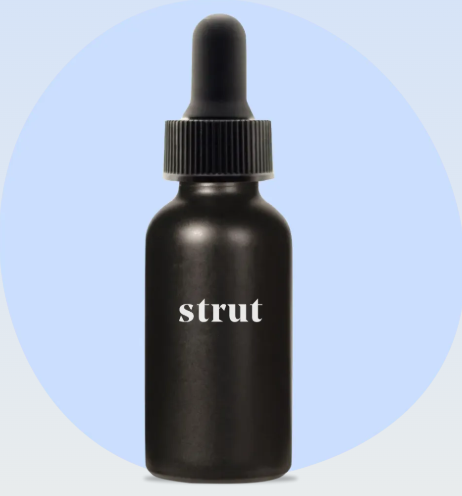
Figure 1: Strut Hair Booster with Latanoprost.
The dosage of latanoprost in the Hair Booster is flexible, from 0.03% to 0.1%. So far, there isn’t any high-quality evidence that latanoprost could produce substantial results in treating androgenic alopecia. The studies we do have show that usage of 0.01% and 0.1% latanoprost results in mixed outcomes. In most cases, less than half of the participants actually experience hair regrowth.{{Blume-Peytavi, U., Lönnfors, S., Hillmann, K., Garcia Bartels, N., (2012). A Randomized Double-Blind Placebo-Controlled Pilot Study to Assess the Efficacy of a 24-Week Topical Treatment by Latanoprost 0.1% on Hair Growth and Pigmentation in Healthy Volunteers With Androgenetic Alopecia. Journal of the American Academy of Dermatology. 66(5). 794–800. Available at: https://doi.org/10.1016/j.jaad.2011.05.026}},{{Bloch, L., Escudeiro, C., Sarruf, F., Valente, N., (2018). Latanoprost and Minoxidil: Comparative Double-Blind, Placebo-Controlled Study for the Treatment of Hair Loss. Surgical and Cosmetic Dermatology. 10. Available at: https://www.researchgate.net/publication/324736207_Latanoprost_and_minoxidil_comparative_double-blind_placebo-controlled_study_for_the_treatment_of_hair_loss}} However, both of these studies are plagued with poor design, whether it be a small participant number (limiting generalizability), or poorly defined study groups, making it hard to deduce any solid conclusions about the effectiveness of latanoprost.
Aside from efficacy, the real concern here is safety. In glaucoma users, long-term use of latanoprost has been associated with changes in iris pigmentation.{{Teus, M. A., Arranz-Marquez, E., & Lucea-Suescun, P. (2002). Incidence of iris colour change in latanoprost treated eyes. *British Journal of Ophthalmology.* 86(10). 1085–1088. Available at: https://doi.org/10.1136/bjo.86.10.1085}} This is estimated to affect around 10% of users.
Glaucoma is a debilitating condition, so any potential benefit of using latanoprost outweighs pigment changes. But for those with androgenic alopecia, these types of changes may not be worth it, especially when the safety risks are not stated outright. While it is featured in a topical formulation by Strut Health, there is always the potential for systemic absorption of a drug even when applied topically. This is especially true for hair loss treatments, where medications are taken long-term.
As it stands, latanoprost is not an ingredient that has been clinically proven with strong evidence for the treatment of AGA, and its safety for topical application has not been legitimized.
Corticosteroids
Fluocinolone is a corticosteroid. It is typically used to treat inflammatory skin conditions. Fluocinolone at 0.01% is included in the following formulations by Strut Health:
- Topical Dutasteride
- Finasteride Hair Loss Formula
- Strut Women’s Hair Loss Formula
Corticosteroids are sometimes included in hair loss formulations as a way of mitigating the inflammation caused by other added ingredients. The inactive ingredients in Strut Health’s formulations are not transparently listed, so it’s difficult to say whether this has been added to tackle an inactive ingredient similar to propylene glycol. It’s possible fluocinolone has been added as a way to mitigate scalp irritation caused by high-strength active ingredients, like minoxidil.
Why is this a problem? Corticosteroids like fluocinolone can wear down the skin, leading to skin thinning (skin atrophy) and spider veins.{{Jablonska, S., Groniowska, M., Dabroswki, J. (1979). Comparative Evaluation of Skin Atrophy in Man Induced by Topical Corticoids. British Journal of Dermatology. 100(2). 193-206. Available at: https://doi.org/10.1111/j.1365-2133.1979.tb05561.x}},{{Torok, H.M., Jones, T., Rich, P., Smith, S., Tschen, E. (2005). Hydroquinone 4%, Tretinoin 0.05%, Fluocinolone Acetonide 0.01%: A Safe and Efficacious 12-Month Treatment for Melasma. Cutis. 75(1). 57-62}}
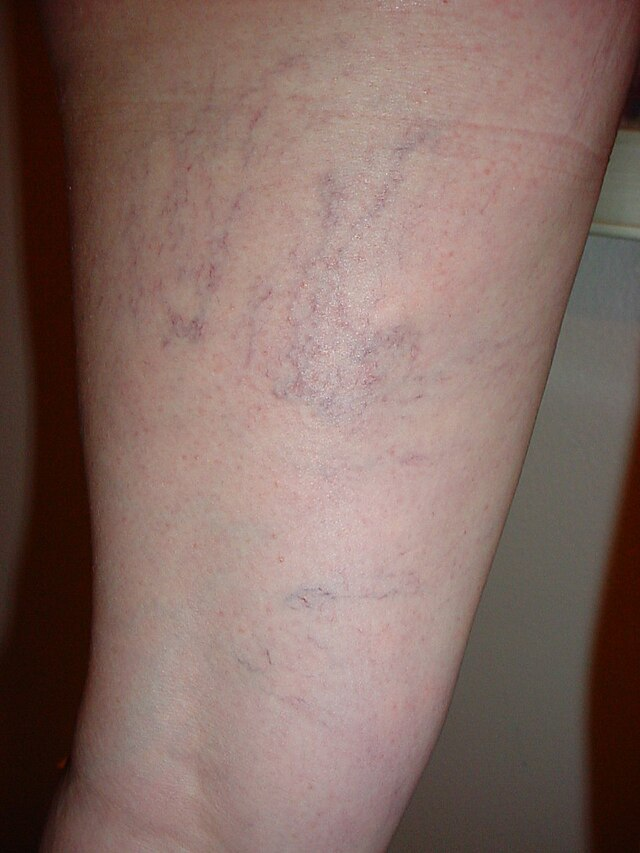
Figure 2. Telangiectasias or Spider Veins. Long-term use of corticosteroids can wear down the skin, leading to long-term damage like spider veins.{{Wikimedia Commons. (n.d.). Telangiectasias. Wikimedia Commons. Available at: https://commons.wikimedia.org/wiki/File:Telangiectasias.jpg}} Image used under Creative Commons License.
There is research showing use of 0.01% fluocinolone is safe for short-term use (i.e., days to weeks).{{Dohil, M.A., Alvarez-Connelly, E., Eichenfield, L.F. (2009). Fluocinolone Acetonide 0.01% in Peanut Oil: Safety and Efficacy Data in the Treatment of Childhood Atopic Dermatitis in Infants as Young as 3 Months of Age. Pediatric Dermatology. 26. 262-268. Available at: https://doi.org/10.1111/j.1525-1470.2008.00856.x}} A 12-month study examining the impact of 0.01% fluocinolone, as well as 4% hydroquinone (a skin lightener), and 0.05% tretinoin, showed that no skin atrophy occurred among the 173 users using the treatment over this time period. However, spider veins were noted in a number of users.{{Torok, H.M., Jones, T., Rich, P., Smith, S., Tschen, E. (2005). Hydroquinone 4%, Tretinoin 0.05%, Fluocinolone Acetonide 0.01%: A Safe and Efficacious 12-Month Treatment for Melasma. Cutis. 75(1). 57-62}} The researchers indicate that most instances of spider veins improved by the end of the study.
Users of hair loss treatments apply the products daily for many years. There is no data to show what the implications could be when applying 0.01% fluocinolone for this length of time. This uncertainty, and the possibility of spider veins after only 12 months of application, make us question why any formulation would include this unnecessary ingredient.
Oral Finasteride
Strut Health offers topical finasteride to women in their Strut Women’s Hair Loss Formula, but also oral finasteride as part of their HairfectRx Hair Capsules.
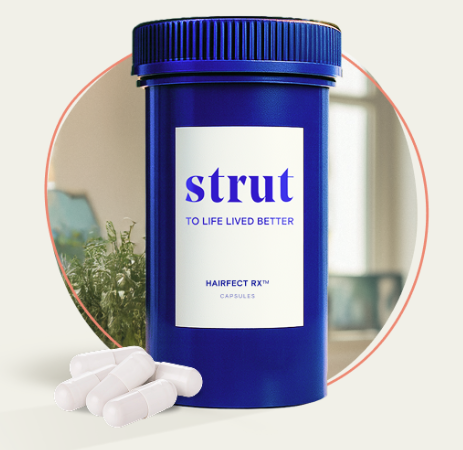
Figure 3: Strut Health HairfectRx Hair Capsules.
Finasteride is a blocker of dihydrotestosterone (DHT). It works by inhibiting the enzyme that forms DHT, 5-ɑ-reductase.{{Olsen, E. A., Hordinsky, M., Whiting, D., Stough, D., Hobbs, S., Ellis, M. L., Wilson, T., Rittmaster, R. S., & Dutasteride Alopecia Research Team. (2006). The importance of dual 5α-reductase inhibition in the treatment of male pattern hair loss: results of a randomized placebo-controlled study of dutasteride versus finasteride. Journal of the American Academy of Dermatology. 55(6). 1014–1023. Available at: https://doi.org/10.1016/j.jaad.2006.05.007}},{{Shapiro, J., & Kaufman, K. D. (2003). Use of finasteride in the treatment of men with androgenetic alopecia (male pattern hair loss). *Journal of Investigative Dermatology Symposium Proceedings.* 8(1). 20–23. Available at: https://doi.org/10.1046/j.1523-1747.2003.12167.x}} DHT is an androgen hormone that is essential for the normal development of male fetuses. High levels of DHT are also one of the primary causes of androgenic alopecia.
Oral finasteride is FDA-approved as a treatment for androgenic alopecia in men, but not in women. Why? Oral medications are processed by the whole body (known as systemic absorption). That means if there is a chance of pregnancy, there is a severe risk that oral finasteride would cause abnormal defects in any developing male fetus.
Topical solutions are also not without their risks. Depending on the concentration and amount applied, solutions of finasteride applied topically can be systemically absorbed.{{Piraccini, B. M., Blume-Peytavi, U., Scarci, F., Jansat, J. M., Falqués, M., Otero, R., Tamarit, M. L., et al. (2022). Efficacy and safety of topical finasteride spray solution for male androgenetic alopecia: a phase III, randomized, controlled clinical trial. Journal of the European Academy of Dermatology and Venereology. 36(2). 286–294. Available at: https://doi.org/10.1111/jdv.17738}}
Strut Health clearly states under the ‘safety info’ tab that you should not use oral finasteride “If you are a woman who is pregnant or may be pregnant”. They also state that, for topical finasteride, it “should not be used in pregnancy, breastfeeding, or women who are planning on having children”. Although not entirely clear from the website, it appears that the Strut Women’s Hair Loss Formula can be compounded to exclude finasteride.
So, Strut Health is overall doing the right things when it comes to safety with finasteride.
#2: Dosage Strengths and Formulations
For a medication to be effective, dosages need to be appropriate. Most of the treatment dosages available with Strut Health are standard and would be expected to result in some benefit to hair regrowth for most users after long-term use.
- 1 mg Finasteride – This is an FDA-approved treatment for androgenic alopecia.{{Finasteride Male Pattern Hair Loss Study Group. (2002). Long-Term (5-Year) Multinational Experience With Finasteride 1 mg in the Treatment of Men With Androgenetic Alopecia. Eur J Dermatol. 12:38-49. Available at: https://pubmed.ncbi.nlm.nih.gov/11809594/}},{{Shapiro, J., Kaufman, K.D. (2003). Use of Finasteride in the Treatment of Men With Androgenetic Alopecia (Male Pattern Hair Loss). J Investig Dermatol Symp Proc. 8(1):20-23. Available at: https://www.sciencedirect.com/science/article/pii/S0022202X15529357}}
- Up to 0.6 mg Dutasteride – While longer trials are needed, a few high-quality studies show that 0.1 mg to 0.5 mg dutasteride is an effective treatment for androgenic alopecia.{{Harcha, W. G., Barboza Martínez, J., Tsai, T.-F., Katsuoka, K., Kawashima, M., Tsuboi, R., Barnes, A., Ferron-Brady, G., & Chetty, D. (2014). A randomized, active- and placebo-controlled study of the efficacy and safety of different doses of dutasteride versus placebo and finasteride in the treatment of male subjects with androgenetic alopecia. Journal of the American Academy of Dermatology. 70(3). 489–498. Available at: https://doi.org/10.1016/j.jaad.2013.10.049}},{{Olsen, E. A., Hordinsky, M., Whiting, D., Stough, D., Hobbs, S., Ellis, M. L., Wilson, T., Rittmaster, R. S., & Dutasteride Alopecia Research Team. (2006). The importance of dual 5α-reductase inhibition in the treatment of male pattern hair loss: results of a randomized placebo-controlled study of dutasteride versus finasteride. Journal of the American Academy of Dermatology. 55(6). 1014–1023. Available at: https://doi.org/10.1016/j.jaad.2006.05.007},{{Shanshanwal, S. J., & Dhurat, R. S. (2017). Superiority of dutasteride over finasteride in hair regrowth and reversal of miniaturization in men with androgenetic alopecia: a randomized controlled open-label, evaluator-blinded study. Indian Journal of Dermatology, Venereology and Leprology. 83. 47. Available at: https://doi.org/10.4103/0378-6323.188652}},{{Choi, G.-S., Sim, W.-Y., Kang, H., Huh, C. H., Lee, Y. W., Shantakumar, S., Ho, Y.-F., et al. (2022). Long-term effectiveness and safety of dutasteride versus finasteride in users with male androgenic alopecia in South Korea: a multicentre chart review study. Annals of Dermatology. 34(5). 349. Available at: https://doi.org/10.5021/ad.22.027}}
- 0.4% Dutasteride – The evidence so far for this treatment is limited in number and sometimes quality, but overall shows that the effectiveness of topical dutasteride in treating androgenic alopecia is promising.{{Panuganti, V.K., Kumar Madala, P., Ramalingayya Grandhi, V., Varma Alluri, C., Mohammad, J., Rao, K.S.S.V.V., Reddy Dundigalla, M. (2025). A Randomized, Double-Blind, Placebo And Active Controlled Phase II Study To Evaluate The Safety And Efficacy Of Novel Dutasteride Topical Solution (0.01%, 0.02%, And 0.05% W/V) In Male Subjects With Androgenetic Alopecia. Cureus. 17(8). e89309. Available at: https://doi.org/10.7759/cureus.89309}},{{Nada, E.A., Sharkawy, R.E., Maged, W.M., & Elmagd, M.A. (2018). Topical dutasteride with microneedling in treatment of male androgenetic alopecia. Southern Medical Journal, 22, 387-400}},{{Sánchez-Meza, E., Ocampo-Candiani, J., Gómez-Flores, M., Herz-Ruelas, M.E., Ocampo-Garza, J., Orizaga-Y-Quiroga, T.L., Martínez-Moreno, A., Ocampo-Garza, S.S., (2022). Microneedling Plus Topical Dutasteride Solution for Androgenetic Alopecia: A Randomized Placebo-Controlled Study. Journal of the European Academy of Dermatology and Venereology. 36(10). e806–e808. Available at: https://doi.org/10.1111/jdv.18285}},{{Cedirian, S., Pampaloni, F., Quadrelli, F., Rapparini, L., Bruni, F., Martelli, G., Piraccini, B.M., Starace, M., (2025). Efficacy of Skin Patting and Iontophoresis With Dutasteride Gel in Male and Menopausal Female Androgenetic Alopecia: A Pilot Study. Dermatology and Therapy (Heidelberg). 15(11). 3419–3424. Available at: https://doi.org/10.1007/s13555-025-01532-w}}
- Up to 7.5% Minoxidil – Topical minoxidil has been FDA approved for male androgenic alopecia since 1988, and up to 15% minoxidil has been shown to be effective for the treatment of this condition.{{Suchonwanit, P., Thammarucha, S., Leerunyakul, K. (2019). Minoxidil and Its Use in Hair Disorders: A Review. Drug Design, Development and Therapy. 13. 2777–2786. Available at: https://doi.org/10.2147/DDDT.S214907}},{{Olsen, E.A., Whiting, D., Bergfeld, W. (2007). A Multicenter, Randomized, Placebo-Controlled, Double-Blind Clinical Trial of a Novel Formulation of 5% Minoxidil Topical Foam Versus Placebo in the Treatment of Androgenetic Alopecia in Men. Journal of the American Academy of Dermatology. 57(5). 767–774. Available at: https://doi.org/10.1016/j.jaad.2007.04.012}},{{Goldust, M. (2020). British Journal of Dermatology. 183(S1). 88–93(abstract BH107). Available at: https://doi.org/10.1111/bjd.19091}}
- 2% Ketoconazole – This treatment dosage would be expected to increase hair diameter and promote clinical improvement in androgenic alopecia.{{Piérard-Franchimont, C., De Doncker, P., Cauwenbergh, G., Piérard, G. E. (1998). Ketoconazole Shampoo: Effect of Long-Term Use in Androgenic Alopecia. Dermatology. 196(4). 474-477. Available at: https://doi.org/10.1159/000017954}},{{Fields, J. R., Vonu, P. M., Monir, R. L., Schoch, J. J. (2020). Topical ketoconazole for the treatment of androgenetic alopecia: A systematic review. Dermatol Ther. 33(1). e13202. Available at: https://doi.org/10.1111/dth.13202}}
This shows that Strut Health includes science-backed ingredients, and that many users would likely see benefits to hair regrowth from using the various product offerings.
The combinations at Strut Health are also suitable. For example, tretinoin has shown to enhance the penetration of minoxidil into the scalp.{{Shin, H.S., Won, C.H., Lee, S.H., Kwon, O.S., Kim, K.H., Eun, H.C. (2007). Efficacy of 5% Minoxidil Versus Combined 5% Minoxidil and 0.01% Tretinoin for Male Pattern Hair Loss. American Journal of Clinical Dermatology. 8(5). 285–290. Available at: https://doi.org/10.2165/00128071-200708050-00003}} So, it makes sense that topical tretinoin is combined with topical minoxidil in the Topical Dutasteride, Finasteride Hair Loss Formula, and Strut Women’s Hair Loss Formula.
Likewise, multiple studies find that topical minoxidil and topical finasteride together can be an effective treatment for androgenic alopecia compared to minoxidil alone.{{Li, Y., Huang, Q., Zhou, Z., & Zhang, Y. (2025). Comparing minoxidil-finasteride mixed solution with minoxidil solution alone for male androgenetic alopecia: a systematic review and meta-analysis of randomized controlled trials. *Frontiers in Medicine.* 12. 1632139. Available at: https://doi.org/10.3389/fmed.2025.1632139}}
However, there are two ingredients that stood out to us as not having a strong body of clinical evidence behind them, namely 1% topical spironolactone and biotin.
Topical Spironolactone
Strut Health includes 1% spironolactone in the Strut Women’s Hair Loss Formula. The clinical evidence for topical spironolactone as a treatment for women with androgenic alopecia is overall positive, but is ultimately limited in the number of studies and the quality of studies.
For example, a systematic review (a synthesis of all published evidence), concluded that topical spironolactone is effective for androgenic alopecia treatment, but also noted that more high-quality randomized controlled studies are needed.{{Wang, C., Du, Y., Bi, L., Lin, X., Zhao, M., Fan, W. (2023). The Efficacy and Safety of Oral and Topical Spironolactone in Androgenetic Alopecia Treatment: A Systematic Review. Clinical, Cosmetic and Investigational Dermatology. 16. 603-612. Available at: https://doi.org/10.2147/CCID.S398950}}
There is really only one randomized clinical trial on 1% spironolactone. This study examined the effect of either 1% spironolactone, 1% spironolactone and 5% minoxidil, and 5% minoxidil alone on 60 users diagnosed with androgenic alopecia following daily application.{{Abdel-Raouf, H., Aly, U.F., Medhat, W., Ahmed, S.S., Abdel-Aziz, R.T.A. (2021). A Novel Topical Combination Of Minoxidil And Spironolactone For Androgenetic Alopecia: Clinical, Histopathological, And Physicochemical Study. Dermatologic Therapy. 34(1). e14678. Available at: https://doi.org/10.1111/dth.14678}}
What they found was that the combination of 1% spironolactone and 5% minoxidil increased anagen hairs (hairs in the active growth phase) the most after 12 months, suggesting 1% spironolactone is beneficial when combined with other hair loss treatments.
However, this result is not robust. When we look deeper into the study, we see that:
- They did appear to distinguish between terminal hairs (i.e., hairs that actually contribute to hair density) and vellus hairs (i.e., “peach fuzz” hairs), but the results of terminal hair counts were not reported. Most probably because there was not a positive change.
- There was an unusual approach to determine hair numbers – hairs were counted from skin samples, not by microscope analysis (the standard).
- In reality, the number of anagen hairs only increased by +5 hairs at 12 months, compared to +3 hairs and +2 hairs with 5% minoxidil and 1% spironolactone alone, respectively.
Is 1% spironolactone effective for androgenic alopecia? It’s difficult to confidently say yes. We can tentatively say it may produce some benefits when paired with other hair loss treatments, and so it makes sense that Strut Health offers spironolactone with minoxidil and finasteride in the same product.
Biotin
Biotin, also known as vitamin B7, is not unheard of in hair loss products. Biotin is known for its antioxidant properties, and Strut Health claims the addition of this nutrient into several of its formulations is to “provide the essential building blocks needed to support healthy, strong hair growth”.
Biotin influences the production of keratin, which is the building block of hair. So, biotin deficiency can lead to hair thinning, breakage, and loss.{{Patel, D.P., Swink, S.M., Castelo-Soccio, L., (2017). A Review of the Use of Biotin for Hair Loss. Skin Appendage Disorders. 3(3). 166–169. Available at: https://doi.org/10.1159/000462981}}
However, true biotin deficiency is rare. For those without biotin deficiency, there is no robust clinical evidence showing that biotin supplementation (either by the oral or topical route) can help with hair growth.{{Yelich, A., Jenkins, H., Holt, S., Miller, R. (2024). Biotin for Hair Loss: Teasing Out the Evidence. Journal of Clinical and Aesthetic Dermatology. 17(8). 56–61. Available at: https://pmc.ncbi.nlm.nih.gov/articles/PMC11324195/}},{{Trüeb, R.M., (2016). Serum Biotin Levels in Women Complaining of Hair Loss. International Journal of Trichology. 8(2). 73–77. Available at: https://doi.org/10.4103/0974-7753.188040}}
Interested in learning more about why biotin is overhyped for hair loss? Read our article here.
Biotin appears in HairfectRx Hair Capsules with Dutasteride, HairfectRx Hair Capsules with Finasteride, Strut’s Topical Dutasteride, Finasteride Hair Loss Formula, Dutasteride Capsules, the Hair Booster with Latanoprost, and the Women’s Hair Loss Formula. While Biotin can theoretically support keratin production, biotin supplementation would not boost hair growth for most individuals of Struth Health’s target demographic who are unlikely to be biotin-deficient (i.e., people in the US who can afford to pay out of pocket for medical treatments).
Oral Minoxidil
As part of Strut Health’s Oral Minoxidil Tablets, oral minoxidil is available at a dose of 1.25 mg. But as part of the HairfectRx Hair Capsules with Dutasteride and HairfectRx Hair Capsules with Finasteride, it is available at 5 mg.
For oral minoxidil, this is on the higher end of dosages, which can vary from 0.25 mg to 2.5 mg to 5 mg. Clinical studies show that men with androgenic alopecia taking 5 mg minoxidil show a 90% to 100% response rate (i.e., of all the tested participants, 90% to 100% showed an improvement), although this should be taken with a pinch of salt as not all the evidence is of high-quality.{{Panchaprateep, R., Lueangarun, S. (2020). Efficacy and Safety of Oral Minoxidil 5 mg Once Daily in the Treatment of Male users with Androgenetic Alopecia: An Open-Label and Global Photographic Assessment. Dermatology and Therapy. 10(6). 1345-1357. Available at: https://doi.org/10.1007/s13555-020-00448-x}},{{Jimenez-Cauhe, J., Saceda-Corralo, D., Rodrigues-Barata, R., Hermosa-Gelbard, A., Moreno-Arrones, O.M., Fernandez-Nieto, D., Vaño-Galvan, S. (2019). Effectiveness and Safety of Low-Dose Oral Minoxidil in Male Androgenetic Alopecia. Journal of the American Academy of Dermatology. 81(2). 648-649. Available at: https://doi.org/10.1016/j.jaad.2019.04.054}},{{Penha, M.A., Miot, H.A., Kasprzak, M., Müller Ramos, P. (2024). Oral Minoxidil vs Topical Minoxidil for Male Androgenetic Alopecia: A Randomized Clinical Trial. JAMA Dermatology. 160(6). 600-605. Available at: https://doi.org/10.1001/jamadermatol.2024.0284}}
Nonetheless, what is evident is that higher dosages of 5 mg come with a higher risk of side effects, like edema and heart rate alterations.{{Panchaprateep, R., Lueangarun, S. (2020). Efficacy and Safety of Oral Minoxidil 5 mg Once Daily in the Treatment of Male users with Androgenetic Alopecia: An Open-Label and Global Photographic Assessment. Dermatology and Therapy. 10(6). 1345-1357. Available at: https://doi.org/10.1007/s13555-020-00448-x}},{{Jimenez-Cauhe, J., Saceda-Corralo, D., Rodrigues-Barata, R., Hermosa-Gelbard, A., Moreno-Arrones, O.M., Fernandez-Nieto, D., Vaño-Galvan, S. (2019). Effectiveness and Safety of Low-Dose Oral Minoxidil in Male Androgenetic Alopecia. Journal of the American Academy of Dermatology. 81(2). 648-649. Available at: https://doi.org/10.1016/j.jaad.2019.04.054}} Because of this, 5 mg minoxidil is only recommended for those where other treatments have failed, or for those with severe androgenic alopecia.
It doesn’t appear that the 5 mg minoxidil is a flexible dosage at Struth Heath. So if a patient experiences adverse side effects, there doesn’t appear to be a route to de-escalate the dosage.
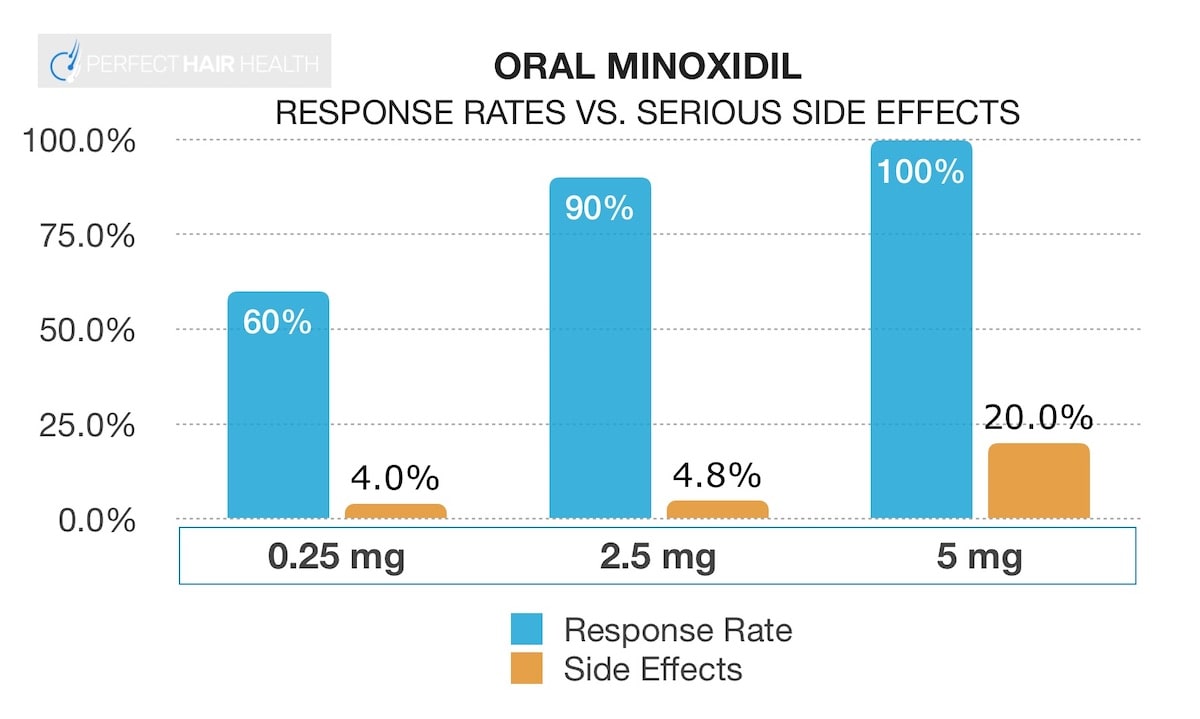
Figure 4: Comparison of response rate and side effects with increasing oral minoxidil dosage.
You can read more about the best oral minoxidil dosage for men in our article here.
#3: Dutasteride Formulations
In the formulation of medicines, you can’t simply mix ingredients and expect them to work the same way as they would alone.
You also have to consider how each ingredient is processed by the body, and what else might be needed to help this happen effectively. For example, caffeine is often added to tylenol to speed up its metabolism and allow pain relief to happen more quickly.
For a similar reason, dutasteride needs to be formulated with fats (lipids) because it doesn’t dissolve in water. Since the body is mostly water, a drug that doesn’t dissolve well may not be absorbed properly. That’s why dutasteride is typically provided as a soft-gel capsule with added lipids inside. The lipids help the body absorb dutasteride effectively.
However, some companies do not formulate dutasteride with lipids and instead compound dutasteride as a powder with other ingredients. This may reduce its absorption, and thus its effectiveness.
To sort the fact from the fiction, we ran a small test. In this test, a participant took 3 pills of 0.5 mg powdered dutasteride. We then checked their blood DHT levels 12 hours later to see if dutasteride had been systemically absorbed. Normally, we would expect to see an up to 90% reduction in DHT levels after taking 1 mg dutasteride.{{Gisleskog, P. O., Hermann, D., Hammarlund‐Udenaes, M., & Karlsson, M. O. (1998). A model for the turnover of dihydrotestosterone in the presence of the irreversible 5α‐reductase inhibitors GI198745 and finasteride. *Clinical Pharmacology & Therapeutics.* 64(6). 636–647. Available at: https://doi.org/10.1016/S0009-9236(98)90054-6}} However, we saw a reduction of only 13.6%.
This was just a small test, not a robust clinical trial, so we can’t make any strong conclusions. However, the results suggest that the preparation of DHT could matter.
Strut Health has formulated the HairfectRx Hair Capsules with Dutasteride in a liposomal (lipid) capsule, which they claim allows “for optimal intestinal absorption so the medications can really shine”. Based on the evidence so far, this claim rings true. However, whether compounding with the other ingredients, namely minoxidil and various nutrients (biotin and vitamins), could reduce efficacy is not currently known.
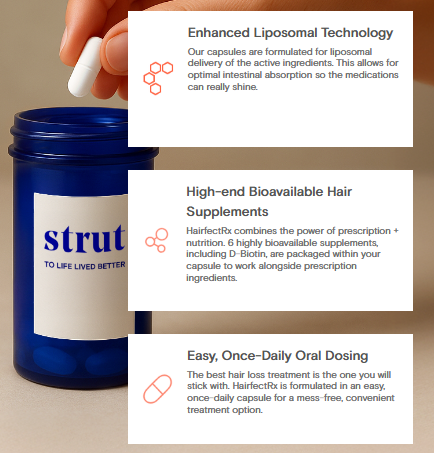
Figure 5: Promotion of the liposomal technology as part of the HairfectRx Hair Capsules with Dutasteride
#4: Flexibility in Delivery Method
Everyone is different. Different lifestyles, medical histories, skin sensitivities, age, sex, and severity of androgenic alopecia. All of these factors and more play into whether a treatment may or might not be suitable.
At Strut Health, most ingredients come in both oral and topical delivery methods, and a few of the topical products are available as a gel or solution. This is great because it allows prospective users to select the treatment that is best for them, and equally experiment with other delivery methods if one is not quite right for them. For example, some users might experience too much irritation using topical dutasteride, but tolerate oral dutasteride well.
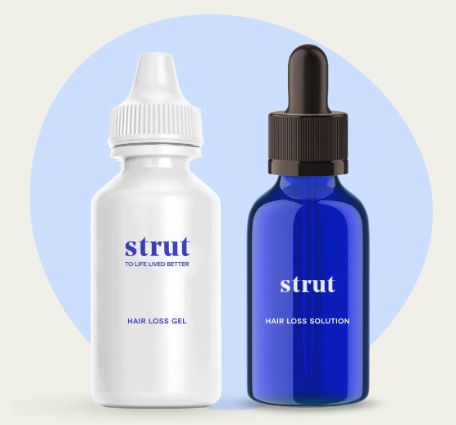
Figure 6: Strut Topical Formulations, available as a gel or solution
#5: Dosage Personalization
Strut Health states clearly on their website that “users need highly effective custom compound prescriptions to address their medical issues”. Strut Health has committed to that statement for some of its ingredients. These include:
- Topical minoxidil (available from 0.0% to 7.5%)
- Topical tretinoin (available from 0.0% to 0.0125%)
- Oral dutasteride (available from 0.1 to 0.6 mg)
This is a really important option for users, because when treatments aren’t having the desired outcome, or adverse reactions occur, the dosage can be personalized to maximize hair regrowth and safety. However, not all of Strut Health’s ingredients and treatment options have clear dosage flexibility, so those looking for complete customization may not be completely satisfied by Strut Health’s offerings.
What Does Real Personalization Look Like?
True customization and personalization in telehealth is where every ingredient and dosage can be chosen. Unfortunately, not many telehealth brands dabbling with hair loss treatments provide this flexibility, and that’s why we launched Ulo.
We wanted Ulo to be a solution to common problems found in the hair loss industry, where personalization, ingredient evidence, and patient safety are prioritized. With Ulo, we prioritize:
- Ingredients safe for long-term use – Ulo never incorporates harmful additives like latanoprost or corticosteroids
- Flexible dosages for all ingredients that can be increased or decreased to suit the needs of the patient
- Evidence-based formulations, where ingredients are compounded to ensure optimized effectiveness
- A diverse choice in oral and topical treatment options
- Ingredient-level customization for each product, allowing you to create a personalized treatment that best suits your goals
On top of this, we connect you with a board-certified physician, ensuring each user’s hair growth journey is safe and effective from the start. Doing things the Ulo way shows that omitting “trending” ingredients, providing full treatment flexibility, and prioritizing clinically-backed ingredients is the way forward to improving patient outcomes and safety one and the same.
Final thoughts
Strut Health offers one of the broader and more customizable hair loss lineups in telehealth. Their product range includes several science-backed ingredients, useful delivery options, and more dosing flexibility than many competitors.
At the same time, a few areas deserve closer attention. Certain ingredient choices, such as latanoprost and chronic corticosteroid inclusion, are harder to justify from an evidence or long-term safety standpoint. Inactive ingredient transparency could be stronger, and some key products still rely on fixed doses where more flexibility would likely improve tolerability and long-term use. Overall, however, Strut Health compares favorably with many telehealth brands, especially on breadth and customization.
Want help with your hair regrowth journey?
Get personalized support, product recommendations, video calls, and more from our researchers, trichologists, and PhD's dedicated to getting you the best possible outcomes.
Learn More
Cassie Hopton, PhD
Cassie is a multidisciplinary researcher with expertise spanning biochemistry, genetics, and microbiology. She completed a BSc in Biochemistry, including a year-long placement in cancer research, followed by an MScR focused on cyanobacterial genetics. She then earned a PhD in Microbiology at the University of Edinburgh, where her research examined the limits of bacterial survival in ammonia-rich environments.
"... Can’t thank @Rob (PHH) and @sanderson17 enough for allowing me to understand a bit what was going on with me and why all these [things were] happening ... "

 — RDB, 35, New York, U.S.A.
"... There is a lot improvement that I am seeing and my scalp feel alive nowadays... Thanks everyone. "

 — Aayush, 20’s, Boston, MA
"... I can say that my hair volume/thickness is about 30% more than it was when I first started."

 — Douglas, 50’s, Montréal, Canada
Want help with your hair regrowth journey?
Get personalized support, product recommendations, video calls, and more from our researchers, trichologists, and PhD's dedicated to getting you the best possible outcomes.
Join Now - Mission Statement