- About
- Mission Statement
Education. Evidence. Regrowth.
- Education.
Prioritize knowledge. Make better choices.
- Evidence.
Sort good studies from the bad.
- Regrowth.
Get bigger hair gains.
Team MembersPhD's, resarchers, & consumer advocates.
- Rob English
Founder, researcher, & consumer advocate
- Research Team
Our team of PhD’s, researchers, & more
Editorial PolicyDiscover how we conduct our research.
ContactHave questions? Contact us.
Before-Afters- Transformation Photos
Our library of before-after photos.
- — Jenna, 31, U.S.A.
I have attached my before and afters of my progress since joining this group...
- — Tom, 30, U.K.
I’m convinced I’ve recovered to probably the hairline I had 3 years ago. Super stoked…
- — Rabih, 30’s, U.S.A.
My friends actually told me, “Your hairline improved. Your hair looks thicker...
- — RDB, 35, New York, U.S.A.
I also feel my hair has a different texture to it now…
- — Aayush, 20’s, Boston, MA
Firstly thank you for your work in this field. I am immensely grateful that...
- — Ben M., U.S.A
I just wanted to thank you for all your research, for introducing me to this method...
- — Raul, 50, Spain
To be honest I am having fun with all this and I still don’t know how much...
- — Lisa, 52, U.S.
I see a massive amount of regrowth that is all less than about 8 cm long...
Client Testimonials150+ member experiences.
 Scroll DownPopular Treatments
- Treatments
Popular treatments. But do they work?
- Finasteride
- Oral
- Topical
- Dutasteride
- Oral
- Topical
- Mesotherapy
- Minoxidil
- Oral
- Topical
- Ketoconazole
- Shampoo
- Topical
- Low-Level Laser Therapy
- Therapy
- Microneedling
- Therapy
- Platelet-Rich Plasma Therapy (PRP)
- Therapy
- Scalp Massages
- Therapy
 More
More
IngredientsTop-selling ingredients, quantified.
- Saw Palmetto
- Redensyl
- Melatonin
- Caffeine
- Biotin
- Rosemary Oil
- Lilac Stem Cells
- Hydrolyzed Wheat Protein
- Sodium Lauryl Sulfate
 More
More
ProductsThe truth about hair loss "best sellers".
- Minoxidil Tablets
Xyon Health
- Finasteride
Strut Health
- Hair Growth Supplements
Happy Head
- REVITA Tablets for Hair Growth Support
DS Laboratories
- FoliGROWTH Ultimate Hair Neutraceutical
Advanced Trichology
- Enhance Hair Density Serum
Fully Vital
- Topical Finasteride and Minoxidil
Xyon Health
- HairOmega Foaming Hair Growth Serum
DrFormulas
- Bio-Cleansing Shampoo
Revivogen MD
- more
Key MetricsStandardized rubrics to evaluate all treatments.
- Evidence Quality
Is this treatment well studied?
- Regrowth Potential
How much regrowth can you expect?
- Long-Term Viability
Is this treatment safe & sustainable?
Free Research- Free Resources
Apps, tools, guides, freebies, & more.
- Free CalculatorTopical Finasteride Calculator
- Free Interactive GuideInteractive Guide: What Causes Hair Loss?
- Free ResourceFree Guide: Standardized Scalp Massages
- Free Course7-Day Hair Loss Email Course
- Free DatabaseIngredients Database
- Free Interactive GuideInteractive Guide: Hair Loss Disorders
- Free DatabaseTreatment Guides
- Free Lab TestsProduct Lab Tests: Purity & Potency
- Free Video & Write-upEvidence Quality Masterclass
- Free Interactive GuideDermatology Appointment Guide
- More
Articles100+ free articles.
-
Sublingual Minoxidil: More Hair Growth, Less Sides?
-
Happy Head Review: 5 Concerns With The Brand
-
Can a Blood DHT Test Tell You Whether You Have AGA?
-
ABS-201: Can Blocking the Prolactin Receptor Regrow Hair?
-
Best Topical Finasteride: 5 Top Products of 2026
-
Best Topical Dutasteride: 8 Choices for 2026
-
2.5mg Dutasteride: Before and After Photos [2026]
-
Best Minoxidil for Women: Top 7 Brands of 2026
PublicationsOur team’s peer-reviewed studies.
- Microneedling and Its Use in Hair Loss Disorders: A Systematic Review
- Use of Botulinum Toxin for Androgenic Alopecia: A Systematic Review
- Conflicting Reports Regarding the Histopathological Features of Androgenic Alopecia
- Self-Assessments of Standardized Scalp Massages for Androgenic Alopecia: Survey Results
- A Hypothetical Pathogenesis Model For Androgenic Alopecia:Clarifying The Dihydrotestosterone Paradox And Rate-Limiting Recovery Factors
Menu- AboutAbout
- Mission Statement
Education. Evidence. Regrowth.
- Team Members
PhD's, resarchers, & consumer advocates.
- Editorial Policy
Discover how we conduct our research.
- Contact
Have questions? Contact us.
- Before-Afters
Before-Afters- Transformation Photos
Our library of before-after photos.
- Client Testimonials
Read the experiences of members
Before-Afters/ Client Testimonials- Popular Treatments
-
ArticlesDoes Tirzepatide Cause Hair Loss?
First Published Jun 5 2026Last Updated Apr 5 2026Pharmaceutical Researched & Written By:Catherine Kennedy, PhD
 Reviewed By:Rob English, Medical Editor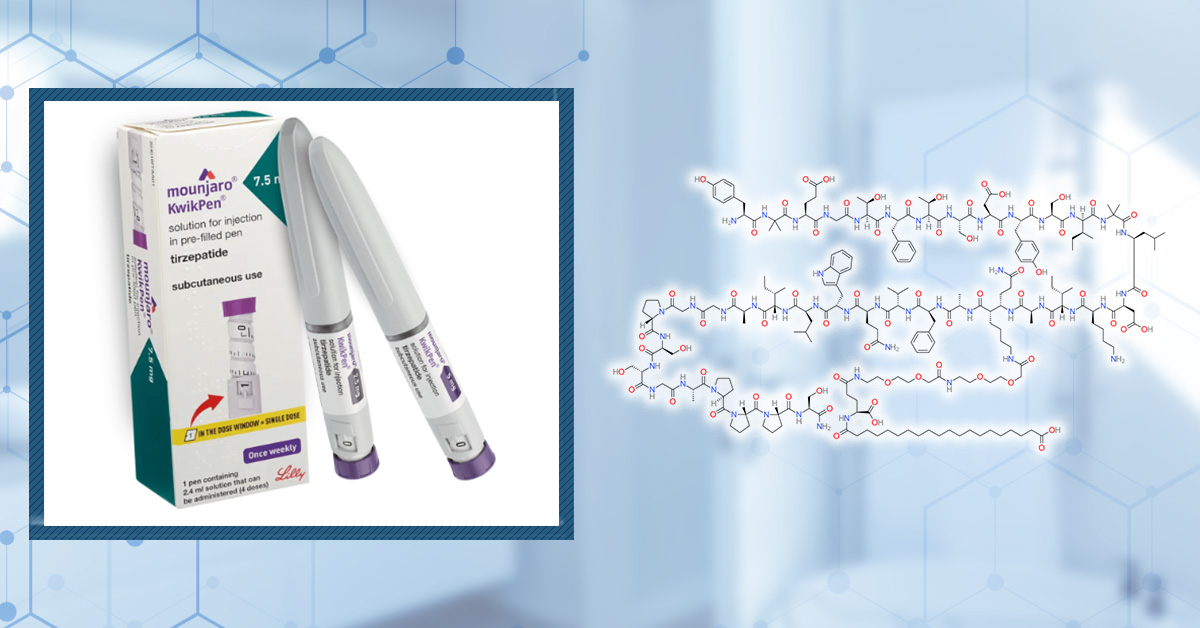
Want help with your hair regrowth journey?
Get personalized support, product recommendations, video calls, and more from our researchers, trichologists, and PhD's dedicated to getting you the best possible outcomes.
Learn MoreArticle Summary
GLP-1 drugs like tirzepatide are taking over weight loss and diabetes care – but rising reports of hair loss are causing concern. Is this a real side effect or online hype? This article dives into the latest evidence, unpacking what science actually says and why the answer may be more complex than it seems.
Full Article
GLP-1 agonists, including tirzepatide, are the new “it drugs”, rapidly gaining popularity over the last few years. While other GLP-1 agonists have previously held market dominance, tirzepatide has emerged as the most prescribed GLP-1 drug in the U.S in 2025.[1]Truveta Research, (2025), GLP-1 RA Prescription Trends: January 2018 – June 2025. Available at: https://www.truveta.com/blog/research/glp-1-ra-prescription-trends-january-2018-june-2025/ (Accessed: … Continue reading A survey completed in 2024 found that approximately one in eight adults had at some point used a GLP-1 agonist, with 6% taking the drugs at the time of the survey.[2]Montero, A., Sparks, G., Presiado, M., Hamel, L., (2024), KFF Health Tracking Poll May 2024: The Public’s Use And Views Of GLP-1 Drugs. Available at: … Continue reading Numbers are likely to have risen even further since then, with tens of millions of people having taken the drugs.
However, the many positive reports of weight loss and blood sugar control on taking GLP-1 agonists have been accompanied by increasing reports of side effects. Gastrointestinal problems are the most well-established side effect, but reports of hair loss are emerging on social media and internet forums. These alarming stories are becoming more prevalent, but are they actually true?
Interested in Topical Minoxidil?
High-strength topical minoxidil available, if prescribed*
Take the next step in your hair regrowth journey. Get started today with a provider who can prescribe a topical solution tailored for you.
*Only available in the U.S. Prescriptions not guaranteed. Restrictions apply. Off-label products are not endorsed by the FDA.
In this article, we have searched through the clinical literature to find out whether these claims are supported by the science. We will cover what tirzepatide is and how it works, evidence supporting hair loss claims, and potential hair loss mechanisms influenced by tirzepatide.
What is Tirzepatide?
Tirzepatide is the active drug molecule used in brand-name medications such as Mounjaro and Zepbound. Originally produced for use in type 2 diabetes, tirzapetide is now widely used both for diabetes treatment and weight loss. It involves a once-weekly injection.
Unlike Ozempic (the other main GLP-1 agonist drug), tirzepatide binds to two hormone receptors: glucagon-like peptide-1 (GLP-1) receptors and glucose-dependent insulinotropic polypeptide (GIP) receptors, making it a dual agonist.[3]Farzam, K., Patel, P. (2024). Tirzepatide. StatPearls. Available at: http://www.ncbi.nlm.nih.gov/books/NBK585056/ (Accessed: 16 March 2026)
Initial clinical trials with tirzepatide found that the drug successfully controlled type 2 diabetes while simultaneously resulting in significant weight loss in many users.[4]Coskun, T., Sloop, K.W., Loghin, C. (2018). LY3298176, A Novel Dual GIP And GLP-1 Receptor Agonist For The Treatment Of Type 2 Diabetes Mellitus: From Discovery To Clinical Proof Of Concept. … Continue reading Large-scale clinical trials further demonstrated the effectiveness of tirzepatide, showing an average of 15% weight loss by week 72 with 5 mg weekly injections.[5]Jastreboff, A.M., Aronne, L.J., Ahmad, N.N. (2022). Tirzepatide Once Weekly For The Treatment Of Obesity. New England Journal Of Medicine. 387(3). 205-216. Available at: … Continue reading
Tirzepatide is available either as Mounjaro (FDA-approved for the treatment of type 2 diabetes) or as Zepbound (FDA-approved for chronic weight management in obese adults). Other related GLP-1 agonists include Ozempic and Liraglutide, but these do not contain tirzepatide as their active ingredient, are not dual agonists, and use slightly different mechanisms.
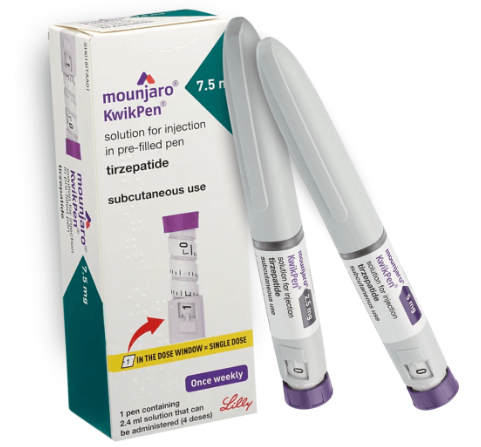
Figure 1. Tirzepatide is often sold as Mounjaro in the form of a pre-filled injection pen.
How Does Tirzepatide Work?
GLP-1 and GIP are both peptides found naturally within the body. They are released into the bloodstream in response to food consumption and act to increase insulin secretion, improving blood glucose levels.[6]Wolfe, M.M., Boylan, M.O., Chin, W.W. (2025). Glucose-Dependent Insulinotropic Polypeptide In Incretin Physiology: Role In Health And Disease. Endocrine Reviews. 46(4). 479-500. Available at: … Continue reading
Tirzepatide is a synthetic peptide with the ability to mimic natural GIP and GLP-1, resulting in the activation of their receptors. This results in a combined effect of:[7]Holst, J.J. (2007). The Physiology Of Glucagon-Like Peptide 1. Physiological Reviews. 87(4). 1409-1439. Available at: https://doi.org/10.1152/physrev.00034.2006,[8]Drucker, D.J. (2022). GLP-1 Physiology Informs The Pharmacotherapy Of Obesity. Molecular Metabolism. 57. 101351. Available at: https://doi.org/10.1016/j.molmet.2021.101351,[9]Jiang, Y., Zhu, H., Gong, F. (2024). Why Does GLP-1 Agonist Combined With GIP And/Or GCG Agonist Have Greater Weight Loss Effect Than GLP-1 Agonist Alone In Obese Adults Without Type 2 Diabetes? … Continue reading
- Increased insulin secretion after eating.
- Inhibited glucagon secretion to reduce spikes in blood sugar.
- Slowing stomach emptying to help people feel fuller for longer.
- Suppressed appetite, resulting in reduced food cravings and decreased calorie intake.
When both the GLP-1 and GIP receptors are stimulated, their effects are magnified further than the activation of only one receptor. As such, tirzepatide is thought to be more effective than semaglutide (Ozempic), both for blood sugar control and weight loss.[10]Frías, J.P., Davies, M.J., Rosenstock, J. (2021). Tirzepatide Versus Semaglutide Once Weekly In Patients With Type 2 Diabetes. New England Journal Of Medicine. 385(6). 503-515. Available at: … Continue reading,[11]Rodriguez, P.J., Goodwin Cartwright, B.M., Gratzl, S. (2024). Semaglutide Vs Tirzepatide For Weight Loss In Adults With Overweight Or Obesity. JAMA Internal Medicine. 184(9). 1056-1064. Available at: … Continue reading
Does Tirzepatide Cause Hair Loss?
Although tirzepatide and other GLP-1 agonists have been approved by the FDA, they have not been used by the general public for very long. As a result, the understanding of long-term effects and the comprehensive analysis of side effects remains limited. As the number of people using the drugs rapidly rises, reports of side effects are becoming more prominent.
The most common side effects are gastrointestinal, including nausea, vomiting, and abdominal pain.[12]Jastreboff, A.M., Aronne, L.J., Ahmad, N.N. (2022). Tirzepatide Once Weekly For The Treatment Of Obesity. New England Journal Of Medicine. 387(3). 205-216. Available at: … Continue reading A small number of GLP-1 agonist users may experience serious side effects, including pancreatitis, gallbladder disease, or kidney injury.
Stories of hair thinning and hair loss as a result of taking GLP-1 agonists are gaining traction on social media and forums (such as Reddit). But are these accurate, or are they simply anecdotal reports?
Clinical Evidence
The existing clinical data linking tirzepatide to hair loss are limited. Throughout the process of progressing a drug to the market, side effects are comprehensively assessed to ensure the safety of the product. These side effects are publicly reported, and enable researchers to decide whether the benefits of the drug outweigh the potential harm caused by side effects.
In early tirzepatide clinical trials assessing its efficacy for treating type 2 diabetes, gastrointestinal adverse events were often reported, but there were no reports of alopecia.[13]Frías, J.P., Davies, M.J., Rosenstock, J. (2021). Tirzepatide Versus Semaglutide Once Weekly In Patients With Type 2 Diabetes. New England Journal Of Medicine. 385(6). 503-515. Available at: … Continue reading However, some of the earliest trials using tirzepatide for obesity reported alopecia as an adverse event occurring within the tirzepatide treatment group. In one study, alopecia was reported in 5.1% of people taking 5 mg tirzepatide, compared to only 0.9% in the placebo group.[14]Jastreboff, A.M., Aronne, L.J., Ahmad, N.N. (2022). Tirzepatide Once Weekly For The Treatment Of Obesity. New England Journal Of Medicine. 387(3). 205-216. Available at: … Continue reading
The reason for this disparity is unclear, but it may be due to the diabetes trial being shorter (only 40 weeks compared to 72 weeks for the obesity trial) or due to less stringent adverse event reporting.
With the approval of tirzepatide for weight loss, the use of this drug saw a rapid rise. However, this coincided with increasing reports of hair loss, leading to the FDA issuing a warning in 2023 that GLP-1 receptor agonists (such as tizepatide) may increase the risk of alopecia.[15]Center for Drug Evaluation and Research, (2024), July – September 2023 | Potential Signals Of Serious Risks/New Safety Information Identified By The FDA Adverse Event Reporting System (FAERS). … Continue reading A small number of studies have investigated the link between tirzepatide and hair loss further.
Study #1
This study was conducted using the FDA Adverse Event Reporting System (FAERS), which collects reports of adverse drug events from consumers (i.e., the people taking the drug) and healthcare professionals. The study was published in 2025, but reported data from 2022-2023.[16]Godfrey, H., Leibovit-Reiben, Z., Jedlowski, P., Thiede, R. (2025). Alopecia Associated With The Use Of Semaglutide And Tirzepatide: A Disproportionality Analysis Using The FDA Adverse Event … Continue reading
The researchers searched through the FAERS database to identify cases of alopecia linked to GLP-1 and GLP-1/GIP agonists. Within the time period assessed, 179 reports of alopecia were reported for tirzapetide, 199 reports for semaglutide (Ozempic), and fewer reports for other GLP-1 receptor agonists (GLP-1 RAs).
The researchers then carried out a statistical test on this data to assess whether alopecia was reported more often in people taking the GLP-1 RA than would normally occur in the FAERS database as a whole (this is known as a disproportionality analysis).
They found that tirzapetide and semaglutide showed an increase in reporting odds, so alopecia was reported more often in people taking either of these GLP-1 RAs than would be expected in the whole FAERS population.
This report highlighted the possibility of an association between tirzepatide and hair loss, but how much can we read into these results?
A few limitations exist within this study, which constrain our ability to make bold claims about tirzepatide and alopecia. These include:
- The methodology of this study and the disproportionality analysis used cannot prove a causal relationship.
- FAERS only uses voluntary reporting of adverse events, meaning that the data can be skewed by a heightened awareness of potential side effects (such as through attention in the news or reports on social media).
- 84% of the reports of alopecia made to FAERS were from consumers, and only 16% were from healthcare professionals, making it likely that users were self-diagnosing and had not received a clinician-confirmed report of alopecia.
- The type of hair loss was not reported.
Therefore, while this report contributes evidence supporting the association between tirzepatide and hair loss, it does not prove the connection. Additional studies must be carried out to determine whether tirzepatide (or other GLP-1 RAs) is directly causing hair loss.
Study #2
This study was conducted using a retrospective analysis of patients on GLP-1 RAs who had visited a dermatology department between 2021 and 2023. This consisted of 283 patients total, and used a real-world setting to assess reports of alopecia in GLP-1 RA users.[17]Burke, O., Sa, B., Alvarez Cespedes, D., Sechi, A., & Tosti, A. (2025). Glucagon-like peptide-1 receptor agonist medications and hair loss: a retrospective cohort study. Journal of the American … Continue reading
Of the 283 patients on GLP-1 RAs who visited the dermatology clinic, the majority did not have hair loss (84.1%), but 35 presented with hair loss. Of these, only three (1.2%) were experiencing new hair loss (with no previous reports of hair loss). This is approximately in line with the rate that would be expected in the population as a whole over two years, so does not demonstrate any specific effects of GLP-1 RAs on new hair loss.
The results are more convincing for those with preexisting hair loss; of the 32 people presenting with preexisting hair loss (13%), 90% reported that their hair loss had worsened since using GLP-1 RA drugs. However, male pattern hair loss is a progressive condition, meaning that hair loss continues to worsen over time. The design of this trial (being retrospective) makes it impossible to distinguish between the effects that the drugs may be having on hair loss and the normal rate of hair loss that occurs with male pattern baldness.
Further analysis of the results from this trial failed to demonstrate any significant associations between GLP-1 RAs and hair loss, although a borderline significant value was found linking tirzepatide and a specific type of hair loss known as telogen effluvium, suggesting a potential contribution of tirzepatide to this condition.
While this study highlights a potential association between tirzepatide and hair loss, again, there are several limitations to the study, including:
- The work was retrospective, putting it at risk of selection bias, confounding variables, and missing data.
- There was no control group, meaning that a cause-and-effect relationship cannot be assessed, and it is not possible to separate the normal rate of hair loss from drug-induced hair loss.
- The length of time that patients were on GLP-1 RA medication was not recorded.
- There was no official alopecia diagnosis based on objective measures; instead, self-reported patient data was used.
Similar to the first study, a connection between tirzepatide and hair loss is possible based on the results of this work, but it cannot be conclusively proven.
Study #3
Another retrospective analysis study was carried out, this time using the TriNetX database. This is a data network of healthcare organizations around the world that pools patient data from anonymized electronic health records. It is a very large database, meaning that this study was able to look at the data of over 360,000 patients, of which ~60% had been prescribed GLP-1 RAs.[18]Neubauer, Z., Ong, M.M., Singal, A., Lipner, S.R. (2025). Increased Risk Of Telogen Effluvium With Tirzepatide Compared To Other Weight Loss Medications: A Retrospective Cohort TriNetX Database … Continue reading
This study was specifically investigating a type of hair loss known as telogen effluvium, not any other types of hair loss (such as male pattern baldness). Tirzepatide-treated patients were shown to have an increased risk of telogen effluvium, whereas other GLP-1 RAs did not show increased risk. The authors suggested that this was due to the superior weight loss effects of tirzepatide.
Again, this work suggests a link between tirzepatide and hair loss, but due to its retrospective nature, a cause-and-effect relationship cannot be established.
Study #4
This study was also conducted using the TriNetX database. They carried out two analyses, one of which was specifically using the TriNetX U.S. database (consisting only of healthcare organizations in the U.S.), and the second was a worldwide analysis. Similarly to the previous study, due to the large sizes of these databases, they were able to get over 500,000 matched patients in the U.S. analysis and over 600,000 in the worldwide analysis.[19]Herrera, H.O., Bordeaux, J.S. (2026). Risk Of New-Onset Hair Loss With Semaglutide And Tirzepatide: A TriNetX Cohort Study. Journal Of The American Academy Of Dermatology. 0(0). Available at: … Continue reading
The researchers found that the use of tirzapetide and semaglutide was associated with an increased risk of hair loss, including androgenic alopecia and telogen effluvium. While promising, this study was limited by the lack of information on hair loss severity, the lack of an official hair loss diagnosis using imaging techniques, and its retrospective nature.
How Might Tirzepatide Contribute to Hair Loss?
While evidence is growing supporting an association between tirzepatide (and other GLP-1 RAs) and hair loss, the exact mechanisms through which this occurs are essentially all speculation at this point. They include:
Direct Effects on the Hair Cycle
It is possible that tirzepatide may directly influence the hair growth cycle. GLP-1 receptors have been found to be localized around hair follicles in the skin, although this has only been demonstrated in research animals so far. In one study, GLP-1 was shown to activate a signaling pathway in skin cells, leading to cell proliferation.[20]List, J.F., He, H., Habener, J.F. (2006). Glucagon-Like Peptide-1 Receptor And Proglucagon Expression In Mouse Skin. Regulatory Peptides. 134(2). 149-157. Available at: … Continue reading This could have an impact on hair growth; however, this has not been proven in any animal or human studies so far.
Tirzepatide may also disrupt metabolic and hormonal signalling pathways involved in the hair cycle, such as the insulin/insulin-like growth factor-1 (IGF-1) pathway. Interference with such pathways may play a role in accelerating follicle shrinkage, the key mechanism in the development of AGA. This could then accelerate the onset or progression of hair loss in those predisposed to AGA.
Telogen Effluvium
Tirzepatide has been linked to hair loss in general, but has been specifically associated with telogen effluvium. Telogen effluvium is a form of alopecia where a physiological stress can cause excessive, diffuse shedding (i.e., hairs across the whole scalp are affected, not only those in certain areas).
The hair growth cycle consists of several phases, including anagen (the growth phase) and telogen (the resting phase). In a healthy scalp, approximately 85% of all of the hair on the head is in anagen, and 15% is in telogen.[21]Hughes, E.C., Syed, H.A., Saleh, D., (2025), Telogen Effluvium. Available at: http://www.ncbi.nlm.nih.gov/books/NBK430848/ (Accessed: 16 March 2026)
When exposed to a physiological stress, many hairs abruptly and prematurely switch from anagen to telogen. Hair growth of these hairs ceases, and approximately three months later, the hairs are shed.
Physiological triggers can include metabolic stress from rapid weight loss. Telogen effluvium has been shown to occur in response to multiple causes of weight loss, including crash dieting and bariatric surgery.[22]Kang, D.H., Kwon, S.H., Sim, W.Y., Lew, B.L. (2024). Telogen Effluvium Associated With Weight Loss: A Single Center Retrospective Study. Annals Of Dermatology. 36(6). 384-388. Available at: … Continue reading,[23]Zhang, W., Fan, M., Wang, C. (2021). Hair Loss After Metabolic And Bariatric Surgery: A Systematic Review And Meta-Analysis. Obesity Surgery. 31(6). 2649-2659. Available at: … Continue reading
Tirzepatide causes rapid weight loss in many users, with patients seeing as much as 25% weight reduction within 88 weeks.[24]Aronne, L.J., Sattar, N., Horn, D.B. (2023). Continued Treatment With Tirzepatide For Maintenance Of Weight Reduction In Adults With Obesity: The SURMOUNT-4 Randomized Clinical Trial. JAMA. 331(1). … Continue reading This rapid weight loss and metabolic stress from long-term calorie deficit may be the root-cause of the hair loss seen in many individuals taking tirzepatide.
While other GLP-1 RAs may also result in telogen effluvium, the additional weight loss thought to occur with tirzepatide may explain why tirzepatide in particular has been associated with telogen effluvium.
Telogen effluvium is a reversible condition in the majority of cases. As such, the removal of the physiological stressor (i.e., the sudden, rapid weight loss) will slow hair shedding, and hair will return to its original density.
Nutritional Deficiencies
GLP-1 RAs cause a reduction in appetite and cravings, resulting in a notable decrease in the amount of food eaten. As a result, people on these medications must carefully plan their diet to ensure that they are taking in all of the vitamins and minerals that are essential for normal bodily function and remaining healthy. In addition, they must ensure that sufficient protein is being consumed to retain muscle mass.[25]Ida, S., Kaneko, R., Imataka, K. (2021). Effects Of Antidiabetic Drugs On Muscle Mass In Type 2 Diabetes Mellitus. Current Diabetes Reviews. 17(3). 293-303. Available at: … Continue reading
One study investigating nutrient intake in GLP-1 RA users found that they were significantly under the recommended daily intake for several important nutrients, including vitamin B2, vitamin D, and iron.[26]Johnson, B., Milstead, M., Thomas, O. (2025). Investigating Nutrient Intake During Use Of Glucagon-Like Peptide-1 Receptor Agonist: A Cross-Sectional Study. Frontiers In Nutrition. 12. 1566498. … Continue reading
Severe deficiencies in several nutrients have been implicated in hair loss, including vitamin D, iron, and vitamin B2.[27]Almohanna, H.M., Ahmed, A.A., Tsatalis, J.P., Tosti, A. (2018). The Role of Vitamins And Minerals In Hair Loss: A Review. Dermatology And Therapy. 9(1). 51-70. Available at: … Continue reading This may be contributing to hair loss seen on GLP-1 RA use, but more research is needed to provide direct evidence for this.
Telogen Effluvium vs Androgenetic Alopecia
The existing evidence for tirzepatide-induced hair loss is limited; however, the small amount of evidence available indicates that tirzepatide may be influencing telogen effluvium and AGA. Both of these hair loss mechanisms have overlapping symptoms, so if you are experiencing hair loss, how can you tell the difference?
- Telogen effluvium occurs fairly quickly, about 3 months after a trigger (such as rapid weight loss). AGA occurs gradually over many years.
- The hairs shed via telogen effluvium look like normal hairs, with a standard hair shaft thickness. Hairs shed via AGA are often thinner, vellus-like hairs due to the miniaturization of the hair follicle altering the hair structure.
- Telogen effluvium causes hair shedding and reduced hair density across the whole scalp (diffuse shedding). AGA hair loss happens in a particular pattern, commonly a receding hairline and bald patch at the crown of the head.
It is possible that users of tirzepatide may experience either AGA or telogen effluvium, neither, or both simultaneously. The diffuse shedding of telogen effluvium may make AGA more obvious, and so it may seem that AGA has occurred very suddenly, when in fact it has been gradually progressing since before taking tirzepatide.
Should You Be Concerned?
If you have not experienced hair loss in the past, then there is probably little reason to be concerned.
The existing evidence so far suggests that people who have not previously experienced hair loss are unlikely to see a sudden onset of hair loss in response to taking tirzepatide. It is possible that rapid weight loss may trigger telogen effluvium, but this is often only temporary, and full hair density will be restored once the physiological trigger is removed.
If you have AGA, then you may be slightly more concerned. The studies carried out so far have shown a worsening of existing hair loss in some people taking tirzepatide. However, no placebo-controlled trials investigating this have been carried out, meaning that the effects seen may just be the natural progression of AGA over time.
Rapid weight loss-induced telogen effluvium may reveal AGA hair thinning that was previously unnoticed. As such, people with a genetic predisposition to AGA and with the early signs of it may suddenly appear to have experienced a dramatic loss of hair, when in actual fact this had been slowly progressing for years and has only now become noticeable.
If you are starting on tirzepatide:
- Avoid extreme calorie restriction.
- Ensure that you are taking in sufficient nutrients, including protein, vitamins, and minerals.
- Monitor your hair from the start, noting if you already have thinning areas, and tracking hair shedding (particularly considering the timing, as this could indicate telogen effluvium).
- If you already have AGA or know that you are likely predisposed to AGA, consider addressing hair loss early, such as through the use of hair loss treatments.
Hair loss treatments can be safely used alongside weight-loss treatments to reduce visible hair loss, maintain hair density, and give you peace of mind. Topical minoxidil, finasteride, and dutasteride are all viable options for encouraging hair growth. You should discuss with your provider which of these is most appropriate for you, as some may have additional safety concerns.
FAQs
Q: Does Mounjaro Cause Hair Loss?
A: Mounjaro is the brand name for tirzepatide. The data discussed in this article will apply to both Mounjaro and tirzepatide.
Q: Does Zepbound Cause Hair Loss?
A: Zepbound is another brand name for tirzepatide, and so the data discussed in this article can apply to Zepbound as well as tirzepatide.
Q: If I notice hair thinning while taking tirzepatide, what should I do?
A: You should monitor your hair shedding and speak to your doctor. You may be able to start on hair loss treatments alongside tirzepatide to reduce hair loss.
Q: If I lose weight quickly, will I experience hair loss?
Tirzepatide often causes rapid weight loss, potentially even more dramatic than that seen with Ozempic. Rapid weight loss may result in telogen effluvium and temporary hair shedding.
Final Thoughts
Tirzepatide and other GLP-1 RAs provide significant benefits for weight loss and type 2 diabetes treatment, but concerns about side effects – including hair loss – are still under investigation. The evidence so far does not prove a direct causal link between tirzepatide and hair loss, but there is a degree of evidence supporting the association, particularly in those genetically predisposed to male pattern hair loss.
Shedding may be temporary and linked to rapid weight loss-induced telogen effluvium; the extreme weight loss seen on tirzepatide treatment compared to other GLP-1 RAs may further implicate it in this mechanism of hair loss. Nutrient deficiencies and the natural progression of AGA are also likely mechanisms.
More long-term research into the side effects of tirzepatine is needed for definite conclusions to be drawn, but for the time being, the benefits of tirzepatide appear to outweigh the potential risk of hair loss.
References[+]
References ↑1 Truveta Research, (2025), GLP-1 RA Prescription Trends: January 2018 – June 2025. Available at: https://www.truveta.com/blog/research/glp-1-ra-prescription-trends-january-2018-june-2025/ (Accessed: 13 March 2026) ↑2 Montero, A., Sparks, G., Presiado, M., Hamel, L., (2024), KFF Health Tracking Poll May 2024: The Public’s Use And Views Of GLP-1 Drugs. Available at: https://www.kff.org/health-costs/kff-health-tracking-poll-may-2024-the-publics-use-and-views-of-glp-1-drugs/ (Accessed: 27 February 2026) ↑3 Farzam, K., Patel, P. (2024). Tirzepatide. StatPearls. Available at: http://www.ncbi.nlm.nih.gov/books/NBK585056/ (Accessed: 16 March 2026) ↑4 Coskun, T., Sloop, K.W., Loghin, C. (2018). LY3298176, A Novel Dual GIP And GLP-1 Receptor Agonist For The Treatment Of Type 2 Diabetes Mellitus: From Discovery To Clinical Proof Of Concept. Molecular Metabolism. 18. 3-14. Available at: https://doi.org/10.1016/j.molmet.2018.09.009 ↑5, ↑12, ↑14 Jastreboff, A.M., Aronne, L.J., Ahmad, N.N. (2022). Tirzepatide Once Weekly For The Treatment Of Obesity. New England Journal Of Medicine. 387(3). 205-216. Available at: https://doi.org/10.1056/NEJMoa2206038 ↑6 Wolfe, M.M., Boylan, M.O., Chin, W.W. (2025). Glucose-Dependent Insulinotropic Polypeptide In Incretin Physiology: Role In Health And Disease. Endocrine Reviews. 46(4). 479-500. Available at: https://doi.org/10.1210/endrev/bnaf006 ↑7 Holst, J.J. (2007). The Physiology Of Glucagon-Like Peptide 1. Physiological Reviews. 87(4). 1409-1439. Available at: https://doi.org/10.1152/physrev.00034.2006 ↑8 Drucker, D.J. (2022). GLP-1 Physiology Informs The Pharmacotherapy Of Obesity. Molecular Metabolism. 57. 101351. Available at: https://doi.org/10.1016/j.molmet.2021.101351 ↑9 Jiang, Y., Zhu, H., Gong, F. (2024). Why Does GLP-1 Agonist Combined With GIP And/Or GCG Agonist Have Greater Weight Loss Effect Than GLP-1 Agonist Alone In Obese Adults Without Type 2 Diabetes? Diabetes, Obesity And Metabolism. 27(3). 1079-1095. Available at: https://doi.org/10.1111/dom.16106 ↑10, ↑13 Frías, J.P., Davies, M.J., Rosenstock, J. (2021). Tirzepatide Versus Semaglutide Once Weekly In Patients With Type 2 Diabetes. New England Journal Of Medicine. 385(6). 503-515. Available at: https://doi.org/10.1056/NEJMoa2107519 ↑11 Rodriguez, P.J., Goodwin Cartwright, B.M., Gratzl, S. (2024). Semaglutide Vs Tirzepatide For Weight Loss In Adults With Overweight Or Obesity. JAMA Internal Medicine. 184(9). 1056-1064. Available at: https://doi.org/10.1001/jamainternmed.2024.2525 ↑15 Center for Drug Evaluation and Research, (2024), July – September 2023 | Potential Signals Of Serious Risks/New Safety Information Identified By The FDA Adverse Event Reporting System (FAERS). Available at: https://www.fda.gov/drugs/fda-adverse-event-monitoring-system-aems/july-september-2023-potential-signals-serious-risksnew-safety-information-identified-fda-adverse (Accessed: 16 March 2026) ↑16 Godfrey, H., Leibovit-Reiben, Z., Jedlowski, P., Thiede, R. (2025). Alopecia Associated With The Use Of Semaglutide And Tirzepatide: A Disproportionality Analysis Using The FDA Adverse Event Reporting System (FAERS) From 2022 To 2023. Journal Of The European Academy Of Dermatology And Venereology. 39(2). e153. Available at: https://doi.org/10.1111/jdv.20197 ↑17 Burke, O., Sa, B., Alvarez Cespedes, D., Sechi, A., & Tosti, A. (2025). Glucagon-like peptide-1 receptor agonist medications and hair loss: a retrospective cohort study. Journal of the American Academy of Dermatology. 92(5). 1141–1143. Available at: https://doi.org/10.1016/j.jaad.2025.01.046 ↑18 Neubauer, Z., Ong, M.M., Singal, A., Lipner, S.R. (2025). Increased Risk Of Telogen Effluvium With Tirzepatide Compared To Other Weight Loss Medications: A Retrospective Cohort TriNetX Database Study. Journal Of The American Academy Of Dermatology. 93(6). 1612-1614. Available at: https://doi.org/10.1016/j.jaad.2025.08.033 ↑19 Herrera, H.O., Bordeaux, J.S. (2026). Risk Of New-Onset Hair Loss With Semaglutide And Tirzepatide: A TriNetX Cohort Study. Journal Of The American Academy Of Dermatology. 0(0). Available at: https://doi.org/10.1016/j.jaad.2026.02.042 ↑20 List, J.F., He, H., Habener, J.F. (2006). Glucagon-Like Peptide-1 Receptor And Proglucagon Expression In Mouse Skin. Regulatory Peptides. 134(2). 149-157. Available at: https://pubmed.ncbi.nlm.nih.gov/16631262/ ↑21 Hughes, E.C., Syed, H.A., Saleh, D., (2025), Telogen Effluvium. Available at: http://www.ncbi.nlm.nih.gov/books/NBK430848/ (Accessed: 16 March 2026) ↑22 Kang, D.H., Kwon, S.H., Sim, W.Y., Lew, B.L. (2024). Telogen Effluvium Associated With Weight Loss: A Single Center Retrospective Study. Annals Of Dermatology. 36(6). 384-388. Available at: https://doi.org/10.5021/ad.24.043 ↑23 Zhang, W., Fan, M., Wang, C. (2021). Hair Loss After Metabolic And Bariatric Surgery: A Systematic Review And Meta-Analysis. Obesity Surgery. 31(6). 2649-2659. Available at: https://doi.org/10.1007/s11695-021-05311-2 ↑24 Aronne, L.J., Sattar, N., Horn, D.B. (2023). Continued Treatment With Tirzepatide For Maintenance Of Weight Reduction In Adults With Obesity: The SURMOUNT-4 Randomized Clinical Trial. JAMA. 331(1). 38-48. Available at: https://doi.org/10.1001/jama.2023.24945 ↑25 Ida, S., Kaneko, R., Imataka, K. (2021). Effects Of Antidiabetic Drugs On Muscle Mass In Type 2 Diabetes Mellitus. Current Diabetes Reviews. 17(3). 293-303. Available at: https://doi.org/10.2174/1573399816666200705210006 ↑26 Johnson, B., Milstead, M., Thomas, O. (2025). Investigating Nutrient Intake During Use Of Glucagon-Like Peptide-1 Receptor Agonist: A Cross-Sectional Study. Frontiers In Nutrition. 12. 1566498. Available at: https://doi.org/10.3389/fnut.2025.1566498 ↑27 Almohanna, H.M., Ahmed, A.A., Tsatalis, J.P., Tosti, A. (2018). The Role of Vitamins And Minerals In Hair Loss: A Review. Dermatology And Therapy. 9(1). 51-70. Available at: https://doi.org/10.1007/s13555-018-0278-6 Want help with your hair regrowth journey?
Get personalized support, product recommendations, video calls, and more from our researchers, trichologists, and PhD's dedicated to getting you the best possible outcomes.
Learn More
Catherine Kennedy, PhD
Catherine is a scientist and researcher with a background in biosciences and clinical neuroscience. She completed an integrated master’s degree in Biosciences (MBiol) before earning a PhD in Clinical Neurosciences at the University of Cambridge. Throughout her career, she has contributed to the scientific literature through the publication of numerous peer-reviewed research papers.
"... Can’t thank @Rob (PHH) and @sanderson17 enough for allowing me to understand a bit what was going on with me and why all these [things were] happening ... "

 — RDB, 35, New York, U.S.A.
"... There is a lot improvement that I am seeing and my scalp feel alive nowadays... Thanks everyone. "

 — Aayush, 20’s, Boston, MA
"... I can say that my hair volume/thickness is about 30% more than it was when I first started."

 — Douglas, 50’s, Montréal, Canada
Want help with your hair regrowth journey?
Get personalized support, product recommendations, video calls, and more from our researchers, trichologists, and PhD's dedicated to getting you the best possible outcomes.
Join Now - Mission Statement