- About
- Mission Statement
Education. Evidence. Regrowth.
- Education.
Prioritize knowledge. Make better choices.
- Evidence.
Sort good studies from the bad.
- Regrowth.
Get bigger hair gains.
Team MembersPhD's, resarchers, & consumer advocates.
- Rob English
Founder, researcher, & consumer advocate
- Research Team
Our team of PhD’s, researchers, & more
Editorial PolicyDiscover how we conduct our research.
ContactHave questions? Contact us.
Before-Afters- Transformation Photos
Our library of before-after photos.
- — Jenna, 31, U.S.A.
I have attached my before and afters of my progress since joining this group...
- — Tom, 30, U.K.
I’m convinced I’ve recovered to probably the hairline I had 3 years ago. Super stoked…
- — Rabih, 30’s, U.S.A.
My friends actually told me, “Your hairline improved. Your hair looks thicker...
- — RDB, 35, New York, U.S.A.
I also feel my hair has a different texture to it now…
- — Aayush, 20’s, Boston, MA
Firstly thank you for your work in this field. I am immensely grateful that...
- — Ben M., U.S.A
I just wanted to thank you for all your research, for introducing me to this method...
- — Raul, 50, Spain
To be honest I am having fun with all this and I still don’t know how much...
- — Lisa, 52, U.S.
I see a massive amount of regrowth that is all less than about 8 cm long...
Client Testimonials150+ member experiences.
 Scroll DownPopular Treatments
- Treatments
Popular treatments. But do they work?
- Finasteride
- Oral
- Topical
- Dutasteride
- Oral
- Topical
- Mesotherapy
- Minoxidil
- Oral
- Topical
- Ketoconazole
- Shampoo
- Topical
- Low-Level Laser Therapy
- Therapy
- Microneedling
- Therapy
- Platelet-Rich Plasma Therapy (PRP)
- Therapy
- Scalp Massages
- Therapy
 More
More
IngredientsTop-selling ingredients, quantified.
- Saw Palmetto
- Redensyl
- Melatonin
- Caffeine
- Biotin
- Rosemary Oil
- Lilac Stem Cells
- Hydrolyzed Wheat Protein
- Sodium Lauryl Sulfate
 More
More
ProductsThe truth about hair loss "best sellers".
- Minoxidil Tablets
Xyon Health
- Finasteride
Strut Health
- Hair Growth Supplements
Happy Head
- REVITA Tablets for Hair Growth Support
DS Laboratories
- FoliGROWTH Ultimate Hair Neutraceutical
Advanced Trichology
- Enhance Hair Density Serum
Fully Vital
- Topical Finasteride and Minoxidil
Xyon Health
- HairOmega Foaming Hair Growth Serum
DrFormulas
- Bio-Cleansing Shampoo
Revivogen MD
- more
Key MetricsStandardized rubrics to evaluate all treatments.
- Evidence Quality
Is this treatment well studied?
- Regrowth Potential
How much regrowth can you expect?
- Long-Term Viability
Is this treatment safe & sustainable?
Free Research- Free Resources
Apps, tools, guides, freebies, & more.
- Free CalculatorTopical Finasteride Calculator
- Free Interactive GuideInteractive Guide: What Causes Hair Loss?
- Free ResourceFree Guide: Standardized Scalp Massages
- Free Course7-Day Hair Loss Email Course
- Free DatabaseIngredients Database
- Free Interactive GuideInteractive Guide: Hair Loss Disorders
- Free DatabaseTreatment Guides
- Free Lab TestsProduct Lab Tests: Purity & Potency
- Free Video & Write-upEvidence Quality Masterclass
- Free Interactive GuideDermatology Appointment Guide
- More
Articles100+ free articles.
-
Sublingual Minoxidil: More Hair Growth, Less Sides?
-
Can a Blood DHT Test Tell You Whether You Have AGA?
-
ABS-201: Can Blocking the Prolactin Receptor Regrow Hair?
-
Best Topical Finasteride: 5 Top Products of 2026
-
Best Topical Dutasteride: 8 Choices for 2026
-
2.5mg Dutasteride: Before and After Photos [2026]
-
Best Minoxidil for Women: Top 7 Brands of 2026
-
Pumpkin Seed Oil for Hair Growth: Before and After Photos
PublicationsOur team’s peer-reviewed studies.
- Microneedling and Its Use in Hair Loss Disorders: A Systematic Review
- Use of Botulinum Toxin for Androgenic Alopecia: A Systematic Review
- Conflicting Reports Regarding the Histopathological Features of Androgenic Alopecia
- Self-Assessments of Standardized Scalp Massages for Androgenic Alopecia: Survey Results
- A Hypothetical Pathogenesis Model For Androgenic Alopecia:Clarifying The Dihydrotestosterone Paradox And Rate-Limiting Recovery Factors
Menu- AboutAbout
- Mission Statement
Education. Evidence. Regrowth.
- Team Members
PhD's, resarchers, & consumer advocates.
- Editorial Policy
Discover how we conduct our research.
- Contact
Have questions? Contact us.
- Before-Afters
Before-Afters- Transformation Photos
Our library of before-after photos.
- Client Testimonials
Read the experiences of members
Before-Afters/ Client Testimonials- Popular Treatments
-
ArticlesDoes Semaglutide Cause Hair Loss?
First Published May 22 2026Last Updated Apr 5 2026Pharmaceutical Researched & Written By:Cassie Hopton, PhD
 Reviewed By:Rob English, Medical Editor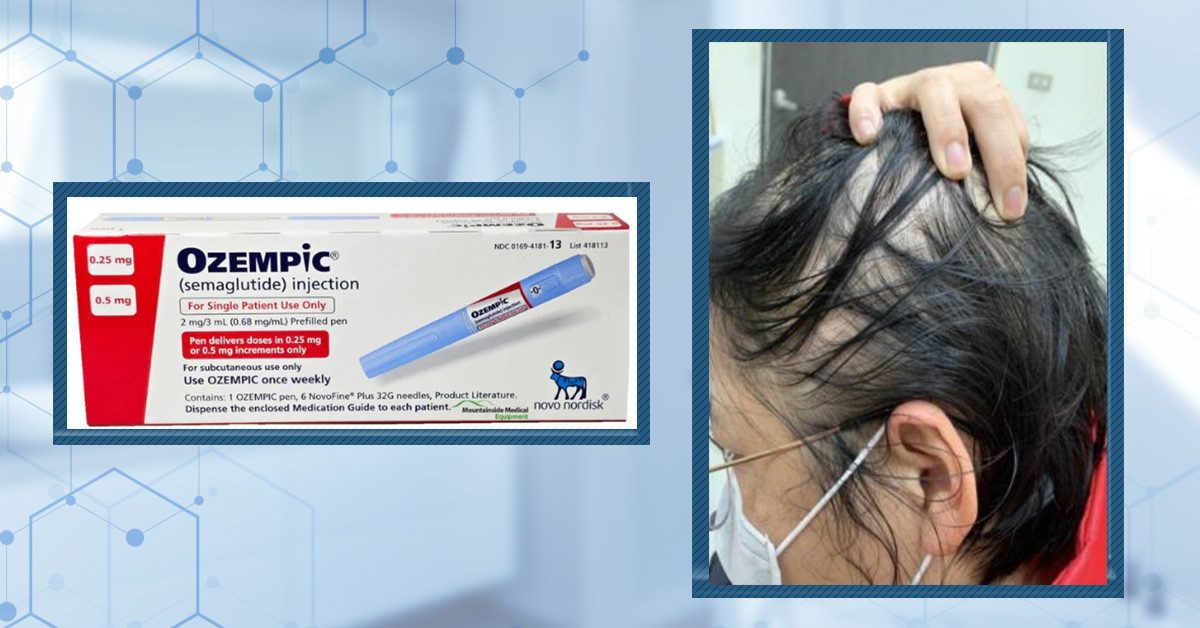
Want help with your hair regrowth journey?
Get personalized support, product recommendations, video calls, and more from our researchers, trichologists, and PhD's dedicated to getting you the best possible outcomes.
Learn MoreArticle Summary
GLP-1 medications like semaglutide have transformed obesity and diabetes treatment, helping millions lose weight and improve metabolic health. But some users report an unexpected side effect: hair shedding. Is semaglutide actually responsible? In this article, we explore the scientific evidence, the types of hair loss reported during treatment, and the biological mechanisms that might explain the connection, separating what research supports from what remains uncertain.
Full Article
Over the past several years, GLP-1 receptor agonist medications have rapidly transformed the treatment of obesity, insulin resistance, and type 2 diabetes. Drugs like semaglutide are now widely prescribed because they can produce meaningful weight loss while also improving metabolic health.
But as the number of users has increased, so have reports of potential side effects. Beyond commonly documented symptoms of nausea, vomiting, and digestive discomfort, many patients have started reporting something less expected – hair shedding during treatment.
Online forums and social media have multiple anecdotes from individuals who say their hair began thinning shortly after starting semaglutide. Others report that previously stable hair loss worsened during therapy.
This raises the question: Does semaglutide actually cause hair loss? At present, the scientific evidence does not provide a simple answer. Some data suggest a possible association between GLP-1 medications and hair loss, but none of the available studies demonstrate a clear cause-and-effect relationship.
In this article, we’ll examine the evidence in detail. We’ll review what semaglutide is, how it works, and the types of hair loss that may occur during treatment. We’ll also go through the scientific evidence so far and discuss the biological mechanisms that might explain the association between semaglutide and hair loss. With this, we hope to inform those interested in GLP-1 medications about what the evidence actually says about semaglutide and hair loss and who is really at risk.
Interested in Topical Minoxidil?
High-strength topical minoxidil available, if prescribed*
Take the next step in your hair regrowth journey. Get started today with a provider who can prescribe a topical solution tailored for you.
*Only available in the U.S. Prescriptions not guaranteed. Restrictions apply. Off-label products are not endorsed by the FDA.

What Is Semaglutide?
Semaglutide belongs to a class of medications called GLP-1 receptor agonists.
These drugs mimic the activity of glucagon-like peptide-1 (GLP-1), a hormone naturally released by the intestines after eating. GLP-1 plays an important role in regulating blood sugar levels, appetite, and digestive function.
Clinically, semaglutide is prescribed for several conditions:
- Type 2 diabetes
- Obesity and chronic weight management
- Metabolic disorders involving insulin resistance
The drug itself is identical across different brand names, but approved for different purposes. For example:
- Ozempic is FDA-approved for diabetes management
- Wegovy is FDA-approved for chronic weight management
Despite the different labels, the active compound and mechanism remain the same. The popularity of semaglutide stems largely from its ability to reduce appetite and promote sustained weight loss.
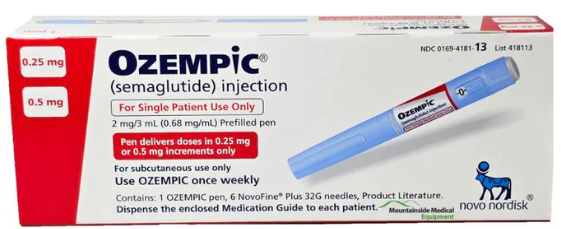
Figure 1: Ozempic
How Do GLP-1 Agonists Work?
GLP-1 receptor agonists influence metabolism through several interconnected pathways.[1]Kommu, S., Whitfield, P., (2025), Semaglutide. Available at: http://www.ncbi.nlm.nih.gov/books/NBK603723/ (Accessed: 27 February 2026). These include:
#1 Increased insulin secretion
Semaglutide enhances glucose-dependent insulin release from the pancreas, helping regulate blood sugar levels
#2 Reduced glucagon production
The drug suppresses glucagon, a hormone that raises blood glucose levels.
#3 Slower gastric emptying
Food remains in the stomach longer, increasing feelings of fullness.
#4 Appetite suppression
Many patients naturally consume fewer calories during treatment because hunger signals are reduced.
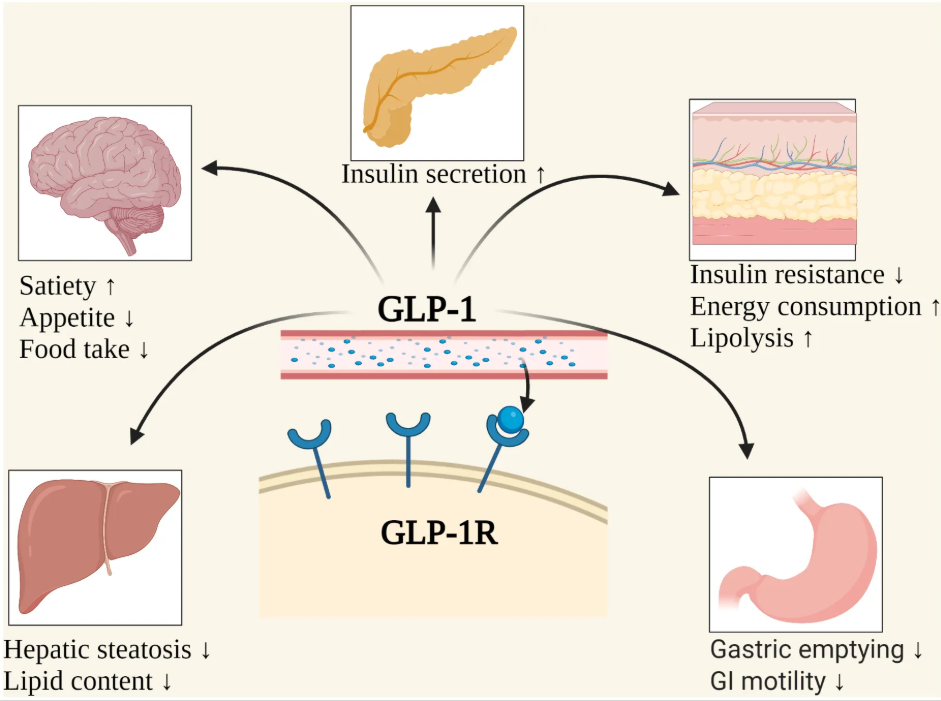
Figure 2: The effects of GLP-1 binding to GLP-1 receptors (GLP-1R) in the body. Adapted from Figure 1.[2]Wang, J.Y., Wang, Q.W., Yang, X.Y., Yang, W., Li, D.R., Jin, J.Y., Zhang, H.C., Zhang, X.F. (2023). GLP-1 Receptor Agonists For The Treatment Of Obesity: Role As A Promising Approach. Frontiers In … Continue reading Image used under the Creative Commons License.
The cumulative effect is sustained calorie reduction and progressive weight loss. Clinical trials have shown that semaglutide can lead to significant weight reduction when combined with lifestyle changes, like diet and exercise.[3]Wadden, T.A., Bailey, T.S., Billings, L.K., Davies, M., Frias, J.P., Koroleva, A., Lingvay, I., O’Neil, P.M., Rubino, D.M., Skovgaard, D., Wallenstein, S.O.R., Garvey, W.T. (2021). Effect Of … Continue reading
However, rapid weight loss can influence hair biology. This raises the question: Can semaglutide really cause hair loss?
Understanding Hair Growth
To evaluate whether semaglutide could influence hair loss, we first need to understand how hair grows.
Hair follicles cycle through 4 primary phases:
- Anagen phase (growth phase): Hair actively grows. This phase can last several years.
- Catagen phase (transition phase): The follicle shrinks and stops producing hair.
- Telogen phase (resting phase): Hair remains in place but stops growing.
- Exogen phase (shedding phase): The old hair falls out, allowing new hair to grow.
At any given time, roughly 85-90% of scalp hairs are in the growth phase.
Hair loss occurs when something disrupts this balance, either by shortening the growth phase or forcing too many hairs into the resting phase.
Several distinct conditions can cause this disruption.
Common Types of Hair Loss
Androgenic Alopecia (Pattern Hair Loss)
This is the most common form of hair loss.
It happens when hair follicles gradually shrink in response to androgens (hormones). Over time, thick terminal hairs that contribute to the cosmetic appearance of hair density become thinner and shorter until they resemble short, fine, vellus hairs (“peach fuzz” hairs). This is known as follicle miniaturization.[4]Oiwoh, S.O., Enitan, A.O., Adegbosin, O.T., Akinboro, A.O., Onayemi, E.O. (2024). Androgenetic Alopecia: A Review. Niger Postgrad Med J. 31(2). 85-92. Available at: … Continue reading
Typical patterns include:
- Receding hairline and crown thinning in men
- Diffuse thinning along the mid-scalp in women
This process occurs slowly over many years. However, increased shedding can sometimes accelerate visible thinning, particularly if hair density is already reduced.
Telogen Effluvium
This is a temporary shedding condition.
In this disorder, a large number of hair follicles prematurely enter the telogen phase of the hair cycle. This later causes mass, premature shedding.[5]Malkud, S., (2015). Telogen Effluvium: A Review. Journal Of Clinical And Diagnostic Research. 9(9). WE01-WE03. Available at: https://doi.org/10.7860/JCDR/2015/15219.6492
Common triggers include:
- Illness
- Surgery
- Emotional stress
- Severe calorie restriction
- Rapid weight loss
- Nutritional deficiencies
- Medication changes
Telogen effluvium can occur 2 to 8 months after exposure to a trigger. Fortunately, telogen effluvium is usually reversible once the trigger is removed, and hair can regrow.
Alopecia Areata
This is an autoimmune condition in which the immune system attacks hair follicles.
This disorder typically produces patchy hair loss, often appearing as round bald spots on the scalp. Hairs can also miniaturize, like in androgenic alopecia. Although the condition can sometimes resolve spontaneously, it may require treatment to stimulate regrowth.[6]Sibbald, C. (2023). Alopecia Areata: An Updated Review For 2023. J Cutan Med Surg. 27(3). 241-259. Available at: https://doi.org/10.1177/12034754231168839
Want to know more about alopecia areata? Read our article.
Semaglutide and Hair Loss: Are They Associated?
Because semaglutide is now used by millions of people worldwide, there have been several studies investigating whether hair loss might be associated with GLP-1 medications.
Evidence comes from:
- Clinical trials
- Case reports
- Adverse event databases
- Retrospective studies
Each type of investigation provides useful insight, but is also associated with important limitations that we must consider. We’ll go through each one separately and discuss what each one means.
Clinical Trials
Randomized controlled trials represent the most rigorous method for evaluating drug safety.
In clinical trials evaluating Ozempic as a treatment for type 2 diabetes, there were adverse reactions including nausea, vomiting, and diarrhea, but no reports of hair loss among the tested users.[7]U.S. Food and Drug Administration, (2023), Drug Label: 209637s020s021lbl. Available at: https://www.accessdata.fda.gov/drugsatfda_docs/label/2023/209637s020s021lbl.pdf (Accessed: 09 March 2026)
However, in clinical trials for Wegovy, the story is different. There were at least three randomized, double-blind, placebo-controlled trials conducted on adults using Wegovy who were either obese or overweight. Together, these trials included 3,377 adults who were treated with either 2.4 mg Wegovy or a placebo once weekly.[8]U.S. Food and Drug Administration. (2025). Drug Label: 218316Orig1s000lbl. Available at: https://www.accessdata.fda.gov/drugsatfda_docs/label/2025/218316Orig1s000lbl.pdf Accessed: 05 March 2026)
Thousands of participants were monitored for side effects, and among these participants:
- 3% of semaglutide users reported hair loss
- 1% of placebo users reported hair loss
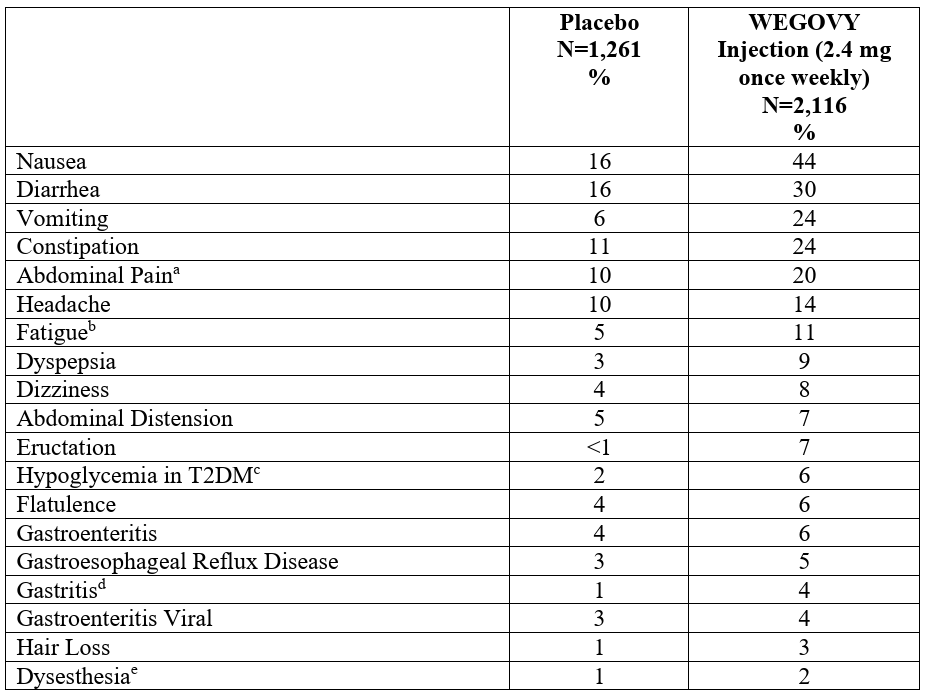
Figure 3: Adverse reactions reported in clinical trials with Wegovy. Adapted from Table 3.[9]U.S. Food and Drug Administration. (2025). Drug Label: 218316Orig1s000lbl. Available at: https://www.accessdata.fda.gov/drugsatfda_docs/label/2025/218316Orig1s000lbl.pdf Accessed: 05 March 2026)
At first glance, this difference might suggest that semaglutide does increase the risk of hair loss. But several critical details remain unclear. The trials did not specify:
- The type of hair loss
- Whether shedding was clinically diagnosed or self-reported
- Whether hair loss correlated with the speed of weight loss or diet
Because hair loss occurs naturally in the population, it is difficult to determine whether the medication itself played a role.
Do these clinical trials show that semaglutide causes hair loss? No, but it shows there could be an association between semaglutide and hair loss.
Case Reports
Case reports detail the diagnosis, treatment, and follow-up of a single patient. They are particularly useful for recording rare or unexpected clinical outcomes. Recently, two case reports have documented hair loss occurring after treatment with semaglutide.
Before reviewing these reports, it’s important to understand what case reports can and cannot tell us. Because they focus on only one patient, their findings cannot be generalized to a broader population. In addition, the absence of key study design features, such as control groups or randomization, limits the ability to draw firm conclusions about cause and effect. Nonetheless, case reports can still provide evidence suggesting that an association between the described events may exist.
A handful of case reports have described hair loss occurring during semaglutide treatment.
Case Report #1
A case report described a 23-year-old woman with obesity who had been taking semaglutide for weight management for 4 months. Her treatment began with weekly injections of 0.25 mg during the first 2 months, followed by an increased dose of 0.5 mg once weekly for the next 2 months. Around the 3rd month of therapy, she began to experience sudden hair loss, noticing several circular bald patches developing on her scalp.[10]Alzahrani, W.S., Bahkali, S.A., Alharthy, R.F., Alsabban, A.S., (2025). Alopecia Areata Following Semaglutide Treatment For Weight Loss: A Case Report. JAAD Case Reports, 63, 44–46. … Continue reading
Dermatological examination of the scalp showed mild redness, but there was no scaling or other visible abnormalities of the scalp surface. Based on the pattern of hair loss and the clinical findings from the hair examination, the condition was consistent with a diagnosis of alopecia areata.
Following this assessment, the patient was instructed to discontinue semaglutide and begin treatment for alopecia areata. The management plan included intralesional corticosteroid injections, 2% ketoconazole shampoo, and topical 5% minoxidil. After undergoing this treatment regimen, hair regrowth was observed.
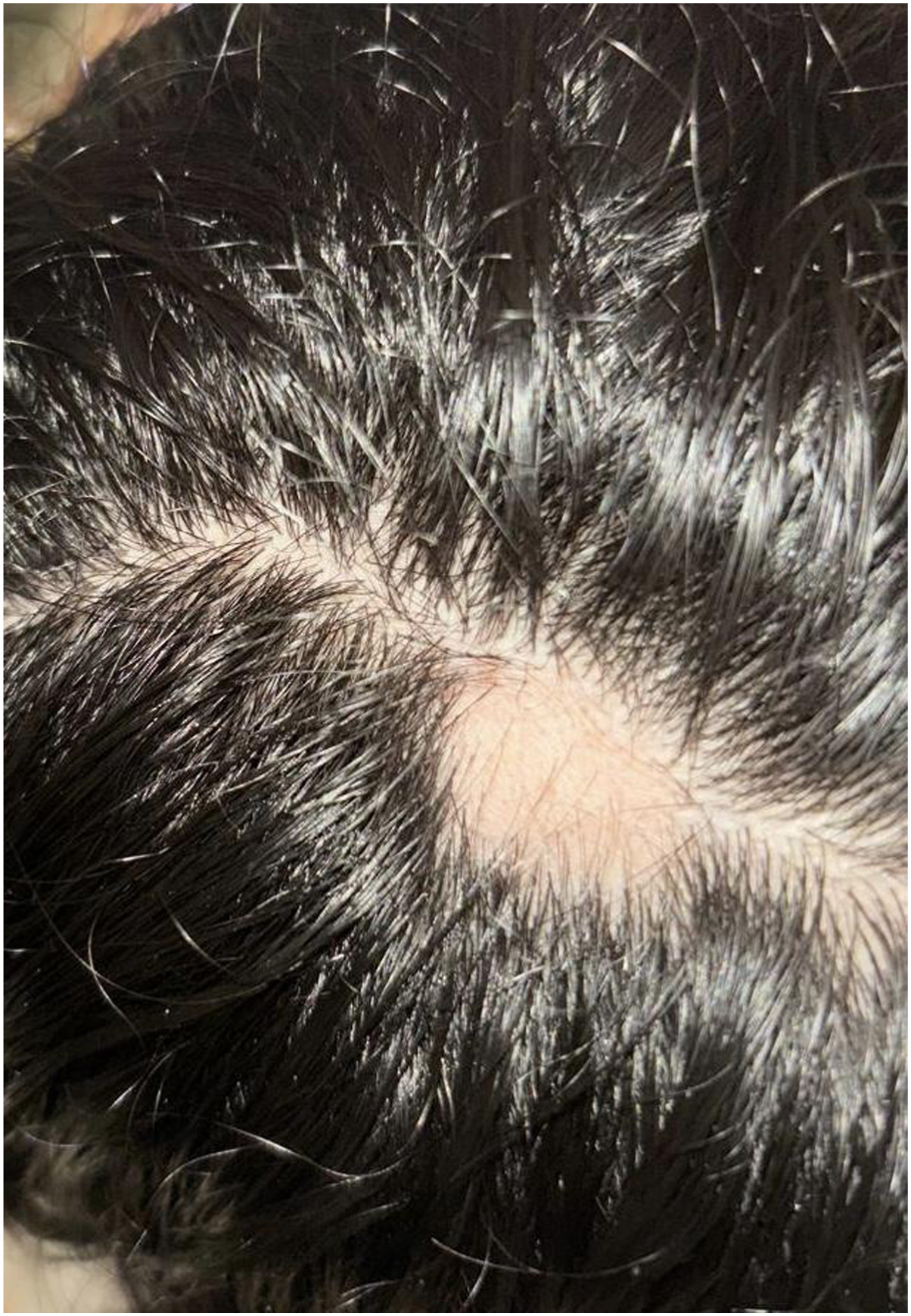
Figure 4: Visible patch of hair loss following semaglutide treatment. Adapted from Figure 1.[11]Alzahrani, W.S., Bahkali, S.A., Alharthy, R.F., Alsabban, A.S., (2025). Alopecia Areata Following Semaglutide Treatment For Weight Loss: A Case Report. JAAD Case Reports. 63. 44-46. Available at: … Continue reading Image used under the Creative Commons License.
Case Report #2
A 2026 case report documented a 33-year-old man who had been prescribed semaglutide at a weekly dose of 2.4 mg. Shortly after beginning treatment, he observed a small area of hair loss that appeared within 2 days of receiving the injection. Over the following 6 weeks, the hair loss progressed and developed into a clearly visible bald patch measuring approximately 5 cm2 on the left side of his scalp.[12]Cheng, J.-R., Zheng, J., Li, Y., Shi, H., Yang, N., Lei, Y., Wan, Y.-F. (2026). Weight Loss-Associated Alopecia Areata. American Journal of Therapeutics. Available at: … Continue reading
After being diagnosed with alopecia areata, the semaglutide treatment was discontinued. Within 2 months of stopping the medication, the patient showed improvement in his alopecia, with signs of hair recovery.
Do these case studies show semaglutide causes hair loss? No, but it shows that in rare cases, there could be an association between semaglutide use and the onset of alopecia areata. However, we must also consider that this onset could reflect coincidence or an already existing autoimmune predisposition.
2024 FAERS Study
The FDA’s Adverse Event Reporting System, or FAERS, is an open-access database that gathers voluntary reports about possible drug side effects from both healthcare professionals and the public. Anyone can browse or search it, making it a key surveillance tool for examining safety trends.
In 2024, researchers turned to this system to explore a question gaining public attention: Could GLP‑1 receptor agonists be linked to hair loss? They analyzed all reports logged between 2022 and 2023 mentioning both GLP‑1 drugs and alopecia.[13]Godfrey, H., Leibovit-Reiben, Z., Jedlowski, P., Thiede, R. (2025). Alopecia Associated With The Use Of Semaglutide And Tirzepatide: A Disproportionality Analysis Using The FDA Adverse Event … Continue reading
The group used a disproportionality analysis, a well‑established statistical method that flags situations where a particular side effect appears in drug reports more often than expected. The outcome pointed to an intriguing pattern.
Hair loss appeared more frequently among users of two drugs in particular:
- Semaglutide: 199 cases
- Tirzepatide: 179 cases
For the remaining GLP‑1 medications, no elevated signal emerged: liraglutide (20 cases), dulaglutide (65 cases), exenatide (6 cases), and lixisenatide (0 cases).
The apparent concentration of hair loss reports with semaglutide and tirzepatide is notable. But the use of FAERS data comes with several major limitations that complicate interpretation.
- Reporting is open to everyone: Submissions may come from doctors, pharmacists, or patients themselves. Some describe medically verified diagnoses, while others reflect personal impressions without clinical confirmation. In this dataset, the researchers found that consumers submitted 84 % of reports, with clinicians accounting for the remaining 16 %.
- The information is publicly visible: Because anyone can access FAERS, media coverage, or social media chatter can amplify a perceived link, which in turn may drive more self‑reports, reinforcing the appearance of an association.
- The reports are often sparse in detail: They generally state only that hair loss occurred, offering no details about its type, severity, timing, or potential confounding factors like stress, nutrition, or genetics. Without such context, it’s nearly impossible to distinguish true drug‑related events from unrelated background cases.
Taken together, these limitations mean that while the data show a strong reporting signal for semaglutide and tirzepatide, the evidence stops well short of demonstrating that GLP‑1 drugs cause hair loss.
Does this study show semaglutide causes hair loss? No, the findings highlight a pattern that warrants deeper, clinically controlled investigation rather than serving as confirmation of causation.
2025 Retrospective Studies
Retrospective studies analyze pre‑existing information, often patient records, to explore potential links between prior exposures and later outcomes. Although they resemble case studies in that they don’t include randomization or control groups, they can still provide useful insights and identify meaningful patterns.
Retrospective Study #1
A retrospective analysis published in 2025 reviewed the medical charts of 283 adults who had been prescribed GLP‑1 receptor agonists and later visited a dermatology clinic for concerns about hair loss between 2021 and 2023.[14]Burke, O. (2025). Glucagon-Like Peptide-1 Receptor Agonist Medications And Hair Loss: A Retrospective Cohort Study. Journal Of The American Academy Of Dermatology. 92(5). 1141-1143. Available at: … Continue reading
The results broke down as follows:
- 84.1 % of patients did not experience any hair loss
- 1.2 % reported new‑onset hair loss despite having no prior history
- Of those who already had hair loss (approximately 13 % of the total number of people), over 90 % said their condition had worsened
Taken together, these findings suggest that the majority of people using GLP‑1 therapies do not develop hair loss.
The small subset (around 1 %) who noticed new hair loss did so at a rate comparable to what would normally occur in the general population over a similar 2 year period. This raises the question of whether the reported hair loss was related to the medication itself or simply represented naturally occurring shedding.
Among those already experiencing hair thinning, the study noted that symptoms often worsened during GLP‑1 treatment. Semaglutide, in particular, showed the clearest association with increased androgenic alopecia, echoing what was seen in the FAERS analysis.
However, several caveats limit how confidently these results can be interpreted:
- Because this was a retrospective study, there was no randomization or control group, parameters that help identify the cause of hair loss.
- Worsening of hair loss may simply reflect natural progression.
- The duration of GLP‑1 treatment was not evaluated, which matters because drug‑induced shedding (such as telogen effluvium) can appear 2 to 8 months after a triggering event.
- Hair loss was self‑reported, not confirmed through objective assessment methods such as standardized hair counts or dermatologist grading, leaving uncertainty over whether hair loss was clinically relevant
Retrospective Study #2
In a separate large‑scale retrospective analysis, researchers examined healthcare data from more than 100 million patients to explore whether GLP‑1 receptor agonists might influence hair‑related outcomes.[15]Akiska, Y.M., Vidal, S.I., Menta, N. (2025). Increased Incidence And Risk Of Hair Loss With Glucagon-Like Peptide 1 Receptor Agonists: A Real-World Multicentre Cohort Study. EMJ. 13(1). 52-54. … Continue reading
From this enormous dataset, the team isolated over 500,000 individuals who had no prior record of hair loss but were undergoing treatment with one of six GLP‑1 medications: liraglutide, semaglutide, dulaglutide, exenatide, lixisenatide, or tirzepatide.
After 6 months of therapy, those taking GLP‑1 drugs showed:
- Elevated risk of androgenic alopecia
- Elevated risk of non‑scarring hair loss
- No significant change in telogen effluvium risk
- No significant change in alopecia areata risk
At the 12-month mark, the pattern had shifted slightly:
- Continued higher risk for androgenic alopecia
- Continued higher risk for non‑scarring hair loss
- A newly increased risk of telogen effluvium
- Still no change in risk of alopecia areata
The apparent absence of a link between GLP‑1 medications and alopecia areata is especially notable, as isolated case reports have previously suggested an association. But unfortunately, since this is a retrospective analysis, the study can not tell us why we see this result.
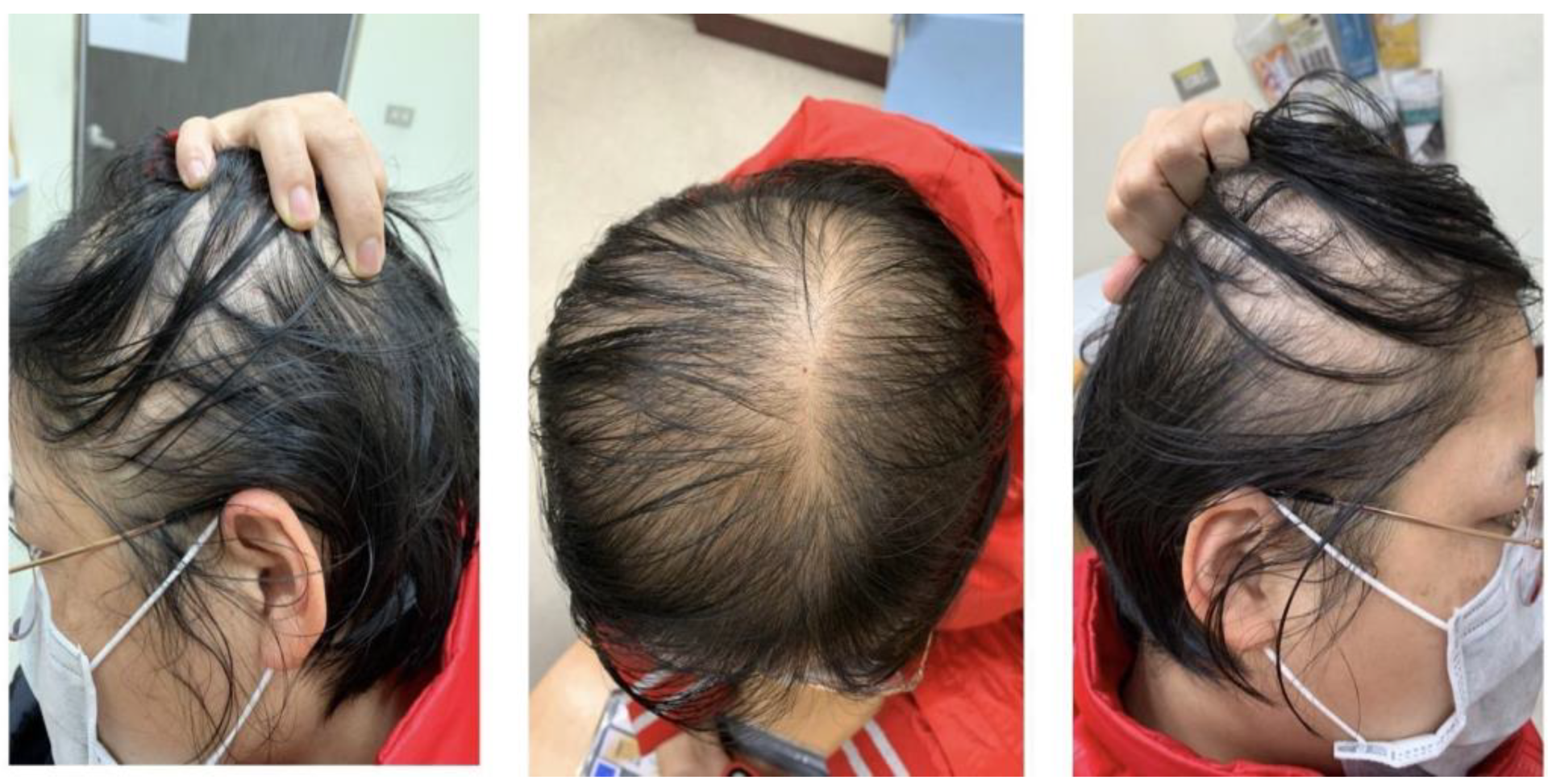
Figure 5: Example of androgenic alopecia in a female. Adapted from Figure 1.[16]Ho, C.Y., Chen, J.Y.F., Hsu, W.L., Yu, S., Chen, W.C., Chiu, S.H., Yang, H.R., Lin, S.Y., Wu, C.Y. (2023). Female Pattern Hair Loss: An Overview With Focus On The Genetics. Genes. 14(7). 1326. … Continue reading Image used under the Creative Commons License.
Do these retrospective studies show semaglutide causes hair loss? No, they raise a hypothesis that there may be an association that justifies further research, but no cause-and-effect relationship can be determined.
The Verdict On Semaglutide and Hair Loss
All of these studies suggest that there could be an association between semaglutide and hair loss. However, this doesn’t mean that the studies establish a direct cause-and-effect relationship. We need randomized and controlled clinical trials that specifically examine the relationship between semaglutide and hair loss before we can confidently say what is happening between these two factors.
How Might Semaglutide Contribute to Hair Loss?
We’ve explored whether there could be an association between semaglutide and hair loss. Now let’s consider why this association might exist in the first place.
Unfortunately, there are no studies exploring why this relationship might exist. However, there are several plausible pathways.[17]Desai, D.D., Sikora, M., Nohria, A., Bordone, L., Caplan, A.S., Shapiro, J., Lo Sicco, K.I. (2024). GLP-1 Agonists And Hair Loss: A Call For Further Investigation. International Journal Of … Continue reading
Rapid Weight Loss and Changes to Diet
Rapid weight loss is one of the best-documented triggers of telogen effluvium. When calorie intake drops sharply, the body prioritizes essential physiological functions, which can exclude hair growth.
As a result, hair follicles may enter the resting phase prematurely, leading to shedding several months later. This phenomenon can be observed in those having undergone bariatric surgery (weight loss surgery), where significant weight loss and the dietary changes following the surgery frequently trigger temporary hair shedding months after.[18]Cohen-Kurzrock, R.A., Cohen, P.R., (2021). Bariatric Surgery-Induced Telogen Effluvium (Bar SITE): Case Report And A Review Of Hair Loss Following Weight Loss Surgery. Cureus. 13(4). e14617. … Continue reading,[19]Rojas, P., Gosch, M., Basfi-Fer, K., (2011). Alopecia In Women With Severe And Morbid Obesity Who Undergo Bariatric Surgery. Nutricion Hospitalaria. 26(4). 856-862. Available at: … Continue reading,[20]Nadler, E.P., Youn, H.A., Ginsburg, H.B., Ren, C.J., Fielding, G.A., (2007). Short-Term Results In 53 US Obese Pediatric Patients Treated With Laparoscopic Adjustable Gastric Banding. Journal Of … Continue reading,[21]Nadler, E.P., Youn, H.A., Ren, C.J., Fielding, G.A., (2008). An Update On 73 US Obese Pediatric Patients Treated With Laparoscopic Adjustable Gastric Banding: Comorbidity Resolution And Compliance … Continue reading It can also be seen in those with rapid weight loss as a result of a calorie-restricted diet.[22]Kang, D.H., Kwon, S.H., Sim, W.Y., Lew, B.L., (2024). Telogen Effluvium Associated With Weight Loss: A Single Center Retrospective Study. Annals Of Dermatology. 36(6). 384-388. Available at: … Continue reading
For people without any other underlying hair loss condition, hair will likely return to normal in a few months. But for those who have a predisposition towards androgenic alopecia or alopecia areata, we could hypothesize that the premature shedding from telogen effluvium could worsen their condition. Why? Because as more hair sheds, follicle miniaturization accelerates. So for those who already have these conditions, rapid weight loss and dietary changes from semaglutide could plausibly worsen their condition. For those who were not aware they had the condition, it could accelerate the noticeable onset of hair loss. This could lead them to mistakenly attribute hair loss to the drug.
Nutritional Changes
Semaglutide reduces appetite dramatically, which, as a consequence, reduces food intake. While this supports weight loss, it can lead to insufficient intake of key nutrients, including:
- Protein
- Iron
- Zinc
- Vitamin D
- B vitamins
Hair follicles require adequate nutrition to maintain normal growth cycles, and deficiencies in these nutrients could impair follicle function. A “negative event” like nutrient deficiency may also trigger telogen effluvium, or even alopecia areata. In line with this, alopecia areata has been associated with deficiencies in dietary protein and vitamin D.[23]Pham, C.T., Romero, K., Almohanna, H.M., Griggs, J., Ahmed, A., Tosti, A. (2020). The Role Of Diet As An Adjuvant Treatment In Scarring And Nonscarring Alopecia. Skin Appendage Disord. 6(2). 88-96. … Continue reading,[24]Bhat, Y.J., Latif, I., Malik, R., Hassan, I., Sheikh, G., Lone, K.S., Majeed, S., Sajad, P. (2017). Vitamin D Level In Alopecia Areata. Indian Journal Of Dermatology. 62(4). 407-410. Available at: … Continue reading. Also, studies show that GLP-1 agonist users with weight loss often do not have sufficient nutrient intake.[25]Johnson, B., Milstead, M., Thomas, O. (2025). Investigating Nutrient Intake During Use Of Glucagon-Like Peptide-1 Receptor Agonist: A Cross-Sectional Study. Frontiers In Nutrition. 12. 1566498. … Continue reading These insufficiencies could very plausibly cause hair loss, and if telogen effluvium were to occur, it could conceivably accelerate any underlying androgenic alopecia as we’ve discussed.
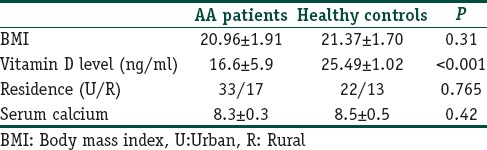
Figure 6: Comparison of Vitamin D levels in alopecia areata (AA) and healthy patients. Adapted from Table 1.[26]Bhat, Y.J., Latif, I., Malik, R., Hassan, I., Sheikh, G., Lone, K.S., Majeed, S., Sajad, P. (2017). Vitamin D Level In Alopecia Areata. Indian Journal Of Dermatology. 62(4). 407-410. Available at: … Continue reading Image used under the Creative Commons License.
Inflammation
Semaglutide treatments like Ozempic and Wegovy are known to cause gastrointestinal issues, including diarrhea. Diarrhea is characterized by interstitial inflammation. Although there is no evidence showing this link, we could speculate that inflammation of the gut could trigger inflammation all the way to the scalp. An inflammation event like this might trigger alopecia areata in those already predisposed to this condition.
Disturbance to the Hair Cycle
In 2006, GLP-1 was found at high levels in the hair follicles of newborn mice, and was found to activate a signalling pathway in skin cells that promotes cell growth and division. This led to a theory that GLP-1 may be important for the development of hair follicles.[27]List, J.F., He, H., Habener, J.F. (2006). Glucagon-Like Peptide-1 Receptor And Proglucagon Expression In Mouse Skin. Regulatory Peptides. 134(2–3). 149-157. Available at: … Continue reading
The idea that GLP-1 may be associated with hair biology could provide a clear link to how semaglutide, a GLP-1 mimic, may influence hair growth. However, this was an animal study, and the influence of GLP-1 on the development of human hair follicles has not been shown. What happens in animals does not always translate into humans. So for now, this link in humans remains unknown.
Altered Hormonal and IGF-1 Signaling
Hair follicles naturally respond to several hormonal signaling pathways, including insulin and insulin-like growth factor 1 (IGF-1). Namely, insulin is known to modulate the availability of IGF-1 in the body, and IGF-1 is known to stimulate hair follicle proliferation, inhibit hair follicle death, and promote the transition from the telogen phase to the anagen phase.[28]Hsieh, W.J., Qiu, W.Y., Percec, I., Chang, T.M., (2025). Insulin-Like Growth Factor 1 (IGF-1) In Hair Regeneration: Mechanistic Pathways And Therapeutic Potential. Current Issues In Molecular … Continue reading
One case study demonstrates the link between insulin and hair growth. In this study, a 54-year-old woman with diabetes was experiencing hair loss. She was initially given minoxidil, but use of this treatment did not benefit her hair loss. She was subsequently given insulin therapy. After 2 months, she experienced a reduction in hair fall and had noticeable hair regrowth.[29]Kant, R., Barnwal, S., Sharma, S.K., Thakur, K. (2021). Reversal Of Alopecia By Insulin Therapy In Uncontrolled Type 2 DM: A Case Report. Journal Of Diabetology. 12(4). 533-537. Available at: … Continue reading
As we’ve discussed, case studies have a number of limitations. However, this case does show a link between insulin and hair growth. GLP-1 medications like semaglutide are known to 1) change insulin signaling after food intake, and B) promote reduced food intake. In the latter case, reduced food intake could lower the amount of insulin naturally produced by the body, a phenomenon documented in those taking GLP-1 medications.[30]{Jørgensen, S.W., Hjort, L., Gillberg, L., Justesen, L., Madsbad, S., Brøns, C., Vaag, A.A. (2021). Impact Of Prolonged Fasting On Insulin Secretion, Insulin Action, And Hepatic Versus Whole Body … Continue reading,[31]Alhowiti, A., Mirghani, H. (2025). The Effects Of GLP-1 Agonists On HbA1c And Insulin Dose Among Patients With Type 1 Diabetes. Frontiers In Endocrinology. 16. 1550938. Available at: … Continue reading,[32]Luo, Y., Yang, S., Zeng, H., Liu, S., Zhang, Y., Li, J.E., Liu, J. (2025). Both Subcutaneous Semaglutide And Calorie Restriction Improves Pancreatic Cell Hyperplasia And Gut Microbiota In High-Fat … Continue reading
Because GLP-1 medications influence insulin signaling, which in turn could influence IGF-1 activity and hair growth, it is theoretically plausible that semaglutide medications could also influence hair cycling. However, direct evidence supporting this mechanism remains limited.
Distinguishing Between Telogen Effluvium, Androgenetic Alopecia, and Alopecia Areata
If you’re experiencing hair loss, it’s important to establish what kind of hair loss you might be having before any treatment can be recommended.
This is how you can distinguish between the three primary causes of hair loss.
Hair Loss Condition Symptoms Telogen effluvium Diffuse hair shedding that is temporary. It may happen 2 to 8 months after a major change or event, like beginning semaglutide treatment. Androgenic alopecia Progressive thinning that happens gradually over time. You may have a family history of balding. Thinning may be accelerated by the use of semaglutide. Alopecia areata Sudden patchy hair loss with a smooth bald spot and hair thinning. You may have a family history of autoimmune disease. Should You Be Concerned?
For most people, the current evidence suggests that hair loss during semaglutide treatment is uncommon. If you have no signs of hair loss and don’t have a family history of androgenic alopecia or alopecia areata, then you probably do not have to worry.
However, some individuals may be more likely to notice shedding. You may be at higher risk if:
- You already have androgenic alopecia or alopecia areata
- Androgenic alopecia or alopecia areata runs in your family
- You lose weight very rapidly while using semaglutide
- Your diet becomes highly restrictive during semaglutide use
What Can I Do to Prevent Hair Loss with Semaglutide?
Because telogen effluvium can “reveal” androgenic alopecia, or even alopecia areata, faster than you would have seen naturally, there is a possibility that taking semaglutide could indirectly accelerate hair loss by triggering excessive hair shedding.
However, there are several strategies to help minimize hair shedding during semaglutide therapy:
- Avoid excessive calorie restriction: Gradual weight loss reduces physiological stress and lowers the likelihood of telogen effluvium.
- Prioritize protein intake: Hair is primarily composed of keratin, a structural protein. Adequate protein intake supports normal hair growth.
- Monitor micronutrients: Make sure you’re getting enough iron, zinc, vitamin D, and B vitamins, as these all play a role in hair growth.
- Track shedding patterns: If shedding begins, consider whether it started 2 to 8 months after significant weight loss, which is typical for telogen effluvium.
- Consult a dermatologist: A professional evaluation can help determine whether shedding is temporary or related to androgenic alopecia or alopecia areata, and if so, whether it is appropriate for you to start a hair loss treatment while you’re taking semaglutide, like oral finasteride.
You can learn more about the risks of oral finasteride and how to prevent them here.
Interested in Oral Finasteride?
Oral finasteride & minoxidil available, if prescribed*
Take the next step in your hair regrowth journey. Get started today with a provider who can prescribe a topical solution tailored for you.
*Only available in the U.S. Prescriptions not guaranteed. Restrictions apply. Off-label products are not endorsed by the FDA.

Final Thoughts
Reports of hair loss during semaglutide treatment have increased alongside the growing popularity of GLP-1 medications. Current research suggests that most users do not experience new hair loss, but some may experience temporary shedding as a result of telogen effluvium, and those with pre-existing hair loss may notice a worsening of their condition.
However, no study has directly demonstrated that semaglutide is the cause of hair loss. Instead, hair changes observed during treatment more likely reflect the physiological effects of rapid weight loss, including calorie restriction, nutritional changes, and physiological stress.
More research is needed to clarify the relationship between GLP-1 medications and hair biology. For now, individuals considering semaglutide therapy should focus on maintaining balanced nutrition, pursuing gradual weight loss, and monitoring hair health during treatment to minimize potential hair loss.
References[+]
References ↑1 Kommu, S., Whitfield, P., (2025), Semaglutide. Available at: http://www.ncbi.nlm.nih.gov/books/NBK603723/ (Accessed: 27 February 2026) ↑2 Wang, J.Y., Wang, Q.W., Yang, X.Y., Yang, W., Li, D.R., Jin, J.Y., Zhang, H.C., Zhang, X.F. (2023). GLP-1 Receptor Agonists For The Treatment Of Obesity: Role As A Promising Approach. Frontiers In Endocrinology. 14. 1085799. Available at: https://doi.org/10.3389/fendo.2023.1085799 ↑3 Wadden, T.A., Bailey, T.S., Billings, L.K., Davies, M., Frias, J.P., Koroleva, A., Lingvay, I., O’Neil, P.M., Rubino, D.M., Skovgaard, D., Wallenstein, S.O.R., Garvey, W.T. (2021). Effect Of Subcutaneous Semaglutide Vs Placebo As An Adjunct To Intensive Behavioral Therapy On Body Weight In Adults With Overweight Or Obesity: The STEP 3 Randomized Clinical Trial. JAMA. 325(14). 1403-1413. Available at: https://doi.org/10.1001/jama.2021.1831 ↑4 Oiwoh, S.O., Enitan, A.O., Adegbosin, O.T., Akinboro, A.O., Onayemi, E.O. (2024). Androgenetic Alopecia: A Review. Niger Postgrad Med J. 31(2). 85-92. Available at: https://doi.org/10.4103/npmj.npmj_47_24 ↑5 Malkud, S., (2015). Telogen Effluvium: A Review. Journal Of Clinical And Diagnostic Research. 9(9). WE01-WE03. Available at: https://doi.org/10.7860/JCDR/2015/15219.6492 ↑6 Sibbald, C. (2023). Alopecia Areata: An Updated Review For 2023. J Cutan Med Surg. 27(3). 241-259. Available at: https://doi.org/10.1177/12034754231168839 ↑7 U.S. Food and Drug Administration, (2023), Drug Label: 209637s020s021lbl. Available at: https://www.accessdata.fda.gov/drugsatfda_docs/label/2023/209637s020s021lbl.pdf (Accessed: 09 March 2026) ↑8, ↑9 U.S. Food and Drug Administration. (2025). Drug Label: 218316Orig1s000lbl. Available at: https://www.accessdata.fda.gov/drugsatfda_docs/label/2025/218316Orig1s000lbl.pdf Accessed: 05 March 2026) ↑10 Alzahrani, W.S., Bahkali, S.A., Alharthy, R.F., Alsabban, A.S., (2025). Alopecia Areata Following Semaglutide Treatment For Weight Loss: A Case Report. JAAD Case Reports, 63, 44–46. https://doi.org/10.1016/j.jdcr.2025.06.012 ↑11 Alzahrani, W.S., Bahkali, S.A., Alharthy, R.F., Alsabban, A.S., (2025). Alopecia Areata Following Semaglutide Treatment For Weight Loss: A Case Report. JAAD Case Reports. 63. 44-46. Available at: https://doi.org/10.1016/j.jdcr.2025.06.012 ↑12 Cheng, J.-R., Zheng, J., Li, Y., Shi, H., Yang, N., Lei, Y., Wan, Y.-F. (2026). Weight Loss-Associated Alopecia Areata. American Journal of Therapeutics. Available at: https://doi.org/10.1097/MJT.0000000000001851 ↑13 Godfrey, H., Leibovit-Reiben, Z., Jedlowski, P., Thiede, R. (2025). Alopecia Associated With The Use Of Semaglutide And Tirzepatide: A Disproportionality Analysis Using The FDA Adverse Event Reporting System (FAERS) From 2022 To 2023. Journal Of The European Academy Of Dermatology And Venereology. 39. e153-e154. Available at: https://doi.org/10.1111/jdv.20197 ↑14 Burke, O. (2025). Glucagon-Like Peptide-1 Receptor Agonist Medications And Hair Loss: A Retrospective Cohort Study. Journal Of The American Academy Of Dermatology. 92(5). 1141-1143. Available at: https://doi.org/10.1016/j.jaad.2025.01.046 ↑15 Akiska, Y.M., Vidal, S.I., Menta, N. (2025). Increased Incidence And Risk Of Hair Loss With Glucagon-Like Peptide 1 Receptor Agonists: A Real-World Multicentre Cohort Study. EMJ. 13(1). 52-54. Available at: https://doi.org/10.33590/emjdermatol/TYEW1122 ↑16 Ho, C.Y., Chen, J.Y.F., Hsu, W.L., Yu, S., Chen, W.C., Chiu, S.H., Yang, H.R., Lin, S.Y., Wu, C.Y. (2023). Female Pattern Hair Loss: An Overview With Focus On The Genetics. Genes. 14(7). 1326. Available at: https://doi.org/10.3390/genes14071326 ↑17 Desai, D.D., Sikora, M., Nohria, A., Bordone, L., Caplan, A.S., Shapiro, J., Lo Sicco, K.I. (2024). GLP-1 Agonists And Hair Loss: A Call For Further Investigation. International Journal Of Dermatology. 63. 1128-1130. Available at: https://doi.org/10.1111/ijd.17246 ↑18 Cohen-Kurzrock, R.A., Cohen, P.R., (2021). Bariatric Surgery-Induced Telogen Effluvium (Bar SITE): Case Report And A Review Of Hair Loss Following Weight Loss Surgery. Cureus. 13(4). e14617. Available at: https://doi.org/10.7759/cureus.14617 ↑19 Rojas, P., Gosch, M., Basfi-Fer, K., (2011). Alopecia In Women With Severe And Morbid Obesity Who Undergo Bariatric Surgery. Nutricion Hospitalaria. 26(4). 856-862. Available at: https://doi.org/10.1590/s0212-16112011000400028 ↑20 Nadler, E.P., Youn, H.A., Ginsburg, H.B., Ren, C.J., Fielding, G.A., (2007). Short-Term Results In 53 US Obese Pediatric Patients Treated With Laparoscopic Adjustable Gastric Banding. Journal Of Pediatric Surgery. 42(1). 137-142. Available at: https://doi.org/10.1016/j.jpedsurg.2006.09.014 ↑21 Nadler, E.P., Youn, H.A., Ren, C.J., Fielding, G.A., (2008). An Update On 73 US Obese Pediatric Patients Treated With Laparoscopic Adjustable Gastric Banding: Comorbidity Resolution And Compliance Data. Journal Of Pediatric Surgery. 43(1). 141-146. Available at: https://doi.org/10.1016/j.jpedsurg.2007.09.035 ↑22 Kang, D.H., Kwon, S.H., Sim, W.Y., Lew, B.L., (2024). Telogen Effluvium Associated With Weight Loss: A Single Center Retrospective Study. Annals Of Dermatology. 36(6). 384-388. Available at: https://doi.org/10.5021/ad.24.043 ↑23 Pham, C.T., Romero, K., Almohanna, H.M., Griggs, J., Ahmed, A., Tosti, A. (2020). The Role Of Diet As An Adjuvant Treatment In Scarring And Nonscarring Alopecia. Skin Appendage Disord. 6(2). 88-96. Available at: https://doi.org/10.1159/000504786 ↑24, ↑26 Bhat, Y.J., Latif, I., Malik, R., Hassan, I., Sheikh, G., Lone, K.S., Majeed, S., Sajad, P. (2017). Vitamin D Level In Alopecia Areata. Indian Journal Of Dermatology. 62(4). 407-410. Available at: https://doi.org/10.4103/ijd.IJD_677_16 ↑25 Johnson, B., Milstead, M., Thomas, O. (2025). Investigating Nutrient Intake During Use Of Glucagon-Like Peptide-1 Receptor Agonist: A Cross-Sectional Study. Frontiers In Nutrition. 12. 1566498. Available at: https://doi.org/10.3389/fnut.2025.1566498 ↑27 List, J.F., He, H., Habener, J.F. (2006). Glucagon-Like Peptide-1 Receptor And Proglucagon Expression In Mouse Skin. Regulatory Peptides. 134(2–3). 149-157. Available at: https://doi.org/10.1016/j.regpep.2006.02.007 ↑28 Hsieh, W.J., Qiu, W.Y., Percec, I., Chang, T.M., (2025). Insulin-Like Growth Factor 1 (IGF-1) In Hair Regeneration: Mechanistic Pathways And Therapeutic Potential. Current Issues In Molecular Biology. 47(9). 773. Available at: https://doi.org/10.3390/cimb47090773 ↑29 Kant, R., Barnwal, S., Sharma, S.K., Thakur, K. (2021). Reversal Of Alopecia By Insulin Therapy In Uncontrolled Type 2 DM: A Case Report. Journal Of Diabetology. 12(4). 533-537. Available at: https://doi.org/10.4103/jod.jod_66_21 ↑30 {Jørgensen, S.W., Hjort, L., Gillberg, L., Justesen, L., Madsbad, S., Brøns, C., Vaag, A.A. (2021). Impact Of Prolonged Fasting On Insulin Secretion, Insulin Action, And Hepatic Versus Whole Body Insulin Secretion Disposition Indices In Healthy Young Males. American Journal Of Physiology Endocrinology And Metabolism. 320(2). E281-E290. Available at: https://doi.org/10.1152/ajpendo.00433.2020 ↑31 Alhowiti, A., Mirghani, H. (2025). The Effects Of GLP-1 Agonists On HbA1c And Insulin Dose Among Patients With Type 1 Diabetes. Frontiers In Endocrinology. 16. 1550938. Available at: https://doi.org/10.3389/fendo.2025.1550938 ↑32 Luo, Y., Yang, S., Zeng, H., Liu, S., Zhang, Y., Li, J.E., Liu, J. (2025). Both Subcutaneous Semaglutide And Calorie Restriction Improves Pancreatic Cell Hyperplasia And Gut Microbiota In High-Fat Diet-Induced Obese Mice. Nutrition And Metabolism. 22(1). 95. Available at: https://doi.org/10.1186/s12986-025-00987-0 Want help with your hair regrowth journey?
Get personalized support, product recommendations, video calls, and more from our researchers, trichologists, and PhD's dedicated to getting you the best possible outcomes.
Learn More
Cassie Hopton, PhD
Cassie is a multidisciplinary researcher with expertise spanning biochemistry, genetics, and microbiology. She completed a BSc in Biochemistry, including a year-long placement in cancer research, followed by an MScR focused on cyanobacterial genetics. She then earned a PhD in Microbiology at the University of Edinburgh, where her research examined the limits of bacterial survival in ammonia-rich environments.
"... Can’t thank @Rob (PHH) and @sanderson17 enough for allowing me to understand a bit what was going on with me and why all these [things were] happening ... "

 — RDB, 35, New York, U.S.A.
"... There is a lot improvement that I am seeing and my scalp feel alive nowadays... Thanks everyone. "

 — Aayush, 20’s, Boston, MA
"... I can say that my hair volume/thickness is about 30% more than it was when I first started."

 — Douglas, 50’s, Montréal, Canada
Want help with your hair regrowth journey?
Get personalized support, product recommendations, video calls, and more from our researchers, trichologists, and PhD's dedicated to getting you the best possible outcomes.
Join Now - Mission Statement