- About
- Mission Statement
Education. Evidence. Regrowth.
- Education.
Prioritize knowledge. Make better choices.
- Evidence.
Sort good studies from the bad.
- Regrowth.
Get bigger hair gains.
Team MembersPhD's, resarchers, & consumer advocates.
- Rob English
Founder, researcher, & consumer advocate
- Research Team
Our team of PhD’s, researchers, & more
Editorial PolicyDiscover how we conduct our research.
ContactHave questions? Contact us.
Before-Afters- Transformation Photos
Our library of before-after photos.
- — Jenna, 31, U.S.A.
I have attached my before and afters of my progress since joining this group...
- — Tom, 30, U.K.
I’m convinced I’ve recovered to probably the hairline I had 3 years ago. Super stoked…
- — Rabih, 30’s, U.S.A.
My friends actually told me, “Your hairline improved. Your hair looks thicker...
- — RDB, 35, New York, U.S.A.
I also feel my hair has a different texture to it now…
- — Aayush, 20’s, Boston, MA
Firstly thank you for your work in this field. I am immensely grateful that...
- — Ben M., U.S.A
I just wanted to thank you for all your research, for introducing me to this method...
- — Raul, 50, Spain
To be honest I am having fun with all this and I still don’t know how much...
- — Lisa, 52, U.S.
I see a massive amount of regrowth that is all less than about 8 cm long...
Client Testimonials150+ member experiences.
 Scroll DownPopular Treatments
- Treatments
Popular treatments. But do they work?
- Finasteride
- Oral
- Topical
- Dutasteride
- Oral
- Topical
- Mesotherapy
- Minoxidil
- Oral
- Topical
- Ketoconazole
- Shampoo
- Topical
- Low-Level Laser Therapy
- Therapy
- Microneedling
- Therapy
- Platelet-Rich Plasma Therapy (PRP)
- Therapy
- Scalp Massages
- Therapy
 More
More
IngredientsTop-selling ingredients, quantified.
- Saw Palmetto
- Redensyl
- Melatonin
- Caffeine
- Biotin
- Rosemary Oil
- Lilac Stem Cells
- Hydrolyzed Wheat Protein
- Sodium Lauryl Sulfate
 More
More
ProductsThe truth about hair loss "best sellers".
- Minoxidil Tablets
Xyon Health
- Finasteride
Strut Health
- Hair Growth Supplements
Happy Head
- REVITA Tablets for Hair Growth Support
DS Laboratories
- FoliGROWTH Ultimate Hair Neutraceutical
Advanced Trichology
- Enhance Hair Density Serum
Fully Vital
- Topical Finasteride and Minoxidil
Xyon Health
- HairOmega Foaming Hair Growth Serum
DrFormulas
- Bio-Cleansing Shampoo
Revivogen MD
- more
Key MetricsStandardized rubrics to evaluate all treatments.
- Evidence Quality
Is this treatment well studied?
- Regrowth Potential
How much regrowth can you expect?
- Long-Term Viability
Is this treatment safe & sustainable?
Free Research- Free Resources
Apps, tools, guides, freebies, & more.
- Free CalculatorTopical Finasteride Calculator
- Free Interactive GuideInteractive Guide: What Causes Hair Loss?
- Free ResourceFree Guide: Standardized Scalp Massages
- Free Course7-Day Hair Loss Email Course
- Free DatabaseIngredients Database
- Free Interactive GuideInteractive Guide: Hair Loss Disorders
- Free DatabaseTreatment Guides
- Free Lab TestsProduct Lab Tests: Purity & Potency
- Free Video & Write-upEvidence Quality Masterclass
- Free Interactive GuideDermatology Appointment Guide
- More
Articles100+ free articles.
-
Sublingual Minoxidil: More Hair Growth, Less Sides?
-
Happy Head Review: 5 Concerns With The Brand
-
Can a Blood DHT Test Tell You Whether You Have AGA?
-
ABS-201: Can Blocking the Prolactin Receptor Regrow Hair?
-
Best Topical Finasteride: 5 Top Products of 2026
-
Best Topical Dutasteride: 8 Choices for 2026
-
2.5mg Dutasteride: Before and After Photos [2026]
-
Best Minoxidil for Women: Top 7 Brands of 2026
PublicationsOur team’s peer-reviewed studies.
- Microneedling and Its Use in Hair Loss Disorders: A Systematic Review
- Use of Botulinum Toxin for Androgenic Alopecia: A Systematic Review
- Conflicting Reports Regarding the Histopathological Features of Androgenic Alopecia
- Self-Assessments of Standardized Scalp Massages for Androgenic Alopecia: Survey Results
- A Hypothetical Pathogenesis Model For Androgenic Alopecia:Clarifying The Dihydrotestosterone Paradox And Rate-Limiting Recovery Factors
Menu- AboutAbout
- Mission Statement
Education. Evidence. Regrowth.
- Team Members
PhD's, resarchers, & consumer advocates.
- Editorial Policy
Discover how we conduct our research.
- Contact
Have questions? Contact us.
- Before-Afters
Before-Afters- Transformation Photos
Our library of before-after photos.
- Client Testimonials
Read the experiences of members
Before-Afters/ Client Testimonials- Popular Treatments
-
Articles10 Best Shampoos for Thinning Hair Men
First Published May 23 2026Last Updated Oct 3 2026Natural Remedies Researched & Written By:Sophie Grice, PhD
 Reviewed By:Dr. Michael Williams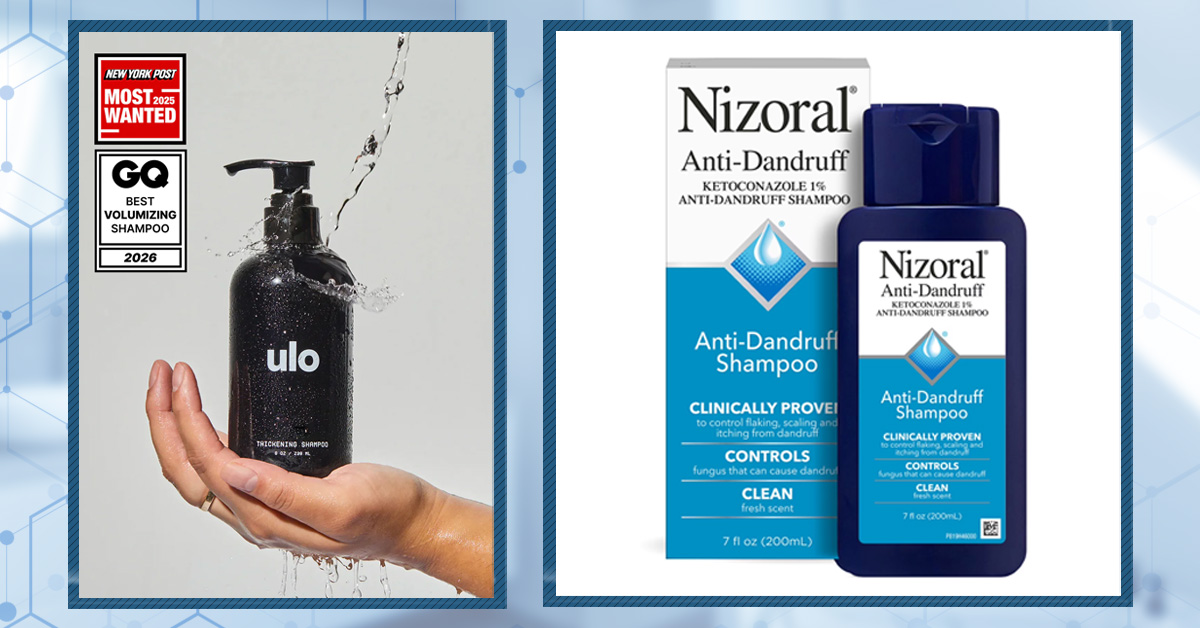
Want help with your hair regrowth journey?
Get personalized support, product recommendations, video calls, and more from our researchers, trichologists, and PhD's dedicated to getting you the best possible outcomes.
Learn MoreArticle Summary
If you’re looking into products for thinning hair, shampoos are often one of the first options to consider. They’re quick, convenient, and easy to add into a routine. But a lot of these products rely on heavy marketing, and only a handful of ingredients actually have clinical evidence behind them in shampoo formulations. In this article, we explain how shampoos differ from oral and leave-in topical treatments, and break down 10 of the best shampoos for thinning hair in men. We categorize them into the best lightweight and volumizing shampoos, best regrowth-support shampoos, and the best anti-dandruff shampoos, covering key ingredients, what clinical evidence actually exists, and pricing.
Full Article
When exploring products for thinning hair, shampoos can look like an appealing option. They are easy to use, accessible, and tend to have an immediate effect on how your hair feels, smells, and sometimes looks. While some shampoos include ingredients that may support scalp health and the appearance of fuller hair, it is important to keep expectations realistic. Shampoos do not work in the same way as leave-in topical treatments because they are only in contact with the scalp for a limited amount of time.
Where shampoos can actually be helpful is in maintaining a healthy scalp environment. Shampoos can effectively clean the hair, improve how it feels and smells, and make hair appear thicker and healthier from day to day. Shampoos can also help manage issues like dandruff, which may contribute to increased shedding for some people.
But, it’s important to note that shampoos are generally less effective as a delivery method for hair growth pharmaceuticals compared to leave-in topicals and oral options, and currently, there is still limited evidence to support their role as standalone treatments for conditions like androgenic alopecia (AGA).
In this article, we break down 10 of the best shampoos for thinning hair in men. Because shampoos serve different purposes, we’ve grouped them into three main categories:
- Lightweight and volumizing shampoos
- Regrowth-support shampoos
- Anti-dandruff shampoos
We also highlight key information, including pricing and the scientific evidence behind their ingredients.
What Are the Limitations of Hair Loss Shampoos?
Hair loss shampoos tend to be marketed as a simple solution for thinning hair. In some ways, this is true. They are easy to use, widely available, and can improve how hair looks and feels. But when it comes to shampoos that claim to boost growth, we should be skeptical.
If you have ever browsed through hair loss shampoos, you have most likely seen the bold promises, like thicker hair, reduced shedding, or stronger roots.
Some of these claims are based on ingredients like caffeine, saw palmetto, niacin, and biotin, all of which have some level of scientific evidence backing them. But the catch is that most of this research comes from oral supplements or leave-in topical treatments, not shampoos.
So while the ingredients themselves may be promising, the way they are delivered to the scalp can make a huge difference in how effective they are. Here’s a breakdown of why:
#1: Different delivery methods = different effects
Many of the ingredients found in hair loss products, like saw palmetto or biotin, have been studied in oral forms.[1]Evron, E., Juhasz, M., Babadjouni, A., Mesinkovska, N.A., (2020). Natural Hair Supplement: Friend Or Foe? Saw Palmetto, A Systematic Review In Alopecia. Skin Appendage Disorders. 6(6). 329–337. … Continue reading,[2]Patel, D.P., Swink, S.M., Castelo-Soccio, L., (2017). A Review Of The Use Of Biotin For Hair Loss. Skin Appendage Disorders. 3(3). 166–169. Available at: https://doi.org/10.1159/000462981 When products are taken orally, they usually get broken down (i.e., metabolized) in the liver and circulated throughout the body via the bloodstream.
When the same product is applied topically, it does not go through the same metabolic process, unless some of the product is absorbed into the systemic circulation. So any evidence from products in oral formulations cannot be translated to topical, and especially not to shampoo formulations.
#2: Contact time and scalp absorption
When we look at ingredients that have evidence for leave-in topical formulations like caffeine, which has been shown to perform similarly to 2% minoxidil, we see another limitation: time.[3]Völker, J.M., Koch, N., Becker, M., Klenk, A., (2020). Caffeine And Its Pharmacological Benefits In The Management Of Androgenetic Alopecia: A Review. Skin Pharmacology And Physiology. 33(3). … Continue reading
Many of the ingredients in hair loss shampoos need extended time in contact with the scalp to be properly absorbed. Topical treatments are often left on for hours to allow this process to happen.
Whereas with shampoos, they are typically rinsed out within a minute or two, limiting their absorption and the ability for ingredients to penetrate deeply enough to have effects on hair follicles.
So even well-researched ingredients may have minimal impact when used in a rinse-off formulation.
If you are a member, learn more about hair shampoo ingredients in our video and article here.
Why Are Hair Loss Shampoos Still Worth Using?
Ultimately, shampoos are not standalone solutions for hair loss, but they can play a valuable role as an add-on in your overall hair routine.
At a minimum, a good hair loss shampoo that includes well-researched ingredients may improve how your hair looks on a daily basis, making it appear thicker, healthier, and more manageable. Some formulas may also help strengthen the hair shaft, which can reduce breakage and give the impression of fuller hair.
There are certain ingredients used in shampoos (e.g., ketoconazole, caffeine) that have some research supporting their use for hair growth.[4]Celleno, L., Bussoletti, C., Tolaini, M.V., Rossi, A., Ala, L., Becker, M., Völker, J.M., Wiesche, E.S.Z. (2025). A Novel Approach Against Male Pattern Hair Loss With Topical Dimethylglycine Sodium … Continue reading While the effects of a rinse-off product will most likely be modest, they may still contribute to a healthier scalp environment.
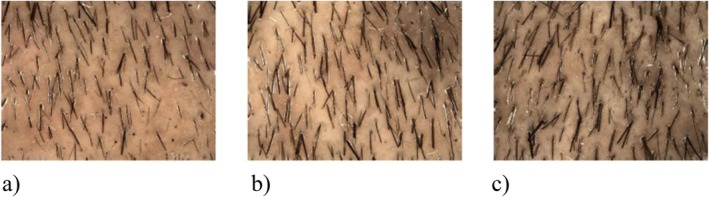
Figure 1. Photo of hair growth at one scalp site at (a) Baseline, (b) after 3 months, and (c) after 6 months of shampoo application containing 1% caffeine and 1% sodium dimethylglycinate. Adapted from Figure 6.[5]Celleno, L., Bussoletti, C., Tolaini, M.V., Rossi, A., Ala, L., Becker, M., Völker, J.M., Wiesche, E.S.Z. (2025). A Novel Approach Against Male Pattern Hair Loss With Topical Dimethylglycine Sodium … Continue reading Used under Creative Commons License.
Rather than standalone treatments, hair loss shampoos are best thought of as supporting adjuncts in your hair loss regimen, which may:
- Support scalp health.
- Improve the look and feel of thinning hair.
- Help to manage dandruff and irritation, which may contribute to shedding.
Find out more about the best ingredients found in hair loss shampoos in our article here.
Our 10 Best Shampoos For Hair Thinning in Men
Not all shampoos have the same purpose. Some shampoos are mainly focused on cosmetic effects, helping the hair to look thicker. While others include ingredients like ketoconazole and zinc pyrithione, which may improve scalp health and, in some cases, support hair growth.
To make things easier, we’ve split our 10 best shampoos for thinning hair into three main groups:
- Lightweight and volumizing shampoos: These are best for improving the look, feel, and fullness of thinning hair.
- Regrowth-support shampoos: These include ingredients with at least some clinical evidence for supporting scalp health and reducing hair shedding.
- Anti-dandruff shampoos: These are best for men with dandruff or seborrheic dermatitis, both of which can worsen shedding and scalp irritation.
It’s important to note that even the most scientifically supported shampoos are still best viewed as adjuncts, not standalone treatments for AGA.
Best Lightweight and Volumizing Shampoos
These shampoos are best for improving the cosmetic appearance of thinning hair. They can help the hair feel cleaner, softer, thicker, and easier to style.
#1: Ulo’s Thickening Shampoo ($29 for 230 mL)
Ulo’s thickening shampoo is well-formulated and designed to make your hair look and feel fuller after every wash, while also supporting a healthier scalp. As founders of Ulo, we developed the thickening shampoo to do what a good shampoo should: leave the hair feeling clean, soft, and thicker-looking.
The formula includes panthenol and glycerin to help hydrate and smooth the hair. It also includes hydrolyzed keratin and wheat protein to help reinforce the hair shaft, giving strands a stronger and fuller appearance. It also contains caffeine and saw palmetto, two ingredients with some evidence for supporting hair volumization, which we’ll cover in more detail below. Rosemary and peppermint oil are also included, which give the shampoo a fresh and subtle scent.
Importantly, Ulo’s thickening shampoo is free from sulfates, parabens, and phthalates, and avoids harsh or artificial additives, making it ideal for daily use without irritating the scalp.
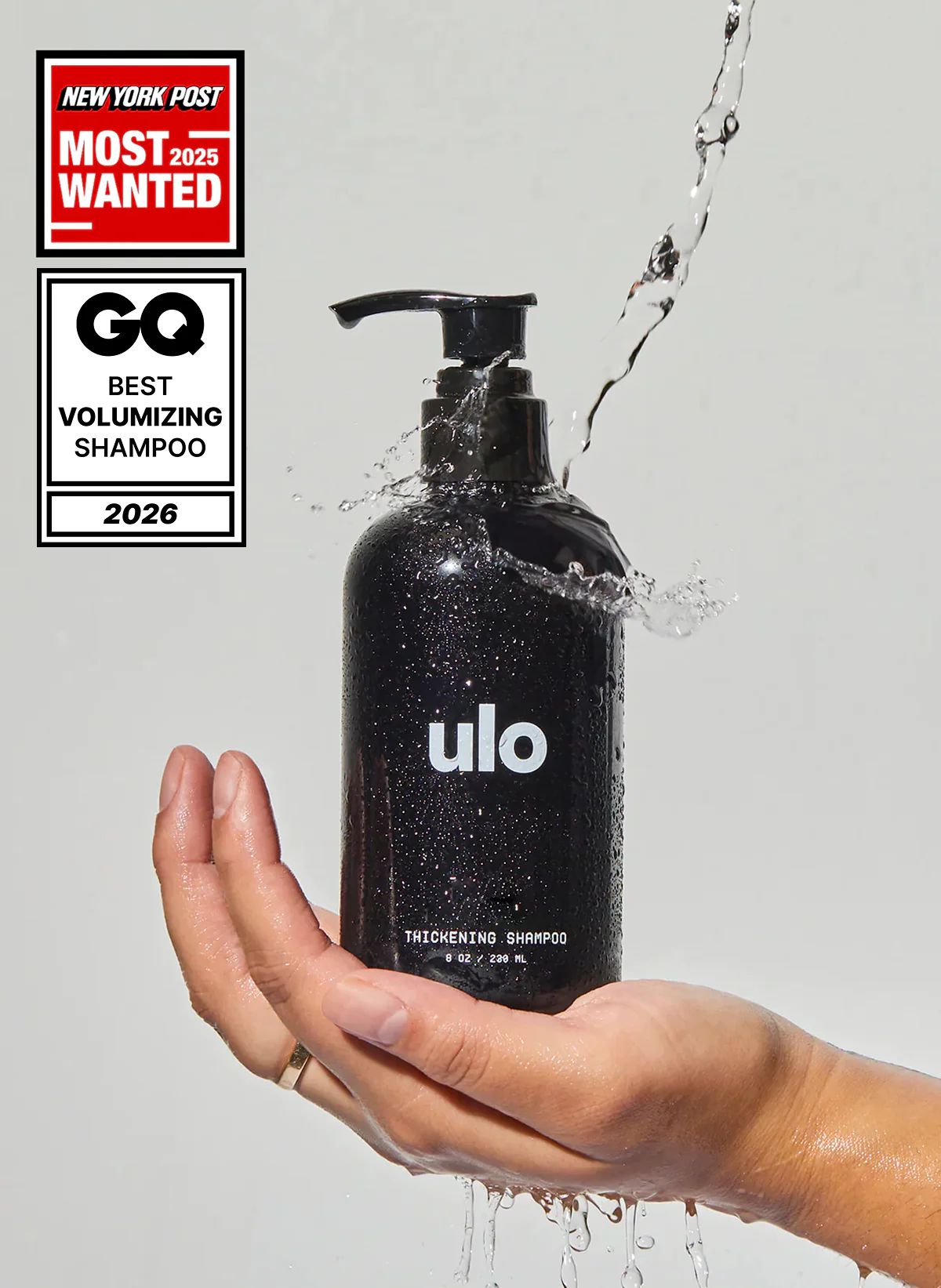
Figure 2. Ulo’s thickening shampoo.[6]Ulo, (no date), Thickening Shampoo. Available at: https://ulo.co/products/thickening-shampoo (Accessed: 31 March 2026)
What Does the Evidence Say?
The two key ingredients for hair volumizing included in Ulo’s shampoo are caffeine and saw palmetto. Here is a breakdown of the clinical studies for each:
Caffeine
Study #1: [7]Celleno, L., Bussoletti, C., Tolaini, M.V., Rossi, A., Ala, L., Becker, M., Völker, J.M., Wiesche, E.S.Z. (2025). A Novel Approach Against Male Pattern Hair Loss With Topical Dimethylglycine Sodium … Continue reading
- Design: Randomized, double-blind, placebo-controlled trial.
- Participants: 154 men early hair thinning and/or AGA.
- Duration: 6 months.
- Treatment: Shampoo containing 1% caffeine + 1% sodium dimethylglycinate (plus further components) vs placebo
- Key findings:
- Decreased mean number of hairs pulled in the hair pull test in the treatment group (-2.8) compared to placebo (+0.6).
- Phototrichogram results showed an increased number of hairs, hair density, and % anagen hairs after 6 months in the treatment group compared to placebo.
Study #2: [8]Chen, D., Yu, F., Wang, C., Chen, H., Tan, J., Shi, Q., He, X., Liu, X., Wang, F., Zhao, H. (2024). Anti-Hair Loss Effect Of A Shampoo Containing Caffeine And Adenosine. Journal Of Cosmetic … Continue reading
- Design: Randomized, single-blind, parallel-group, controlled trial.
- Participants: 77 individuals with self-perceived thinning hair, aged 20-60.
- Duration: 3 months.
- Treatment: 0.4% caffeine + 0.2% adenosine shampoo vs placebo
- Key findings:
- Hair density increased from 118.25 to 130.03 hairs/cm2 in the treatment group at month 3.
- No change in hair density observed in the placebo group.
- Significant hair loss reduction in the treatment group compared to placebo.
Saw Palmetto
Study #1: [9]Sudeep, H.V., Rashmi, S., Jestin, T.V., Richards, A., Gouthamchandra, K., Shyamprasad, K. (2023). Oral and Topical Administration of a Standardized Saw Palmetto Oil Reduces Hair Fall and Improves the … Continue reading
- Design: Randomized, double-blind, placebo-controlled trial.
- Participants: 80 individuals with mild-to-moderate AGA, aged 18-50.
- Duration: 16 weeks.
- Treatment:
- Study investigated standardized saw palmetto oil (VISPO™, containing 2-3% β-sitosterol).
- Oral VISPO™ (400 mg capsule containing 100 mg VISPO™ daily) vs oral placebo
- Topical VISPO™ (5 mL of a 20% VISPO™ lotion daily, left on for 30 minutes before washing) vs topical placebo.
- Key findings:
- At week 16, both VISPO™ groups showed significant reductions in hair shedding (measured by hair comb and hair pull tests) compared to baseline and placebo.
- Hair fall decreased by around 22% in the topical VISPO™ group compared to baseline.
- Hair density increased 7.61% with topical VISPO™.
- Important caveat: This was not a true saw palmetto shampoo study. The topical was left on the scalp for 30 minutes before washing.
Overall, Ulo’s shampoo includes science-backed ingredients like caffeine and saw palmetto, which may support scalp health and improve how the hair looks and feels. Given that shampoos are only in contact with the scalp for a limited amount of time, any benefits in terms of hair growth are likely to be minimal. But the real benefit of Ulo’s shampoo lies in how it enhances the appearance of volume and thickness, making the hair look fuller and healthier.
It is priced at $29 for a 230 mL bottle, which is reasonable for a high-quality formulation. But if you are experiencing thinning hair, Ulo’s shampoo is best used alongside proven oral or topical treatments (e.g., dutasteride, finasteride, minoxidil) rather than as a standalone treatment.
Ketoconazole Shampoo From our partners at UloSulfate-Free Ketoconazole Shampoo
Ulo's Thickening+ Shampoo pairs ketoconazole with thickening actives in a sulfate-free, gentle formula. Choose a multi-month plan and get up to 30% plus a free gift bundle.
Free full-size gifts with 3-month+ plans No prescription needed KetoconazoleSupports a healthy scalp
Free gifts included with select multi-month plans while supplies last. Ulo is a partner of Perfect Hair Health; we may earn a commission on purchases. This product is a cosmetic and is not intended to diagnose, treat, cure, or prevent any disease.
#2: Feel Confident Thickening Shampoo ($36 for 266 mL)
The Feel confident thickening shampoo includes many common ingredients found in hair loss shampoos, such as saw palmetto and caffeine, as well as pumpkin seed oil and turmeric root extract.
As discussed earlier, there is some clinical evidence supporting caffeine and saw palmetto use in shampoo formulations. However, the other ingredients included in this shampoo, such as pumpkin seed oil and turmeric root extract, currently do not have any evidence for hair volumizing within shampoo formulations. These ingredients are likely to contribute more to the overall feel and smell of hair rather than have any meaningful hair volumizing effects.
This product is paraben-free, sodium lauryl sulfate (SLS) or sodium laureth sulfate (SLES)-free, cruelty-free, and vegan. At $36 for a 266 mL bottle, it’s slightly more expensive than similar options. As with most shampoos in this category, any benefits for hair thinning are likely to be modest.
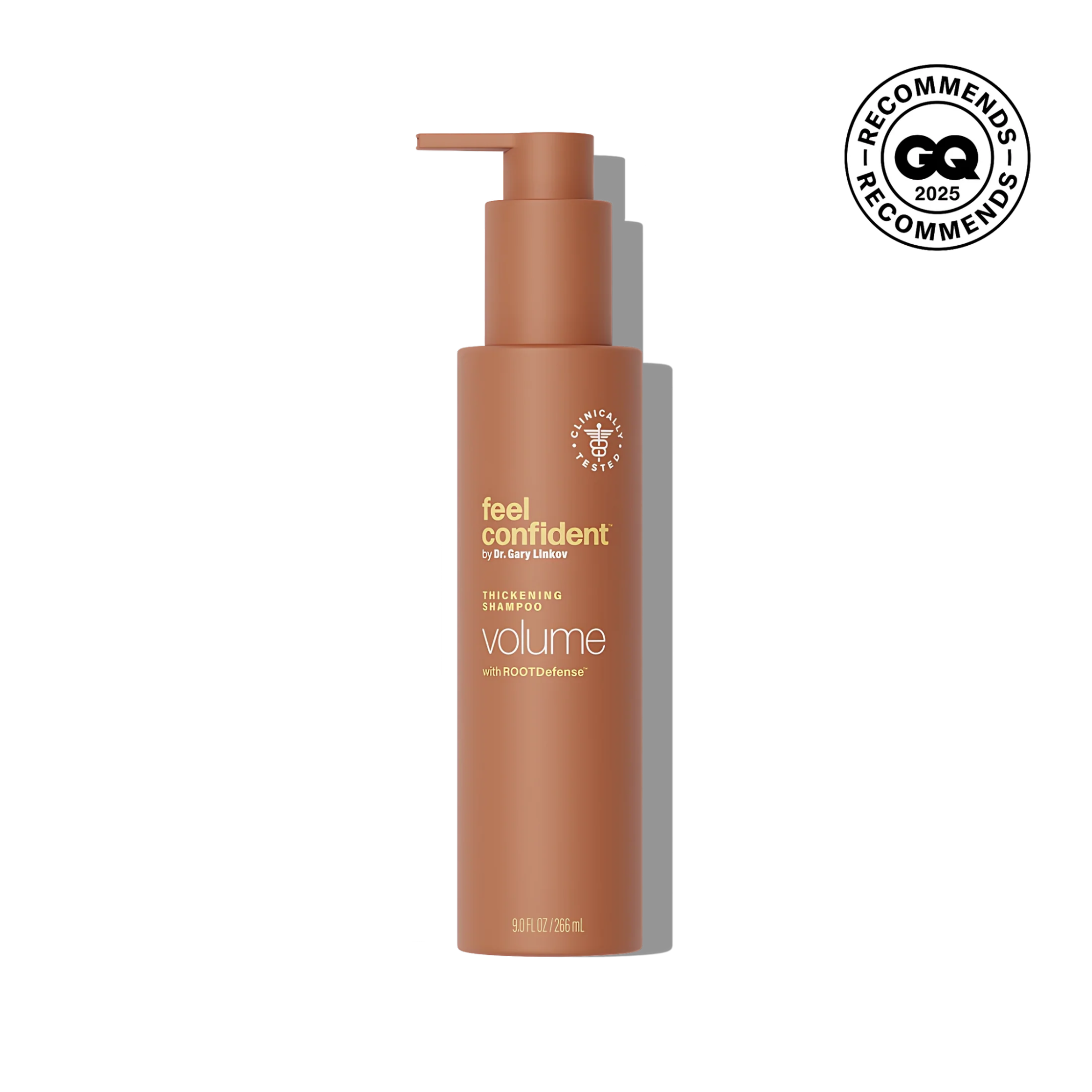
Figure 3. Feel confident thickening shampoo.[10]Feel Confident, (no date), Thickening Shampoo. Available at: https://feelconfident.com/products/thickening-shampoo (Accessed: 31 March 2026)
#3: Hims Thick Fix Thickening Shampoo ($19 for 190 mL)
Hims’ thick fix thickening shampoo is built around saw palmetto as its main ingredient. The rest of the formula is more focused on cleaning the hair and scalp.
As discussed earlier, there is some evidence to support saw palmetto as a hair shampoo ingredient, but remember that this study involved a leave-on product that was in contact with the scalp for 30 minutes before washing off. So in reality, when this ingredient is washed off as a shampoo, its effects are likely to be limited.[11]Sudeep, H.V., Rashmi, S., Jestin, T.V., Richards, A., Gouthamchandra, K., Shyamprasad, K. (2023). Oral and Topical Administration of a Standardized Saw Palmetto Oil Reduces Hair Fall and Improves the … Continue reading
Compared to other hair shampoo formulations that include multiple evidence-backed ingredients (like caffeine alongside saw palmetto), this makes it a less robust option from a hair volumizing perspective.
This shampoo also includes eucalyptus, which gives it a light, fresh scent. At $19 for 190 mL, it is one of the cheaper options upfront, although the smaller bottle size may mean the cost difference may be less significant over time, depending on usage.
Overall, similarly to other shampoos, Hims’ thick fix thickening shampoo is best seen as a supporting product rather than something that will meaningfully improve hair thinning on its own.
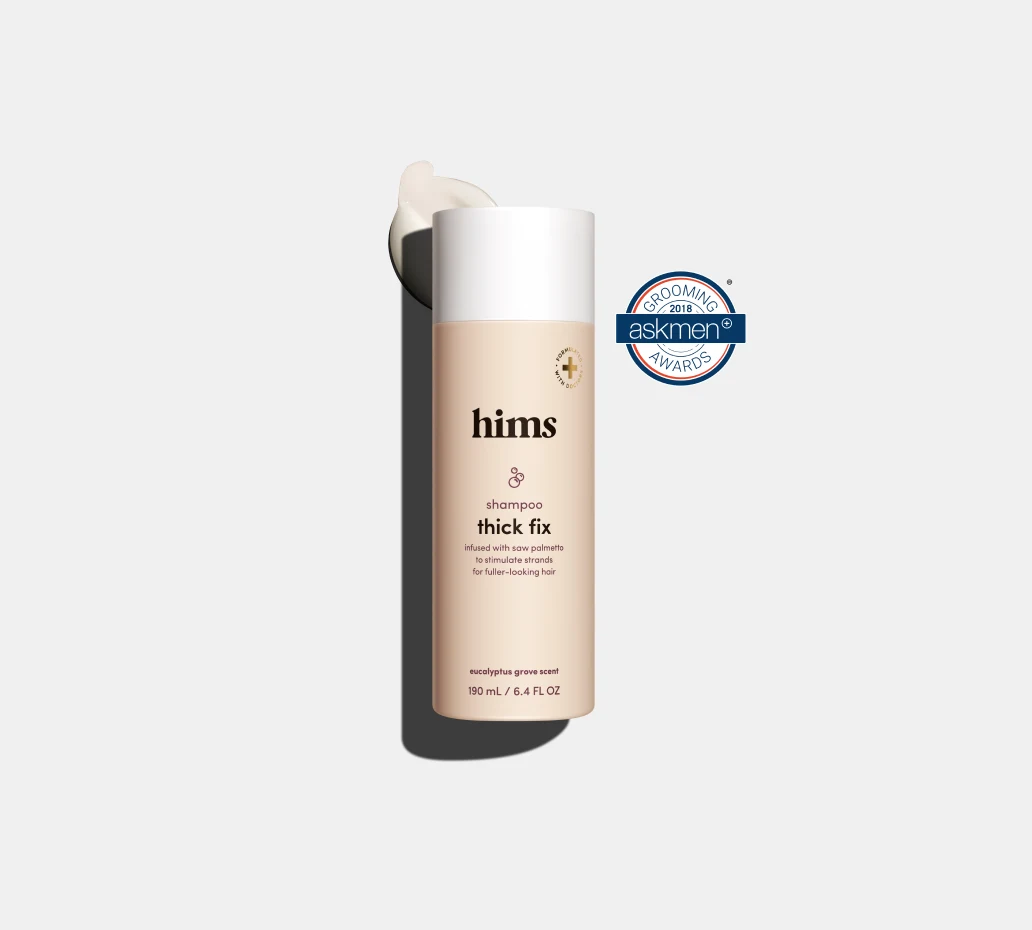
Figure 4. Him’s thickening shampoo.[12]Hims, (no date), Hair Thickening Shampoo. Available at: https://www.hims.com/hair-care/hair-thickening-shampoo (Accessed: 31 March 2026)
#4: Ro’s Revive Shampoo ($24 for 236.6 mL)
Ro’s revive shampoo includes a mix of familiar ingredients like caffeine, saw palmetto, pumpkin seed oil, and salicylic acid, which are commonly used in hair shampoos.
Ro states their formula is free from parabens and includes a peppermint scent, giving it a clean, refreshing feel during use.
It is priced at around $24 for a three-month supply. It’s an affordable option, but its formulation seems to be relatively simple compared to more comprehensive shampoos. As with all other hair loss shampoos, any benefits will most likely be modest, so they are best used as a supporting product in a hair loss regimen.
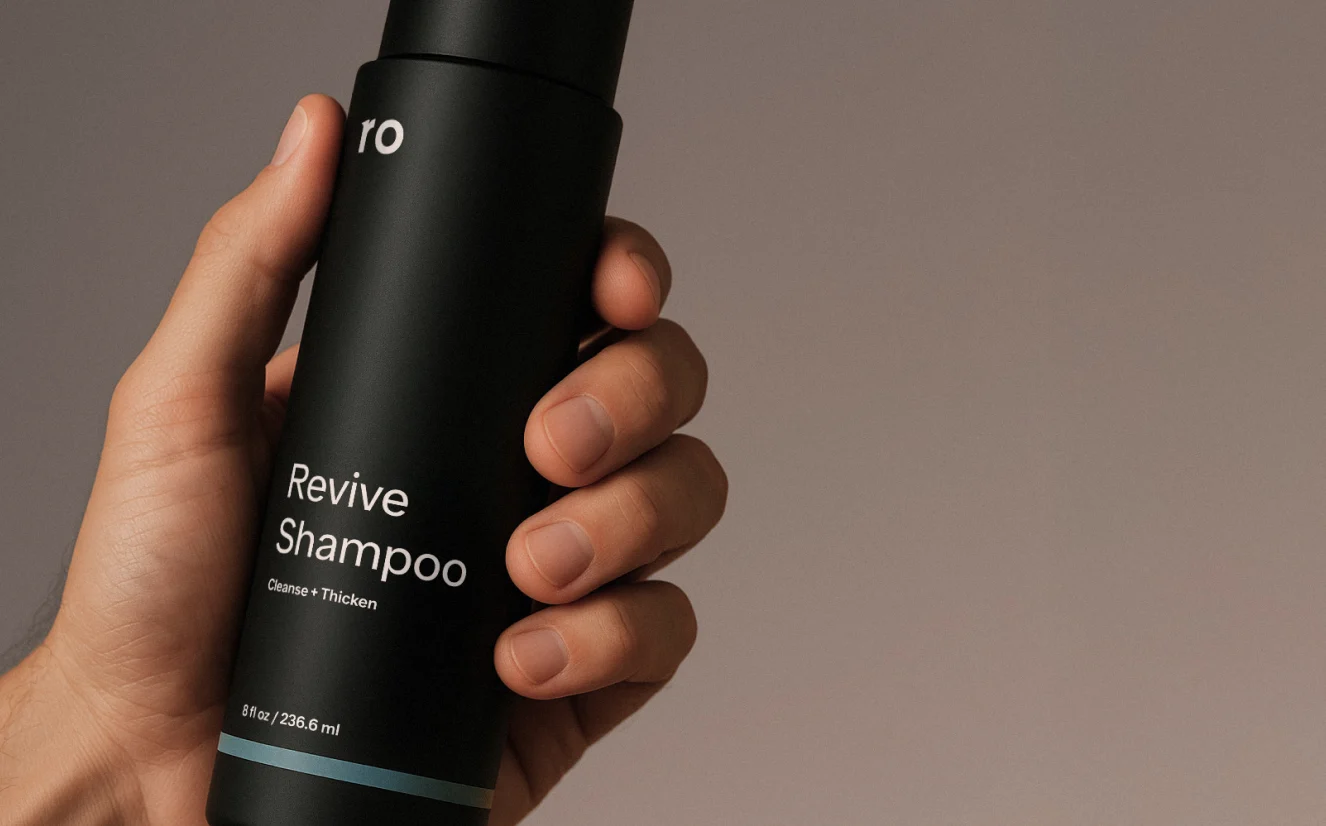
Figure 5. Ro’s revive shampoo.[13]Ro, (no date), Revive Shampoo. Available at: https://ro.co/products/revive-shampoo/ (Accessed: 31 March 2026)
Best Regrowth-Support Shampoos
This next category of shampoos contain ingredients with at least some clinical evidence behind them in shampoo formulation. While rinse-off products are not likely to cause dramatic hair growth on their own, they may support scalp health, reduce shedding, and complement proven treatments.
#1: Nizoral (~$16 for 200 mL)
Nizoral can fit into both of our regrowth and anti-dandruff shampoo categories. It is a well-known over-the-counter hair product best known as an anti-dandruff shampoo. Its active ingredient is ketoconazole, which is an antifungal commonly used for dandruff and seborrheic dermatitis.
Ketoconazole can help to reduce inflammation and microbial overgrowth on the scalp, both of which can contribute to excessive shedding in conditions like telogen effluvium. Ketoconazole may also support hair growth by prolonging the anagen (growth) phase of the hair cycle.
For AGA, ketoconazole may have additional benefits by modestly reducing scalp DHT levels, inhibiting 5-alpha reductase (5AR), blocking androgen receptors, and improving overall scalp health.
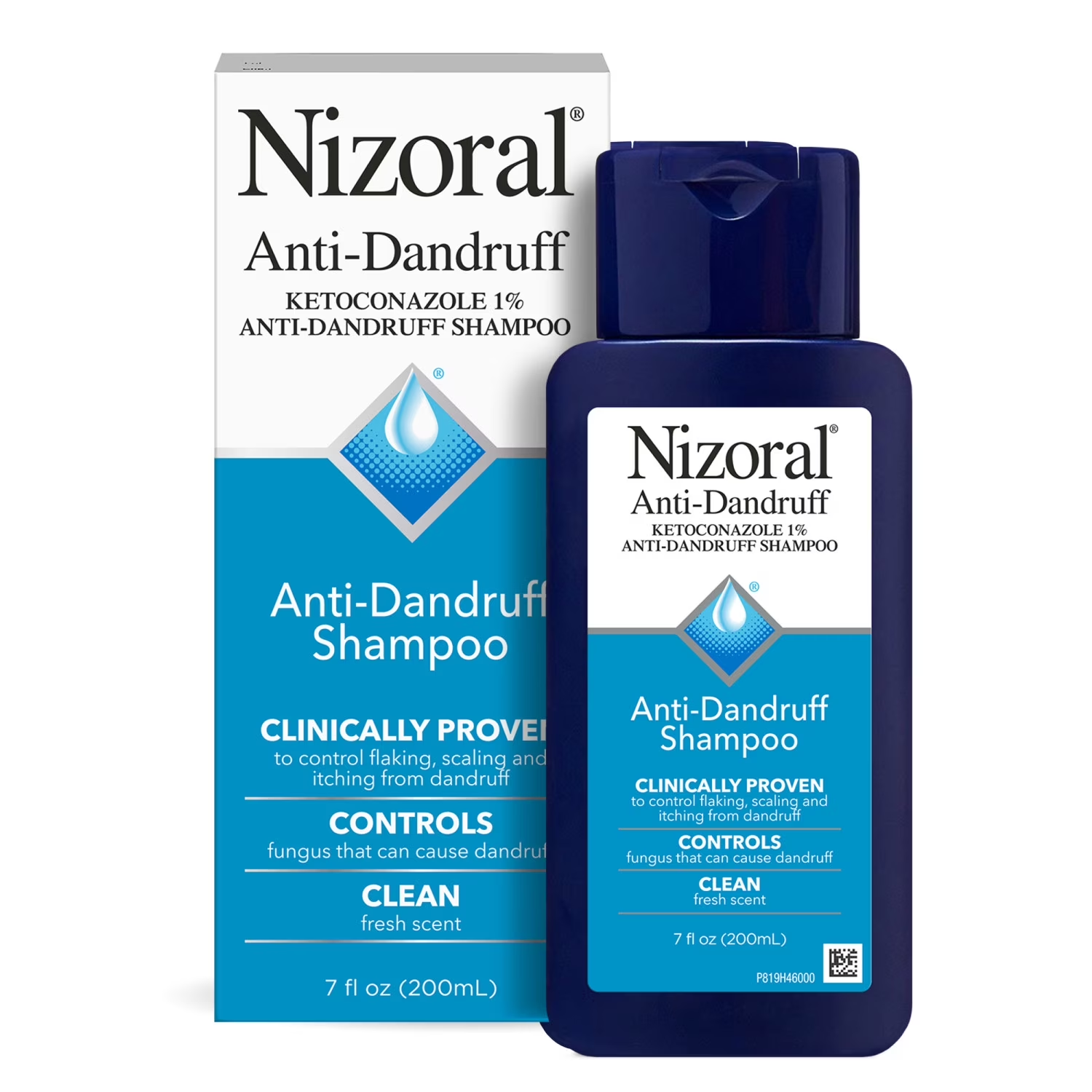
Figure 6. Nizoral shampoo, containing 1% ketoconazole.[14]Walmart, (no date), Nizoral Anti-Dandruff Shampoo With 1 Ketoconazole Fresh Scent 7 Fl Oz. Available at: … Continue reading
What Does the Evidence Say?
When we look at the evidence for ketoconazole, there are many published studies across a range of populations. For this article, we have focused primarily on studies involving men with AGA. Here’s a breakdown of the key research:
Study #1: [15]Piérard-Franchimont, C., De Doncker, P., Cauwenbergh, G., Piérard, G.E. (1998). Ketoconazole Shampoo: Effect of Long-Term Use in Androgenic Alopecia. Dermatology. 196(4). 474-7. Available at: … Continue reading
- Design: Controlled comparative study.
- Participants: 39 men with AGA aged 21-33; 22 non-AGA age-matched controls.
- Duration: 21 months.
- Treatment: 2% ketoconazole shampoo vs normal shampoo (2-4 times/week)
- Key findings:
- Pilary index (% hairs in anagen hairs times average hair-shaft diameter) in AGA men increased progressively with ketoconazole.
- The control group showed a gradual decline.
- No change in non-AGA controls.
Study #2: [16]Piérard-Franchimont, C., De Doncker, P., Cauwenbergh, G., Piérard, G.E. (1998). Ketoconazole Shampoo: Effect of Long-Term Use in Androgenic Alopecia. Dermatology. 196(4). 474-7. Available at: … Continue reading
- Design: Pilot study.
- Participants: 8 men with AGA aged 24-29.
- Duration: 6 months.
- Treatment: 2% ketoconazole shampoo vs 2% minoxidil lotion.
- Key findings:
- Ketoconazole: +18% hair density, +7% shaft diameter, -19% sebaceous gland size.
- Minoxidil: +11% hair density, +7% shaft diameter, +5% sebaceous gland size.
Study #3: [17]Piérard-Franchimont, C., Goffin, V., Henry, F., Uhoda, I., Braham, C., Piérard, G.E. (2002). Nudging Hair Shedding By Antidandruff Shampoos: A Comparison Of 1% Ketoconazole, 1% Piroctone Olamine … Continue reading
- Design: Randomized controlled trial.
- Participants: 150 men with telogen effluvium + AGA + dandruff.
- Duration: 6 months.
- Treatment: 1% ketoconazole vs 1 % piroctone olamine vs 1% zinc pyrithione shampoos (2-3 times/week)
- Key findings:
- Ketoconazole: -17.3% shedding, +4.9% anagen hair ratio, -4.8% sebum excretion.
- No difference in hair density.
- Pruritus and dandruff cleared in all groups.
Study #4: [18]Khandpur, S., Suman, M., Reddy, B.S. (2002). Comparative Efficacy Of Various Treatment Regimens For Androgenetic Alopecia In Men. J Dermatol. 29(8). 489-98. Available at: … Continue reading
- Design: Open-label, randomized parallel-group trial.
- Participants: 100 men with AGA.
- Duration: 12 months.
- Treatment: 1 mg/day oral finasteride + 2% ketoconazole shampoo vs 1 mg/day oral finasteride vs 2% topical minoxidil vs 1 mg/day oral finasteride + 2% topical minoxidil.
- Key findings:
- Finasteride + minoxidil and finasteride + ketoconazole had the best improvement scores for both self- and physician-assessments.
- Finasteride + minoxidil slightly outperformed finasteride + ketoconazole.
Study #5: [19]Rafi, A.W., Katz, R.M. (2011). Pilot Study Of 15 Patients Receiving A New Treatment Regimen For Androgenic Alopecia: The Effects Of Atopy On AGA. ISRN Dermatol. 2011. 241953. Available at: … Continue reading
- Design: Pilot study.
- Participants: 15 men with AGA + atopic or seborrheic dermatitis.
- Duration: 9 months.
- Treatment: 2% ketoconazole shampoo + NuH Hair + 1 mg/day finasteride + minoxidil foam vs NuH Hair vs 2% ketoconazole + NuH Hair + 1 mg/day finasteride vs 2% ketoconazole shampoo + NuH Hair.
- Key findings:
- 30 days for hair regrowth with NuH Hair + finasteride + minoxidil + ketoconazole and NuH Hair + finasteride + ketoconazole.
- 60 days for hair regrowth with NuH Hair + ketoconazole.
- 90 days for hair regrowth with NuH Hair alone.
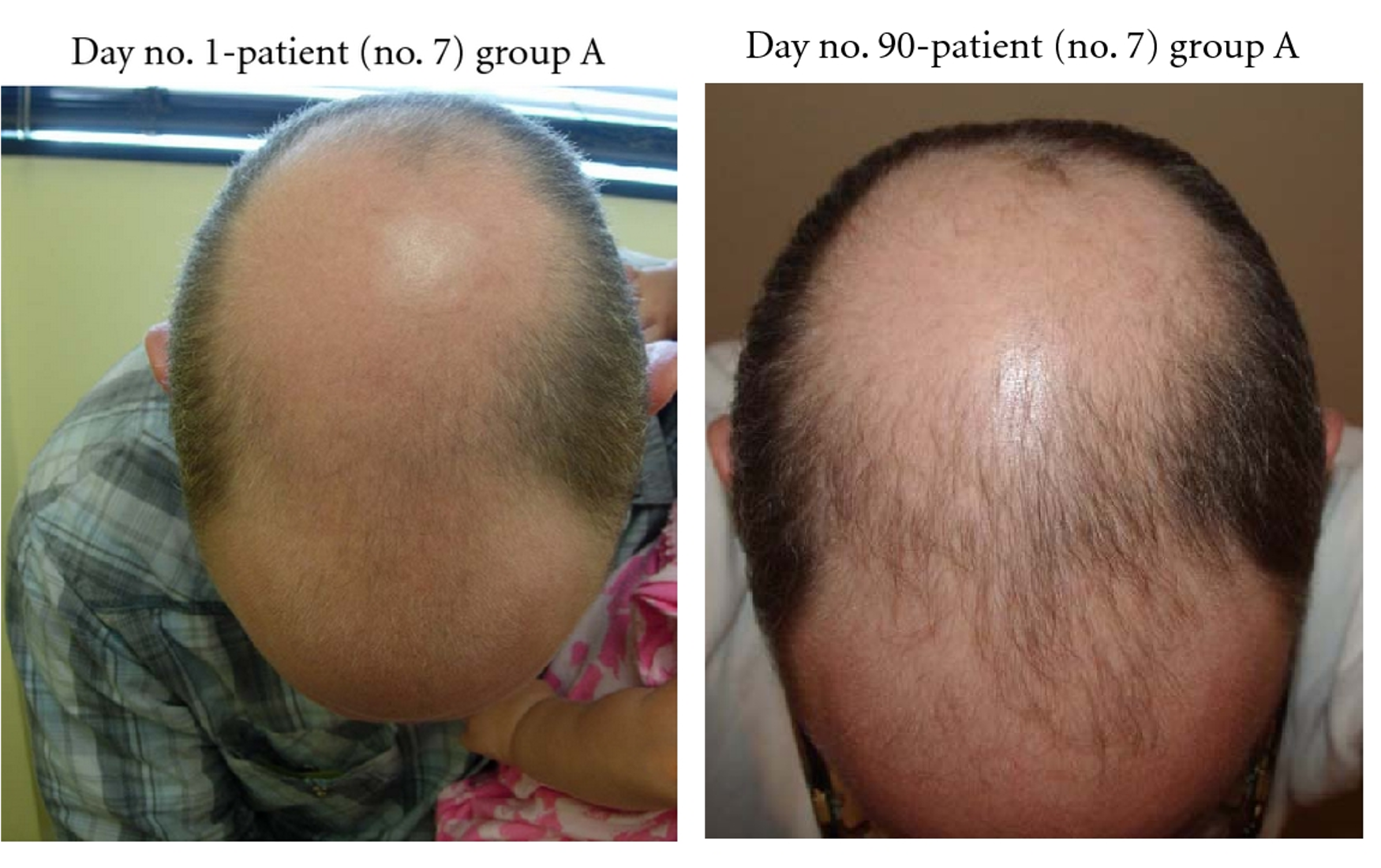
Figure 7. Patient with stage AGA who received 2% ketoconazole shampoo + NuH Hair + 1 mg/day finasteride + minoxidil foam. (a) Day 1, (b) Day 90. Adapted from Figure 1.[20]Rafi, A.W., Katz, R.M. (2011). Pilot Study Of 15 Patients Receiving A New Treatment Regimen For Androgenic Alopecia: The Effects Of Atopy On AGA. ISRN Dermatol. 2011. 241953. Available at: … Continue reading Used under Creative Commons license.
Overall, the key ingredient found in Nizoral, ketoconazole, has strong scientific evidence supporting its use for hair growth. It tends to work best when used alongside proven treatments like finasteride, so it should be viewed as an additional step in your hair care regimen rather than a standalone solution. It may be especially useful for those with dandruff or seborrheic dermatitis.
Nizoral can be purchased over the counter at 1% concentration, typically costing around $16 for 200 mL. Stronger formulations of ketoconazole (2%) are available, but they require a prescription. Most of the clinical evidence supports the 2% strength, although direct comparisons between 1% and 2% are lacking, so conclusions should be interpreted with some caution.
If you’re a member, you can find out more about ketoconazole in our ultimate guide here.
#2: DHS Zinc Shampoo (~$13 for 240 mL)
DHS zinc shampoo is a simple option built around 2% zinc pyrithione, which is an ingredient most commonly used to treat dandruff and seborrheic dermatitis. This shampoo is not marketed as a hair growth shampoo, but it plays a role in maintaining scalp health, which could indirectly support hair retention.
Pyrithione zinc works by reducing Malassezia yeast on the scalp, as well as lowering inflammation and irritation.[21]Leong, C., Wang, J., Toi, M.J., Lam, Y.I., Goh, J.P., Lee, S.M., Dawson, T.L. (2021). Effect Of Zinc Pyrithione Shampoo Treatment On Skin Commensal Malassezia. Med Mycol. 59(2). 210-213. Available … Continue reading For men with dandruff or mild scalp conditions, this can help reduce itching, flaking, and potentially shedding linked to inflammation.
It is priced at around $13, which is one of the more affordable options on the list and is widely available. It’s particularly well-suited for those who want a shampoo with a light fragrance.
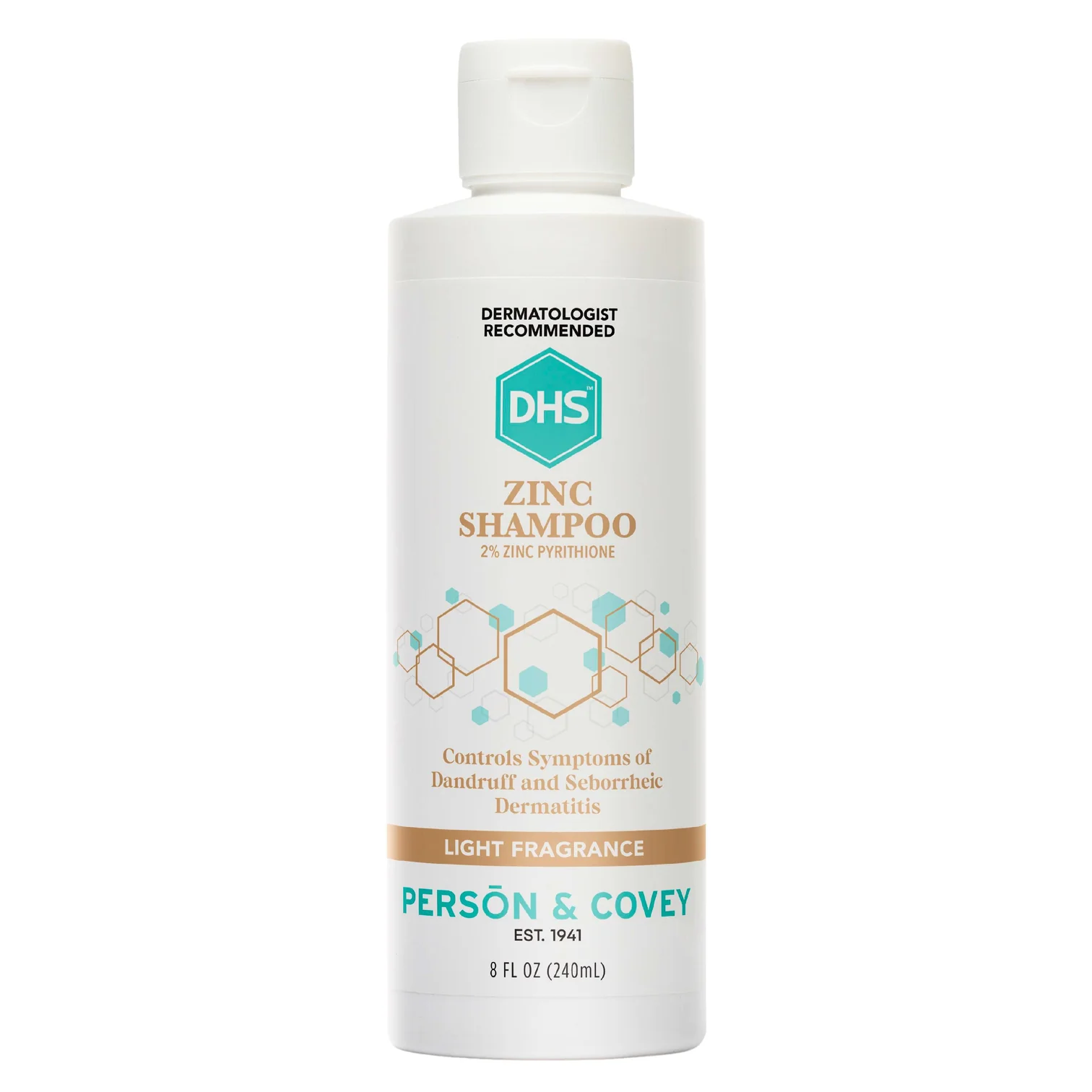
Figure 8. DHS Zinc shampoo containing 2% zinc pyrithione.[22]Person And Covey, (no date), DHS Zinc Shampoo. Available at: https://personandcovey.com/products/dhs-zinc-shampoo (Accessed: 07 April 2026)
What Does the Evidence Say?
Here is a breakdown of the clinical evidence for zinc pyrithione shampoos:
Study #1: [23]Piérard-Franchimont, C., Goffin, V., Henry, F., Uhoda, I., Braham, C., Piérard, G.E. (2002). Nudging Hair Shedding By Antidandruff Shampoos: A Comparison Of 1% Ketoconazole, 1% Piroctone Olamine … Continue reading
- Design: Randomized controlled trial.
- Participants: 150 men with telogen effluvium + androgenetic alopecia + dandruff.
- Duration: 6 months.
- Treatment: 1% ketoconazole vs 1% piroctone olamine vs 1% zinc pyrithione shampoos (2-3x/week).
- Key findings:
- Zinc pyrithione: -10.1% hair shedding, +6.8% anagen hair ratio, -5.5% sebum excretion.
- No difference in hair density.
- Pruritus and dandruff cleared in all groups.
Study #2: [24]Berger, R.S., Fu, J.L., Smiles, K.A., Turner, C.B., Schnell, B.M., Werchowski, K.M., Lammers, K.M. (2003). The Effects Of Minoxidil, 1% Pyrithione Zinc And A Combination Of Both On Hair Density: A … Continue reading
- Design: Randomized, investigator-blinded, parallel-group trial.
- Participants: 200 men with androgenetic alopecia aged 18-49.
- Duration: 6 months.
- Treatment: 1% pyrithione zinc shampoo (1x/day) vs 5% minoxidil topical solution (2x/day) vs placebo shampoo vs combination (1% pyrithione zinc + 5% minoxidil).
- Key findings:
- Pyrithione zinc: Increased total visible hair count vs placebo by week 9; effect was less than half that of minoxidil.
- Minoxidil: Greater increase in hair count vs pyrithione zinc and placebo.
- Combination: No additional benefit over minoxidil alone.
The DHS zinc shampoo is best thought of as a scalp health shampoo rather than primarily for regrowth. There is some clinical evidence that demonstrates that zinc pyrithione may help to reduce shedding and improve hair cycle markers, especially in men with dandruff or scalp inflammation.
That said, it is worth noting that most of the evidence for zinc pyrithione in shampoos is based on 1% formulations. So it is not entirely clear whether the higher concentration provides additional benefits for hair regrowth.
Overall, the effects of zinc pyrithion are modest compared to proven treatments like minoxidil. For most men, this type of shampoo works best as part of a broader hair routine.
Interested in Topical Minoxidil?
High-strength topical minoxidil available, if prescribed*
Take the next step in your hair regrowth journey. Get started today with a provider who can prescribe a topical solution tailored for you.
*Only available in the U.S. Prescriptions not guaranteed. Restrictions apply. Off-label products are not endorsed by the FDA.
#3: Dermaharmony 2% Pyrithione Zinc Shampoo Bar (~$12 for 113 g)
The DermaHarmony’s shampoo bar is a 2% zinc pyrithione-containing option. It is designed primarily for dandruff control and scalp health. There is some clinical evidence supporting this ingredient, as discussed earlier, but most studies are based on 1% formulations. So it is unclear whether the higher concentration will have any additional indirect benefits.
This product comes as a solid shampoo bar, making it a practical and more environmentally friendly option compared to bottled shampoos. It is compact, travel-friendly, and reduces the use of plastics, which may appeal to men looking for a simpler routine or something convenient for use on the go.
There are a couple of variations available, including a tea tree version and a fragrance-free option. The tea tree option has a more noticeable smell, whilst the fragrance-free version may be better suited for those with sensitive scalps. Overall, it’s a well-priced, environmentally friendly option for maintaining scalp health and supporting regrowth.
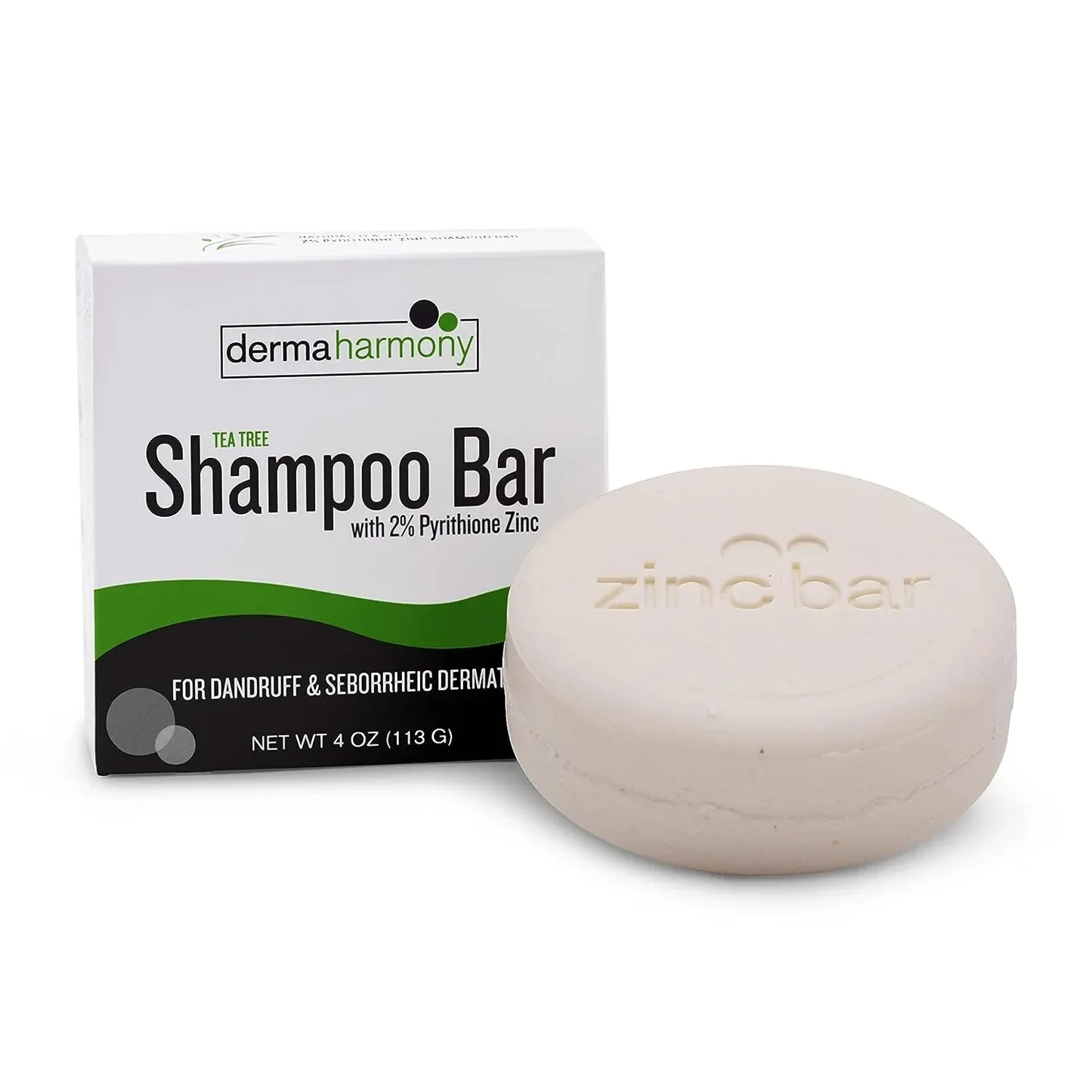
Figure 9. DermaHarmony’s shampoo bar containing 2% zinc pyrithione.[25]Walmart, (no date), DermaHarmony Sulfur Salicylic Acid Bar Soap 3.7 Oz 1 Bar. Available at: https://www.walmart.com/ip/DermaHarmony-Sulfur-Salicylic-Acid-Bar-Soap-3-7-oz-1-Bar/322900625 (Accessed: 07 … Continue reading
Best Anti-Dandruff Shampoos
These shampoos are especially useful for men with dandruff or seborrheic dermatitis. By reducing inflammation, flaking, and scalp irritation, they may create a healthier scalp environment and help to reduce shedding that is being worsened by these conditions.
#1: Vichy Laboratoires Dercos Selenium Sulfide Anti-Dandruff Shampoo ($19.99 for 200mL)
Vichy Laboratories Dercos shampoo contains 1% selenium sulfide and 1% salicylic acid. This shampoo may be considered slightly more on the expensive side for anti-dandruff shampoos, so it may be a more premium option best suited to those with persistent or moderate-to-severe dandruff.
Selenium sulfide is an antifungal ingredient that also reduces Malassezia yeast on the scalp. It can also help to slow down skin cell turnover, which can reduce flaking and irritation.[26]Godse, G., Godse, K., (2024). Safety, Efficacy And Attributes Of 2.5% Selenium Sulfide Shampoo In The Treatment Of Dandruff: A Single-Center Study. Cureus. 16(3). e57148. Available at: … Continue reading
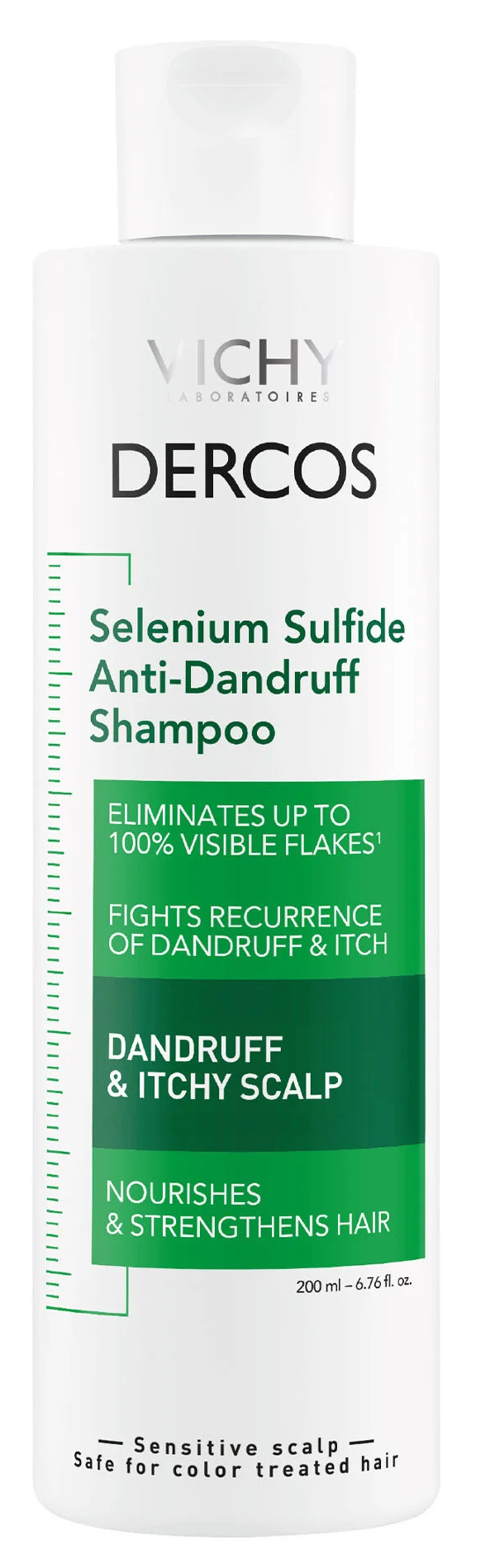
Figure 10. Vichy Laboratories Dercos shampoo containing 1% selenium sulfide.[27]Vichy, (no date), Dercos Selenium Sulfide Anti Dandruff Shampoo. Available at: https://www.vichyusa.com/dercos-selenium-sulfide-anti-dandruff-shampoo-antidandruffshampoo.html (Accessed: 07 April 2026)
What Does the Evidence Say?
Here is a breakdown of some of the clinical evidence for selenium sulfide shampoos:
Study #1: [28]Danby, F.W., Maddin, W.S., Margesson, L.J., Rosenthal, D. (1993). A Randomized, Double-Blind, Placebo-Controlled Trial Of Ketoconazole 2% Shampoo Versus Selenium Sulfide 2.5% Shampoo In The Treatment … Continue reading
- Design: Randomized, double-blind, placebo-controlled trial.
- Participants: 246 adults with moderate-to-severe dandruff.
- Duration: 4 weeks.
- Treatment: 2.5% selenium sulfide shampoo vs 2% ketoconazole shampoo vs placebo.
- Key findings:
- Both selenium sulfide and ketoconazole reduced dandruff scores and itch compared to placebo. Ketoconazole was superior on day 8.
Study #2: [29]Barbosa, V., Melo, D.F., Vañó-Galván, S., Lutchmanen-Kolanthan, V., Sant’Anna, B., Leclerc-Mercier, S., Reygagne, P. (2024). A Comparative Randomized Clinical Study Assessing The Efficacy Of … Continue reading
-
- Design: Randomized, double-blind, comparative clinical trial.
- Participants: 64 individuals with moderate-to-severe scalp seborrheic dermatitis.
- Duration: 28 days.
- Treatment: 1% selenium disulfide shampoo (3x/week) vs 2% ketoconazole shampoo (2x/week).
- Key findings:
-
- Selenium disulfide: 71% reduction in disease severity by day 28.
- Ketoconazole: 69% reduction in disease severity by day 28.
Overall, selenium sulfide shampoos are a strong option for managing dandruff and seborrheic dermatitis. The clinical evidence suggests that selenium sulfide-containing shampoos may be effective at reducing flaking, itching, and overall scalp severity, and results may be comparable to ketoconazole in some cases.
While the Vichy Laboratories Dercos shampoo is not a primary hair growth treatment, it can play an important role in reducing inflammation-driven shedding and improving overall scalp health.
#2: Selsun Blue Medicated Anti-dandruff Shampoo (~$8 for 325 mL)
Selsun blue is one of the most widely available selenium sulfide shampoos. It contains 1% selenium sulfide and is designed to control dandruff, reduce flaking, and relieve scalp irritation, making it a practical and accessible option for ongoing scalp maintenance.
Compared to higher-strength formulations, it is generally a milder, everyday option. It is affordable and easy to find, making it a good entry point to anti-dandruff shampoo without needing prescription-strength treatments.
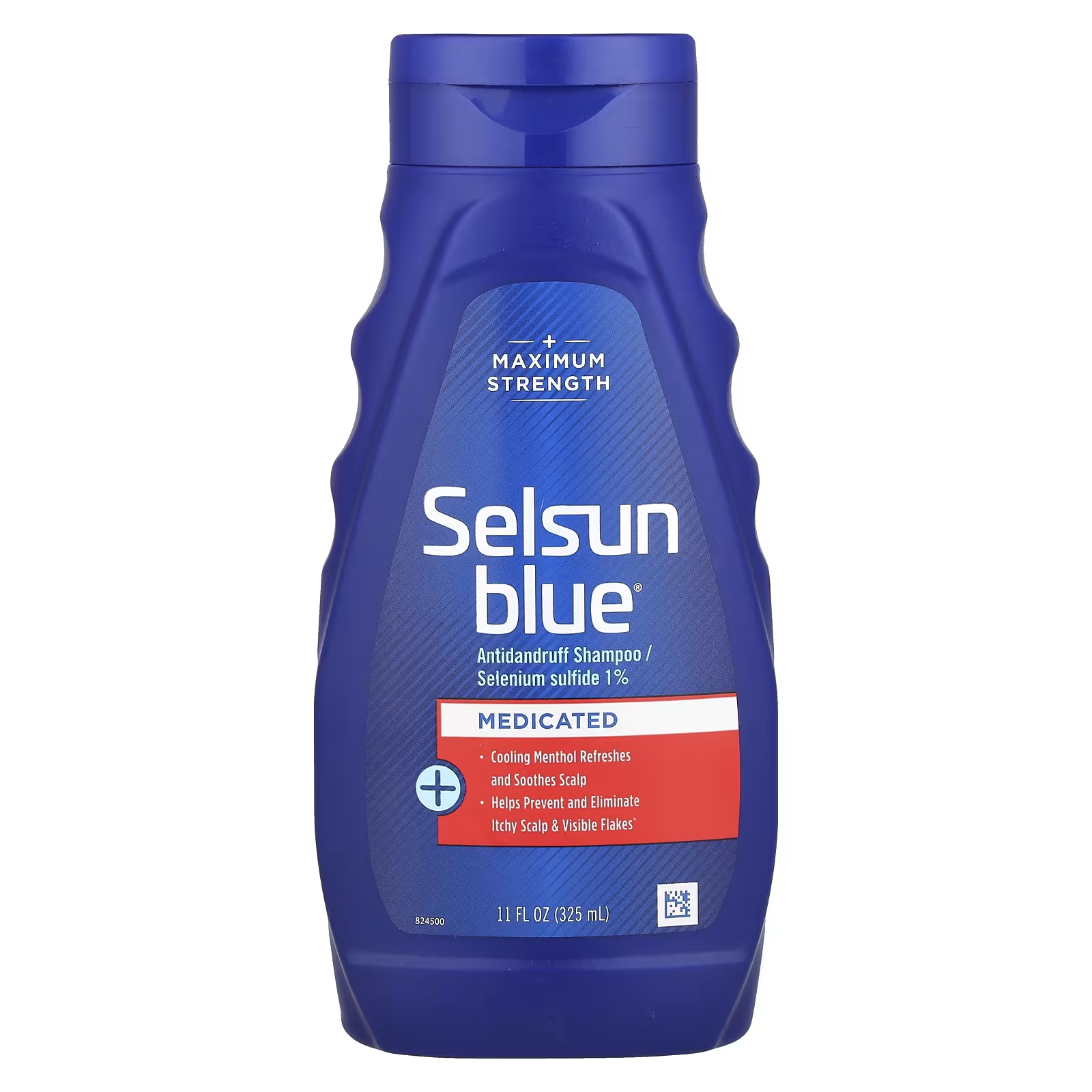
Figure 11. Selsun blue medicated anti-dandruff shampoo.[30]Walmart, (no date), Selsun Blue Medicated W Menthol Dandruff Shampoo 11 Fl Oz. Available at: https://www.walmart.com/ip/Selsun-Blue-Medicated-W-Menthol-Dandruff-Shampoo-11-fl-oz/10307723 (Accessed: … Continue reading
#3: Medicasp Coal Tar Dandruff Shampoo (~$8 for 177 mL)
Medicasp contains coal tar, an older but still commonly used ingredient for dandruff and scalp conditions. It works by slowing down the rate of skin cell turnover, which can help reduce flaking, scaling, and irritation.
Coal tar shampoos tend to be used more for persistent dandruff or conditions like seborrheic dermatitis, although they tend to be less commonly used today compared to newer antifungal options like ketoconazole or selenium sulfide. Some users may also find the smell less pleasant, which can be a drawback.
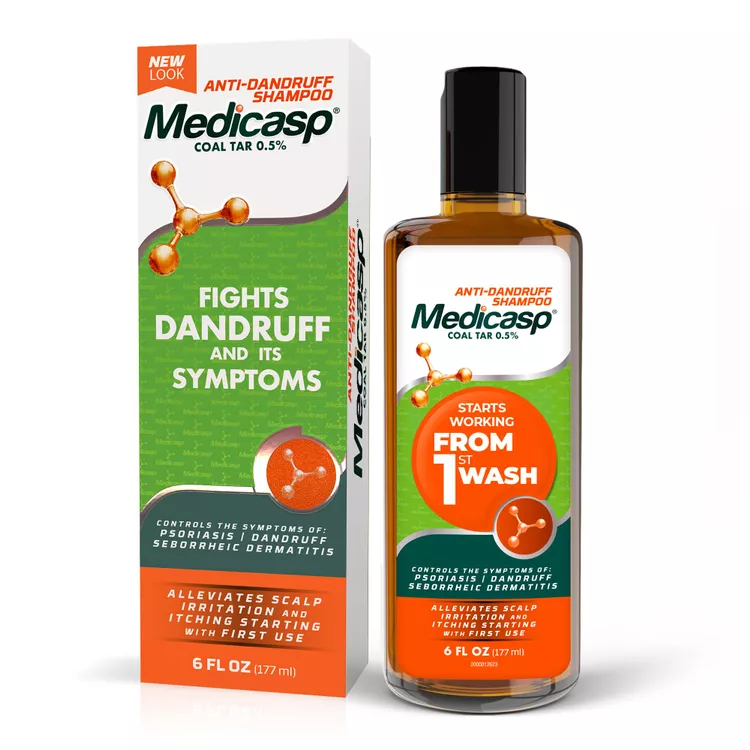
Figure 12. Medicasp coal tar dandruff shampoo.[31]Walmart, (no date), Medicasp Coal Tar Dandruff Shampoo For Dandruff Seborrheic Dermatitis And Psoriasis 6 Fl Oz. Available at: … Continue reading
What Does the Evidence Say?
Here is a breakdown of some of the clinical evidence for coal tar shampoos:
Study #1: [32]Goyal, A. (2025). Comparative Study Of Ketoconazole-Based Shampoo Versus Coal Tar-Based Shampoo In Seborrheic Dermatitis. Int. J Med. Pharm. Res. 6(4). 208–211
-
- Design: Comparative clinical trial.
- Participants: 100 individuals with mild-to-moderate scalp seborrheic dermatitis.
- Duration: 4 weeks.
- Treatment: 1% coal tar shampoo vs 2% ketoconazole shampoo (2x/week).
- Key findings:
-
- Coal tar: Reduced disease severity from baseline by week 4.
- Ketoconazole: Reduced disease severity from baseline; superior in faster symptom improvement, greater overall efficacy, and fewer side effects compared to coal tar.
Overall, coal tar shampoos may be effective for reducing dandruff and scalp irritation in some milder cases. But compared to options like ketoconazole, coal tar shampoos do seem to be less effective and take longer to work.
The Medicasp coal tar dandruff shampoo may be best suited as a secondary option for men who have not tolerated other anti-dandruff shampoos.
Final Thoughts
Overall, there are many shampoos for thinning hair, each with a different purpose. Some are designed to improve the appearance of fullness, and include ingredients like caffeine and saw palmetto, while others focus on scalp health and potential regrowth support and include ketoconazole or zinc pyrithione. Anti-dandruff options may include selenium sulfide or coal tar, which may help reduce irritation and shedding linked to scalp conditions.
That said, it is important to keep expectations realistic. Because shampoos are only in contact with the scalp for a short period of time, their effects on hair growth are likely to be limited. It is best to think of shampoo as a supportive add-on rather than a standalone treatment.
If regrowth is the main goal, other options like oral or topical leave-in dutasteride, finasteride, or minoxidil will most likely be far more effective than any hair loss shampoo. But as part of a broader routine, a good shampoo can still help improve scalp health and how your hair looks and feels day to day.
References[+]
References ↑1 Evron, E., Juhasz, M., Babadjouni, A., Mesinkovska, N.A., (2020). Natural Hair Supplement: Friend Or Foe? Saw Palmetto, A Systematic Review In Alopecia. Skin Appendage Disorders. 6(6). 329–337. Available at: https://doi.org/10.1159/000509905 ↑2 Patel, D.P., Swink, S.M., Castelo-Soccio, L., (2017). A Review Of The Use Of Biotin For Hair Loss. Skin Appendage Disorders. 3(3). 166–169. Available at: https://doi.org/10.1159/000462981 ↑3 Völker, J.M., Koch, N., Becker, M., Klenk, A., (2020). Caffeine And Its Pharmacological Benefits In The Management Of Androgenetic Alopecia: A Review. Skin Pharmacology And Physiology. 33(3). 153–169. Available at: https://doi.org/10.1159/000508228 ↑4 Celleno, L., Bussoletti, C., Tolaini, M.V., Rossi, A., Ala, L., Becker, M., Völker, J.M., Wiesche, E.S.Z. (2025). A Novel Approach Against Male Pattern Hair Loss With Topical Dimethylglycine Sodium Salt (DMG-Na) and Caffeine: Efficacy of a 24-Week, Double-Blind, Randomized, Placebo-Controlled Trial. J Cosmet Dermatol. 24(8). e70390. Available at: https://doi.org/10.1111/jocd.70390 ↑5 Celleno, L., Bussoletti, C., Tolaini, M.V., Rossi, A., Ala, L., Becker, M., Völker, J.M., Wiesche, E.S.Z. (2025). A Novel Approach Against Male Pattern Hair Loss With Topical Dimethylglycine Sodium Salt (DMG-Na) and Caffeine: Efficacy of a 24-Week, Double-Blind, Randomized, Placebo-Controlled Trial. J Cosmet Dermatol. 24(8). e70390. Available at: https://doi.org/10.1111/jocd.70390 ↑6 Ulo, (no date), Thickening Shampoo. Available at: https://ulo.co/products/thickening-shampoo (Accessed: 31 March 2026) ↑7 Celleno, L., Bussoletti, C., Tolaini, M.V., Rossi, A., Ala, L., Becker, M., Völker, J.M., Wiesche, E.S.Z. (2025). A Novel Approach Against Male Pattern Hair Loss With Topical Dimethylglycine Sodium Salt (DMG-Na) And Caffeine: Efficacy Of A 24-Week, Double-Blind, Randomized, Placebo-Controlled Trial. J Cosmet Dermatol. 24(8). e70390. Available at: https://doi.org/10.1111/jocd.70390 ↑8 Chen, D., Yu, F., Wang, C., Chen, H., Tan, J., Shi, Q., He, X., Liu, X., Wang, F., Zhao, H. (2024). Anti-Hair Loss Effect Of A Shampoo Containing Caffeine And Adenosine. Journal Of Cosmetic Dermatology. 23(9). 2927-2933. Available at: https://doi.org/10.1111/jocd.16347 ↑9, ↑11 Sudeep, H.V., Rashmi, S., Jestin, T.V., Richards, A., Gouthamchandra, K., Shyamprasad, K. (2023). Oral and Topical Administration of a Standardized Saw Palmetto Oil Reduces Hair Fall and Improves the Hair Growth in Androgenetic Alopecia Subjects – A 16-Week Randomized, Placebo-Controlled Study. Clin Cosmet Investig Dermatol. 16, 3251-3266. Available at: https://doi.org/10.2147/CCID.S435795 ↑10 Feel Confident, (no date), Thickening Shampoo. Available at: https://feelconfident.com/products/thickening-shampoo (Accessed: 31 March 2026) ↑12 Hims, (no date), Hair Thickening Shampoo. Available at: https://www.hims.com/hair-care/hair-thickening-shampoo (Accessed: 31 March 2026) ↑13 Ro, (no date), Revive Shampoo. Available at: https://ro.co/products/revive-shampoo/ (Accessed: 31 March 2026) ↑14 Walmart, (no date), Nizoral Anti-Dandruff Shampoo With 1 Ketoconazole Fresh Scent 7 Fl Oz. Available at: https://www.walmart.com/ip/Nizoral-Anti-Dandruff-Shampoo-with-1-Ketoconazole-Fresh-Scent-7-Fl-Oz/131537114 (Accessed: 31 March 2026) ↑15, ↑16 Piérard-Franchimont, C., De Doncker, P., Cauwenbergh, G., Piérard, G.E. (1998). Ketoconazole Shampoo: Effect of Long-Term Use in Androgenic Alopecia. Dermatology. 196(4). 474-7. Available at: https://doi.org/10.1159/000017954 ↑17 Piérard-Franchimont, C., Goffin, V., Henry, F., Uhoda, I., Braham, C., Piérard, G.E. (2002). Nudging Hair Shedding By Antidandruff Shampoos: A Comparison Of 1% Ketoconazole, 1% Piroctone Olamine And 1% Zinc Pyrithione Formulations. International Journal Of Cosmetic Science. 24(5). 249-256. Available at: https://doi.org/10.1046/j.1467-2494.2002.00145.x ↑18 Khandpur, S., Suman, M., Reddy, B.S. (2002). Comparative Efficacy Of Various Treatment Regimens For Androgenetic Alopecia In Men. J Dermatol. 29(8). 489-98. Available at: https://doi.org/10.1111/j.1346-8138.2002.tb00314.x ↑19 Rafi, A.W., Katz, R.M. (2011). Pilot Study Of 15 Patients Receiving A New Treatment Regimen For Androgenic Alopecia: The Effects Of Atopy On AGA. ISRN Dermatol. 2011. 241953. Available at: https://doi.org/10.5402/2011/241953 ↑20 Rafi, A.W., Katz, R.M. (2011). Pilot Study Of 15 Patients Receiving A New Treatment Regimen For Androgenic Alopecia: The Effects Of Atopy On AGA. ISRN Dermatol. 2011. 241953. Available at: https://doi.org/10.5402/2011/241953 ↑21 Leong, C., Wang, J., Toi, M.J., Lam, Y.I., Goh, J.P., Lee, S.M., Dawson, T.L. (2021). Effect Of Zinc Pyrithione Shampoo Treatment On Skin Commensal Malassezia. Med Mycol. 59(2). 210-213. Available at: https://doi.org/10.1093/mmy/myaa068 ↑22 Person And Covey, (no date), DHS Zinc Shampoo. Available at: https://personandcovey.com/products/dhs-zinc-shampoo (Accessed: 07 April 2026) ↑23 Piérard-Franchimont, C., Goffin, V., Henry, F., Uhoda, I., Braham, C., Piérard, G.E. (2002). Nudging Hair Shedding By Antidandruff Shampoos: A Comparison Of 1% Ketoconazole, 1% Piroctone Olamine And 1% Zinc Pyrithione Formulations. International Journal Of Cosmetic Science. 24(5). 249–256. Available at: https://doi.org/10.1046/j.1467-2494.2002.00145.x ↑24 Berger, R.S., Fu, J.L., Smiles, K.A., Turner, C.B., Schnell, B.M., Werchowski, K.M., Lammers, K.M. (2003). The Effects Of Minoxidil, 1% Pyrithione Zinc And A Combination Of Both On Hair Density: A Randomized Controlled Trial. British Journal Of Dermatology. 149(2). 354–362. Available at: https://doi.org/10.1046/j.1365-2133.2003.05435.x ↑25 Walmart, (no date), DermaHarmony Sulfur Salicylic Acid Bar Soap 3.7 Oz 1 Bar. Available at: https://www.walmart.com/ip/DermaHarmony-Sulfur-Salicylic-Acid-Bar-Soap-3-7-oz-1-Bar/322900625 (Accessed: 07 April 2026) ↑26 Godse, G., Godse, K., (2024). Safety, Efficacy And Attributes Of 2.5% Selenium Sulfide Shampoo In The Treatment Of Dandruff: A Single-Center Study. Cureus. 16(3). e57148. Available at: https://doi.org/10.7759/cureus.57148 ↑27 Vichy, (no date), Dercos Selenium Sulfide Anti Dandruff Shampoo. Available at: https://www.vichyusa.com/dercos-selenium-sulfide-anti-dandruff-shampoo-antidandruffshampoo.html (Accessed: 07 April 2026) ↑28 Danby, F.W., Maddin, W.S., Margesson, L.J., Rosenthal, D. (1993). A Randomized, Double-Blind, Placebo-Controlled Trial Of Ketoconazole 2% Shampoo Versus Selenium Sulfide 2.5% Shampoo In The Treatment Of Moderate To Severe Dandruff. J Am Acad Dermatol. 29(6). 1008–12. Available at: https://doi.org/10.1016/0190-9622(93)70282-x ↑29 Barbosa, V., Melo, D.F., Vañó-Galván, S., Lutchmanen-Kolanthan, V., Sant’Anna, B., Leclerc-Mercier, S., Reygagne, P. (2024). A Comparative Randomized Clinical Study Assessing The Efficacy Of A 1% Selenium Disulfide-Based Shampoo Versus 2% Ketoconazole Shampoo In Subjects With Moderate To Severe Scalp Seborrheic Dermatitis. Skin Appendage Disord. 10(6). 497–504. Available at: https://doi.org/10.1159/000539209 ↑30 Walmart, (no date), Selsun Blue Medicated W Menthol Dandruff Shampoo 11 Fl Oz. Available at: https://www.walmart.com/ip/Selsun-Blue-Medicated-W-Menthol-Dandruff-Shampoo-11-fl-oz/10307723 (Accessed: 07 April 2026) ↑31 Walmart, (no date), Medicasp Coal Tar Dandruff Shampoo For Dandruff Seborrheic Dermatitis And Psoriasis 6 Fl Oz. Available at: https://www.walmart.com/ip/Medicasp-Coal-Tar-Dandruff-Shampoo-for-Dandruff-Seborrheic-Dermatitis-and-Psoriasis-6-fl-oz/43174850 (Accessed: 07 April 2026) ↑32 Goyal, A. (2025). Comparative Study Of Ketoconazole-Based Shampoo Versus Coal Tar-Based Shampoo In Seborrheic Dermatitis. Int. J Med. Pharm. Res. 6(4). 208–211 Want help with your hair regrowth journey?
Get personalized support, product recommendations, video calls, and more from our researchers, trichologists, and PhD's dedicated to getting you the best possible outcomes.
Learn More
Sophie Grice, PhD
Sophie completed a BSc in Pharmacology before earning a PhD in Immunopharmacology at the University of Liverpool. Her doctoral research examined drug hypersensitivity reactions in patients treated with immune checkpoint inhibitors. She later pursued postdoctoral research focused on T cell mediated immune responses, with an emphasis on the immunogenicity of gene therapies.
"... Can’t thank @Rob (PHH) and @sanderson17 enough for allowing me to understand a bit what was going on with me and why all these [things were] happening ... "

 — RDB, 35, New York, U.S.A.
"... There is a lot improvement that I am seeing and my scalp feel alive nowadays... Thanks everyone. "

 — Aayush, 20’s, Boston, MA
"... I can say that my hair volume/thickness is about 30% more than it was when I first started."

 — Douglas, 50’s, Montréal, Canada
Want help with your hair regrowth journey?
Get personalized support, product recommendations, video calls, and more from our researchers, trichologists, and PhD's dedicated to getting you the best possible outcomes.
Join Now - Mission Statement