- About
- Mission Statement
Education. Evidence. Regrowth.
- Education.
Prioritize knowledge. Make better choices.
- Evidence.
Sort good studies from the bad.
- Regrowth.
Get bigger hair gains.
Team MembersPhD's, resarchers, & consumer advocates.
- Rob English
Founder, researcher, & consumer advocate
- Research Team
Our team of PhD’s, researchers, & more
Editorial PolicyDiscover how we conduct our research.
ContactHave questions? Contact us.
Before-Afters- Transformation Photos
Our library of before-after photos.
- — Jenna, 31, U.S.A.
I have attached my before and afters of my progress since joining this group...
- — Tom, 30, U.K.
I’m convinced I’ve recovered to probably the hairline I had 3 years ago. Super stoked…
- — Rabih, 30’s, U.S.A.
My friends actually told me, “Your hairline improved. Your hair looks thicker...
- — RDB, 35, New York, U.S.A.
I also feel my hair has a different texture to it now…
- — Aayush, 20’s, Boston, MA
Firstly thank you for your work in this field. I am immensely grateful that...
- — Ben M., U.S.A
I just wanted to thank you for all your research, for introducing me to this method...
- — Raul, 50, Spain
To be honest I am having fun with all this and I still don’t know how much...
- — Lisa, 52, U.S.
I see a massive amount of regrowth that is all less than about 8 cm long...
Client Testimonials150+ member experiences.
 Scroll DownPopular Treatments
- Treatments
Popular treatments. But do they work?
- Finasteride
- Oral
- Topical
- Dutasteride
- Oral
- Topical
- Mesotherapy
- Minoxidil
- Oral
- Topical
- Ketoconazole
- Shampoo
- Topical
- Low-Level Laser Therapy
- Therapy
- Microneedling
- Therapy
- Platelet-Rich Plasma Therapy (PRP)
- Therapy
- Scalp Massages
- Therapy
 More
More
IngredientsTop-selling ingredients, quantified.
- Saw Palmetto
- Redensyl
- Melatonin
- Caffeine
- Biotin
- Rosemary Oil
- Lilac Stem Cells
- Hydrolyzed Wheat Protein
- Sodium Lauryl Sulfate
 More
More
ProductsThe truth about hair loss "best sellers".
- Minoxidil Tablets
Xyon Health
- Finasteride
Strut Health
- Hair Growth Supplements
Happy Head
- REVITA Tablets for Hair Growth Support
DS Laboratories
- FoliGROWTH Ultimate Hair Neutraceutical
Advanced Trichology
- Enhance Hair Density Serum
Fully Vital
- Topical Finasteride and Minoxidil
Xyon Health
- HairOmega Foaming Hair Growth Serum
DrFormulas
- Bio-Cleansing Shampoo
Revivogen MD
- more
Key MetricsStandardized rubrics to evaluate all treatments.
- Evidence Quality
Is this treatment well studied?
- Regrowth Potential
How much regrowth can you expect?
- Long-Term Viability
Is this treatment safe & sustainable?
Free Research- Free Resources
Apps, tools, guides, freebies, & more.
- Free CalculatorTopical Finasteride Calculator
- Free Interactive GuideInteractive Guide: What Causes Hair Loss?
- Free ResourceFree Guide: Standardized Scalp Massages
- Free Course7-Day Hair Loss Email Course
- Free DatabaseIngredients Database
- Free Interactive GuideInteractive Guide: Hair Loss Disorders
- Free DatabaseTreatment Guides
- Free Lab TestsProduct Lab Tests: Purity & Potency
- Free Video & Write-upEvidence Quality Masterclass
- Free Interactive GuideDermatology Appointment Guide
- More
Articles100+ free articles.
-
ABS-201: Can Blocking the Prolactin Receptor Regrow Hair?
-
Best Topical Finasteride: 5 Top Products of 2026
-
Best Topical Dutasteride: 8 Choices for 2026
-
2.5mg Dutasteride: Before and After Photos [2026]
-
Best Minoxidil for Women: Top 7 Brands of 2026
-
Pumpkin Seed Oil for Hair Growth: Before and After Photos
-
Best Minoxidil for Men: Top Picks for 2026
-
Oral Minoxidil: Before and After Photos [2026]
PublicationsOur team’s peer-reviewed studies.
- Microneedling and Its Use in Hair Loss Disorders: A Systematic Review
- Use of Botulinum Toxin for Androgenic Alopecia: A Systematic Review
- Conflicting Reports Regarding the Histopathological Features of Androgenic Alopecia
- Self-Assessments of Standardized Scalp Massages for Androgenic Alopecia: Survey Results
- A Hypothetical Pathogenesis Model For Androgenic Alopecia:Clarifying The Dihydrotestosterone Paradox And Rate-Limiting Recovery Factors
Menu- AboutAbout
- Mission Statement
Education. Evidence. Regrowth.
- Team Members
PhD's, resarchers, & consumer advocates.
- Editorial Policy
Discover how we conduct our research.
- Contact
Have questions? Contact us.
- Before-Afters
Before-Afters- Transformation Photos
Our library of before-after photos.
- Client Testimonials
Read the experiences of members
Before-Afters/ Client Testimonials- Popular Treatments
-
ArticlesRo Hair Loss Review 2026: What They Don’t Tell You
First Published Apr 17 2026Last Updated Apr 14 2026Company Reviews Researched & Written By:Sophie Grice, PhD
 Reviewed By:Rob English, Medical Editor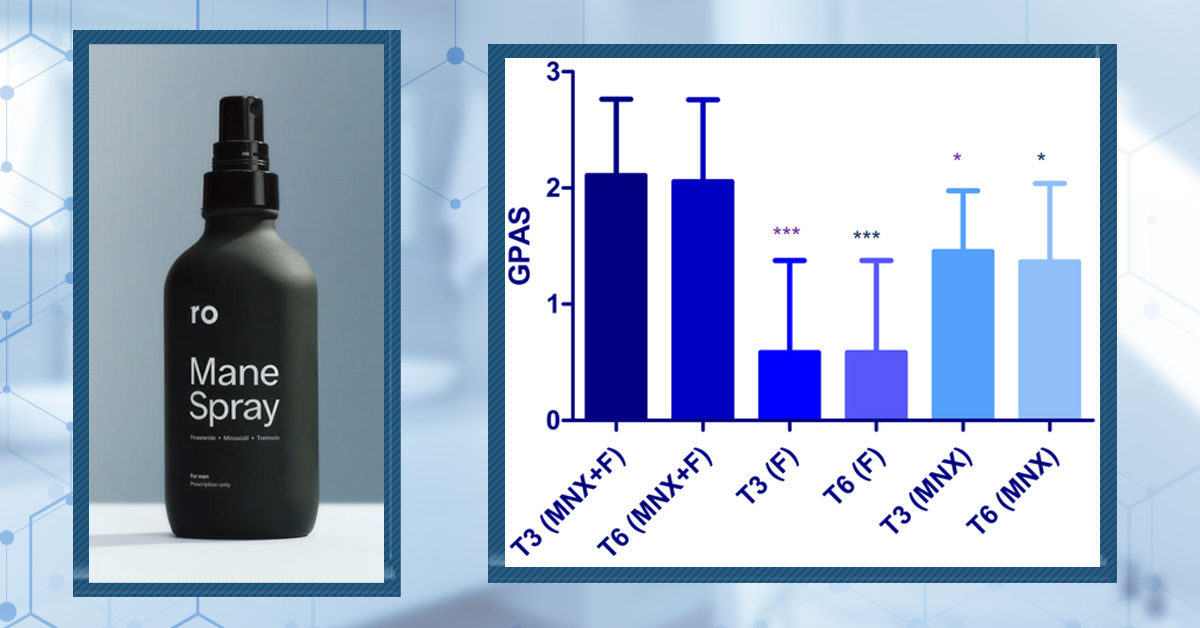
Want help with your hair regrowth journey?
Get personalized support, product recommendations, video calls, and more from our researchers, trichologists, and PhD's dedicated to getting you the best possible outcomes.
Learn MoreArticle Summary
When it comes to buying hair growth products through telehealth, strong marketing claims are common; but how well do they hold up under closer scrutiny?. Read this article to find out what hair growth products Ro offers, which ingredients have real scientific backing, and whether their products could effectively support hair loss management. That way, you can have more confidence about where you choose to buy your hair growth products.
Full Article
There are now hundreds of telehealth companies offering hair loss treatments. With so many options, it is becoming more difficult to determine which providers offer treatments that are science-backed and appropriate for long-term use.
Ro is a telehealth service based in the U.S. that provides both prescription and over-the-counter products for hair loss, sexual health, weight loss, dermatology, and other common conditions. Ro provides its services using virtual consultations and home delivery, making it an ideal option for anyone looking for convenient access to prescription-strength treatments without the need for in-person visits to a doctor or dermatologist.
Ro offers a range of hair growth products, including their combination topicals, which include minoxidil, finasteride, and tretinoin, as well as oral finasteride and minoxidil. These ingredients are commonly seen in hair loss products, but Ro’s bold marketing, for example, “See results in as little as 3 months,” have prompted us to take a closer look.
In this article, we’ll take a look at the hair growth products Ro offers, explore what the clinical evidence says about their ingredients, and dive into whether these products can support effective hair growth.
Key takeaways:
- Ro offers a range of hair growth products that include science-backed ingredients such as oral and topical minoxidil and oral finasteride.
- Their platform makes it easy to access prescription treatments through online consultations and home delivery.
- Pricing, dosing, and ingredient details are not always clearly presented upfront, which can make it harder to compare options before committing.
- While Ro suggests treatments can be customized, the extent of that flexibility is not always clear from their website.
- Statements like “See results in as little as 3 months” may be true for some users, but can benefit from additional explanation around typical timelines.
Interested in Oral Dutasteride?
Oral Dutasteride Hair gains bigger than finasteride? Dutasteride makes this possible, if prescribed*
Take the next step in your hair regrowth journey. Get started today with a provider who can prescribe a topical solution tailored for you.
*Only available in the U.S. Prescriptions not guaranteed. Restrictions apply. Off-label products are not endorsed by the FDA.
What Hair Loss Products Does Ro Offer?
Ro, as a brand, formerly had four different domains: Roman (men’s health), Rory (women’s health), Zero (stopping smoking), and Ro Body (weight loss). Now, they market themselves as just Ro and offer a range of hair growth products for both men and women, as well as a shampoo and conditioner. We’ll break down some of Ro’s key products for hair loss and what the science actually says.
Oral Finasteride Rx
Let’s start with Ro’s oral finasteride (generic Propecia), available at 1 mg per day and marketed in the men’s hair section of their website. Finasteride is an FDA-approved treatment for androgenic alopecia (AGA) in men, only available by prescription, and should be used under medical supervision.
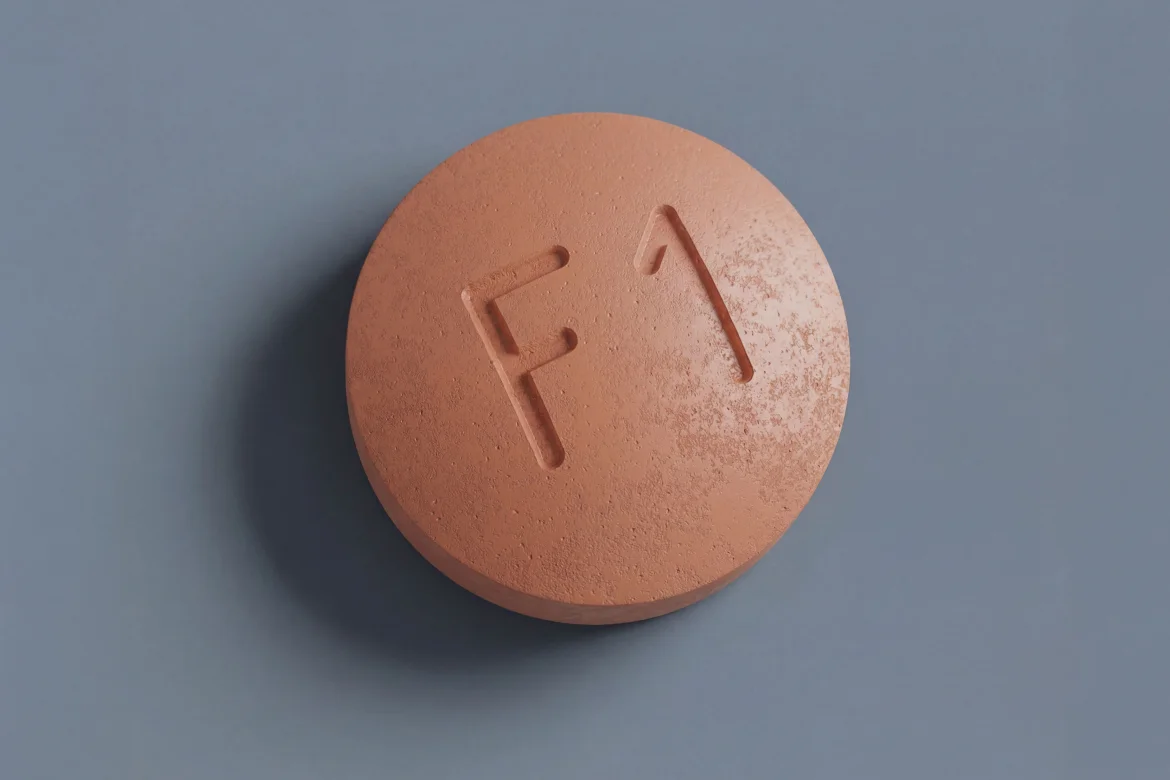
Figure 1. Ro’s 1mg oral finasteride (generic Propecia).
How Does Finasteride Work?
Finasteride works by lowering levels of dihydrotestosterone (DHT), a key hormone that drives AGA. DHT binds to androgen receptors in scalp hair follicles, gradually shortening the hair growth phase.
Over time, this causes follicle miniaturization, producing thinner and weaker hair, and may eventually stop hair growth altogether. Finasteride prevents type II of the enzyme 5-alpha reductase (5AR) from converting testosterone to DHT; therefore, DHT levels are lowered, leading to less miniaturization.
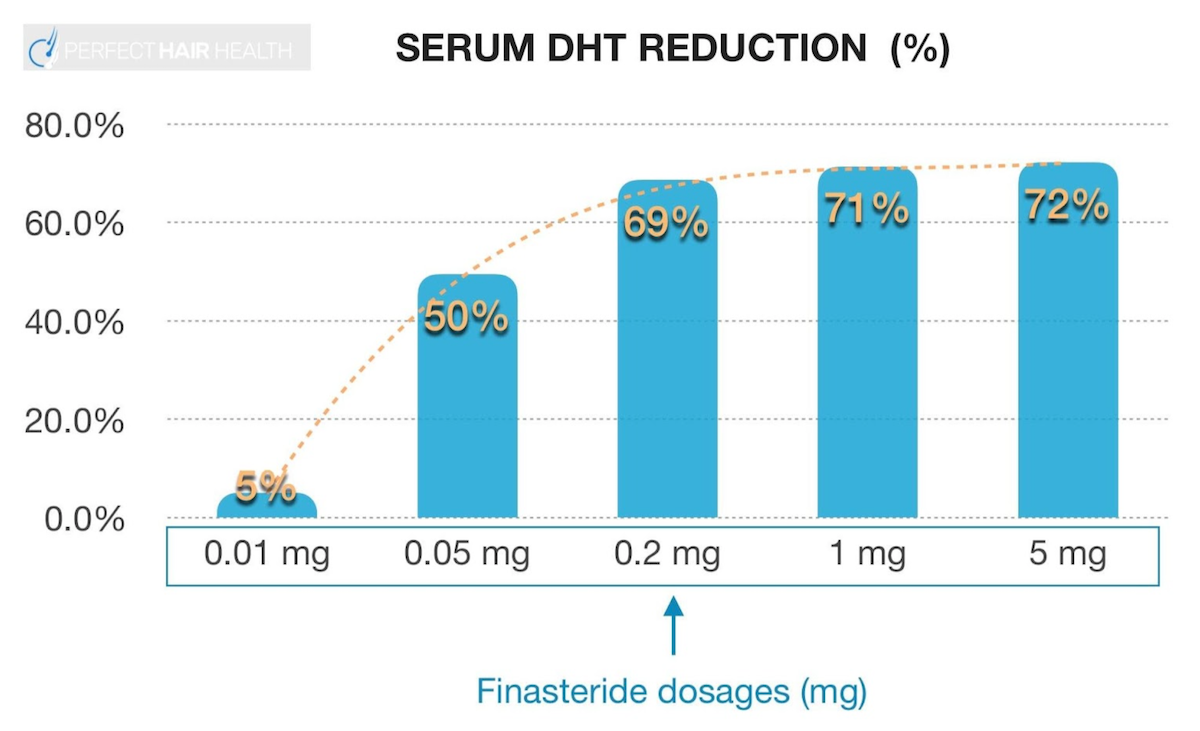
Figure 2. Graph of how oral finasteride dosage impacts serum DHT reduction.
Is Oral Finasteride Safe?
Due to finasteride’s mechanism of affecting hormones, it can cause side effects such as reduced libido, sexual dysfunction, breast tenderness or enlargement, and rarely mood changes. Side effects have been shown to occur in around 2.6-13.4% of users, but they typically resolve after stopping medication.[1]Olsen, E. A., Hordinsky, M., Whiting, D., Stough, D., Hobbs, S., Ellis, M. L., Wilson, T., Rittmaster, R. S., & Dutasteride Alopecia Research Team. (2006). The importance of dual 5α-reductase … Continue reading, [2]Shanshanwal, S. J., & Dhurat, R. S. (2017). Superiority of dutasteride over finasteride in hair regrowth and reversal of miniaturization in men with androgenetic alopecia: a randomized controlled … Continue reading,[3]Choi, G.-S., Sim, W.-Y., Kang, H., Huh, C. H., Lee, Y. W., Shantakumar, S., Ho, Y.-F., et al. (2022). Long-term effectiveness and safety of dutasteride versus finasteride in patients with male … Continue reading
Is There Any Clinical Evidence?
Clinical studies have shown that 1 mg of finasteride can slow or halt hair loss progression in around 80-90% of men with AGA, leading to a 10% increase in hair count after two years of consistent use.[4]Shapiro, J., & Kaufman, K. D. (2003). Use of finasteride in the treatment of men with androgenetic alopecia (male pattern hair loss). *Journal of Investigative Dermatology Symposium Proceedings.* … Continue reading
Overall Thoughts: Ro’s Oral Finasteride?
Overall, Ro’s oral finasteride is a standard 1 mg generic formulation with strong clinical evidence for hair growth and is available from many other telehealth companies.
The exact dosing for oral minoxidil is not clearly stated on their website, making it difficult to assess how treatment intensity or customization is handled. We assume that once the online questionnaire is completed and potentially after an online consult, this would be revealed.
If you’re a member, find out more about oral finasteride in our ultimate guide here.
Oral Minoxidil Rx and Topical Minoxidil
Now, let’s take a look at their oral and topical minoxidil. In the U.S., topical minoxidil (5%) is available over the counter, but oral minoxidil is a prescription-only medication and should only be used after evaluation by a licensed clinician.
Ro’s oral minoxidil (generic Loniten) is marketed for both men and women. Interestingly, it is unclear on Ro’s website what the dosage of their oral minoxidil is, and they do not clearly state how much it would cost.
For their topical minoxidil (generic Rogaine), Ro only advertises this under the men’s section of their website. Their product comes in a 60 mL bottle, advertised as a one-month supply at a 5% concentration. At least the concentration and volume are clear, but we still run into the same challenge with non-transparent pricing.
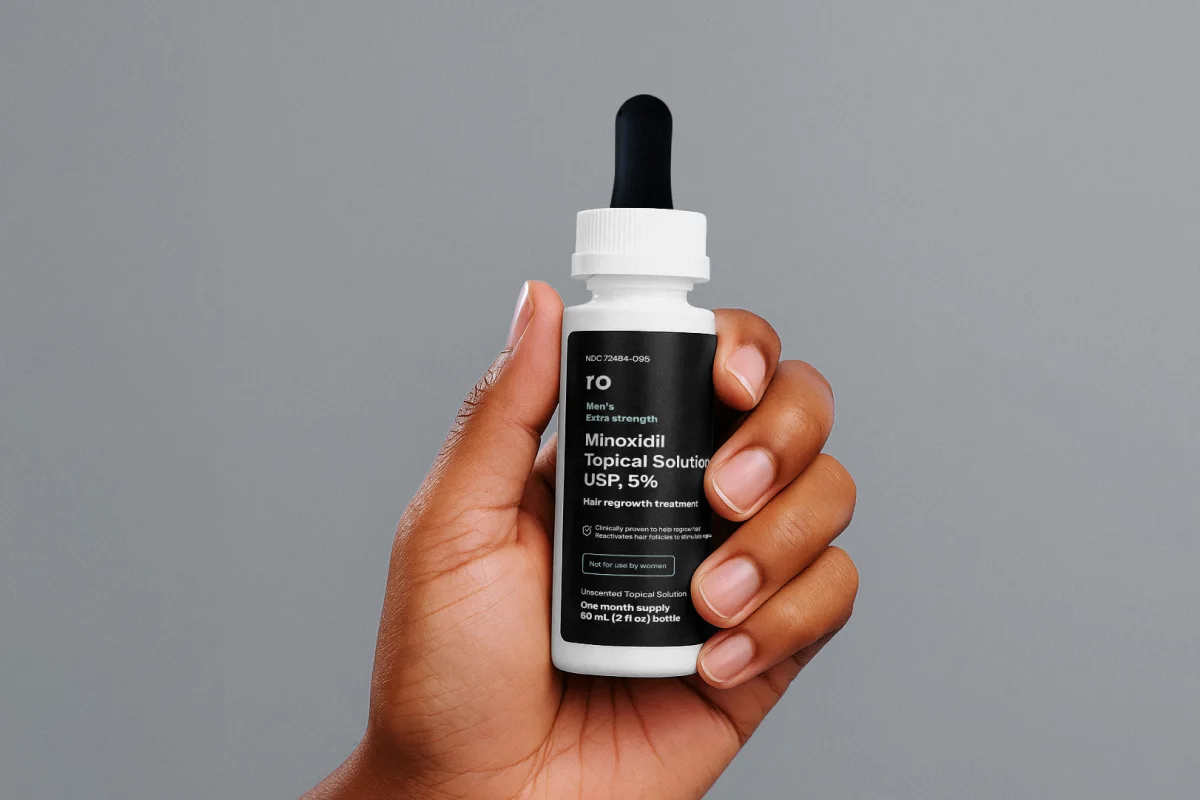
Figure 3. Ro’s 5% topical minoxidil (generic Rogaine).
How Does Minoxidil Work?
Both oral and topical minoxidil work through the same mechanisms. Minoxidil alters the hair cycle by shortening the resting (telogen) phase and promoting earlier entry into the growth (anagen) phase, increasing the proportion of follicles that actively produce hair. Minoxidil can also increase the size of miniaturized hair follicles, resulting in thicker and longer hair shafts.[5]Messenger, A. G., & Rundegren, J. (2004). Minoxidil: mechanisms of action on hair growth. British Journal of Dermatology. 150(2). 186–194. Available at: … Continue reading
Minoxidil can also increase local blood flow, activate the Wnt/β-catenin signaling pathway involved in follicular cell proliferation and differentiation, and has some cytoprotective and anti-inflammatory effects, which may increase prostaglandin E2 production.
Topical minoxidil must penetrate the scalp barrier and become activated within the hair follicle. This conversion depends on enzyme activity (sulfotransferase enzymes), which can differ between people and regions in the scalp.
Oral minoxidil gets absorbed in the gastrointestinal tract and is converted to its active form by sulfotransferase enzymes that are abundant in the liver. The active drug is then delivered to the hair follicles through the bloodstream.
Is Minoxidil Safe?
Topical and oral minoxidil tend to have different side effect profiles. Side effects commonly seen with topical minoxidil are usually localized to the scalp; these can include scalp irritation, dryness, flaking, itching, and contact dermatitis. In some cases, this is due to minoxidil itself, but can also be due to the vehicle (e.g., propylene glycol) used to deliver it.[6]Olsen, E. A., DeLong, E. R., & Weiner, M. S. (1987). Long-term follow-up of men with male pattern baldness treated with topical minoxidil. Journal of the American Academy of Dermatology. 16(3). … Continue reading For Ro’s topical minoxidil, it is unclear on their website whether propylene glycol is included in their formulation.
Oral minoxidil tends to produce different side effects because it is absorbed systemically and becomes activated in the body before reaching the hair follicles. The most common side effect is hypertrichosis, which is the growing of unwanted hair outside the scalp, including the face. In one study, 15% of 1404 users experienced hypertrichosis.[7]Vañó-Galván, S., Pirmez, R., Hermosa-Gelbard, A., Moreno-Arrones, Ó. M., Saceda-Corralo, D., Rodrigues-Barata, R., Jimenez-Cauhe, J., et al. (2021). Safety of low-dose oral minoxidil for hair … Continue reading Other potential side effects associated with oral minoxidil include lightheadedness, fluid retention, elevated heart rate, and headache.
Is There Any Clinical Evidence?
Hair growth parameters have been shown to improve with oral and topical minoxidil. In a clinical study carried out in women with pattern hair loss over 24 weeks, they found that terminal hair density increased by 12% in the oral minoxidil group and 7.2% in the topical group. However, hypertrichosis was reported in 27% of women taking oral minoxidil, compared with 4% in the topical group.[8]Ramos, P. M., Melo, D. F., Radwanski, H., Cortez de Almeida, R. F., & Miot, H. A. (2023). Female-pattern hair loss: therapeutic update. Anais Brasileiros de Dermatologia. 98. 506–519. Available … Continue reading
In men, a six-month clinical trial comparing 1 mg oral minoxidil with 5% topical minoxidil found that both groups increased hair diameter, with no significant difference between groups. They did, however, observe significant improvements in hair density from photographic assessment in the topical group compared to the oral group.[9]Asilian, A., Farmani, A., & Saber, M. (2024). Clinical efficacy and safety of low-dose oral minoxidil versus topical solution in the improvement of androgenetic alopecia: a randomized controlled … Continue reading
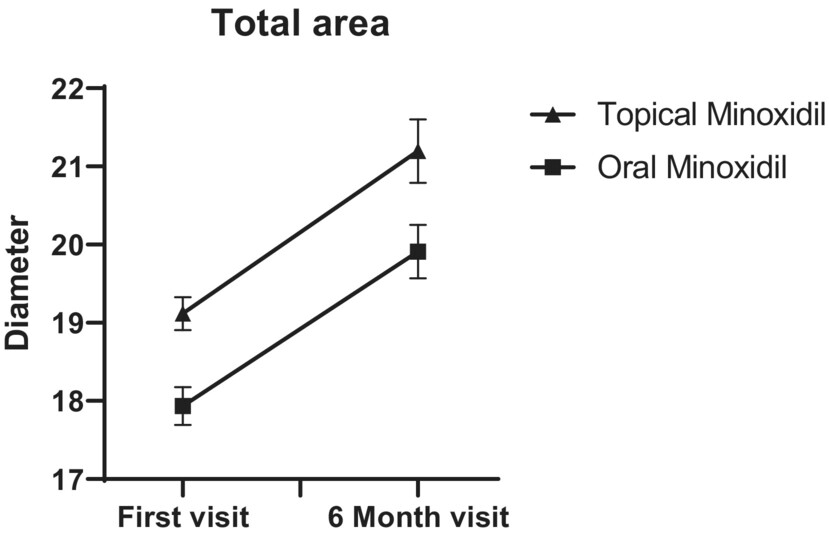
Figure 4. Average hair diameter improvements were comparable between 5% topical minoxidil and 1 mg/day oral minoxidil in a six-month clinical study. Adapted from Figure 2.[10]Asilian, A., Farmani, A., & Saber, M. (2024). Clinical efficacy and safety of low-dose oral minoxidil versus topical solution in the improvement of androgenetic alopecia: a randomized controlled … Continue reading Image used under Creative Commons license.
Overall Thoughts: Ro’s Oral and Topical Minoxidil
Overall, there is strong clinical evidence supporting the use of both oral and topical minoxidil for improving hair growth. However, on Ro’s website, they only seem to offer topical minoxidil for men. Even though topical minoxidil tends to show comparable improvements in hair growth parameters to oral minoxidil for both men and women, with potentially fewer systemic side effects.
Additionally, Ro does not clearly tell us what concentration of oral minoxidil they provide. It might be that Ro offers a range of dosing options, but their lack of transparency makes it difficult to assess how aggressive or customizable their treatment truly is.
Find out more information about oral versus topical minoxidil in our article here.
Interested in Topical Minoxidil?
High-strength topical minoxidil available, if prescribed*
Take the next step in your hair regrowth journey. Get started today with a provider who can prescribe a topical solution tailored for you.
*Only available in the U.S. Prescriptions not guaranteed. Restrictions apply. Off-label products are not endorsed by the FDA.
Ro Mane Spray Rx
Now let’s dive into Ro’s Mane Spray, available in the men’s hair section of their website. This combination topical is a compounded medication containing minoxidil (6%), finasteride (0.3%), and tretinoin (0.025%), and inactive ingredients (propylene glycol, citric acid, glycereth-5 lactate, isoamyl laurate, and ethyl alcohol). Ro states on their website that their spray should be applied once daily.
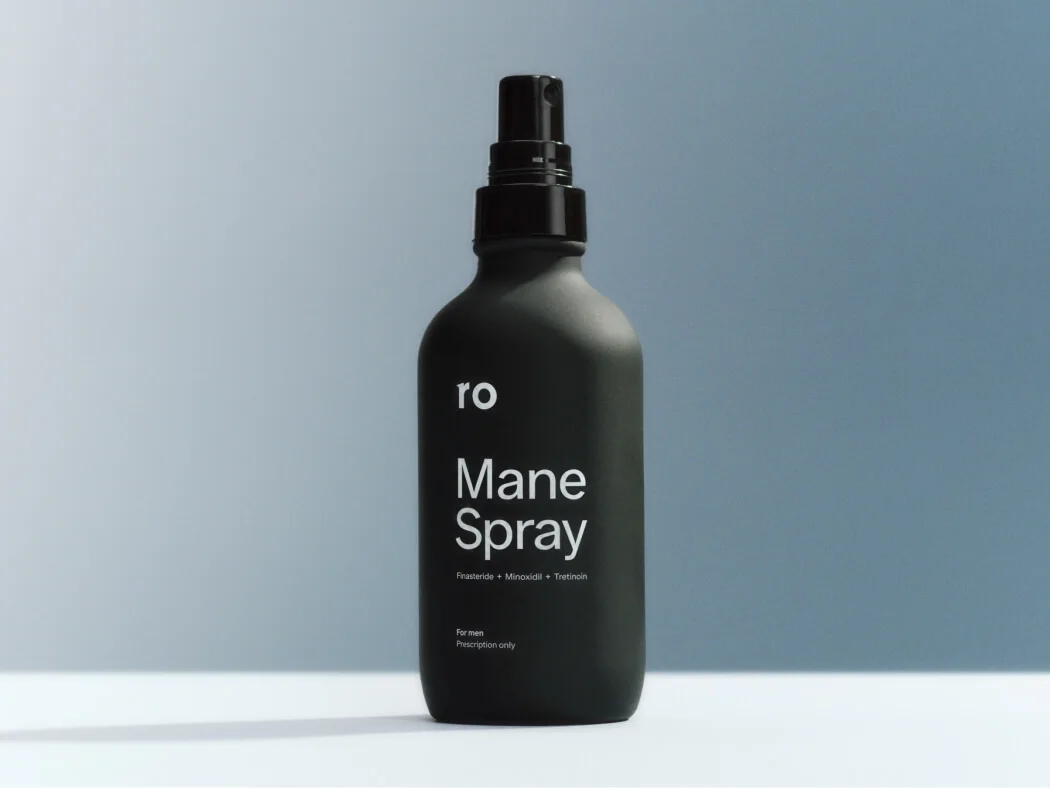
Figure 5: The Ro Mane Spray Rx.
Is Ro’s Mane Spray Safe?
In terms of safety, topical minoxidil has been discussed earlier in this article, but topical finasteride has a slightly different safety profile than the previously discussed oral finasteride. Studies suggest that topical delivery is associated with fewer systemic side effects. However, topical finasteride can still enter the bloodstream and affect systemic hormone levels, just at much lower levels than oral finasteride.[11]Piraccini, B.M., Blume-Peytavi, U., Scarci, F., Jansat, J.M., Falqués, M., Otero, R., Tamarit, M.L., Galván, J., Tebbs, V., Massana, E. (2022). Efficacy And Safety Of Topical Finasteride Spray … Continue reading
Notably, a 2025 FDA pharmacovigilance review of adverse event reports submitted between 2019 and 2024 identified 32 cases involving topical finasteride formulations; most cases involved the use of compounded products. Reported symptoms included erectile dysfunction, anxiety, brain fog, depression, fatigue, insomnia, decreased libido, and testicular pain.[12]US Food and Drug Administration. (2025). FDA alerts health care providers, compounders and consumers of potential risks associated with compounded topical finasteride products. FDA. Available at: … Continue reading
That said, the most common side effects associated with topical finasteride are local skin reactions. A 2018 systematic review noted reports of erythema, contact dermatitis, and scalp irritation in several studies; but serious cutaneous adverse events were absent.[13]Lee, S.W., Juhasz, M., Mobasher, P., Ekelem, C., Mesinkovska, N.A. (2018). A Systematic Review of Topical Finasteride in the Treatment of Androgenetic Alopecia in Men and Women. Journal of Drugs in … Continue reading In many cases, scalp irritation is thought to be related to the formulation itself, particularly ingredients like alcohol or propylene glycol, rather than the active drug alone.
Propylene glycol is included in Ro’s Mane Spray, most likely to enhance the solubility and penetration of minoxidil. But propylene glycol is a well-known irritant and contact sensitizer and may cause erythema, scaling, burning, or eczematous dermatitis.
Is There Any Clinical Evidence?
The inclusion of minoxidil and finasteride supports the use of Ro’s Mane Spray for hair growth. Topical minoxidil is well researched, while topical finasteride has growing supportive evidence. One study indicated that 1% topical finasteride showed comparable efficacy to 1 mg oral finasteride in terms of hair thickness, hair counts, and the size of the bald area.[14]Hajheydari, Z., Akbari, J., Saeedi, M., & Shokoohi, L. (2009). Comparing the therapeutic effects of finasteride gel and tablet in treatment of the androgenetic alopecia. *Indian Journal of … Continue reading
Additionally, a randomized controlled trial carried out in men with AGA over 24 weeks found that topical finasteride (0.25%) significantly improved target area hair count compared to placebo.[15]Piraccini, B.M., Blume-Peytavi, U., Scarci, F., Jansat, J.M., Falqués, M., Otero, R., Tamarit, M.L., Galván, J., Tebbs, V., Massana, E. (2021). Efficacy And Safety Of Topical Finasteride Spray … Continue reading
Ro’s minoxidil concentration at 6% is slightly stronger than the standard over-the-counter 5% formulation. Clinical data does suggest that higher doses of minoxidil may improve results for some people, but the benefits tend to level off at concentrations of 10% and above. Also, the risk of side effects, including irritation or unwanted hair growth, tends to increase.[16]Singh, S., Patil, A., Kianfar, N., Waśkiel-Burnat, A., Rudnicka, L., Sinclair, R., & Goldust, M. (2022). Does topical minoxidil at concentrations higher than 5% provide additional clinical … Continue reading, [17]Ghonemy, S., Alarawi, A., & Bessar, H. (2021). Efficacy and safety of a new 10% topical minoxidil versus 5% topical minoxidil and placebo in the treatment of male androgenetic alopecia: a … Continue reading.
Ro’s Mane Spray also includes tretinoin (retinoic acid), which can enhance the absorption of minoxidil and potentially improve how well it works. While there are currently no randomized controlled studies investigating the combination of finasteride, minoxidil, and tretinoin in a topical product, there is clinical evidence supporting the combination of finasteride and minoxidil, and clinical data supporting the use of minoxidil and tretinoin.
A meta-analysis of seven randomized controlled trials found that topical finasteride (0.1-0.25%) and minoxidil (3-5%) combinations were superior to minoxidil (3-5%) alone. They found significant improvements in hair density, hair diameter, and global photographic assessment in the combination groups compared to minoxidil alone.[18]Li, Y., Huang, Q., Zhou, Z., Zhang, Y. (2025). Comparing Minoxidil-Finasteride Mixed Solution With Minoxidil Solution Alone For Male Androgenetic Alopecia: A Systematic Review And Meta-Analysis Of … Continue reading
In a clinical study of 20 male and female individuals with AGA, researchers investigated how sulfotransferase enzyme activity affected minoxidil responses. They found that 43% of the participants who were initially predicted to be nonresponders (based on low baseline sulfotransferase activity) were converted to responders after 5 days of applying topical tretinoin (0.1%). This change was attributed to tretinoin’s ability to increase the activity of follicular sulfotransferase enzymes.[19]Sharma, A., Goren, A., Dhurat, R., Agrawal, S., Sinclair, R., Trüeb, R.M., Vañó-Galván, S., Chen, G., Tan, Y., Kovacevic, M., Situm, M., McCoy, J. (2019). Tretinoin Enhances Minoxidil Response In … Continue reading
Another study was carried out involving 20 AGA patients who were classed as non-responders to minoxidil. After receiving a combination of 0.1% tretinoin gel and 5% minoxidil over 90 days, improvements were seen, including a 32.9% increase in hair count and density, a 3.5% rise in anagen-phase hairs, and a 4.8% increase in hair thickness. Investigator global photography assessments also revealed 20% of participants showed 51-75% improvement.[20]Chandrashekar, B.S., Nayana, N.G., Roopa, M.S., Lakshmi Narayana, N. (2025). The Efficacy Of Tretinoin Gel 0.1% Followed By Topical Minoxidil 5% In Individuals With Androgenetic Alopecia. … Continue reading
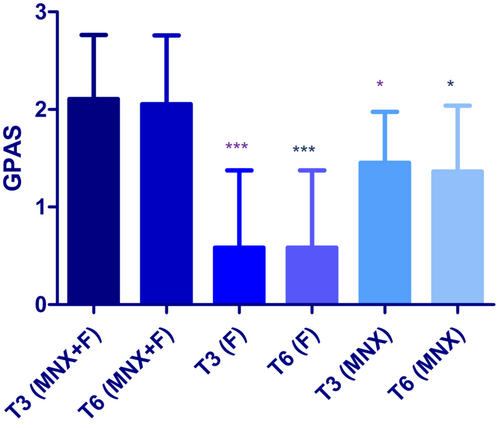
Figure 6. Global photographic assessment score (GPAS) significantly improved for the 5% topical minoxidil (MNX) plus 0.25% topical finasteride (F) compared to 5% topical MNX-only and 0.25% topical F-only groups at month 3 (T3) and month 5 (T6). Statistical analysis was carried out between the T3 and T6 groups. Adapted from Figure 5.[21]Rossi, A., Caro, G. (2023). Efficacy Of The Association Of Topical Minoxidil And Topical Finasteride Compared To Their Use In Monotherapy In Men With Androgenetic Alopecia: A Prospective, Randomized, … Continue reading Image used under Creative Commons license.
Overall Thoughts: Ro’s Mane Spray
Unfortunately, like many of Ro’s other prescription products, you cannot clearly see from their website how much this product will cost, what volume of product is in the bottle, and how long that volume would last (i.e., one month, two months, etc.). As previously mentioned, this information may become clear after completing the online questionnaire or virtual consultation.
A notable drawback with this product is that it is only available as a spray. Applying hair growth treatments as a spray often results in inconsistent scalp coverage, especially for men with longer hair, as a large amount of the product may land on the hair rather than reach the scalp.
From what we can see on Ro’s website, this product is not customizable, so it is best thought of as a slightly more aggressive, fixed-dose treatment. This lack of flexibility can be limiting, especially for users who experience irritation or other side effects, since there is no clear way to adjust dosing, remove specific ingredients, or explore alternative treatment options.
The Ro Mane Spray may therefore be more suitable for those with moderate hair loss and those who are already comfortable with stronger treatments. Overall, the ingredients in Ro’s Mane Spray could potentially improve hair growth for some users. As a prescription-only product, it must be prescribed by a licensed clinician.
Interested in Topical Finasteride?
Low-dose & full-strength finasteride available, if prescribed*
Take the next step in your hair regrowth journey. Get started today with a provider who can prescribe a topical solution tailored for you.
*Only available in the U.S. Prescriptions not guaranteed. Restrictions apply. Off-label products are not endorsed by the FDA.
Ro Hair Solution Rx
Ro also offers their Hair Solution, which can be found in the women’s hair section of their website. The main differences are the applicator (dropper rather than spray) and the ingredients: minoxidil, finasteride, tretinoin, and melatonin.
However, the exact concentrations of each ingredient and what the inactive ingredients may include are not clear on their website. As with all of Ro’s other prescription treatments, pricing is not transparent, and it is unclear the volume of product you would receive.
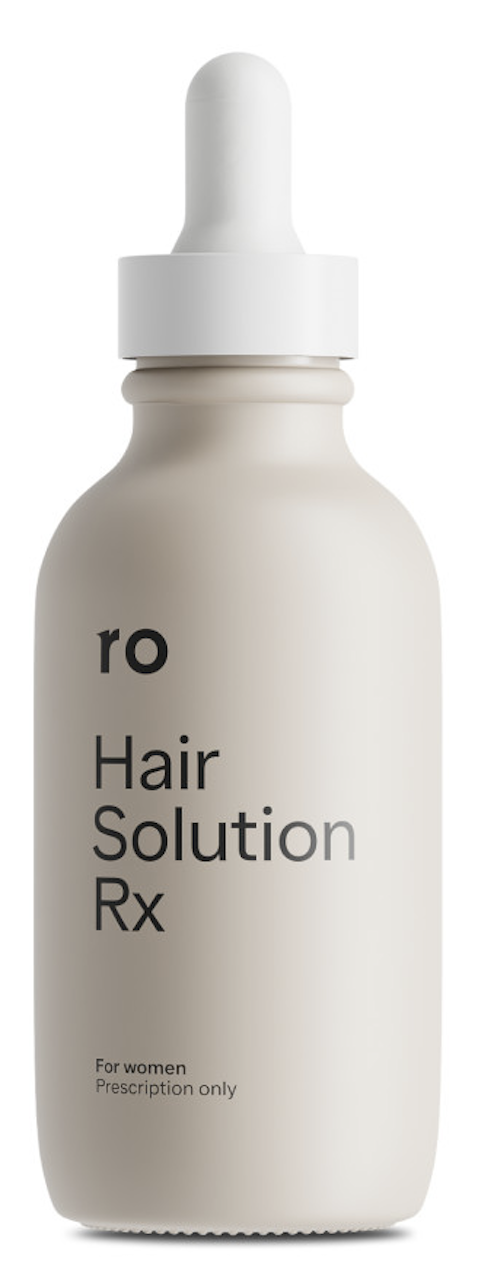
Figure 7. Ro’s Hair Solution Rx.
Is Ro’s Hair Solution Safe?
As previously discussed, hypertrichosis is a known side effect associated with minoxidil, but is experienced less often with topical application compared to oral, and topical finasteride can still enter the bloodstream and affect systemic hormone levels, just at much lower levels than oral finasteride. Because of potential hormonal and fertility-related effects, its use in women is more commonly limited to postmenopausal women.
Is There Any Clinical Evidence?
For women, there is more limited data for combination treatments using topical finasteride and minoxidil. That said, one randomized controlled trial carried out over 24 weeks in 30 postmenopausal women found that topical finasteride (0.25%) combined with topical minoxidil (3%) was significantly superior to topical minoxidil alone (3%) in terms of hair density.[22]Suchonwanit, P., Iamsumang, W., Rojhirunsakool, S. (2019). Efficacy Of Topical Combination Of 0.25% Finasteride And 3% Minoxidil Versus 3% Minoxidil Solution In Female Pattern Hair Loss: A … Continue reading
Melatonin is added to this formulation. There is no clinical evidence backing the use of melatonin in combination with minoxidil, finasteride, or tretinoin, but there is data on topical melatonin alone. In a pilot randomized controlled trial of 40 women with androgenic or diffuse alopecia, 0.1% topical melatonin significantly increased anagen hair rate in the occipital scalp for women with AGA and in the frontal scalp in women with diffuse alopecia compared to placebo.[23]Fischer, T.W., Burmeister, G., Schmidt, H.W., Elsner, P. (2004). Melatonin Increases Anagen Hair Rate In Women With Androgenetic Alopecia Or Diffuse Alopecia: Results Of A Pilot Randomized Controlled … Continue reading
Overall Thoughts: Ro’s Hair Solution
Overall, there is clinical evidence to support that the ingredients in Ro’s Hair Solution may lead to improved hair growth parameters. Ro states that this treatment can be personalized, but they do not explain how. There is no transparent information on whether ingredients can be removed or if concentrations can be adjusted, which makes the level of personalization unclear.
With the lack of information on the concentration, pricing, and customization, it is difficult to say whether this product would be more on the aggressive side like the Ro Mane Spray; however, this information is most likely revealed after completing the questionnaire and online consultation.
If you’re interested in finding out the best places to buy minoxidil for women, read our article here.
Revive Shampoo and Restore Conditioner
Ro also offers their Revive shampoo and Restore conditioner. Ro’s Revive shampoo is priced at $24 for a 3-month supply and contains saw palmetto, pumpkin seed oil, salicylic acid, and caffeine, and is peppermint scented.
Ro’s Restore conditioner is also priced at $24 for a 3-month supply and contains plant proteins (not specified which proteins), coconut oil, and shea butter.
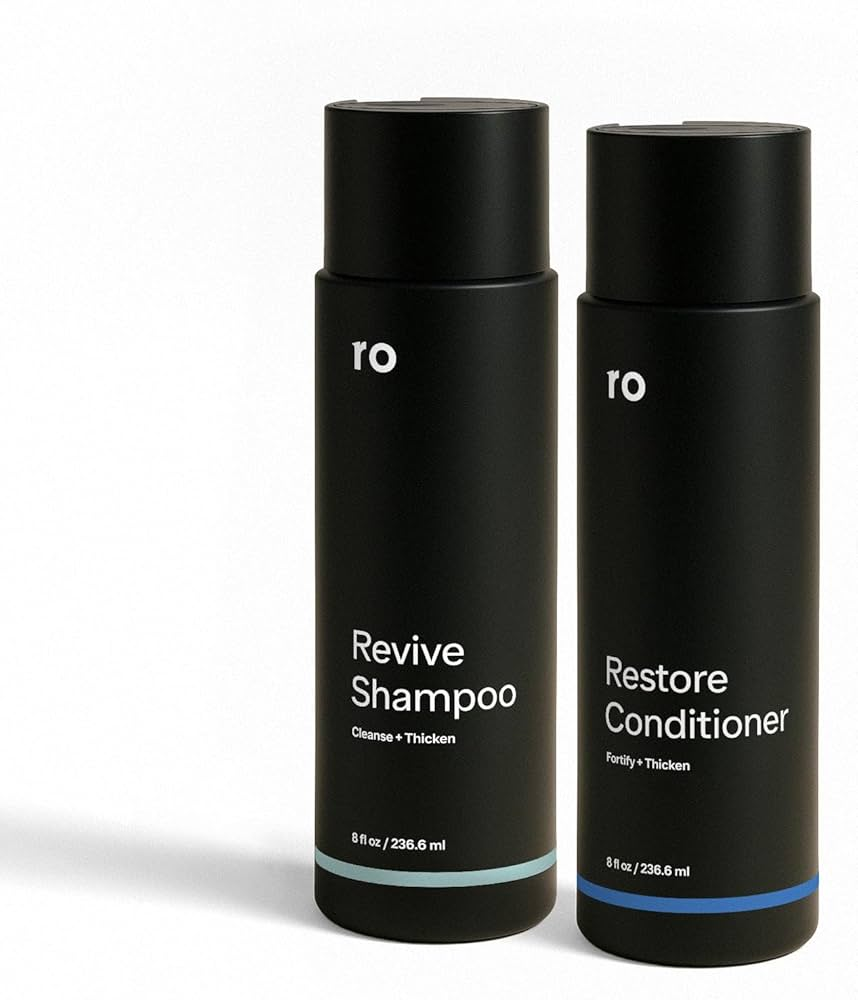
Figure 8. Ro’s Revive shampoo and Restore conditioner.
While some of the ingredients included in their shampoo do have some clinical data backing them as hair growth ingredients, for example, saw palmetto, caffeine, and pumpkin seed oil, there is little evidence to support them in a shampoo formulation.[24]Völker, J.M., Koch, N., Becker, M., Klenk, A. (2020). Caffeine And Its Pharmacological Benefits In The Management Of Androgenetic Alopecia: A Review. Skin Pharmacology And Physiology. 33(3). … Continue reading,[25]Evron, E., Juhasz, M., Babadjouni, A., Mesinkovska, N.A. (2020). Natural Hair Supplement: Friend Or Foe? Saw Palmetto, A Systematic Review In Alopecia. Skin Appendage Disorders. 6(6). 329–337. … Continue reading
Many of the ingredients used in topicals take hours for effective penetration into the scalp. When products are applied as a shampoo, they are in contact with the scalp for much shorter periods, usually just minutes, before ingredients within the shampoo are washed out.
This means, in the majority of cases, ingredients lack enough time to effectively penetrate the scalp, and therefore, have little time to be efficacious for hair regrowth.
So, despite Ro stating on their website that Revive shampoo and Restore conditioner could be used for “thicker-looking hair,” they are best viewed as adjuncts to support scalp and hair health rather than hair growth products.
If you are a member, find out more about hair shampoo ingredients in our video and article here.
Areas Where Ro Could Improve
#1: Transparency Around Pricing and Dosing
One challenge with asessing Ro’s hair loss treatments is their limited transparency in the pricing and dosing for their prescription treatments.
While dosage information is available for its oral finasteride, topical minoxidil, and Ro Mane Spray, this information is missing for their other products. Pricing and dosage information are most likely revealed after completion of a questionnaire and medical consultation.
Clear information from the start about ingredients (both active and inactive) is important for understanding how effective a product may be and for identifying any potential safety issues. Without transparency, it is difficult to compare costs between providers and fully understand what you are committing to before completing Ro’s questionnaire and consultation.
#2: Personalization
Based on Ro’s website, most of their products appear to use fixed ingredients, and some include high-strength concentrations (e.g., Ro’s Mane Spray). Ro states that some treatments can be personalized if appropriate, but it is not always clear how much flexibility users actually have.
This matters because most people do not respond perfectly to their first hair loss regimen. Over time, needs often change, whether that means starting at a lower dose to improve tolerability, adjusting concentrations in response to side effects, or escalating to stronger treatments if results plateau.
Effective treatments typically require ongoing monitoring and the ability to adjust over time. This may be addressed in Ro’s follow-ups, but it is unclear whether those appointments allow for changes to dose, ingredient selection, and overall treatment strategies.
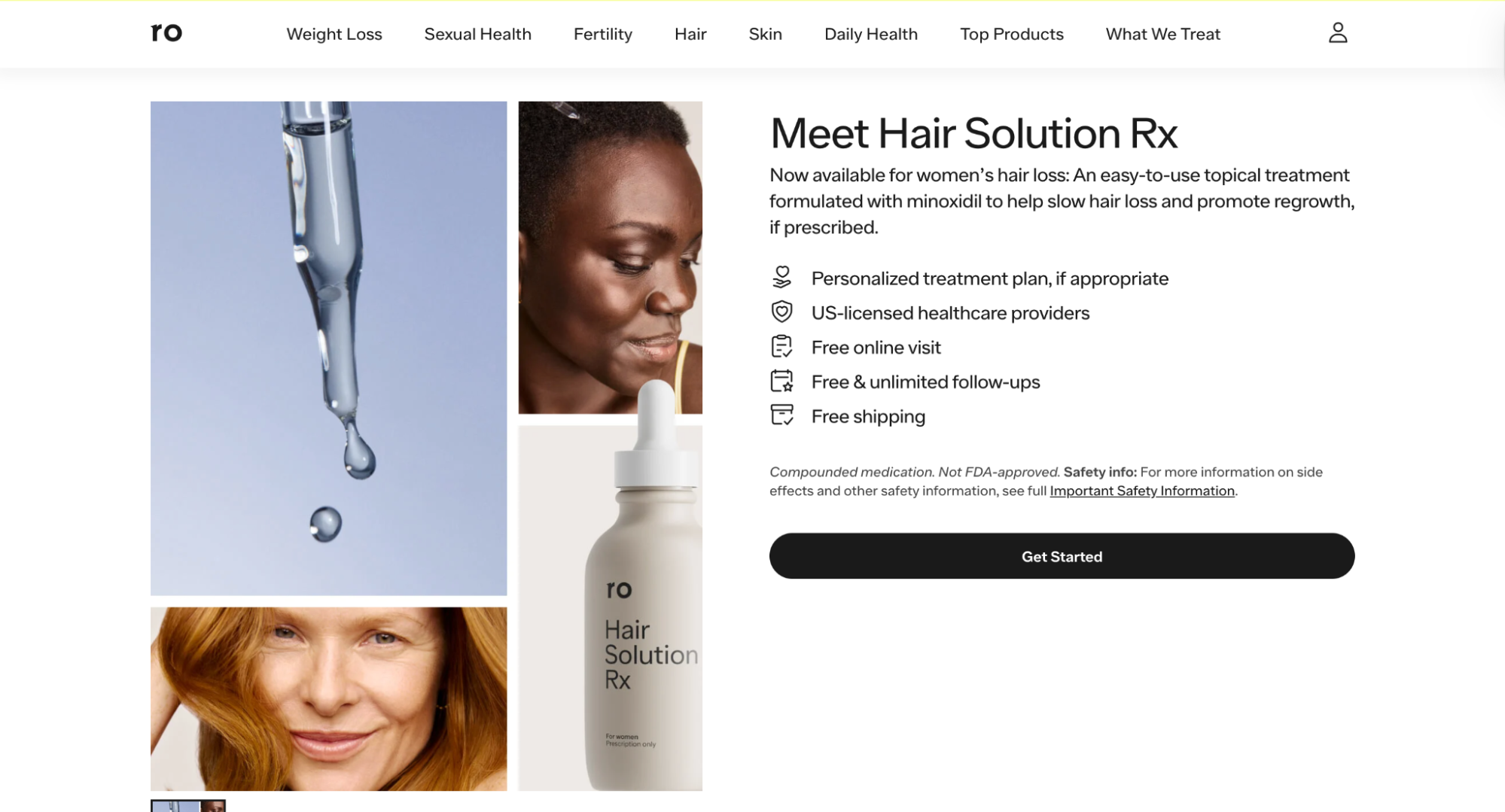
Figure 9. Ro’s Hair Solution Rx webpage.
#3: More Context Around Marketing Claims
One of the first claims users see on Ro’s men’s hair webpage is “See results in as little as 3 months.” While this may be true for some people, they may benefit from additional context.
Most clinical evidence, especially for finasteride, suggests that the most cosmetically significant results tend to appear closer to the 6-month mark.[26]Van Neste, D., Fuh, V., Sanchez-Pedreno, P. (2000). Finasteride Increases Anagen Hair in Men with Androgenetic Alopecia. British Journal of Dermatology. 143(4). 804–810. Available at: … Continue reading Providing this context may help users better align expectations with typical treatment timelines.
What Makes Ulo Different?
Unfortunately, many of the challenges that come up with Ro, including limited transparency, high-strength formulations, and unclear customization, are not unique to Ro; they reflect a broad pattern we are seeing across the telehealth hair loss industry.
This is why we cofounded Ulo, a telehealth company dedicated exclusively to hair growth, designed to move away from this one-size-fits-all approach. Instead of overpromising results and relying on rigid treatment combinations, Ulo focuses on evidence-based hair growth products, prioritizing education, flexibility, and clarity.
Ulo doesn’t push pre-set, fixed, high-dose combinations by default. They allow ingredients to be added or removed across a range of both oral and topical options when clinically appropriate.
Ulo also takes a different approach to formulation. They avoid the use of propylene glycol, which may cause scalp irritation and inflammation. Instead, Ulo’s formulations are designed to balance both efficacy and tolerability. Additionally, Ulo offers access to well-researched ingredients when appropriate (e.g., dutasteride), which other telehealth providers do not always provide.
With Ulo, you have access to pricing, dosage, and ingredients from the start. You don’t need to fill out a questionnaire or have a medical consultation to get the basic details. This makes it easier to compare treatment options and understand what it is you are actually paying for. Then, if treatment is appropriate, you can work with a licensed clinician to choose a plan that fits your goals, preferences, and tolerances.
Interested in Topical Dutasteride?
Hair gains bigger than finasteride? Dutasteride makes this possible, if prescribed*
Take the next step in your hair regrowth journey. Get started today with a provider who can prescribe a topical solution tailored for you.
*Only available in the U.S. Prescriptions not guaranteed. Restrictions apply. Off-label products are not endorsed by the FDA.
Final Thoughts
Overall, Ro offers a convenient and accessible way to buy prescription hair growth treatments through telehealth. Many of Ro’s key ingredients, such as minoxidil and finasteride, are well-studied and backed by clinical evidence.
That said, there are a few important things to keep in mind. Ro has limited upfront transparency around their pricing, dosing, and product customization, which makes it harder to compare Ro with other providers or fully understand what you are committing to from the get-go.
Some of Ro’s formulations appear to use higher-strength fixed combinations, which might not be suitable for everyone, especially if you are new to treatments or sensitive to side effects. Ultimately, Ro may be a good fit for some people who are comfortable with more standardized treatment options and who value the ease of telehealth, free home delivery, and access to licensed clinicians. But if you are looking for details on dosage, ingredients, pricing, and customization, you might want to find out more.
References[+]
References ↑1 Olsen, E. A., Hordinsky, M., Whiting, D., Stough, D., Hobbs, S., Ellis, M. L., Wilson, T., Rittmaster, R. S., & Dutasteride Alopecia Research Team. (2006). The importance of dual 5α-reductase inhibition in the treatment of male pattern hair loss: results of a randomized placebo-controlled study of dutasteride versus finasteride. *Journal of the American Academy of Dermatology.* 55(6). 1014–1023. Available at: https://doi.org/10.1016/j.jaad.2006.05.007 ↑2 Shanshanwal, S. J., & Dhurat, R. S. (2017). Superiority of dutasteride over finasteride in hair regrowth and reversal of miniaturization in men with androgenetic alopecia: a randomized controlled open-label, evaluator-blinded study. *Indian Journal of Dermatology, Venereology and Leprology.* 83. 47. Available at: https://doi.org/10.4103/0378-6323.188652 ↑3 Choi, G.-S., Sim, W.-Y., Kang, H., Huh, C. H., Lee, Y. W., Shantakumar, S., Ho, Y.-F., et al. (2022). Long-term effectiveness and safety of dutasteride versus finasteride in patients with male androgenic alopecia in South Korea: a multicentre chart review study. *Annals of Dermatology.* 34(5). 349. Available at: https://doi.org/10.5021/ad.22.027 ↑4 Shapiro, J., & Kaufman, K. D. (2003). Use of finasteride in the treatment of men with androgenetic alopecia (male pattern hair loss). *Journal of Investigative Dermatology Symposium Proceedings.* 8(1). 20–23. Available at: https://doi.org/10.1046/j.1523-1747.2003.12167.x ↑5 Messenger, A. G., & Rundegren, J. (2004). Minoxidil: mechanisms of action on hair growth. British Journal of Dermatology. 150(2). 186–194. Available at: https://doi.org/10.1111/j.1365-2133.2004.05785.x ↑6 Olsen, E. A., DeLong, E. R., & Weiner, M. S. (1987). Long-term follow-up of men with male pattern baldness treated with topical minoxidil. Journal of the American Academy of Dermatology. 16(3). 688–695. Available at: https://doi.org/10.1016/S0190-9622(87)70089-9 ↑7 Vañó-Galván, S., Pirmez, R., Hermosa-Gelbard, A., Moreno-Arrones, Ó. M., Saceda-Corralo, D., Rodrigues-Barata, R., Jimenez-Cauhe, J., et al. (2021). Safety of low-dose oral minoxidil for hair loss: a multicenter study of 1404 patients. Journal of the American Academy of Dermatology. 84(6). 1644–1651. Available at: https://doi.org/10.1016/j.jaad.2021.02.054 ↑8 Ramos, P. M., Melo, D. F., Radwanski, H., Cortez de Almeida, R. F., & Miot, H. A. (2023). Female-pattern hair loss: therapeutic update. Anais Brasileiros de Dermatologia. 98. 506–519. Available at: https://doi.org/10.1016/j.abd.2022.09.006 ↑9 Asilian, A., Farmani, A., & Saber, M. (2024). Clinical efficacy and safety of low-dose oral minoxidil versus topical solution in the improvement of androgenetic alopecia: a randomized controlled trial. Journal of Cosmetic Dermatology. 23(3). 949–957. Available at: https://doi.org/10.1111/jocd.16086 ↑10 Asilian, A., Farmani, A., & Saber, M. (2024). Clinical efficacy and safety of low-dose oral minoxidil versus topical solution in the improvement of androgenetic alopecia: a randomized controlled trial. *Journal of Cosmetic Dermatology.* 23(3). 949–957. Available at: https://doi.org/10.1111/jocd.16086 ↑11 Piraccini, B.M., Blume-Peytavi, U., Scarci, F., Jansat, J.M., Falqués, M., Otero, R., Tamarit, M.L., Galván, J., Tebbs, V., Massana, E. (2022). Efficacy And Safety Of Topical Finasteride Spray Solution For Male Androgenetic Alopecia: A Phase III, Randomized, Controlled Clinical Trial. Journal Of The European Academy Of Dermatology And Venereology. 36(2). 286–294. Available at: https://doi.org/10.1111/jdv.17738 ↑12 US Food and Drug Administration. (2025). FDA alerts health care providers, compounders and consumers of potential risks associated with compounded topical finasteride products. FDA. Available at: https://www.fda.gov/drugs/human-drug-compounding/fda-alerts-health-care-providers-compounders-and-consumers-potential-risks-associated-compounded (Accessed: December 2025) ↑13 Lee, S.W., Juhasz, M., Mobasher, P., Ekelem, C., Mesinkovska, N.A. (2018). A Systematic Review of Topical Finasteride in the Treatment of Androgenetic Alopecia in Men and Women. Journal of Drugs in Dermatology. 17(4). 457-463. Available at: PMID: 29601622 ↑14 Hajheydari, Z., Akbari, J., Saeedi, M., & Shokoohi, L. (2009). Comparing the therapeutic effects of finasteride gel and tablet in treatment of the androgenetic alopecia. *Indian Journal of Dermatology, Venereology and Leprology.* 75. 47. Available at: https://doi.org/10.4103/0378-6323.45220 ↑15 Piraccini, B.M., Blume-Peytavi, U., Scarci, F., Jansat, J.M., Falqués, M., Otero, R., Tamarit, M.L., Galván, J., Tebbs, V., Massana, E. (2021). Efficacy And Safety Of Topical Finasteride Spray Solution For Male Androgenetic Alopecia: A Phase III, Randomized, Controlled Clinical Trial. Journal Of The European Academy Of Dermatology And Venereology. 36(2). 286–294. Available at: https://doi.org/10.1111/jdv.17738 ↑16 Singh, S., Patil, A., Kianfar, N., Waśkiel-Burnat, A., Rudnicka, L., Sinclair, R., & Goldust, M. (2022). Does topical minoxidil at concentrations higher than 5% provide additional clinical benefit?. *Clinical and Experimental Dermatology.* 47(11). 1951–1955. Available at: https://doi.org/10.1111/ced.15338 ↑17 Ghonemy, S., Alarawi, A., & Bessar, H. (2021). Efficacy and safety of a new 10% topical minoxidil versus 5% topical minoxidil and placebo in the treatment of male androgenetic alopecia: a trichoscopic evaluation. *Journal of Dermatological Treatment.* 32(2). 236–241. Available at: https://doi.org/10.1080/09546634.2019.1654070 ↑18 Li, Y., Huang, Q., Zhou, Z., Zhang, Y. (2025). Comparing Minoxidil-Finasteride Mixed Solution With Minoxidil Solution Alone For Male Androgenetic Alopecia: A Systematic Review And Meta-Analysis Of Randomized Controlled Trials. Frontiers In Medicine (Lausanne). 12. 1632139. Available at: https://doi.org/10.3389/fmed.2025.1632139 ↑19 Sharma, A., Goren, A., Dhurat, R., Agrawal, S., Sinclair, R., Trüeb, R.M., Vañó-Galván, S., Chen, G., Tan, Y., Kovacevic, M., Situm, M., McCoy, J. (2019). Tretinoin Enhances Minoxidil Response In Androgenetic Alopecia Patients By Upregulating Follicular Sulfotransferase Enzymes. Dermatologic Therapy. 32(3). e12915. Available at: https://doi.org/10.1111/dth.12915 ↑20 Chandrashekar, B.S., Nayana, N.G., Roopa, M.S., Lakshmi Narayana, N. (2025). The Efficacy Of Tretinoin Gel 0.1% Followed By Topical Minoxidil 5% In Individuals With Androgenetic Alopecia. International Journal Of Research In Dermatology. 11(4). 303–307. Available at: https://dx.doi.org/10.18203/issn.2455-4529.IntJResDermatol20252067 ↑21 Rossi, A., Caro, G. (2023). Efficacy Of The Association Of Topical Minoxidil And Topical Finasteride Compared To Their Use In Monotherapy In Men With Androgenetic Alopecia: A Prospective, Randomized, Controlled, Assessor Blinded, 3-Arm, Pilot Trial. Journal Of Cosmetic Dermatology. 23(2). 502–509. Available at: https://doi.org/10.1111/jocd.15953 ↑22 Suchonwanit, P., Iamsumang, W., Rojhirunsakool, S. (2019). Efficacy Of Topical Combination Of 0.25% Finasteride And 3% Minoxidil Versus 3% Minoxidil Solution In Female Pattern Hair Loss: A Randomized, Double-Blind, Controlled Study. American Journal Of Clinical Dermatology. 20(1). 147–153. Available at: https://doi.org/10.1007/s40257-018-0387-0 ↑23 Fischer, T.W., Burmeister, G., Schmidt, H.W., Elsner, P. (2004). Melatonin Increases Anagen Hair Rate In Women With Androgenetic Alopecia Or Diffuse Alopecia: Results Of A Pilot Randomized Controlled Trial. British Journal Of Dermatology. 150(2). 341–345. Available at: https://doi.org/10.1111/j.1365-2133.2004.05685.x ↑24 Völker, J.M., Koch, N., Becker, M., Klenk, A. (2020). Caffeine And Its Pharmacological Benefits In The Management Of Androgenetic Alopecia: A Review. Skin Pharmacology And Physiology. 33(3). 153–169. Available at: https://doi.org/10.1159/000508228 ↑25 Evron, E., Juhasz, M., Babadjouni, A., Mesinkovska, N.A. (2020). Natural Hair Supplement: Friend Or Foe? Saw Palmetto, A Systematic Review In Alopecia. Skin Appendage Disorders. 6(6). 329–337. Available at: https://doi.org/10.1159/000509905 ↑26 Van Neste, D., Fuh, V., Sanchez-Pedreno, P. (2000). Finasteride Increases Anagen Hair in Men with Androgenetic Alopecia. British Journal of Dermatology. 143(4). 804–810. Available at: https://doi.org/10.1046/j.1365-2133.2000.03780.x Want help with your hair regrowth journey?
Get personalized support, product recommendations, video calls, and more from our researchers, trichologists, and PhD's dedicated to getting you the best possible outcomes.
Learn More
Sophie Grice, PhD
Sophie completed a BSc in Pharmacology before earning a PhD in Immunopharmacology at the University of Liverpool. Her doctoral research examined drug hypersensitivity reactions in patients treated with immune checkpoint inhibitors. She later pursued postdoctoral research focused on T cell mediated immune responses, with an emphasis on the immunogenicity of gene therapies.
"... Can’t thank @Rob (PHH) and @sanderson17 enough for allowing me to understand a bit what was going on with me and why all these [things were] happening ... "

 — RDB, 35, New York, U.S.A.
"... There is a lot improvement that I am seeing and my scalp feel alive nowadays... Thanks everyone. "

 — Aayush, 20’s, Boston, MA
"... I can say that my hair volume/thickness is about 30% more than it was when I first started."

 — Douglas, 50’s, Montréal, Canada
Want help with your hair regrowth journey?
Get personalized support, product recommendations, video calls, and more from our researchers, trichologists, and PhD's dedicated to getting you the best possible outcomes.
Join Now - Mission Statement