- About
- Mission Statement
Education. Evidence. Regrowth.
- Education.
Prioritize knowledge. Make better choices.
- Evidence.
Sort good studies from the bad.
- Regrowth.
Get bigger hair gains.
Team MembersPhD's, resarchers, & consumer advocates.
- Rob English
Founder, researcher, & consumer advocate
- Research Team
Our team of PhD’s, researchers, & more
Editorial PolicyDiscover how we conduct our research.
ContactHave questions? Contact us.
Before-Afters- Transformation Photos
Our library of before-after photos.
- — Jenna, 31, U.S.A.
I have attached my before and afters of my progress since joining this group...
- — Tom, 30, U.K.
I’m convinced I’ve recovered to probably the hairline I had 3 years ago. Super stoked…
- — Rabih, 30’s, U.S.A.
My friends actually told me, “Your hairline improved. Your hair looks thicker...
- — RDB, 35, New York, U.S.A.
I also feel my hair has a different texture to it now…
- — Aayush, 20’s, Boston, MA
Firstly thank you for your work in this field. I am immensely grateful that...
- — Ben M., U.S.A
I just wanted to thank you for all your research, for introducing me to this method...
- — Raul, 50, Spain
To be honest I am having fun with all this and I still don’t know how much...
- — Lisa, 52, U.S.
I see a massive amount of regrowth that is all less than about 8 cm long...
Client Testimonials150+ member experiences.
 Scroll DownPopular Treatments
- Treatments
Popular treatments. But do they work?
- Finasteride
- Oral
- Topical
- Dutasteride
- Oral
- Topical
- Mesotherapy
- Minoxidil
- Oral
- Topical
- Ketoconazole
- Shampoo
- Topical
- Low-Level Laser Therapy
- Therapy
- Microneedling
- Therapy
- Platelet-Rich Plasma Therapy (PRP)
- Therapy
- Scalp Massages
- Therapy
 More
More
IngredientsTop-selling ingredients, quantified.
- Saw Palmetto
- Redensyl
- Melatonin
- Caffeine
- Biotin
- Rosemary Oil
- Lilac Stem Cells
- Hydrolyzed Wheat Protein
- Sodium Lauryl Sulfate
 More
More
ProductsThe truth about hair loss "best sellers".
- Minoxidil Tablets
Xyon Health
- Finasteride
Strut Health
- Hair Growth Supplements
Happy Head
- REVITA Tablets for Hair Growth Support
DS Laboratories
- FoliGROWTH Ultimate Hair Neutraceutical
Advanced Trichology
- Enhance Hair Density Serum
Fully Vital
- Topical Finasteride and Minoxidil
Xyon Health
- HairOmega Foaming Hair Growth Serum
DrFormulas
- Bio-Cleansing Shampoo
Revivogen MD
- more
Key MetricsStandardized rubrics to evaluate all treatments.
- Evidence Quality
Is this treatment well studied?
- Regrowth Potential
How much regrowth can you expect?
- Long-Term Viability
Is this treatment safe & sustainable?
Free Research- Free Resources
Apps, tools, guides, freebies, & more.
- Free CalculatorTopical Finasteride Calculator
- Free Interactive GuideInteractive Guide: What Causes Hair Loss?
- Free ResourceFree Guide: Standardized Scalp Massages
- Free Course7-Day Hair Loss Email Course
- Free DatabaseIngredients Database
- Free Interactive GuideInteractive Guide: Hair Loss Disorders
- Free DatabaseTreatment Guides
- Free Lab TestsProduct Lab Tests: Purity & Potency
- Free Video & Write-upEvidence Quality Masterclass
- Free Interactive GuideDermatology Appointment Guide
- More
Articles100+ free articles.
-
Natural vs. Pharmaceutical DHT Blockers: Ranked
-
Redensyl, Capixyl, & Procapil (RCP) For Natural Hair Regrowth? (Scientific Review)
-
9 Best Shampoos for Sensitive Scalp
-
12 Best Shampoos for Greasy Hair
-
Can Miniaturized Hair Follicles Recover, or Is There a Point of No Return?
-
Sublingual Minoxidil: More Hair Growth, Less Sides?
-
Happy Head Review: 5 Concerns With The Brand
-
Can a Blood DHT Test Tell You Whether You Have AGA?
PublicationsOur team’s peer-reviewed studies.
- Microneedling and Its Use in Hair Loss Disorders: A Systematic Review
- Use of Botulinum Toxin for Androgenic Alopecia: A Systematic Review
- Conflicting Reports Regarding the Histopathological Features of Androgenic Alopecia
- Self-Assessments of Standardized Scalp Massages for Androgenic Alopecia: Survey Results
- A Hypothetical Pathogenesis Model For Androgenic Alopecia:Clarifying The Dihydrotestosterone Paradox And Rate-Limiting Recovery Factors
Menu- AboutAbout
- Mission Statement
Education. Evidence. Regrowth.
- Team Members
PhD's, resarchers, & consumer advocates.
- Editorial Policy
Discover how we conduct our research.
- Contact
Have questions? Contact us.
- Before-Afters
Before-Afters- Transformation Photos
Our library of before-after photos.
- Client Testimonials
Read the experiences of members
Before-Afters/ Client Testimonials- Popular Treatments
-
ArticlesHappy Head Review: 5 Concerns With The Brand
First Published Oct 8 2026Last Updated Oct 9 2026Company ReviewsPharmaceutical Researched & Written By:Dr. Michael Williams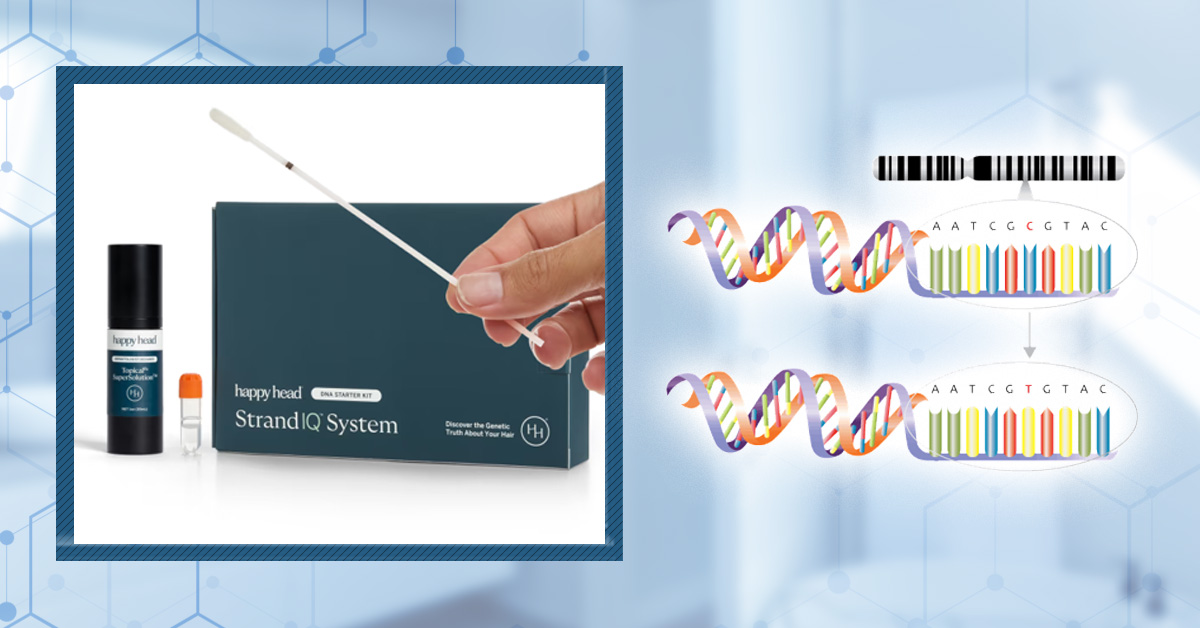
Want help with your hair regrowth journey?
Get personalized support, product recommendations, video calls, and more from our researchers, trichologists, and PhD's dedicated to getting you the best possible outcomes.
Learn MoreArticle Summary
Is Happy Head’s personalized hair-loss approach as science-backed as it sounds? In this in-depth review, we break down five key concerns with the telehealth brand’s products and claims. While prescription treatments like minoxidil, finasteride, and dutasteride can be effective, how they’re delivered and combined matters. This article explores where Happy Head’s approach may fall short and what consumers should look for in a safer, more evidence-driven hair-loss provider.
Full Article
The hair loss industry is rife with quick-fix solutions, fleeting fads, and ineffective natural supplements. There are, however, tried-and-tested prescription medications that can reliably combat hair loss and promote regrowth. Does this mean we can rely on Rx vendors to always provide safe, dependable, and evidence-based treatments? Unfortunately, the world of prescription hair loss medication can be prone to the same issues that plague over-the-counter solutions. What’s worse, Rx drugs pose a real danger of severe side effects.
Happy Head is a telehealth company specializing in hair-loss medications. For many years, we happily recommended their products: they provided proven treatments and were one of the only places to find effective options like topical dutasteride. Unfortunately, issues have become apparent that are typical of wider problems with the hair loss industry.
If you’ve been using Happy Head and are pleased with the results, there should be nothing to worry about. Their offerings of minoxidil, finasteride, and dutasteride, among others, are powerful tools against hair loss and can drive real, meaningful improvements.
However, their model has critical oversights, some involving consumer safety, and after years of voicing our concerns with no changes, we were inspired to launch Ulo to fix these exact problems. This article will detail the six major reasons why we lost faith in recommending them to our readers.
Interested in Topical Dutasteride?
Hair gains bigger than finasteride? Dutasteride makes this possible, if prescribed*
Take the next step in your hair regrowth journey. Get started today with a provider who can prescribe a topical solution tailored for you.
*Only available in the U.S. Prescriptions not guaranteed. Restrictions apply. Off-label products are not endorsed by the FDA.
Concern #1: Genetic Testing for Hair Loss Treatments
In an industry with a limited number of established pharmaceutical options, it can be hard to stand out. Happy Head’s unique selling point is its DNA Kit and Customized Hair Growth Treatment, which, they claim, reveals which treatments will work for your unique DNA.
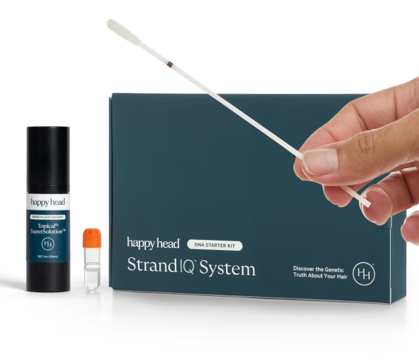
Figure 1. Happy Head StrandIQ System DNA testing kit.
The pitch is this: there are certain gene variants that underlie how hair loss develops, and others that can predict how well hair loss drugs will work. For $298, Happy Head provides a home DNA test; you take a swab and send it back for analysis. This enables them to generate reports on your personal genetic makeup and recommend treatments accordingly.
They provide two reports:
- Hair and Scalp Report – This identifies “Genetic predispositions for 33 hair, scalp, and related micronutrient traits.”
- Treatment Insight Report – Identifying “14-16 genetic traits for medication sensitivity and baldness patterns.”
It sounds impressively technical, but what is the science behind this “breakthrough innovation”?
The Genetics of Hair Loss
It’s important to note that genetic factors are heavily involved in our predisposition to hair loss. Androgenic alopecia (AGA) is highly heritable, with family studies suggesting genetics account for around 80% of predisposition in men. It is, however, a polygenic trait, meaning that many genes each contribute small effects rather than a single “baldness gene.”[1]Heath, A. C., Nyholt, D. R., Gillespie, N. A., & Martin, N. G. (2003). Genetic basis of male pattern baldness. *Journal of Investigative Dermatology.* 121(6). 1561–1564. Available at: … Continue reading
AGA is driven by hormonal activity: as levels of an androgen called dihydrotestosterone (DHT) rise, it can cause miniaturization of hair follicles that progressively shortens the hair growth phase, leading to hairs that are thin, short, and sparse.[2]Trüeb, R. M. (2002). Molecular mechanisms of androgenetic alopecia. *Experimental Gerontology.* 37(8–9). 981–990. Available at: https://doi.org/10.1016/S0531-5565(02)00093-1 Because of this association with androgen activity, the androgen receptor locus (region of DNA) is most heavily associated with hair loss.[3]Sadasivam, I. P., Sambandam, R., Kaliyaperumal, D., & Dileep, J. E. (2024). Androgenetic alopecia in men: An update on genetics. *Indian Journal of Dermatology.* 69(3). 282. Available at: … Continue reading
Other genes involved in androgen activity, such as SRD5A2, which plays a role in androgen metabolism, are also associated with susceptibility to hair loss. Genes involved in other pathways important to hair follicle development, such as the WNT pathway, may also play a role.[4]Gupta, A. K., Dennis, D. J., Economopoulos, V., & Piguet, V. (2026). The genetic landscape of androgenetic alopecia: Current knowledge and future perspectives. *Biology.* 15(2). 192. Available … Continue reading
This research may tell us how likely someone is to develop AGA as they grow older. Of course, for most people already seeking treatment for AGA, this information isn’t particularly useful. Clinical diagnosis is typically based on the appearance of the hair, scalp examination, and family history, rather than on genetic tests. However, there are some cases where genetic insights might be useful.
Treatments that target hormonal aspects of AGA, like finasteride and dutasteride, won’t work for other causes of hair loss. Some hair loss is the result of nutrient deficiencies, many of which are caused by genetic variation. For example, biotin deficiency can lead to alopecia because biotin is essential for keratin production, a key component of hair. Mutations in the BTD gene, encoding an enzyme called biotinidase, which is essential for the body to use biotin, can therefore cause hair loss. However, most biotin deficiencies are diagnosed in children, and hair loss is apparent from a young age.[5]Yang, Y., Yang, J. Y., & Chen, X. J. (2020). Biotinidase deficiency characterized by skin and hair findings. *Clinics in Dermatology.* 38(4). 477–483. Available at: … Continue reading
The autoimmune condition alopecia areata may also have a genetic basis, and predispositions have been identified in genes involved in the immune system.[6]Biran, R., Zlotogorski, A., & Ramot, Y. (2015). The genetics of alopecia areata: new approaches, new findings, new treatments. *Journal of Dermatological Science.* 78(1). 11–20. Available at: … Continue reading
The Hair and Scalp Report provided by Happy Head after DNA testing lists genetic predispositions for 33 traits, ranging from autoimmune hair loss (e.g., alopecia areata) to scalp hydration and vitamin deficiencies. If you thought you had AGA, but instead had a different cause of hair loss, some insight into the underlying genetics could prove useful in rare cases.
However, clinicians typically distinguish among different forms of alopecia by physical examination and, in rare cases, by blood tests. If you want to understand your hair loss, visiting a physician is a far more reliable route. What’s more, the Rx products that Happy Head offers require a diagnosis prior to being prescribed, so you will have to see a healthcare practitioner regardless of your underlying genetics.
Can Genetics Predict Responses to Hair Loss Drugs?
The main promise of Happy Head’s genetic testing is that it can identify “which treatments will work for your unique DNA”. Given the range of options available to people suffering from hair loss and the sometimes unpredictable nature of treatment responses, it’s an enticing prospect. But does the science back up Happy Head’s bold claims?
We’ve investigated the potential of genetic testing for personalized hair loss treatment before, and you can read our in-depth report here.
Happy Head provides a Treatment Insight Report, which highlights “14-16 genetic traits for medication sensitivity and baldness patterns”. Helpfully, the company has detailed these genetic traits, the associated genes, and the studies supporting their use, so we can assess how powerful their predictions might be. You can find the full list here.
What Does the Genetic Test Actually Look At?
The test assesses the presence of a kind of genetic variation called single-nucleotide polymorphisms (SNPs, normally pronounced “snips”). DNA is made up of genes, which in turn are comprised of individual units called nucleotides. When a gene is “read”, the sequence of nucleotides will determine what protein is made, and therefore what effect the gene will have. SNPs are variations in these nucleotides; change the nucleotide, and you might change the impact of the gene.[7]Nelson, M. R., Marnellos, G., Kammerer, S., Hoyal, C. R., Shi, M. M., Cantor, C. R., & Braun, A. (2004). Large-scale validation of single nucleotide polymorphisms in gene regions. *Genome … Continue reading,[8]National Human Genome Research Institute. (n.d.). Single nucleotide polymorphisms (SNPs). *Genome.gov.* Available at: https://www.genome.gov/genetics-glossary/Single-Nucleotide-Polymorphisms-SNPs
For example, if we know that a SNP changes the activity of a gene involved in drug metabolism, we might be able to predict how well certain drugs are going to work.
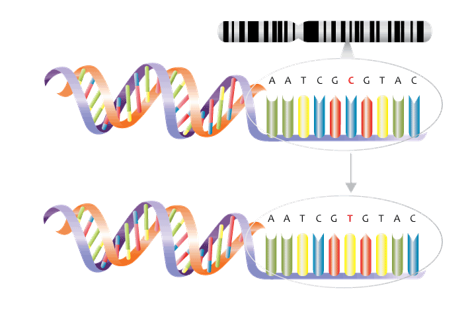
Figure 2. Single Nucleotide Polymorphisms (SNPs). When a SNP occurs, one nucleotide (the component of genes and the letters in the DNA code) is substituted for another. This can change the effect of the gene. Image from the NHS National Genetics and Genomics Education Centre[9]Wikimedia Commons. (n.d.). Single nucleotide polymorphism substitution mutation diagram – cytosine to thymine. *Wikimedia Commons.* Available at: … Continue reading. Used under Creative Commons license.
We’ll take a look at the “genetic traits” identified in the Happy Head test and see if SNPs in the genes they assess might have predictive power. Most of these traits are related to drug efficacy: “Minoxidil Effectiveness”, “ Dutasteride Metabolism”, etc.
Which SNPs Can Predict Response to Therapy?
First, we’ll take a look at the limited cases where SNPs might actually provide some insight.
Minoxidil is FDA-approved for androgenic alopecia and is a reliable treatment with many years of clinical evidence. However, the efficacy of minoxidil can be unpredictable, and one source of the variation in response has been identified: an enzyme called SULT1A1. For minoxidil to work, it needs to first be converted into minoxidil sulfate in the body. This conversion is performed by sulfotransferases, most notably SULT1A1.
Consequently, the amount of SULT1A1 in the scalp may predict the amount of active minoxidil.[10]Pietrauszka, K., & Bergler-Czop, B. (2022). Sulfotransferase SULT1A1 activity in hair follicle, a prognostic marker of response to the minoxidil treatment in patients with androgenetic alopecia: … Continue reading Therefore, the gene that produces SULT1A1, also called SULT1A1 (gene names get italicised), could impact minoxidil efficacy.
One study found that a SNP in the SULT1A1 gene can alter the activity of the enzyme.[11]Yu, X., Dhakal, I. B., Beggs, M., Edavana, V. K., Williams, S., Zhang, X., Mercer, K., et al. (2010). Functional genetic variants in the 3′-untranslated region of sulfotransferase isoform 1A1 … Continue reading However, they also concluded that this genetic variation can’t account for the differences in SULT1A1 activity observed in the total population.
The key factor in the efficacy of minoxidil is the activity of SULT1A1 in the scalp. Having the gene that makes a certain enzyme doesn’t mean that it’s expressed (turned on) in all the cells and tissues in the body. As such, there are likely to be multiple underlying mechanisms for differences in SULT1A1 activity in the scalp. Still, the evidence suggests that variations in the SULT1A1 gene could predict minoxidil activity.
There is also limited evidence that certain genes may be linked to responsiveness to dutasteride. A 2019 study looked at SNPs across the whole genomes of men who had taken dutasteride and assessed if specific genes correlated with response.[12]Rhie, A., Son, H.-Y., Kwak, S. J., Lee, S., Kim, D. Y., Lew, B.-L., Sim, W.-Y., et al. (2019). Genetic variations associated with response to dutasteride in the treatment of male subjects with … Continue reading
From a sample of 42 men, the researchers looked for genes in which SNPs most commonly occurred among the best and worst responders. They identified a handful of genes that may be associated with response to dutasteride.
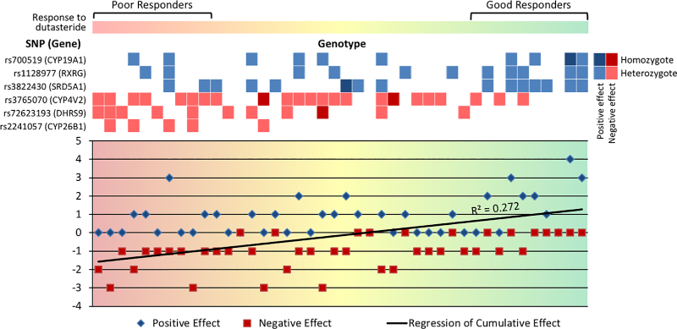
Figure 3. Cumulative effect of SNPs on response to dutasteride. There is a correlation between SNPs in 6 genes and response to dutasteride. Adapted from Figure 1.[13]Rhie, A., Son, H.-Y., Kwak, S. J., Lee, S., Kim, D. Y., Lew, B.-L., Sim, W.-Y., et al. (2019). Genetic variations associated with response to dutasteride in the treatment of male subjects with … Continue reading Image used under Creative Commons license.
The sample size is quite small, and the correlation between the presence of SNPs and response to dutasteride isn’t that strong. Importantly, the predictive power of the identified genes is cumulative: the model the researchers used considers multiple genes simultaneously, rather than the predictive power of SNPs in individual genes.
The Happy Head Treatment Insights include four of the six genes most associated with dutasteride effectiveness in the study. However, these are spread over three different “traits”. The predictive power of their model is therefore likely to be weak. However, the evidence does provide some scientific basis for the insights from the genetic test.
How Strong is the Evidence Overall?
We’ve looked at two examples where elements of Happy Head’s “genetic traits” might have some predictive power. SULT1A1 expression is likely associated with minoxidil efficacy, whereas genetic determinants of dutasteride efficacy would require stronger, more robust models that incorporate multiple genes to have any predictive value.
So what about the evidence supporting the other traits? Unfortunately, the DNA testing approach for personalized hair loss plans is largely based on over-extrapolation from data with little or no link to hair loss.
For example, Trait #5, Finasteride Effectiveness, lists SRD5A1 and SRD5A2 as genes related to this trait. The literature cited includes research that shows these genes are associated with prostate cancer and benign prostate hyperplasia, and one study that suggests variations in SRD5A2 can be associated with decreased risk of hair loss.[14]Hayes, V. M., Severi, G., Padilla, E. J. D., Morris, H. A., Tilley, W. D., Southey, M. C., English, D. R., et al. (2007). 5α‐reductase type 2 gene variant associations with prostate cancer risk, … Continue reading,[15]Li, X., Huang, Y., Fu, X., Chen, C., Zhang, D., Yan, L., Xie, Y., Mao, Y., & Li, Y. (2010). Meta-analysis of three polymorphisms in the steroid-5-alpha-reductase, alpha polypeptide 2 gene … Continue reading
The implication is that, because SRD5A2 is associated with higher DHT levels, this would increase finasteride efficacy, as finasteride inhibits DHT. However, there is no clinical evidence at all to suggest this is the case.
Happy Head also cites a review paper that outlines some ways genetic markers could provide personalized AGA medicine. Interestingly, the authors of the paper work for a company called Fagron Genomics, which manufactures genetic tests for personalized AGA medicine.[16]Vila-Vecilla, L., Russo, V., & Torres de Souza, G. (2024). Genomic markers and personalized medicine in androgenetic alopecia: a comprehensive review. *Cosmetics.* 11(5). 148. Available at: … Continue reading
Trait #9 is Topical Retinoic Acid Effectiveness, which lists associated genes as CRABP2, CYP26B1, and RXRG. Retinoic acid is a common additive in hair loss, especially in the form of tretinoin. However, the research cited by Happy Head to support the use of these genes for prediction has no relation to hair loss or AGA. One paper discusses CRABP2 in skin aging, while another highlights the role of CYP26 in cancer.[17]Bielli, A., Scioli, M. G., D’Amico, F., Tarquini, C., Agostinelli, S., Costanza, G., Doldo, E., et al. (2019). Cellular retinoic acid binding protein-II expression and its potential role in skin … Continue reading,[18]Stevison, F., Jing, J., Tripathy, S., & Isoherranen, N. (2015). Role of retinoic acid-metabolizing cytochrome P450s, CYP26, in inflammation and cancer. *Advances in Pharmacology.* 74. 373–412. … Continue reading
One study shows that changes in CRABP2 expression can increase serum retinoic acid levels in the umbilical cord of newborns. The relevance of the finding to hair loss is unclear.[19]Manolescu, D. C., El-Kares, R., Lakhal-Chaieb, L., Montpetit, A., Bhat, P. V., & Goodyer, P. (2010). Newborn serum retinoic acid level is associated with variants of genes in the retinol … Continue reading
The story is similar for the rest of the genetic traits: over-extrapolation of limited data from tangentially related studies. While genetic variation may be able to provide meaningful insights into hair loss drug efficacy in the future, there is currently insufficient data to back up Happy Head’s bold claims.
Concern #2: Topical Latanoprost
Latanoprost has become a popular component of topical hair loss treatments since a 2011 study suggested that it could increase hair density in men with AGA.[20]Blume-Peytavi, U., Lönnfors, S., Hillmann, K., & Garcia Bartels, N. (2012). A randomized double-blind placebo-controlled pilot study to assess the efficacy of a 24-week topical treatment by … Continue reading However, serious concerns have been raised about the drug’s long-term safety and efficacy.
Originally developed as a medication for glaucoma, latanoprost was tested as a treatment for AGA when users of the drug noted increased hair growth in their eyelashes. The 2011 study demonstrated significant increases in hair counts and hair density for 0.1% topical latanoprost compared to placebo. However, 50% of men in the study didn’t show any improvement at all, or got worse.
Given these results from a small study (16 participants in total), a 2018 follow-up study compared latanoprost with minoxidil and explored combination therapies. Unfortunately, the study design was flawed, with high participant dropout rates and poorly defined study groups and procedures.[21]Bloch, L. D., Escudeiro, C. C., Sarruf, F. D., & Sakai Valente, N. Y. (2018). Latanoprost and minoxidil: comparative double-blind, placebo-controlled study for the treatment of hair loss. … Continue reading
Other studies investigating latanoprost for alopecia areata have proven inconclusive, with low response rates.[22]Mehta, J. S., Raman, J., Gupta, N., & Thoung, D. (2003). Cutaneous latanoprost in the treatment of alopecia areata. *Eye.* 17(3). 444–446. Available at: https://doi.org/10.1038/sj.eye.6700354,[23]Faghihi, G., Andalib, F., & Asilian, A. (2009). The efficacy of latanoprost in the treatment of alopecia areata of eyelashes and eyebrows. *European Journal of Dermatology.* 19(6). 586–587. … Continue reading
As such, the verdict is still out on how effective latanoprost is at treating AGA and other hair loss conditions, with much more research required. Importantly, however, there are significant safety concerns associated with the drug.
Long-term use of latanoprost in patients with glaucoma can cause changes in iris color. Clinical data suggest this affects around 10% of people after a year of use, though some studies indicate the incidence could be as high as 70%.[24]Teus, M. A., Arranz-Marquez, E., & Lucea-Suescun, P. (2002). Incidence of iris colour change in latanoprost treated eyes. *British Journal of Ophthalmology.* 86(10). 1085–1088. Available at: … Continue reading Given the potential for systemic absorption of the drug when applied topically, or for the drug to enter the eyes when applied to the head, this could pose a risk for those using it as a hair loss cure. What’s more, hair loss treatments are typically taken consistently for many years, increasing lifetime exposure.
For glaucoma patients, the potential for changes in iris pigmentation is likely weighed against the benefits of a proven treatment for a debilitating condition. For those looking to treat hair loss, this risk is associated with a drug that is, so far, clinically unproven. In this context, the inclusion of latanoprost in hair-loss medications could be seen as irresponsible.
You can read our in-depth article about latanoprost here.
Concern #3: Propylene Glycol
The use of propylene glycol is a widespread problem in the hair growth industry. It’s used as an excipient, meaning it serves as an “inactive” ingredient that helps to stabilize the active drugs or increase their availability. For drugs like minoxidil, which is poorly water-soluble, propylene glycol helps keep the solution uniform and consistent. It can also enhance the penetration of drugs by affecting the barrier of the stratum corneum, the outermost layer of the skin.[25]Carrer, V., Alonso, C., Pont, M., Zanuy, M., Córdoba, M., Espinosa, S., Barba, C., Oliver, M. A., Martí, M., & Coderch, L. (2020). Effect of propylene glycol on the skin penetration of drugs. … Continue reading,[26]Lessmann, H., Schnuch, A., Geier, J., Uter, W. (2005). Skin-sensitizing and irritant properties of propylene glycol. Contact Dermatitis. 53(5). 247-259. Available at: … Continue reading
Unfortunately, propylene glycol is also widely recognized as an irritant and a cause of contact dermatitis. This effect will only be compounded by once or twice daily application in topical formulations. One retrospective study found that 6.4% of minoxidil users experience some skin irritation, and many of these reactions will be the result of propylene glycol.[27]Shadi, Z. (2023). Compliance to Topical Minoxidil and Reasons for Discontinuation among Patients with Androgenetic Alopecia. Dermatology and Therapy (Heidelb). 13(5). 1157-1169. Available at: … Continue reading.
Skin irritation is a common reason for people to discontinue treatment with topical hair loss products. More careful formulation could lead to better adherence and, ultimately, better results.
Concern #4: Corticosteroids
The use of irritants like propylene glycol leads us to our fourth concern: the use of corticosteroids. Daily application of irritants to the scalp can lead to significant inflammation, which is actively detrimental to hair growth. To combat this, telehealth companies have turned to corticosteroids like hydrocortisone and fluocinolone. These steroids mimic the activity of cortisol to suppress inflammation and local immune response.[28]Stacey, S. K., & McEleney, M. (2021). Topical corticosteroids: choice and application. *American Family Physician.* 103(6). 337–343. Available at: https://pubmed.ncbi.nlm.nih.gov/33719380/
However, corticosteroids are designed for intermittent use when treating acute inflammation. They are not designed for twice-daily application over the course of many years. The steroids wear down the stratum corneum and epidermis, and can lead to long-term side effects like spider veins.[29]Torok, H. M., Jones, T., Rich, P., Smith, S., & Tschen, E. (2005). Hydroquinone 4%, tretinoin 0.05%, fluocinolone acetonide 0.01%: a safe and efficacious 12-month treatment for melasma. *Cutis.* … Continue reading
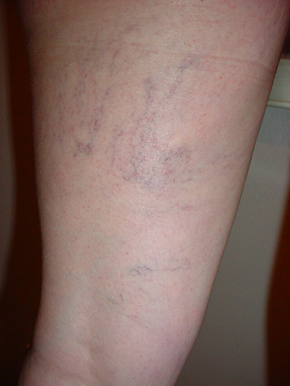
Figure 4. Telangiectasias or Spider Veins. Long-term use of corticosteroids can wear down the skin, leading to long-term damage like spider veins.[30]Wikimedia Commons. (n.d.). Telangiectasias. *Wikimedia Commons.* Available at: https://commons.wikimedia.org/wiki/File:Telangiectasias.jpg Image used under Creative Commons License.
The corticosteroids used in hair growth products are typically low-potency, meaning they can be used for longer periods of time than high- or medium-potency products. Happy Head, for example, uses 1% hydrocortisone in its TopicalRx Finasteride & Minoxidil formulation. However, one study showed that after only 2 weeks, 1% hydrocortisone can lead to a significant reduction in epidermal thickness. Although the skin recovered after multiple weeks of use, , this was only after treatment was ended.[31]Aschoff, R., Schmitt, J., Knuschke, P., Koch, E., Bräutigam, M., & Meurer, M. (2011). Evaluation of the atrophogenic potential of hydrocortisone 1% cream and pimecrolimus 1% cream in uninvolved … Continue reading
In clinical trials, 1% hydrocortisone can lead to skin atrophy (thinning) after 6 to 12 months in a small percentage of patients.[32]Guin, J. D. (1981). Complications of topical hydrocortisone. *Journal of the American Academy of Dermatology.* 4(4). 417–422. Available at: https://doi.org/10.1016/S0190-9622(81)70040-9,[33]Lenane, P., Macarthur, C., Parkin, P. C., Krafchik, B., DeGroot, J., Khambalia, A., & Pope, E. (2014). Clobetasol propionate, 0.05%, vs hydrocortisone, 1%, for alopecia areata in children: a … Continue reading However, as we’ve already noted, hair loss products should be designed for daily application for many years. The unnecessary inclusion of potentially harmful ingredients, with no clear benefit, is a major concern.
Concern #5: Dutasteride Formulation
One of the most important factors for drug producers and telehealth companies to consider when formulating their products is bioavailability: the extent to which the active ingredient is absorbed and used in the body. For common drugs like minoxidil and finasteride, this is fairly straightforward, as they are bioavailable on their own without much chemical modification.
Dutasteride, on the other hand, is poorly soluble in water and needs to be formulated with lipids. This is why it’s typically sold as a soft-gel capsule rather than a pill.
There are emerging concerns that some telehealth companies may be dispensing oral dutasteride in compounded capsule formulations that differ from the soft-gel, lipid-based versions used in clinical trials. When dutasteride is compounded as a powder and combined with other ingredients (such as oral minoxidil, vitamins, or biotin) into a single capsule, its absorption may be reduced.
To see if compounded dutasteride pills had reduced efficacy, we ran a small test. One participant took 3 pills of 0.5 mg powdered dutasteride (i.e., 1.5 mg total) and then checked changes in their blood DHT levels 12 hours later. Like finasteride, dutasteride works by reducing levels of DHT, and we’d normally expect to see around 80-90% reduction in serum DHT with only 1 mg of dutasteride, based on pharmacology data.[34]Gisleskog, P. O., Hermann, D., Hammarlund‐Udenaes, M., & Karlsson, M. O. (1998). A model for the turnover of dihydrotestosterone in the presence of the irreversible 5α‐reductase inhibitors … Continue reading
However, we saw a reduction of only 13.6%. It is safe to assume that this level of DHT reduction will lead to substantially lower effectiveness for the drug. While rigorous, peer-reviewed research is needed to confirm the extent of these differences, the findings are enough to raise serious concerns.
Happy Head compounds its dutasteride with minoxidil and vitamin D3 in a “SuperCapsuleTM”. While these compounded pills are designed to make taking them daily easier, they may be blocking their hair growth capabilities. The lack of evidence for the efficacy of dutasteride when it’s compounded in this way makes it difficult to understand the benefits of combining the drugs rather than providing the tried-and-tested gel-form capsule.
Interested in Oral Dutasteride?
Oral Dutasteride Hair gains bigger than finasteride? Dutasteride makes this possible, if prescribed*
Take the next step in your hair regrowth journey. Get started today with a provider who can prescribe a topical solution tailored for you.
*Only available in the U.S. Prescriptions not guaranteed. Restrictions apply. Off-label products are not endorsed by the FDA.
Can Prescription Vendors Do Better?
It is possible to provide personalized hair loss treatment. Rather than using marketing buzzwords and expensive, unproven DNA testing, vendors and telehealth companies can focus on the type and extent of hair loss, the tolerability of side effects, and ongoing management.
After years of advocating for better standards across the industry and pushing for improved formulations, we saw many telehealth brands move in the opposite direction. That experience ultimately led us to cofound Ulo, a telehealth company dedicated exclusively to hair growth, with the goal of fixing the problems we repeatedly observed and offering consumers treatment plans that are genuinely personalized and grounded in clinical evidence.
Ulo is built around three core principles: evidence, personalization, and consumer safety. Unlike some brands that rely heavily on unproven testing or trend-driven ingredients, Ulo states that it builds treatment plans around established therapies, physician oversight, and independently vetted formulations.
Ulo is committed to addressing several common industry practices highlighted in this article:
- Personalization and Customization: There’s no need for poorly evidenced genetic testing to find the right solution. Conversations with experts and examinations by clinical professionals are the best way to find the treatment regimen and management plan for you.
- Safer Topical Design: Ulo avoids propylene glycol and corticosteroids in its topical products, instead focusing on safe formulations and adjustable ingredient combinations.
- Avoidance of Trend-Driven Ingredients: They don’t include ingredients with limited safety data or unclear benefit unless there is a clear evidence-based rationale.
- Evidence-based Formulations: Rather than using mega-dosed or experimental combinations, Ulo emphasizes clinically supported concentrations and delivery formats. For example, it offers oral dutasteride in soft-gel form consistent with clinical trial formulations.
This model underscores what telehealth hair-loss providers could do differently: prioritize proven drug-delivery systems, avoid unnecessary or potentially harmful additives, provide genuine physician-led personalization, and set realistic expectations for outcomes.
Final Thoughts
The rise of telehealth hair-loss companies has made prescription treatments more accessible than ever, but accessibility does not always guarantee quality. While the concerns with Happy Head we’ve listed here raise serious questions about the brand and its products, they are not isolated to one company. Unfortunately, overstated claims, untested formulations, and unnecessary inclusion of risky components are common.
As this review highlights, differences in formulation, ingredient selection, and evidence standards can impact both safety and results. The takeaway is simple: effective hair-loss treatment is rarely about novelty or trendy new ingredients. Instead, prioritize providers that emphasize proven formulations, transparent evidence, and ongoing medical oversight.
References[+]
References ↑1 Heath, A. C., Nyholt, D. R., Gillespie, N. A., & Martin, N. G. (2003). Genetic basis of male pattern baldness. *Journal of Investigative Dermatology.* 121(6). 1561–1564. Available at: https://doi.org/10.1111/j.1523-1747.2003.12615.x ↑2 Trüeb, R. M. (2002). Molecular mechanisms of androgenetic alopecia. *Experimental Gerontology.* 37(8–9). 981–990. Available at: https://doi.org/10.1016/S0531-5565(02)00093-1 ↑3 Sadasivam, I. P., Sambandam, R., Kaliyaperumal, D., & Dileep, J. E. (2024). Androgenetic alopecia in men: An update on genetics. *Indian Journal of Dermatology.* 69(3). 282. Available at: https://doi.org/10.4103/ijd.ijd_729_23 ↑4 Gupta, A. K., Dennis, D. J., Economopoulos, V., & Piguet, V. (2026). The genetic landscape of androgenetic alopecia: Current knowledge and future perspectives. *Biology.* 15(2). 192. Available at: https://doi.org/10.3390/biology15020192 ↑5 Yang, Y., Yang, J. Y., & Chen, X. J. (2020). Biotinidase deficiency characterized by skin and hair findings. *Clinics in Dermatology.* 38(4). 477–483. Available at: https://doi.org/10.1016/j.clindermatol.2020.03.004 ↑6 Biran, R., Zlotogorski, A., & Ramot, Y. (2015). The genetics of alopecia areata: new approaches, new findings, new treatments. *Journal of Dermatological Science.* 78(1). 11–20. Available at: https://doi.org/10.1016/j.jdermsci.2015.01.004 ↑7 Nelson, M. R., Marnellos, G., Kammerer, S., Hoyal, C. R., Shi, M. M., Cantor, C. R., & Braun, A. (2004). Large-scale validation of single nucleotide polymorphisms in gene regions. *Genome Research.* 14(8). 1664–1668. Available at: https://doi.org/10.1101/gr.2421604 ↑8 National Human Genome Research Institute. (n.d.). Single nucleotide polymorphisms (SNPs). *Genome.gov.* Available at: https://www.genome.gov/genetics-glossary/Single-Nucleotide-Polymorphisms-SNPs ↑9 Wikimedia Commons. (n.d.). Single nucleotide polymorphism substitution mutation diagram – cytosine to thymine. *Wikimedia Commons.* Available at: https://commons.wikimedia.org/wiki/File:Single_nucleotide_polymorphism_substitution_mutation_diagram_-_cytosine_to_thymine.png ↑10 Pietrauszka, K., & Bergler-Czop, B. (2022). Sulfotransferase SULT1A1 activity in hair follicle, a prognostic marker of response to the minoxidil treatment in patients with androgenetic alopecia: a review. Advances in Dermatology and Allergology / Postępy Dermatologii i Alergologii. 39(3). 472–478. Available at: https://doi.org/10.5114/ada.2020.99947 ↑11 Yu, X., Dhakal, I. B., Beggs, M., Edavana, V. K., Williams, S., Zhang, X., Mercer, K., et al. (2010). Functional genetic variants in the 3′-untranslated region of sulfotransferase isoform 1A1 (SULT1A1) and their effect on enzymatic activity. *Toxicological Sciences.* 118(2). 391–403. Available at: https://doi.org/10.1093/toxsci/kfq296 ↑12 Rhie, A., Son, H.-Y., Kwak, S. J., Lee, S., Kim, D. Y., Lew, B.-L., Sim, W.-Y., et al. (2019). Genetic variations associated with response to dutasteride in the treatment of male subjects with androgenetic alopecia. *PLoS One.* 14(9). e0222533. Available at: https://doi.org/10.1371/journal.pone.0222533 ↑13 Rhie, A., Son, H.-Y., Kwak, S. J., Lee, S., Kim, D. Y., Lew, B.-L., Sim, W.-Y., et al. (2019). Genetic variations associated with response to dutasteride in the treatment of male subjects with androgenetic alopecia. *PLoS One.* 14(9). e0222533. Available at: https://doi.org/10.1371/journal.pone.0222533 ↑14 Hayes, V. M., Severi, G., Padilla, E. J. D., Morris, H. A., Tilley, W. D., Southey, M. C., English, D. R., et al. (2007). 5α‐reductase type 2 gene variant associations with prostate cancer risk, circulating hormone levels and androgenetic alopecia. *International Journal of Cancer.* 120(4). 776–780. Available at: https://doi.org/10.1002/ijc.22408 ↑15 Li, X., Huang, Y., Fu, X., Chen, C., Zhang, D., Yan, L., Xie, Y., Mao, Y., & Li, Y. (2010). Meta-analysis of three polymorphisms in the steroid-5-alpha-reductase, alpha polypeptide 2 gene (SRD5A2) and risk of prostate cancer. *Mutagenesis.* 26(3). 371–383. Available at: https://doi.org/10.1093/mutage/geq103 ↑16 Vila-Vecilla, L., Russo, V., & Torres de Souza, G. (2024). Genomic markers and personalized medicine in androgenetic alopecia: a comprehensive review. *Cosmetics.* 11(5). 148. Available at: https://doi.org/10.3390/cosmetics11050148 ↑17 Bielli, A., Scioli, M. G., D’Amico, F., Tarquini, C., Agostinelli, S., Costanza, G., Doldo, E., et al. (2019). Cellular retinoic acid binding protein-II expression and its potential role in skin aging. *Aging (Albany NY).* 11(6). 1619. Available at: https://doi.org/10.18632/aging.101813 ↑18 Stevison, F., Jing, J., Tripathy, S., & Isoherranen, N. (2015). Role of retinoic acid-metabolizing cytochrome P450s, CYP26, in inflammation and cancer. *Advances in Pharmacology.* 74. 373–412. Available at: https://doi.org/10.1016/bs.apha.2015.04.006 ↑19 Manolescu, D. C., El-Kares, R., Lakhal-Chaieb, L., Montpetit, A., Bhat, P. V., & Goodyer, P. (2010). Newborn serum retinoic acid level is associated with variants of genes in the retinol metabolism pathway. *Pediatric Research.* 67(6). 598–602. Available at: https://doi.org/10.1203/PDR.0b013e3181dcf18a ↑20 Blume-Peytavi, U., Lönnfors, S., Hillmann, K., & Garcia Bartels, N. (2012). A randomized double-blind placebo-controlled pilot study to assess the efficacy of a 24-week topical treatment by latanoprost 0.1% on hair growth and pigmentation in healthy volunteers with androgenetic alopecia. *Journal of the American Academy of Dermatology.* 66(5). 794–800. Available at: https://doi.org/10.1016/j.jaad.2011.05.026 ↑21 Bloch, L. D., Escudeiro, C. C., Sarruf, F. D., & Sakai Valente, N. Y. (2018). Latanoprost and minoxidil: comparative double-blind, placebo-controlled study for the treatment of hair loss. *Surgical & Cosmetic Dermatology.* 10(1). 39–43. Available at: https://doi.org/10.5935/scd1984-8773.20181011015 ↑22 Mehta, J. S., Raman, J., Gupta, N., & Thoung, D. (2003). Cutaneous latanoprost in the treatment of alopecia areata. *Eye.* 17(3). 444–446. Available at: https://doi.org/10.1038/sj.eye.6700354 ↑23 Faghihi, G., Andalib, F., & Asilian, A. (2009). The efficacy of latanoprost in the treatment of alopecia areata of eyelashes and eyebrows. *European Journal of Dermatology.* 19(6). 586–587. Available at: https://doi.org/10.1684/ejd.2009.0766 ↑24 Teus, M. A., Arranz-Marquez, E., & Lucea-Suescun, P. (2002). Incidence of iris colour change in latanoprost treated eyes. *British Journal of Ophthalmology.* 86(10). 1085–1088. Available at: https://doi.org/10.1136/bjo.86.10.1085 ↑25 Carrer, V., Alonso, C., Pont, M., Zanuy, M., Córdoba, M., Espinosa, S., Barba, C., Oliver, M. A., Martí, M., & Coderch, L. (2020). Effect of propylene glycol on the skin penetration of drugs. *Archives of Dermatological Research.* 312(5). 337–352. Available at: https://doi.org/10.1007/s00403-019-02017-5 ↑26 Lessmann, H., Schnuch, A., Geier, J., Uter, W. (2005). Skin-sensitizing and irritant properties of propylene glycol. Contact Dermatitis. 53(5). 247-259. Available at: https://doi.org/10.1111/j.0105-1873.2005.00693.x. ↑27 Shadi, Z. (2023). Compliance to Topical Minoxidil and Reasons for Discontinuation among Patients with Androgenetic Alopecia. Dermatology and Therapy (Heidelb). 13(5). 1157-1169. Available at: https://doi.org/10.1007/s13555-023-00919-x ↑28 Stacey, S. K., & McEleney, M. (2021). Topical corticosteroids: choice and application. *American Family Physician.* 103(6). 337–343. Available at: https://pubmed.ncbi.nlm.nih.gov/33719380/ ↑29 Torok, H. M., Jones, T., Rich, P., Smith, S., & Tschen, E. (2005). Hydroquinone 4%, tretinoin 0.05%, fluocinolone acetonide 0.01%: a safe and efficacious 12-month treatment for melasma. *Cutis.* 75(1). 57–62. Available at: https://pubmed.ncbi.nlm.nih.gov/15732437/ ↑30 Wikimedia Commons. (n.d.). Telangiectasias. *Wikimedia Commons.* Available at: https://commons.wikimedia.org/wiki/File:Telangiectasias.jpg ↑31 Aschoff, R., Schmitt, J., Knuschke, P., Koch, E., Bräutigam, M., & Meurer, M. (2011). Evaluation of the atrophogenic potential of hydrocortisone 1% cream and pimecrolimus 1% cream in uninvolved forehead skin of patients with atopic dermatitis using optical coherence tomography. *Experimental Dermatology.* 20(10). 832–836. Available at: https://doi.org/10.1111/j.1600-0625.2011.01335.x ↑32 Guin, J. D. (1981). Complications of topical hydrocortisone. *Journal of the American Academy of Dermatology.* 4(4). 417–422. Available at: https://doi.org/10.1016/S0190-9622(81)70040-9 ↑33 Lenane, P., Macarthur, C., Parkin, P. C., Krafchik, B., DeGroot, J., Khambalia, A., & Pope, E. (2014). Clobetasol propionate, 0.05%, vs hydrocortisone, 1%, for alopecia areata in children: a randomized clinical trial. *JAMA Dermatology.* 150(1). 47–50. Available at: doi:10.1001/jamadermatol.2013.5764 ↑34 Gisleskog, P. O., Hermann, D., Hammarlund‐Udenaes, M., & Karlsson, M. O. (1998). A model for the turnover of dihydrotestosterone in the presence of the irreversible 5α‐reductase inhibitors GI198745 and finasteride. *Clinical Pharmacology & Therapeutics.* 64(6). 636–647. Available at: https://doi.org/10.1016/S0009-9236(98)90054-6 Want help with your hair regrowth journey?
Get personalized support, product recommendations, video calls, and more from our researchers, trichologists, and PhD's dedicated to getting you the best possible outcomes.
Learn More
Dr. Michael Williams
Michael is a researcher and writer who holds a BSc in Bioscience, an MSc in Regenerative Medicine, and a PhD in Translational Biomedicine. He undertook his PhD research at Houston Methodist Research Institute, Texas, focusing on cell signaling in the ovarian cancer tumor microenvironment. He conducted postdoctoral research at Barts Cancer Institute in London, exploring cellular metabolism in acute myeloid leukemia. He has published work in a range of fields, including oncology, nanomedicine, and cell-based therapeutics.
"... Can’t thank @Rob (PHH) and @sanderson17 enough for allowing me to understand a bit what was going on with me and why all these [things were] happening ... "

 — RDB, 35, New York, U.S.A.
"... There is a lot improvement that I am seeing and my scalp feel alive nowadays... Thanks everyone. "

 — Aayush, 20’s, Boston, MA
"... I can say that my hair volume/thickness is about 30% more than it was when I first started."

 — Douglas, 50’s, Montréal, Canada
Want help with your hair regrowth journey?
Get personalized support, product recommendations, video calls, and more from our researchers, trichologists, and PhD's dedicated to getting you the best possible outcomes.
Join Now - Mission Statement