- About
- Mission Statement
Education. Evidence. Regrowth.
- Education.
Prioritize knowledge. Make better choices.
- Evidence.
Sort good studies from the bad.
- Regrowth.
Get bigger hair gains.
Team MembersPhD's, resarchers, & consumer advocates.
- Rob English
Founder, researcher, & consumer advocate
- Research Team
Our team of PhD’s, researchers, & more
Editorial PolicyDiscover how we conduct our research.
ContactHave questions? Contact us.
Before-Afters- Transformation Photos
Our library of before-after photos.
- — Jenna, 31, U.S.A.
I have attached my before and afters of my progress since joining this group...
- — Tom, 30, U.K.
I’m convinced I’ve recovered to probably the hairline I had 3 years ago. Super stoked…
- — Rabih, 30’s, U.S.A.
My friends actually told me, “Your hairline improved. Your hair looks thicker...
- — RDB, 35, New York, U.S.A.
I also feel my hair has a different texture to it now…
- — Aayush, 20’s, Boston, MA
Firstly thank you for your work in this field. I am immensely grateful that...
- — Ben M., U.S.A
I just wanted to thank you for all your research, for introducing me to this method...
- — Raul, 50, Spain
To be honest I am having fun with all this and I still don’t know how much...
- — Lisa, 52, U.S.
I see a massive amount of regrowth that is all less than about 8 cm long...
Client Testimonials150+ member experiences.
 Scroll DownPopular Treatments
- Treatments
Popular treatments. But do they work?
- Finasteride
- Oral
- Topical
- Dutasteride
- Oral
- Topical
- Mesotherapy
- Minoxidil
- Oral
- Topical
- Ketoconazole
- Shampoo
- Topical
- Low-Level Laser Therapy
- Therapy
- Microneedling
- Therapy
- Platelet-Rich Plasma Therapy (PRP)
- Therapy
- Scalp Massages
- Therapy
 More
More
IngredientsTop-selling ingredients, quantified.
- Saw Palmetto
- Redensyl
- Melatonin
- Caffeine
- Biotin
- Rosemary Oil
- Lilac Stem Cells
- Hydrolyzed Wheat Protein
- Sodium Lauryl Sulfate
 More
More
ProductsThe truth about hair loss "best sellers".
- Minoxidil Tablets
Xyon Health
- Finasteride
Strut Health
- Hair Growth Supplements
Happy Head
- REVITA Tablets for Hair Growth Support
DS Laboratories
- FoliGROWTH Ultimate Hair Neutraceutical
Advanced Trichology
- Enhance Hair Density Serum
Fully Vital
- Topical Finasteride and Minoxidil
Xyon Health
- HairOmega Foaming Hair Growth Serum
DrFormulas
- Bio-Cleansing Shampoo
Revivogen MD
- more
Key MetricsStandardized rubrics to evaluate all treatments.
- Evidence Quality
Is this treatment well studied?
- Regrowth Potential
How much regrowth can you expect?
- Long-Term Viability
Is this treatment safe & sustainable?
Free Research- Free Resources
Apps, tools, guides, freebies, & more.
- Free CalculatorTopical Finasteride Calculator
- Free Interactive GuideInteractive Guide: What Causes Hair Loss?
- Free ResourceFree Guide: Standardized Scalp Massages
- Free Course7-Day Hair Loss Email Course
- Free DatabaseIngredients Database
- Free Interactive GuideInteractive Guide: Hair Loss Disorders
- Free DatabaseTreatment Guides
- Free Lab TestsProduct Lab Tests: Purity & Potency
- Free Video & Write-upEvidence Quality Masterclass
- Free Interactive GuideDermatology Appointment Guide
- More
Articles100+ free articles.
-
Microneedling For Hair Loss: What’s The Best Needle Size?
-
Natural vs. Pharmaceutical DHT Blockers: Ranked
-
Redensyl, Capixyl, & Procapil (RCP) For Natural Hair Regrowth? (Scientific Review)
-
9 Best Shampoos for Sensitive Scalp
-
12 Best Shampoos for Greasy Hair
-
Can Miniaturized Hair Follicles Recover, or Is There a Point of No Return?
-
Sublingual Minoxidil: More Hair Growth, Less Sides?
-
Happy Head Review: 5 Concerns With The Brand
PublicationsOur team’s peer-reviewed studies.
- Microneedling and Its Use in Hair Loss Disorders: A Systematic Review
- Use of Botulinum Toxin for Androgenic Alopecia: A Systematic Review
- Conflicting Reports Regarding the Histopathological Features of Androgenic Alopecia
- Self-Assessments of Standardized Scalp Massages for Androgenic Alopecia: Survey Results
- A Hypothetical Pathogenesis Model For Androgenic Alopecia:Clarifying The Dihydrotestosterone Paradox And Rate-Limiting Recovery Factors
Menu- AboutAbout
- Mission Statement
Education. Evidence. Regrowth.
- Team Members
PhD's, resarchers, & consumer advocates.
- Editorial Policy
Discover how we conduct our research.
- Contact
Have questions? Contact us.
- Before-Afters
Before-Afters- Transformation Photos
Our library of before-after photos.
- Client Testimonials
Read the experiences of members
Before-Afters/ Client Testimonials- Popular Treatments
-
Articles
If your hair gets greasy quickly, you’ve probably tried at least a few ways to manage it.
Washing more often, switching to a stronger shampoo, using dry shampoo between washes. And yet, for some people, oil production never seems to be under control.
Here’s what often gets overlooked: greasy hair isn’t always just a matter of how often you’re washing it.
The oil itself, called sebum, is produced by sebaceous glands attached to your hair follicles. These sebaceous glands are influenced by genetics and hormones, which are the main factors involved in excess oil production. But what often gets overlooked as a factor is your scalp health. The state of your scalp can also influence how much oil your scalp produces.
That relationship runs in both directions. A greasy scalp can feed the growth of microbes and create an environment that contributes to poor scalp health. And an irritated, inflamed scalp releases signaling molecules, cytokines and prostaglandins, that can act directly on the sebaceous glands and push them to make more oil. In other words, inflammation doesn’t just follow excess oil. It can drive it.
This can affect everything from the appearance of hair to the health of hair follicles, potentially influencing hair growth and shedding.
That’s why we think choosing a shampoo for greasy hair should start with understanding what’s making it greasy in the first place.
In this guide, we’ll cover the most common causes, what to look for in a shampoo, and 12 options that meet our criteria. For each shampoo, we’ll look at its active ingredient, cleansing base, supporting ingredients, and limitations.
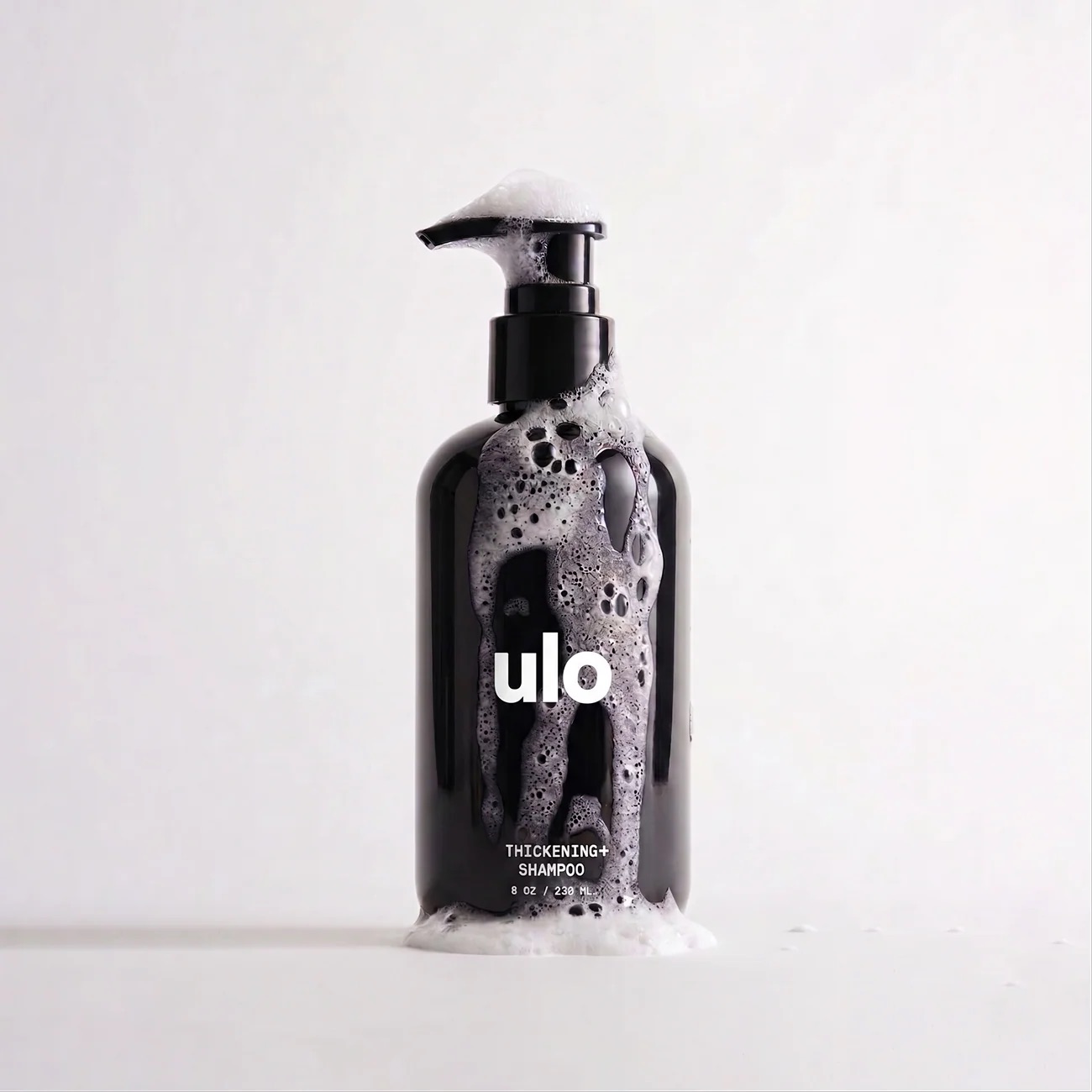
Ketoconazole Shampoo From our partners at UloSulfate-Free Ketoconazole Shampoo
Ulo's Thickening+ Shampoo pairs ketoconazole with thickening actives in a sulfate-free, gentle formula. Choose a multi-month plan and get up to 30% plus a free gift bundle.
Free full-size gifts with 3-month+ plans No prescription needed KetoconazoleSupports a healthy scalp
Free gifts included with select multi-month plans while supplies last. Ulo is a partner of Perfect Hair Health; we may earn a commission on purchases. This product is a cosmetic and is not intended to diagnose, treat, cure, or prevent any disease.
Why Does Hair Get Greasy?
First, an important point: sebum is a good thing.
It’s part of your scalp’s protective environment. It helps lubricate the skin and hair, supports hydration of the scalp skin, and contains compounds involved in the skin’s defense against harmful pollutants, allergens, and microbes in the environment.
However, when too much sebum is produced, this can lead to greasy hair. In turn, this can impact both the appearance of your hair as well as the health of the follicles and surrounding scalp.
So what causes excess oil? And can haircare products really help combat greasy hair? Let’s unpack each of the contributing factors and look at how hair products can help.
#1: Genetics
Genetics determine your baseline oil production. Sebaceous gland size, density, and sensitivity to hormones all vary from person to person, and much of that variation is inherited.
Shampoos aren’t going to change that genetic tendency. But they can still help you manage the oil that’s present and ensure an already elevated oil production isn’t exacerbated by other factors.
#2: Hormones
Sebaceous glands respond to male hormones called androgens, including dihydrotestosterone (DHT).
You may recognize DHT as one of the main drivers of androgenetic alopecia, or pattern hair loss. It also stimulates sebaceous gland activity. As a result, some people who experience pattern thinning may also experience increased oil production.
Hormones are also the reason why oiliness tends to change over a lifetime, typically rising around puberty and shifting with other hormonal changes.
#3: Inflammation
Inflammation is the most overlooked factor in greasy scalp, and where haircare products can actually help move the needle.
When the scalp is irritated, the skin cells respond by releasing inflammatory signaling molecules. These include cytokines (such as IL-1, IL-8, and TNF-a) and prostaglandins. When these molecules interact with cells, it turns on inflammation and influences their function.
Like the rest of the body, the activity of sebaceous glands are also impacted by these inflammatory signaling molecules:
- In cultured human sebocytes (the cells that make make up sebaceous glands), the cytokine TNF-a increased fat synthesis and lipid droplet formation, amping up the production of sebum.2
- In a study of animal sebaceous glands, a prostaglandin called 15-deoxy-prostaglandin J2 was found to augment sebum production directly. Interestingly, skin bacteria was shown to raise the production of this prostaglandin and increase sebum accumulation as a result.4, 5
In other words, inflammation drives excess oil production on a molecular level. And from a practical perspective, this makes sense.
Inflammation is a sign to the body that something is wrong: either tissue is damaged or some sort of foreign material has infiltrated. Sebum acts as a protective layer for the skin and helps to repair damaged skin. It reinforces the barrier, delivers antimicrobial lipids and antioxidants to the site, and helps hold water in while the tissue recovers.
Thus, it stands to reason that supporting healthy scalp inflammation levels can actually help combat greasy hair.
So what drives scalp inflammation in the first place?
Harsh Cleansing Agents
Sodium lauryl sulfate (SLS) is a cleansing agent, called a surfactant, often used in shampoos. It’s such a reliable skin irritant that dermatologists use it as the standard positive control in irritancy testing.8 Applied to human skin, it disrupts the barrier and triggers the release of inflammatory cytokines, including IL-1 and IL-6.9 Compared to other surfactants, SLS was more irritating than its milder relative sodium laureth sulfate (SLES), which in turn was more irritating than a gentler type of cleasning agent, alkyl polyglucoside surfactants.10
UV Exposure
Sunlight can trigger inflammation and exacerbate an oil scalp in two ways:
- In cultured sebaceous gland cells, UV irradiation increased cell numbers by 120 to 140% and raised oil production up to 4.1-fold, which suggests UVB can stimulate the sebaceous gland itself.14
- UV light oxidizes squalene, one of the main components of sebum. In human keratinocytes, peroxidized squalene induced the production of inflammatory mediators, including leukotriene B4 and interleukin-6.15
In other words, sun exposure can both increase sebum and convert the sebum already there into an irritant, driving greasier hair and scalp.
Inflammatory Scalp Microbes
This is particularly important if greasy hair also co-occurs with itching, flaking, or redness.
Malassezia is a yeast found naturally on human skin. It uses lipids from sebum, and in susceptible people, its activity can contribute to an inflammatory response in the scalp, which is why dandruff and seborrheic dermatitis involve symptoms like itching, flaking, and irritation.1
And because Malassezia feeds on sebum, excess oil production can drive Malassezia growth. In turn, the inflammatory effects of Malassezia can drive more oil production, creating a feed-forward cycle that contributes to greasy hair.
Why Does This Matter When Choosing a Shampoo?
Shampoos don’t just cleanse the scalp to help address a greasy scalp. Certain shampoo formulations may improve or exacerbate a greasy scalp beyond its contact on the scalp by influencing its inflammatory state when in contact with the scalp.
For example, in a study on a SLS-containing cleansing product, researchers found that the product irritated the skin over time (and that the level of irritation correlated with the hardness of the water).11
Similarly, the formulation of shampoos, including select active ingredients, can have a positive impact on scalp health through antimicrobial, antioxidant, and other beneficial effects.
What Should You Look for in the Best Shampoo for Greasy Hair?
When it comes to addressing greasy hair, you’ll ideally want to look for a shampoo that cleanses well, but is gentle enough that it doesn’t contribute to further inflammation and ideally includes active ingredients that help address any inflammation that could be contributing to greasy hair.
This means you should aim for:
- A sulfate-free shampoo formula. By opting for less irritating surfactants, you reduce the risk of your shampoo contributing to unnecessary scalp irritation and inflammation.
- A medicated shampoo formula. By supporting a healthier scalp microbiome, it reduces the microbial overgrowth that can contribute to scalp inflammation and, in turn, greasy hair. Some suitable ingredients to look for in a medicated shampoo include ketoconazole, zinc pyrithione, salicylic acid, and selenium sulfide.
- Strategic inclusion of scalp-supportive actives. Look for scalp-supportive ingredients that soothe and calm the scalp like rosemary, caffeine, colloidal oatmeal, panthenol, biotin, and other calming ingredients.
Now, with those distinctions in mind, here are the 12 shampoos we’d recommend for greasy hair.
The 12 Best Shampoos for Greasy Hair
#1: Ulo Thickening Shampoo Plus
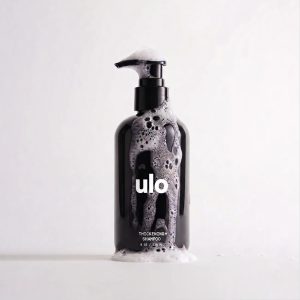
Ulo’s Thickening Shampoo Plus is our top pick because it meets all the criteria we’d prioritize for greasy hair.
It’s sulfate-free and silicone-free and includes a set of scalp-supportive ingredients: rosemary leaf oil, caffeine, panthenol, and biotin, alongside saw palmetto extract.
It also contains 0.9% ketoconazole, an antifungal that targets Malassezia and P. acnes bacteria that may contribute to scalp inflammation.16, 17
As discussed earlier, reducing Malassezia reduces the inflammatory signaling that keeps sebaceous glands overproducing. Clinical studies of ketoconazole shampoos have also reported measurable changes in sebum and hair-related outcomes. In a six-month randomized trial of 150 men with dandruff and hair shedding, a 1% ketoconazole shampoo used two to three times weekly was associated with a 4.8% reduction in sebum excretion and a 17.3% reduction in shedding.18 In a separate small study of men with androgenetic alopecia, a 2% ketoconazole shampoo was associated with a 19% reduction in sebaceous-gland size over six months, compared with a 5% increase in the group using 2% minoxidil lotion.19
Because the active needs contact time to work, our recommendation is to lather, leave it on for one to three minutes, and rinse thoroughly. It’s formulated for regular use, so it can serve as your everyday shampoo rather than a twice-weekly treatment.
Best for: People with greasy hair who want to support thicker, fuller hair with a sulfate-free formula with ketoconazole, clinical actives, natural extracts, and soothing vitamins.
Ketoconazole Shampoo From our partners at UloSulfate-Free Ketoconazole Shampoo
Ulo's Thickening+ Shampoo pairs ketoconazole with thickening actives in a sulfate-free, gentle formula. Choose a multi-month plan and get up to 30% plus a free gift bundle.
Free full-size gifts with 3-month+ plans No prescription needed
KetoconazoleSupports a healthy scalpFree gifts included with select multi-month plans while supplies last. Ulo is a partner of Perfect Hair Health; we may earn a commission on purchases. This product is a cosmetic and is not intended to diagnose, treat, cure, or prevent any disease.
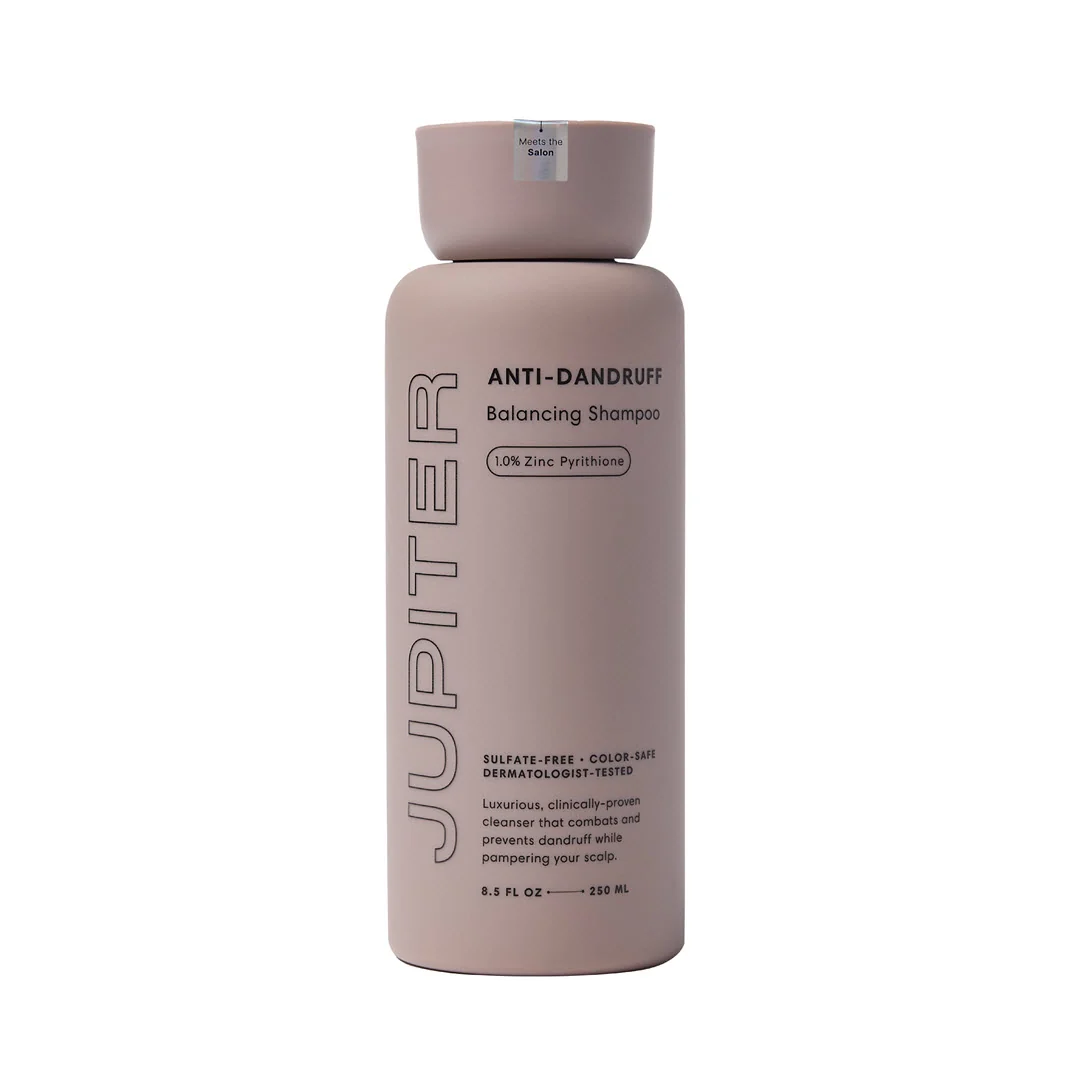
#2: Jupiter Anti-Dandruff Balancing Shampoo, 1% Zinc Pyrithione
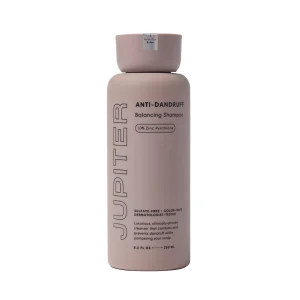
Jupiter Balancing Shampoo is the closest alternative to Ulo on all three criteria.
It contains 1% zinc pyrithione in a sulfate-free base, with glycerin, squalane, panthenol, rosemary leaf extract, sugar kelp extract, and pea peptides.
Zinc pyrithione has evidence for managing dandruff, with some clinical data suggesting effects on sebum and shedding as well. In the same six-month trial that tested ketoconazole, a 1% zinc pyrithione shampoo was associated with a 5.5% reduction in sebum excretion and a 10.1% reduction in shedding.18
While zinc pyrithione is an effective antifungal ingredient, it’s not as powerful as ketoconazole for keeping the scalp microbiome in check.20
Best for: Daily or near-daily use on an oily, flaky scalp when you want a sulfate-free formula with an antifungal active.
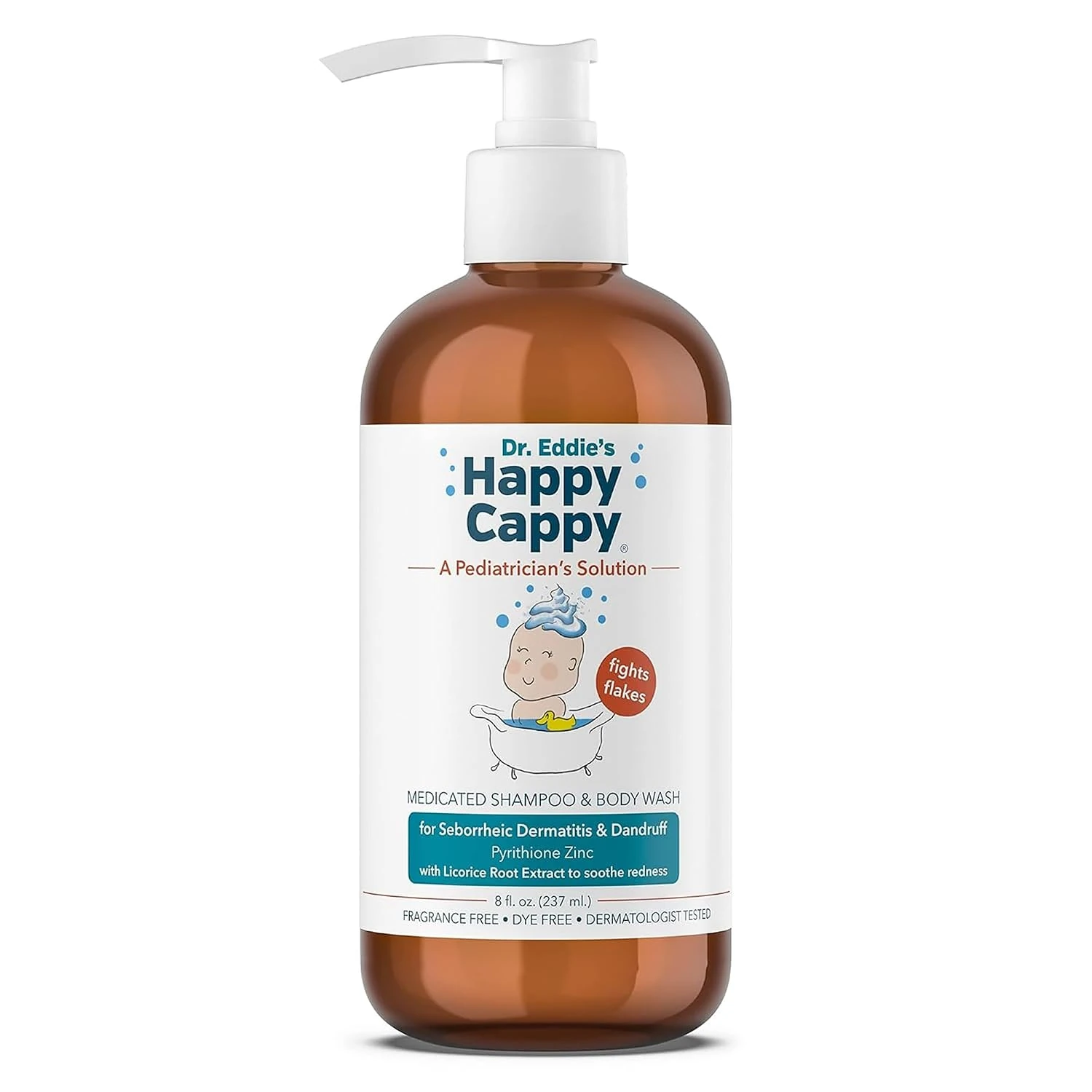
#3: Dr. Eddie’s Happy Cappy Medicated Shampoo & Body Wash, 0.95% Pyrithione Zinc
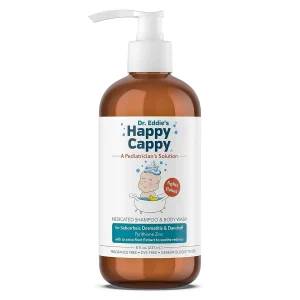
Happy Cappy was originally formulated for cradle cap and seborrheic dermatitis in children, with 0.95% pyrithione zinc. The cleansing base is sulfate-free, fragrance-free, dye-free, and paraben-free, and includes supportive ingredients include licorice root extract (dipotassium glycyrrhizate), panthenol, and glycerin.
While zinc pyrithione is an effective active, at 0.95%, it’s a formulation on the weaker side.
Best for: Sensitive, fragrance-reactive scalps that need an antifungal active in the gentlest possible base.
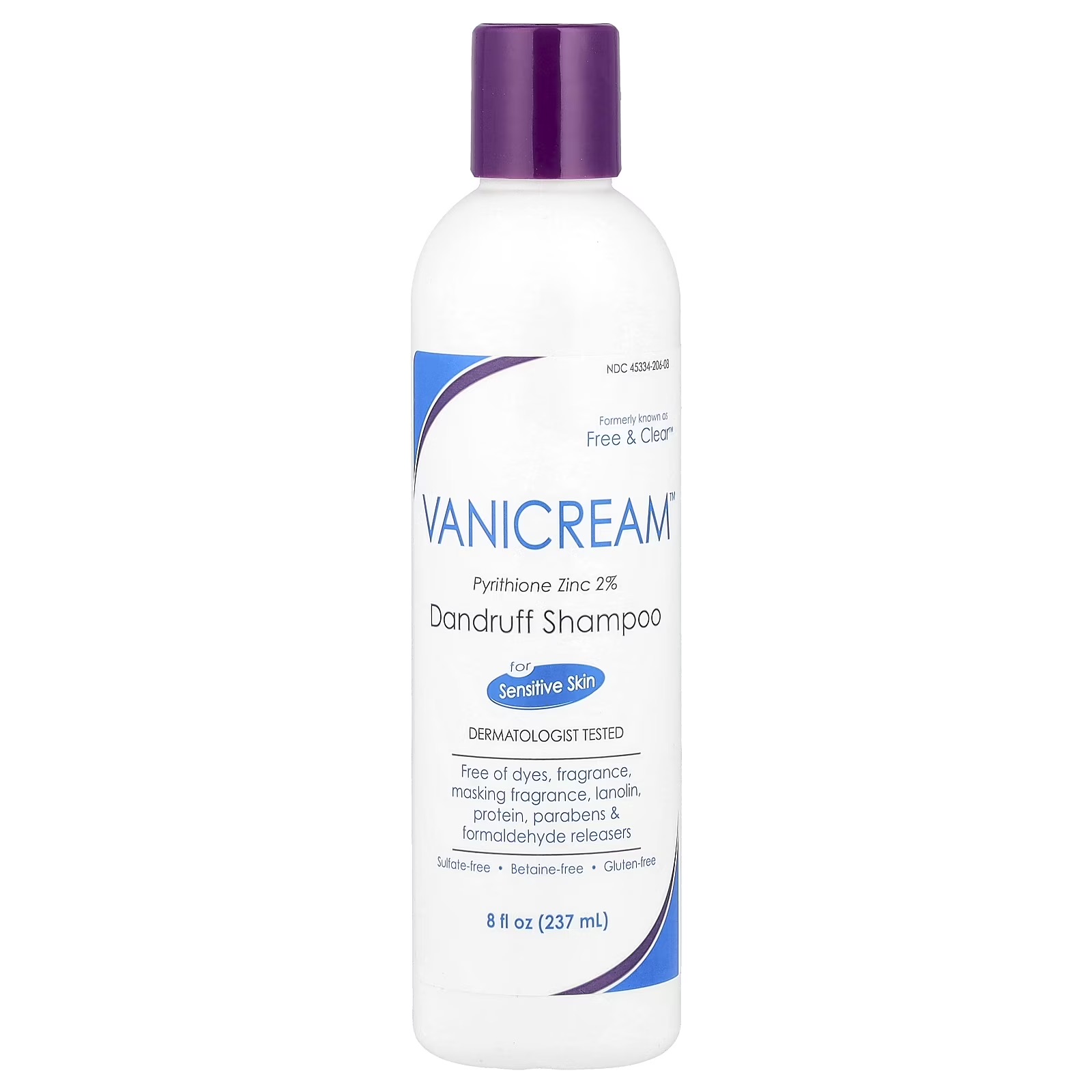
#4: Vanicream Dandruff Shampoo, 2% Pyrithione Zinc
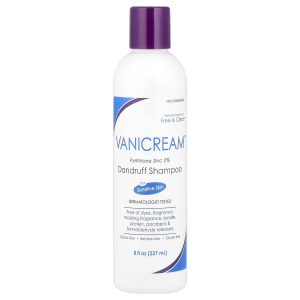
Vanicream Dandruff Shampoo is the highest-strength zinc pyrithione option here, at 2%.
The base is built on lauryl glucoside and coco-glucoside, which are exceptionally gentle cleansing agents. It also includes panthenol and glycerin, and contains no fragrance, sulfates, or parabens, making it an exceptionally gentle formula. However, it doesn’t contain any botanical ingredients that may have an additive effect with the zinc.
Additionally, it’s important to note that a glucoside-based formulation may not tame frizz as effectively as other shampoos.
Best for: People who want the strongest OTC zinc pyrithione concentration in a fragrance-free, gentle formula, and aren’t concerned with frizz or manageability.
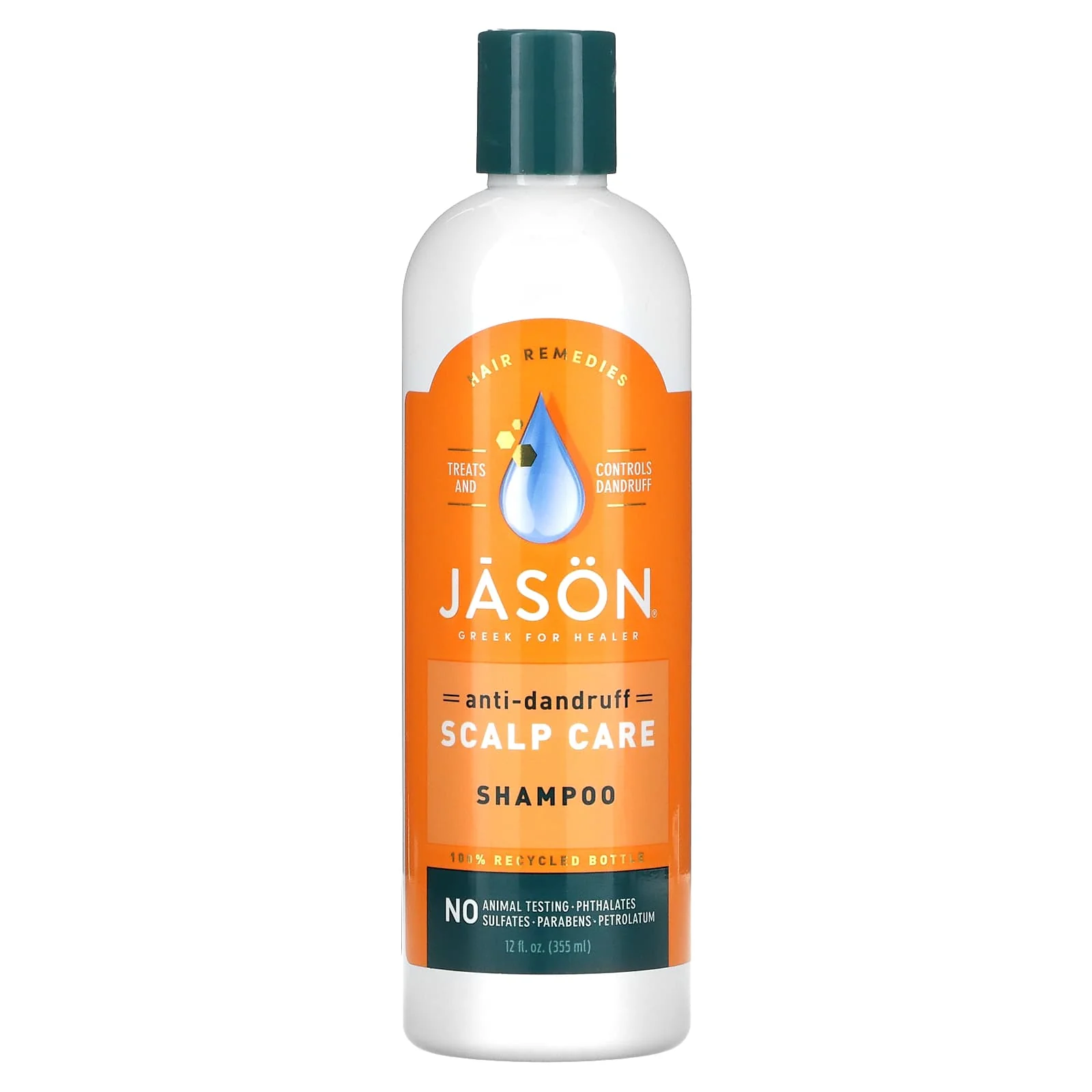
#5: Jason Anti-Dandruff Scalp Care Shampoo, 2.2% Salicylic Acid + 2.4% Sulfur
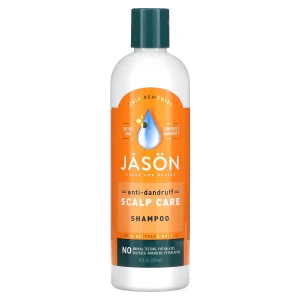
Jason Anti-Dandruff Scalp Care Shampoo is the only pick that combines two actives: 2.2% salicylic acid, which loosens scalp buildup and dissolves sebum, and 2.4% sulfur, a long-used antidandruff ingredient.
The cleansing base is sulfate-free and included supportive ingredients like rosemary leaf oil, olive fruit oil, jojoba oil, and glycerin. There’s no added synthetic fragrance, though it does contain menthol and camphor for a cooling effect.
Best for: Oily scalps with visible flakes or scale, when you’d rather have a keratolytic than an antifungal, and want a mild, affordable base.
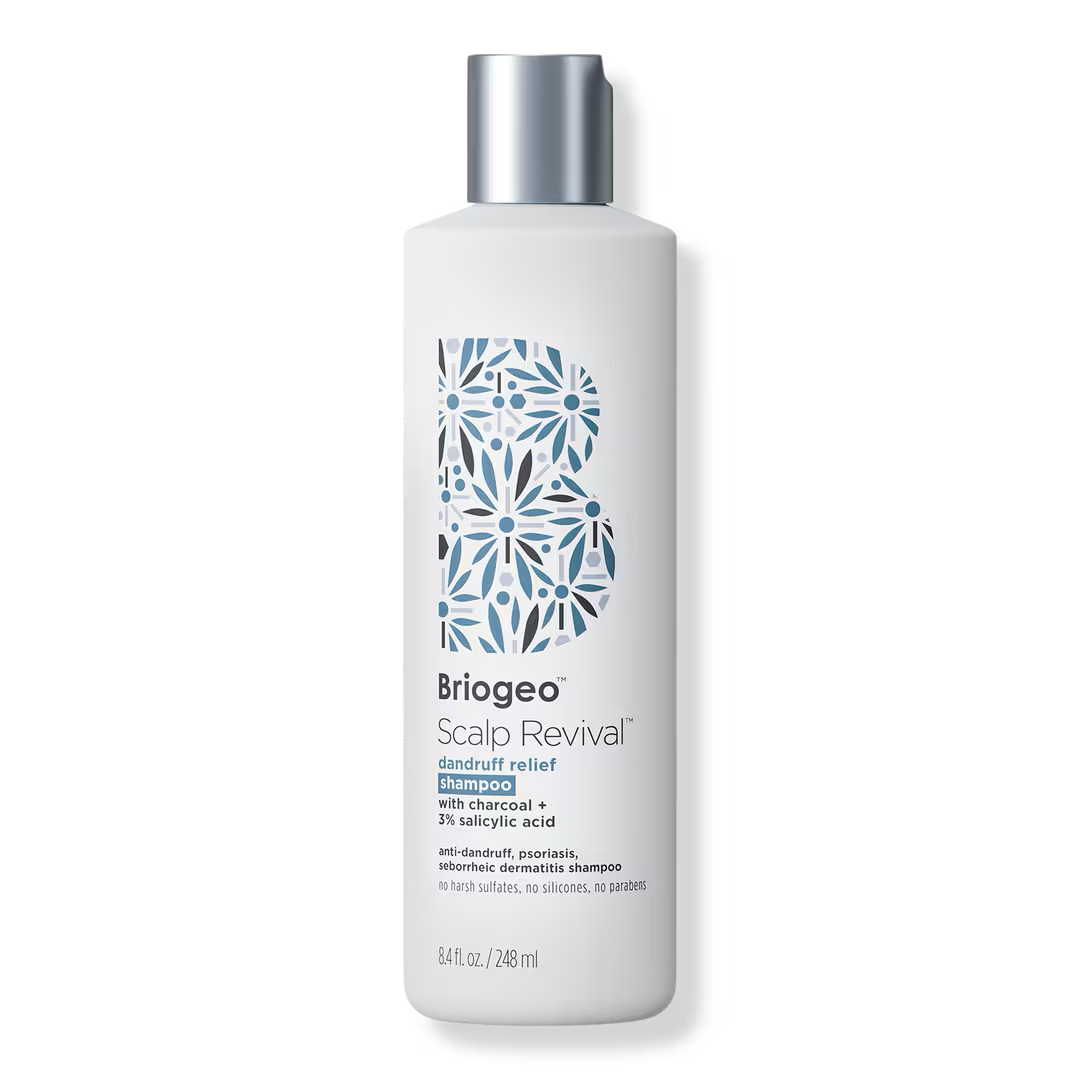
#6: Briogeo Scalp Revival Dandruff Relief Shampoo, 3% Salicylic Acid
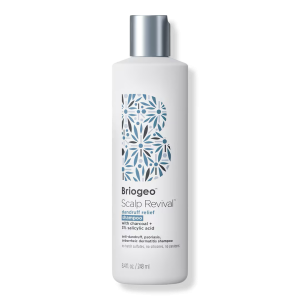
Briogeo Scalp Revival Dandruff Relief is a premium salicylic acid option, at the maximum OTC strength of 3%.
It’s a sulfate-free formula that includes panthenol, biotin, hyaluronic acid, glycerin, sodium PCA, coconut oil, and charcoal powder. It’s free of artificial dyes and parabens.
The scent comes from tea tree and peppermint oils rather than synthetic fragrance.
The main limitation is cost: it’s the second most expensive option on the list. And importantly, it only includes salicylic acid, which is a beneficial, scalp microbiome-supportive ingredient, but lacks the potency of other clinical actives like ketoconazole.
Best for: Someone who wants maximum-strength salicylic acid with scalp-care ingredients and doesn’t mind the higher price point.
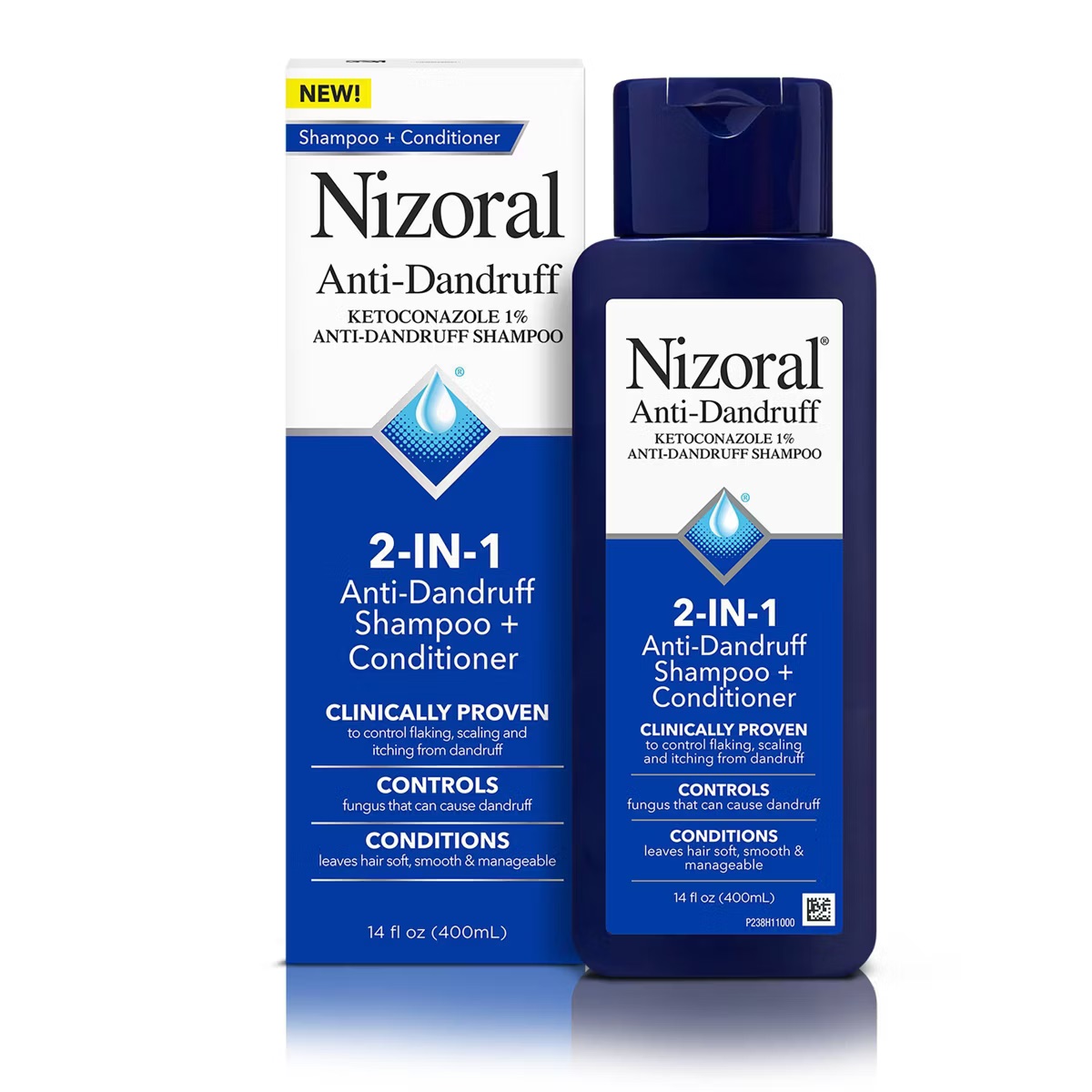
#7: Nizoral Anti-Dandruff 2-in-1 Shampoo & Conditioner, 1% Ketoconazole
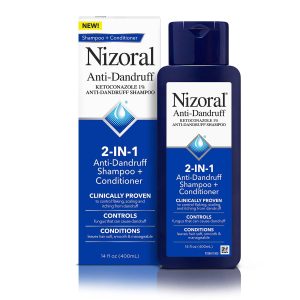
Nizoral Anti-Dandruff 2-in-1 Shampoo & Conditioner contains 1% ketoconazole in a condition shampoo formula.
While it provides a clinical dose of ketoconazole, which is ideal greasy hair, it is still formulated with sulfates and dyes that may make it too harsh for some scalps. There are no supportive botanicals, humectants, or soothing agents in the ingredient list.
Best for: People who want OTC ketoconazole specifically, can tolerate a sulfate-based formula twice a week, and will use a gentler shampoo on the other days.
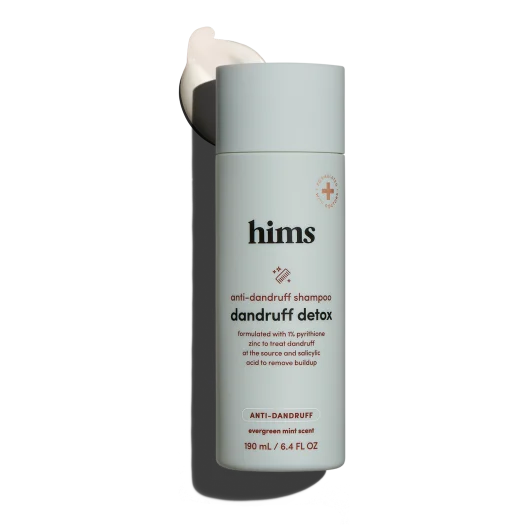
#8: hims Dandruff Detox Shampoo, 1% Pyrithione Zinc
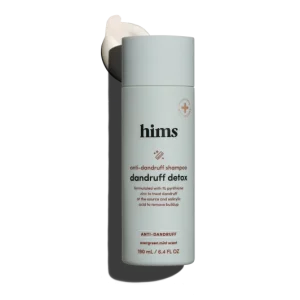
hims Dandruff Detox Shampoo pairs 1% pyrithione zinc with a supporting formula that includes rosemary leaf extract, ceramide NG, saccharide isomerate, and a blend of avocado, argan, sunflower, and chia seed oils. It’s free of sulfates, parabens, phthalates, and dyes.
hims recommends using it at least twice a week. It’s sold direct through the brand’s site, with a subscription option.
Best for: People already managing thinning hair who want a sulfate-free zinc pyrithione shampoo with hair-supportive extras.
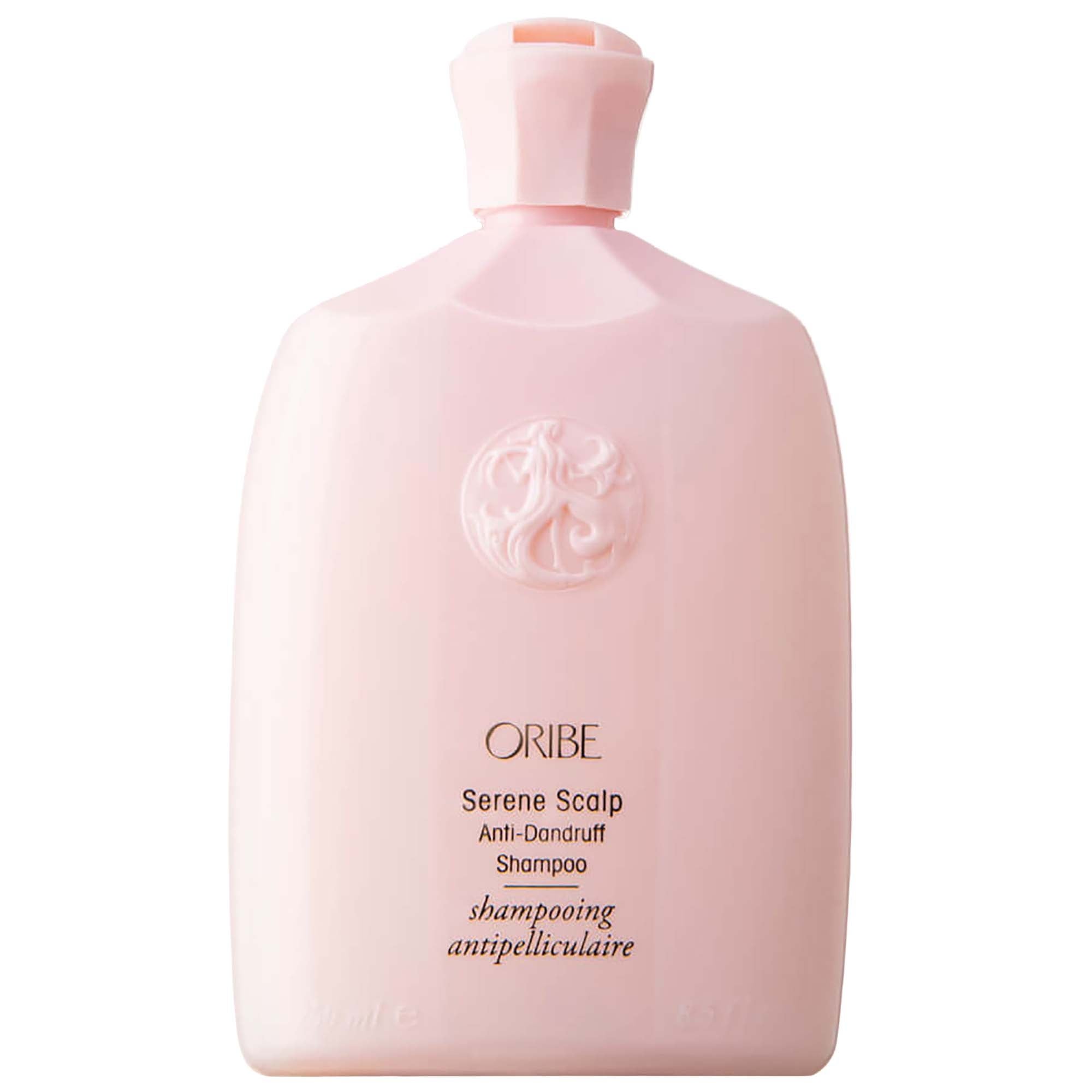
#9: Oribe Serene Scalp Anti-Dandruff Shampoo, 2% Salicylic Acid
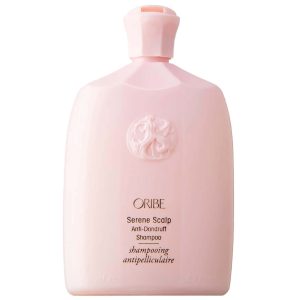
Oribe Serene Scalp is a luxury shampoo. It contains 2% salicylic acid in a sulfate-free base, with biotin, niacinamide, panthenol, vitamin E, and a range of fruit and botanical extracts.
The drawbacks are cost and fragrance. It’s the most expensive shampoo on this list, several times the cost of most picks above it. It’s also scented with Oribe’s signature perfume and contains pearlescent pigments, neither of which does anything for your scalp.
Best for: Someone who wants a salicylic acid shampoo that looks and smells like a salon product, and isn’t price-sensitive.
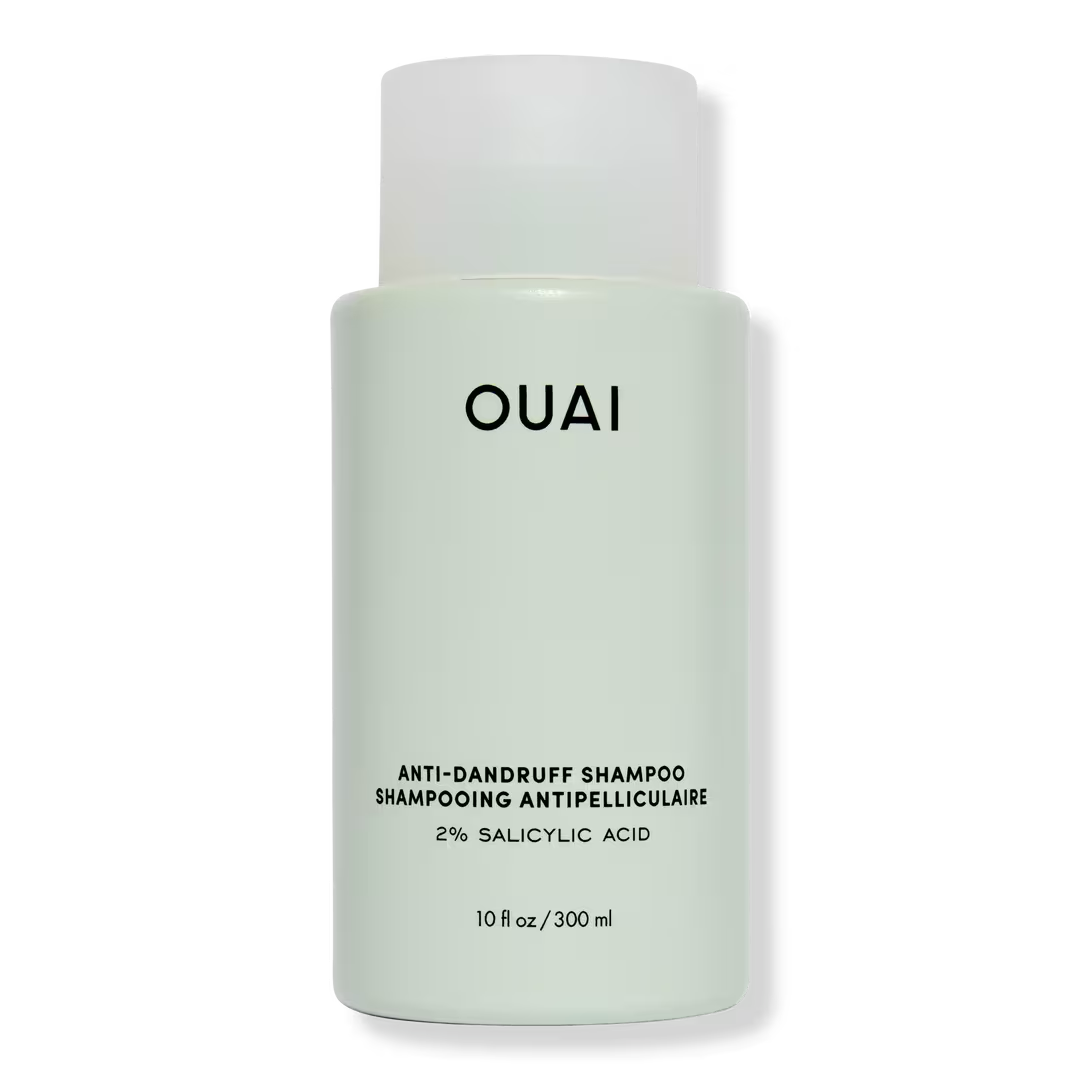
#10: OUAI Anti-Dandruff Shampoo, 2% Salicylic Acid
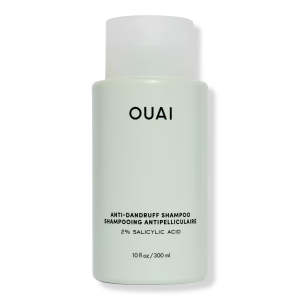
OUAI Anti-Dandruff Shampoo is a straightforward 2% salicylic acid formula marketed for dandruff.
It uses a blend of gentle, sulfate-free surfactants with glycerin and willow herb extract as supporting ingredients. It’s free of parabens and phthalates.
OUAI recommends leaving it on for five minutes and using it at least twice a week.
Best for: People who want a salicylic acid shampoo from a brand they already use, and whose scalp tolerates fragrance.
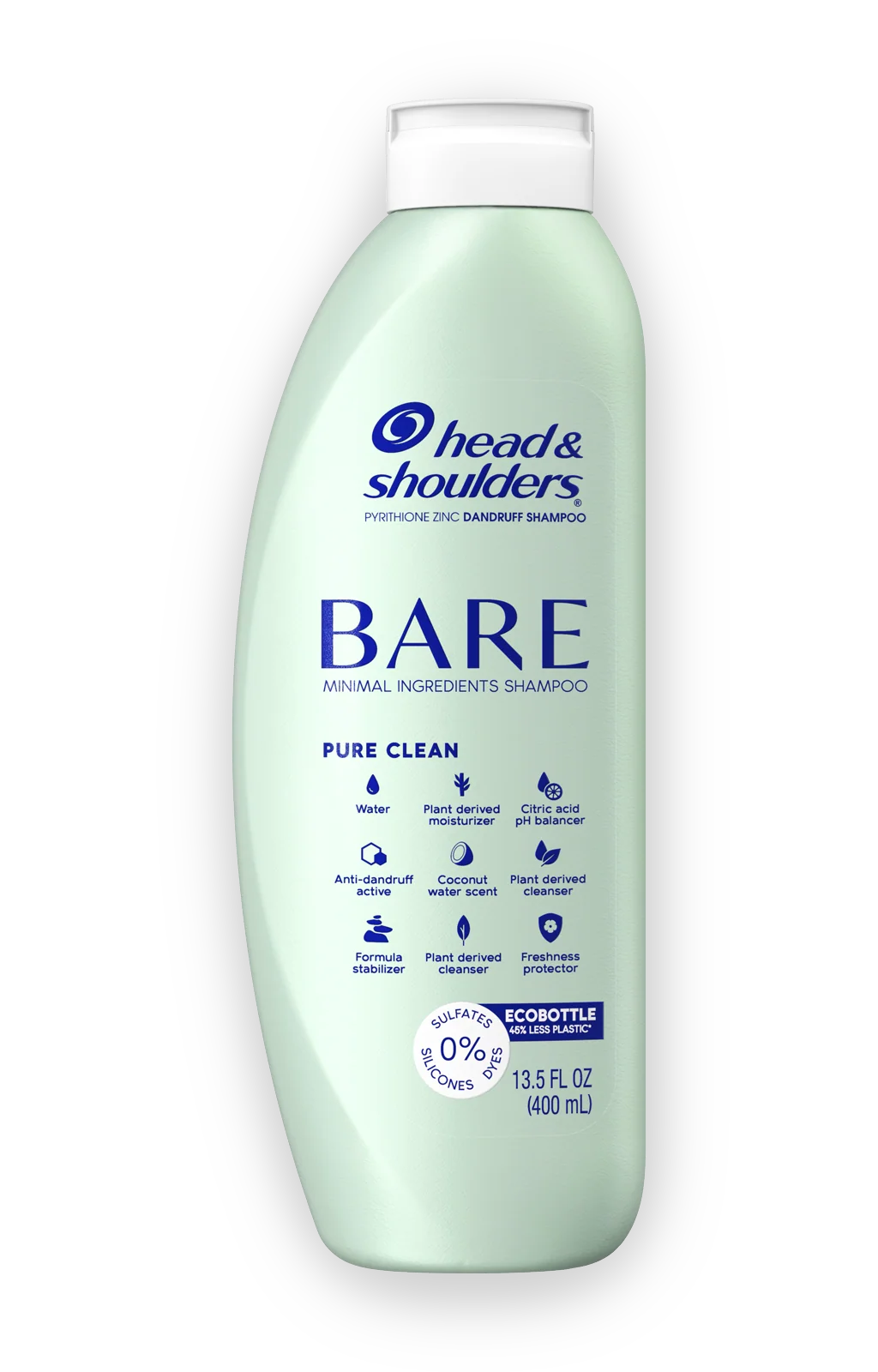
#11: Head & Shoulders BARE Pure Clean, 1% Pyrithione Zinc
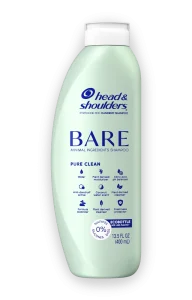
Head & Shoulders BARE is a gentle, simple ingredient formula made with only 9 ingredients, containing 1% pyrithione zinc and no sulfates, silicones, or dyes.
While zinc pyrithione is an effective clinical ingredient, it lacks the support of other beneficial ingredients like caffeine, green tea, or other soothing ingredients.
This formula wins on cost and availability. It’s the least expensive medicated, sulfate-free shampoo we found, and it’s sold nearly everywhere.
Best for: A budget-friendly, sulfate-free zinc pyrithione shampoo when you don’t need soothing extras.
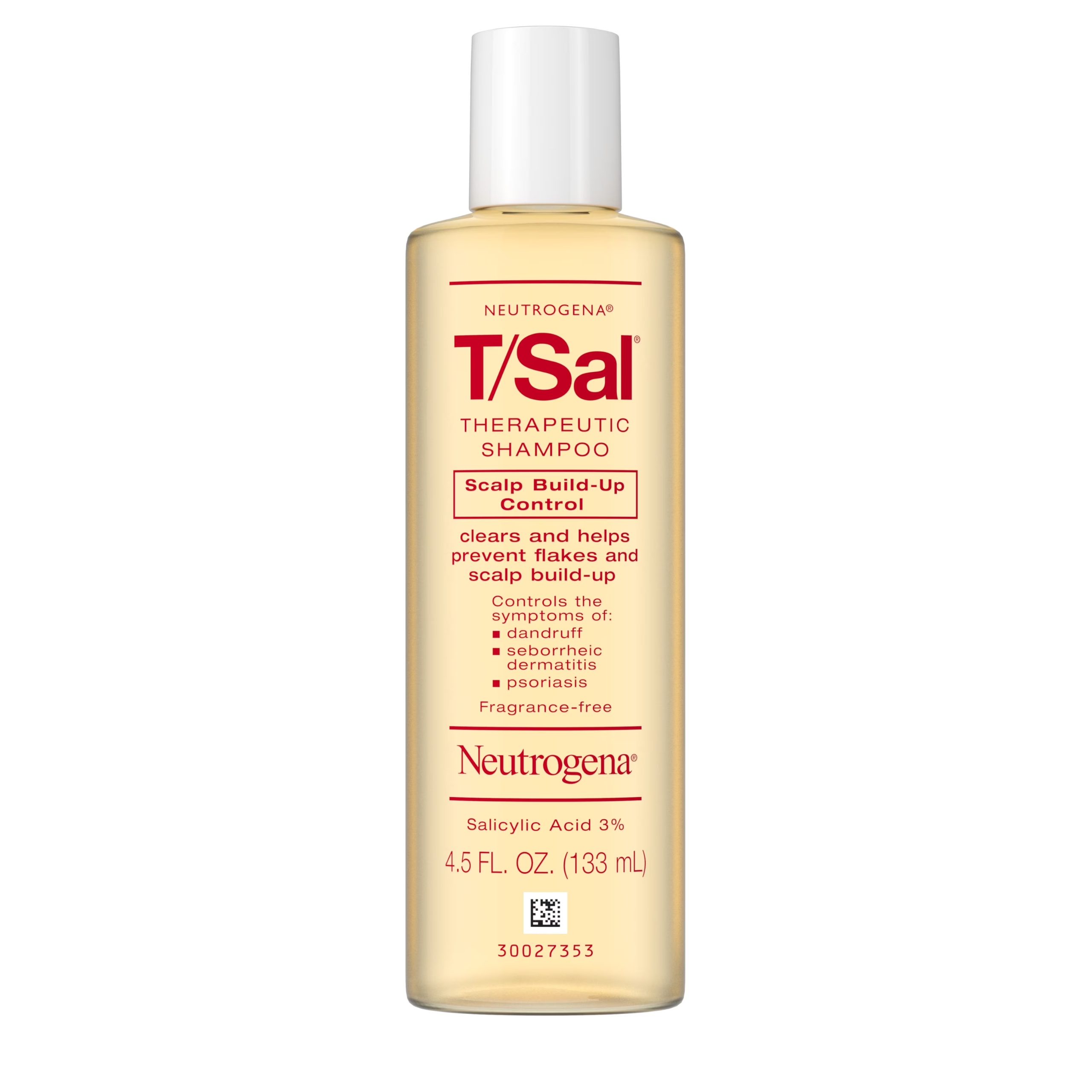
#12: Neutrogena T/Sal Therapeutic Shampoo, 3% Salicylic Acid
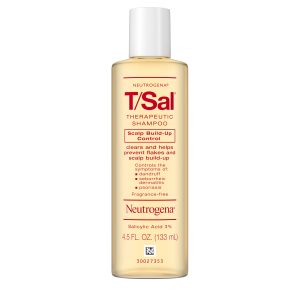
Neutrogena T/Sal is a salicylic acid-based healthy scalp shampoo with a long track record.
It’s sulfate-free and contains no fragrance, color, or preservatives. With just salicylic acid, it’s lacking the edge of ketoconazole shampoos, but provides gentle antimicrobial and antifungal support. Its salicylic content also helps to break down stubborn buildup and flakes that can detract from scalp health.
It’s labeled for use at least twice a week.
Best for: Stubborn flakes on an oily scalp when you want a simple, salicylic acid-based formjla.
How Should You Wash Greasy Hair?
Choosing the right shampoo matters. But how you use it, and what you combine it with, can matter just as much.
Here are the adjustments we’d consider before adding more products to your routine.
- Match your washing routine to your scalp. If you have dandruff or seborrheic dermatitis, a medicated shampoo may be useful on the schedule recommended on its label or by your clinician. Use a gentler shampoo on other wash days if needed, and save stronger deep-cleansing shampoos for occasional use.
- Give medicated shampoos the recommended contact time. For Ulo’s ketoconazole shampoo, that means lathering and leaving it on for one to three minutes before rinsing.
- Keep conditioner away from the roots when it weighs your hair down. Apply it mainly to the mid-lengths and ends. For fine hair that becomes greasy quickly, this may noticeably improve how long it looks fresh.
- Wash 5-7 times per week. One study found that more frequent washing is associated with lower free radical damage in the scalp and, as a result, better scalp health, with the best results observed with 5-6 washes per week.12
- Seek an assessment if greasiness comes with significant hair loss, persistent redness, or thick scale. Conditions such as seborrheic dermatitis, scalp psoriasis, and androgenetic alopecia can overlap or look similar at first. An accurate diagnosis matters because the right treatment depends on what’s actually going on.
Bottom Line
The best shampoo for greasy hair is one that takes into account the factor involved in greasy scalp beyond hormones and genetics: scalp inflammation.
An inflamed scalp releases cytokines and prostaglandins that can push your sebaceous glands to make more oil, which means the inflammation isn’t just a side effect of excess oil. And because scalp inflammation can be exacerbated by the presence of irritating cleansing agents (like sulfates) and bacterial or fungal overgrowth, these factors should be taken into account when choosing a shampoo.
Besides a sulfate-free formula, the addition of antifungal and antimicrobial ingredients like ketoconazole are helpful for supporting a healthy scalp environment that helps to balance oil production. Zinc pyrithione and salicylic acid are also helpful, scalp-balancing actives.
Among those antifungal ingredients, ketoconazole has particularly interesting evidence relating to scalp symptoms, sebum, and certain hair-related measures. That’s why Ulo Thickening Shampoo Plus is our top overall pick: it combines 0.9% ketoconazole with a sulfate-free, silicone-free base designed for regular scalp care.
And don’t be worried about over-cleansing when using a sulfate-free shampoo. When it comes to frequency of shampooing, studies show cleansing 5-6 times per week results in the best scalp and hair conditions.
If you are noticing a receding hairline, widening part, reduced density, or progressively finer hairs, a blood DHT test can sound like a logical next step.
Dihydrotestosterone (DHT) is often described as the hormone responsible for androgenic alopecia (AGA). That framing can make the question seem straightforward. If DHT contributes to follicular miniaturization, wouldn’t a high DHT result show whether DHT is causing your hair loss?
There are other understandable reasons to want the test, too. You may be trying to distinguish AGA from stress-related shedding or a nutritional problem. You may want an objective explanation for a visible change in your hair. Or if you are considering a treatment such as finasteride, you may wonder whether your baseline DHT level could predict whether the medication will work for you.
A blood test can feel more definitive than looking at the scalp. It provides a number, a laboratory reference range, and apparently clear categories such as “normal” or “high.” But hair follicles do not respond only to the amount of DHT circulating in the bloodstream. They respond to a combination of local DHT production, androgen-receptor signaling, genetic susceptibility, and site-specific biology within the scalp.
That does not make serum DHT meaningless. It is a real hormonal measurement, and hormone testing can be appropriate when someone has signs of androgen excess or another possible endocrine disorder. However, interpreting a DHT result as a direct test for AGA can be misleading.
To understand why, it helps to separate two related but different questions:
- What is the DHT concentration in the blood at the time of testing?
- Are susceptible scalp follicles undergoing androgen-related miniaturization?
What is DHT?
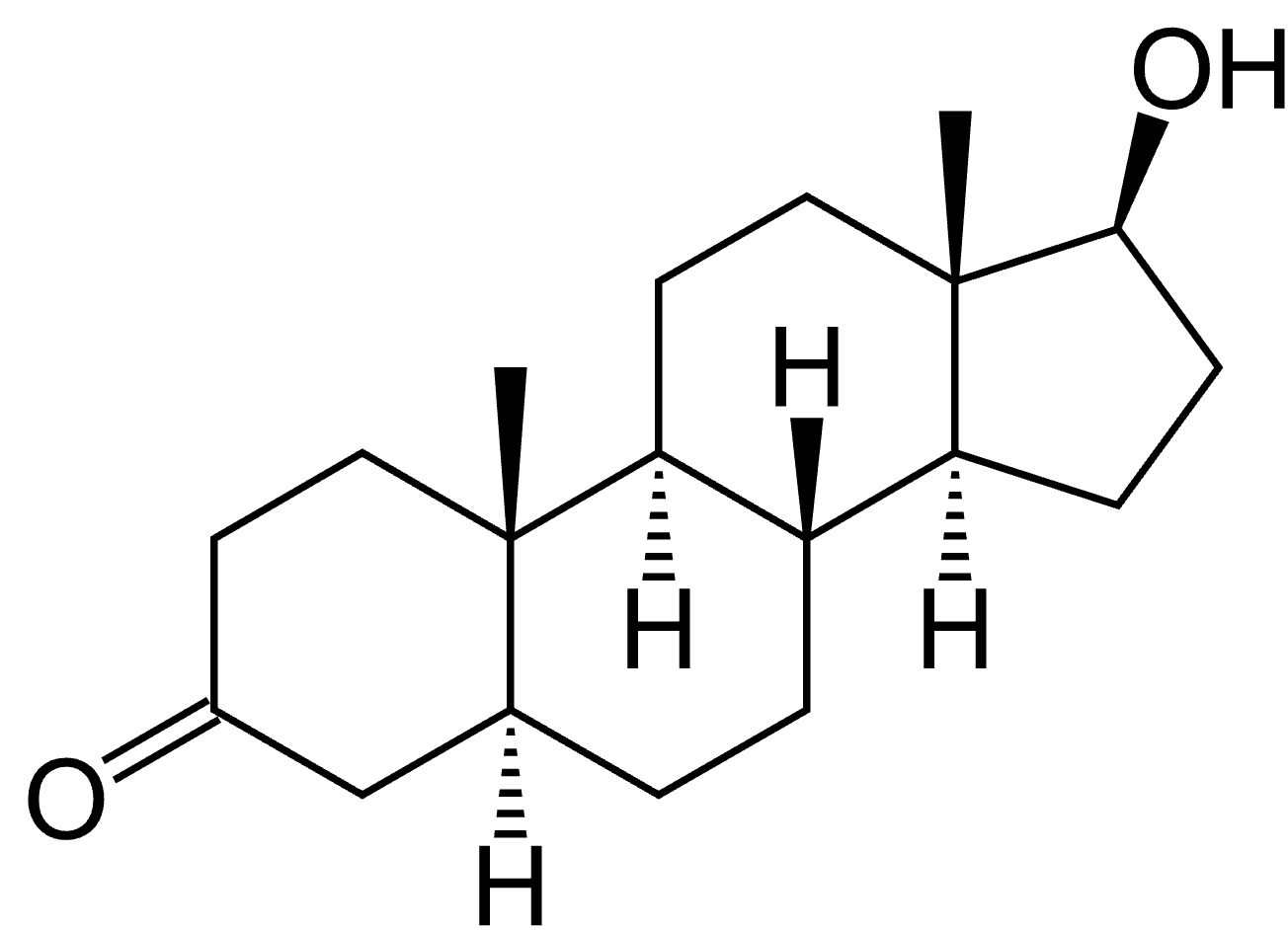
Dihydrotestosterone, or DHT, is an androgen hormone created from the conversion of testosterone by 5-alpha-reductase.[1]Kinter KJ, Amraei R, Anekar AA. Biochemistry, Dihydrotestosterone. [Updated 2023 Jul 30]. In: StatPearls [Internet]. Treasure Island (FL): StatPearls Publishing; 2026 Jan-. Available from: … Continue reading
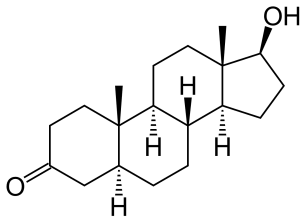
Dihydrotestosterone.[2]Wikimedia Commons. (no date). Dihydrotestosterone. Available at: https://commons.wikimedia.org/wiki/File:Androstanolone.svg (Accessed: September 2026)
DHT binds to the androgen receptor, a protein inside certain cells that acts as a molecular receiver for androgen signals. Once DHT binds, the androgen receptor can influence the expression of genes involved in tissue growth, development, and function.
There are several forms of 5-alpha-reductase. In hair biology, the two most often discussed are:
- Type I 5-alpha-reductase, which is found in skin and pilosebaceous structures, among other tissues.
- Type II 5-alpha-reductase, which is particularly relevant in androgen-sensitive tissues and is a key therapeutic target of finasteride.
Both enzymes can contribute to the local conversion of testosterone into DHT, but their distribution and relative importance vary by tissue, sex, and scalp location.
DHT is not inherently “bad”. It has important physiological roles, particularly in male sexual development and in androgen-dependent tissues. The apparent contradiction is that DHT can stimulate terminal hair growth in some areas, such as the beard, chest, and other body sites, while contributing to progressive miniaturization of susceptible scalp follicles.
This is not because beard and scalp follicles receive different blood DHT concentrations, but because follicles in different areas of the body interpret androgen signals differently. Their local enzyme activity, androgen-receptor expression, surrounding signaling environment, and genetic programming all differ.[3]Itami, S., Sonoda, T., Kurata, S., Takayasu, S. (1994). Mechanism of action of androgen in hair follicles. Journal of Dermatological Sciences. S98-103. Available at: … Continue reading,[4]Rutberg, S.E., Kolpack, M.L., Gourley, J.A., Tan, G., Henry, J.P., Shander, D. (2006). Differences in expression of specific biomarkers distinguish human beard from scalp dermal papilla cells. … Continue reading
How DHT contributes to AGA
AGA is best understood as an interaction among several factors:
- Androgen exposure, including testosterone and DHT
- Local production and metabolism of androgens within the scalp
- Activity of 5-alpha-reductase enzymes in and around the follicle
- Androgen receptor amount and responsiveness
- Genetic susceptibility
- Follicle-specific signaling pathways that influence hair-cycle duration, inflammation, growth factors, and miniaturization
In other words, AGA is not simply “high DHT”. It is a condition in which particular scalp follicles are susceptible to androgen-mediated change.
Human hair follicle research illustrates this point. In a study of frontal and occipital scalp follicles from men and women with AGA, Sawaya and Price found site- and sex-specific differences in levels of androgen receptors, type I and type II 5-alpha-reductase, and aromatase.[5]Sawaya, M.E., Price, V.H. (1997). Different levels of 5-alpha-reductase type I and II, aromatase, and androgen receptor in hair follicles of women and men with androgenetic alopecia. Journal of … Continue reading Frontal follicles had higher androgen-receptor and 5-alpha-reductase levels, while occipital follicles had higher aromatase levels. The differences were also quantitatively distinct between women and men.
This helps explain why hair loss often follows a pattern. In many men, the frontal scalp, temples, and vertex are more vulnerable than the occipital scalp. In many women, thinning is more apparent over the central scalp or widening part line, while the frontal hairline may be relatively preserved.
It also explains why balding and non-balding follicles can behave differently within the same person. Two follicles may be exposed to the same circulating DHT concentration, yet one remains stable while the other progressively miniaturizes.
Why the same DHT level can mean different things
Consider two people with the same serum DHT results:
- One may have follicles with relatively low local 5-alpha-reductase activity, lower androgen receptor signaling, or low genetic susceptibility to AGA.
- The other may have genetically susceptible frontal or vertex follicles with greater local androgen signaling and a stronger miniaturizing response
The blood test may look similar. The clinical hair outcome may be completely different.
That is why a serum result cannot substitute for assessment of the scalp itself.
What a blood DHT test measures
A blood DHT test measures the concentration of DHT in serum at one particular point in time. It does not directly measure what is occurring inside your scalp follicles.
A reported result can also be influenced by several factors:
- The laboratory method used to measure DHT
- The laboratory’s reference range
- Normal biological variation over time
- Timing of sampling
- Sex, age, and hormonal status
- Use of oral contraceptives, hormone therapy, anabolic-androgenic steroids, or anti-androgen medications
- Use of 5-alpha-reductase inhibitors such as finasteride or dutasteride
- Other medical conditions that influence androgen production, metabolism, or binding proteins
DHT measurement can be technically challenging, especially at the relatively low concentrations often found in women. Where hormone testing is clinically necessary, assay quality matters. For example, endocrine guidance commonly emphasizes high-quality testosterone measurement and assessment of related markers such as sex hormone-binding globulin (SHBG), rather than treating DHT as a standalone diagnostic marker.[6]Elhassan, Y.S., Hawley, J.M., Cussen, L., Abbara, A., Clarke, S.A., Kempegowda, P., Dhillon-Smith, R.K., Thadani, P., Busby, M., Owusu-Darkwah, L., Marrington, R., Duncan, C.W., Semple, R.K., … Continue reading
A blood DHT result does not tell you:
- The DHT concentration inside an individual scalp follicle
- Local 5-alpha-reductase activity in the balding scalp
- Androgen receptor density or sensitivity
- Genetic susceptibility to AGA
- Whether miniaturization is occurring
- How advanced miniaturization is
- Whether another type of hair loss is present instead
Serum and scalp DHT are related pharmacodynamic measures: medications that reduce DHT systemically can also reduce it in the scalp. But they are not interchangeable measures. A serum concentration is not a direct readout of follicular androgen signaling or a diagnostic marker of scalp miniaturization.
Do people with AGA have higher serum DHT?
The evidence is mixed. Some studies report group-level differences in circulating androgen markers between people with AGA and control participants. However, group differences do not automatically create a useful diagnostic test for an individual patient.
Research finding What it means clinically A group with AGA has a higher average DHT value than a control group DHT may be associated with AGA biology in that study population Individual values overlap substantially between groups A single DHT result cannot reliably distinguish who does and does not have AGA DHT is not associated with hair-loss severity A higher result does not necessarily mean more severe miniaturization No validated diagnostic cutoff exists A clinician cannot diagnose AGA solely from a serum DHT number For example, Urysiak-Czubatka and colleagues found elevated serum DHT levels in some participants with AGA and in controls. Mean differences were not significant across alopecia types and controls, and DHT elevation was not correlated with the degrees of hair loss progression.[7]Urysiak-Czubatka, I., Kmiec, M, L., Broniarczyk-Dyla, G. (2014). Assessment of the usefulness of dihydrotestosterone in the diagnostics of patients with androgenetic alopecia. Advances in Dermatology … Continue reading The authors concluded that the diagnostic usefulness of serum DHT was questionable, particularly for women.
Similarly, a retrospective study in men reported higher average serum DHT and free testosterone in AGA cases than in controls, but found no significant differences in DHT or free testosterone across different clinical severity grades of AGA.[8]Zhang, Y., Xu, J., Jing, J., Wu, X., Lv, Z. (2018). Serum Levels of Androgen-Associated Hormones Are Correlated with Curative Effect in Androgenic Alopecia in Young Men. Medical Science Monitor. 24. … Continue reading
These findings can coexist. DHT may be biologically relevant to AGA, yet remain a poor standalone diagnostic test. It stands to reason, therefore, that there is currently no validated serum DHT cutoff for diagnosing AGA.
Can normal DHT levels rule out AGA?
No. A normal blood DHT level does not rule out AGA. A person can have normal circulating testosterone and DHT concentrations while genetically susceptible scalp follicles still respond to local androgen signaling with progressive miniaturization. The relevant issue is not only how much androgen is present in the blood, but how a particular follicle processes and responds to that androgen exposure.
This is particularly relevant to female pattern hair loss. Many women with a typical frontal-central or diffuse pattern of thinning have normal circulating androgen concentrations and no other obvious signs of androgen excess.
That does not mean androgens are irrelevant. It actually means that normal systemic hormone values do not rule out local androgen-mediated effects in susceptible follicles.
Hormone results should therefore be interpreted in context:
- Normal DHT does not “clear” someone of AGA
- High DHT does not prove that AGA caused their hair loss
- A normal androgen panel does not mean a person’s hair loss is imaginary, trivial, or untreatable
- A hormone result should not replace a scalp examination, trichoscopy, and differential diagnosis
Can DHT testing predict whether finasteride will work?
Not reliably.
Finasteride can substantially reduce DHT in both the blood and scalp at relatively low doses.[9]Drake, L., Hordinsky, M., Fiedler, V., Swinehart, J., Unger, W.P., Cotterill, P.C., Thiboutot, D.M., Lowe, N., Jacobson, C., Whiting, D., Stieglitz, S., Kraus, S.J., Griffin, E.I., Weiss, D., … Continue reading But the relationship between DHT suppression and visible hair improvement is not linear: in clinical dose-ranging studies, 1 mg and 5 mg daily delivered similar hair-growth benefits.[10]Roberts, J.L., Fiedler, V., Imperato-McGinley, J., Whiting, D., Olsen, E., Shupack, J., Stough, D., DeVillez, R., Rietschel, R., Savin, R., Bergfeld, W., Swinehart, J., Funicella, T., Hordinsky, M., … Continue reading
These findings support the pharmacology of finasteride. It reduces DHT systemically and within the scalp. But they do not establish that a baseline serum DHT test predicts an individual’s clinical response.
Why a “good” DHT reduction is not the same as hair regrowth
The chain from medication to visible hair outcome includes several steps:
- Finasteride reduces conversion of testosterone to DHT
- Serum and scalp DHT decline
- Susceptible follicles may experience less androgen-mediated miniaturizing pressure
- Some follicles may stabilize, enlarge, cycle differently, or produce thicker hairs
- Visible change depends on baseline disease duration, follicle viability, age, genetic factors, adherence, dose, and time on treatment
A post-treatment DHT result can show that the drug is exerting an expected hormonal effect, but it cannot tell you with certainty whether hair density, hair caliber, shedding, or progression will improve.
Baseline serum DHT has not been validated as a “finasteride responder test.” Nor does greater serum DHT suppression automatically mean proportionally greater regrowth.
Treatment response is better assessed through standardized clinical measures, such as:
- Consistent global photographs taken with the same lighting, angle, hair length, and part placement.
- Trichoscopy or phototrichogram measurements where available
- Hair-caliber and density assessment
- Documented change in shedding and scalp visibility
- Clinical evaluation of adverse effects and overall safety
For many people, stabilization rather than dramatic regrowth is still a meaningful treatment outcome.
When hormone testing can be useful
Hormone testing can be appropriate when hair loss occurs alongside signs suggesting androgen excess or a broader endocrine condition. In that setting, testing should be used to investigate the clinical picture rather than as an AGA home-screening panel.
In women, clinicians might consider endocrine evaluation when there is:
- Hirsutism, meaning excess terminal hair growth in an androgen-dependent pattern
- Irregular menstrual cycles or ovulatory dysfunction
- Severe or persistent acne
- Infertility
- Central weight gain, acanthosis nigiricans, or other features that may suggest polyendocrine metabolic ovarian syndrome (PMOS – formerly PCOS)
- Rapid onset of androgenic symptoms
- Rapidly progressing or atypical hair loss
- Clinical features suggesting thyroid, adrenal, pituitary, or ovarian disease
Depending on the history and examination, a clinician may order tests such as total testosterone, a calculated or high-quality free-testosterone measurement, SHBG, DHEAS, 17-hydroxyprogesterone, prolactin, thyroid testing, or other targeted investigations.[11]Elhassan, Y.S., Hawley, J.M., Cussen, L., Abbara, A., Clarke, S.A., Kempegowda, P., Dhillon-Smith, R.K., Thadani, P., Busby, M., Owusu-Darkwah, L., Marrington, R., Duncan, W.C., Semple, R.K., … Continue reading,[12]Vujovic, A., Del Marmol, V. (2014). The Female Pattern Hair Loss: Review of Etiopathogenesis and Diagnosis. Biomed Research International. 767628. Available at: https://doi.org/10.1155/2014/767628 DHT is not generally recommended as the central test in a biochemical work-up for androgen excess.
The practical question is usually not “Is my DHT high enough to cause AGA?” It is, “Do my symptoms and examination suggest an endocrine disorder that needs investigation alongside my hair loss?”
How AGA is actually diagnosed
AGA is primarily a clinical diagnosis. A dermatologist or hair-loss clinician evaluates the pattern of hair loss and looks for evidence of follicular miniaturization.
Assessment typically involves:[13]Kuczara, A., Waskiel-Burnat, A., Rakowska, A., Olsewska, M., Rudnicka, L. (2024). Trichoscopy of Androgenetic Alopecia: A Systematic Review. Journal of Clinical Medicine. 13(7). 1962. Available at: … Continue reading
- History: When the shedding or thinning began, how it has progressed, family history, medications, illness, nutritional risks, hormonal symptoms, and prior treatments.
- Distribution: Recession at the temples, frontal or vertex thinning in many men, or central thinning and widening of the midline part in many women.
- Hair caliber variation: The coexistence of thick terminal hairs and finer, shorter miniaturized hairs in affected scalp areas.
- Trichoscopy: Magnified scalp examination that can reveal hair-shaft diameter diversity, increased vellus-like hairs, and other features of miniaturization.
- Differential diagnosis: Consideration of telogen effluvium, alopecia areata, traction alopecia, inflammatory or scarring alopecias, nutritional deficiency, medication-related loss, and other causes where clinically indicated.
- Biopsy: Usually reserved for uncertain, atypical, or potentially scarring cases rather than routine diagnosis.
Hair shaft diameter variability is one of the most useful trichoscopic features of AGA. Reviews identify hair-diameter diversity, vellus hairs, and the peripilar sign among valuable diagnostic indicators. A diagnostic guideline also recommends comparing density and hair caliber across scalp areas and notes that biopsy is generally reserved for cases of uncertainty or when alternative diagnoses, such as scarring alopecia or diffuse alopecia areata, must be considered.
The key diagnostic evidence is therefore found in the scalp, rather than in a single DHT concentration.
Final Thoughts
A serum DHT test is a biological measurement that can be relevant in certain endocrine contexts, and can also reflect the systemic hormonal effects of drugs like finasteride. But it does not measure follicular DHT exposure, androgen receptor sensitivity, local enzyme activity, genetic susceptibility, or the degree of scalp hair miniaturization.
Normal DHT cannot rule out AGA. High DHT cannot establish that AGA is the cause of hair loss. The most useful diagnostic question is “what is happening to the follicles on my scalp?” For suspected AGA, diagnosis and treatment monitoring should prioritize clinical pattern, standardized photographs, hair-caliber changes, trichoscopy where available, exclusion of competing diagnoses, and medication safety.
References[+]
References ↑1 Kinter KJ, Amraei R, Anekar AA. Biochemistry, Dihydrotestosterone. [Updated 2023 Jul 30]. In: StatPearls [Internet]. Treasure Island (FL): StatPearls Publishing; 2026 Jan-. Available from: https://www.ncbi.nlm.nih.gov/books/NBK557634/ ↑2 Wikimedia Commons. (no date). Dihydrotestosterone. Available at: https://commons.wikimedia.org/wiki/File:Androstanolone.svg (Accessed: September 2026) ↑3 Itami, S., Sonoda, T., Kurata, S., Takayasu, S. (1994). Mechanism of action of androgen in hair follicles. Journal of Dermatological Sciences. S98-103. Available at: https://doi.org/10.1016/0923-1811(94)90040-x ↑4 Rutberg, S.E., Kolpack, M.L., Gourley, J.A., Tan, G., Henry, J.P., Shander, D. (2006). Differences in expression of specific biomarkers distinguish human beard from scalp dermal papilla cells. Journal of Investigative Dermatology. 126(12). 2583-2595. Available at: https://doi.org/10.1038/sj.jid.5700454 ↑5 Sawaya, M.E., Price, V.H. (1997). Different levels of 5-alpha-reductase type I and II, aromatase, and androgen receptor in hair follicles of women and men with androgenetic alopecia. Journal of Investigative Dermatology. 109(3). 296-300. Available at: https://doi.org/10.1111/1523-1747.ep12335779 ↑6 Elhassan, Y.S., Hawley, J.M., Cussen, L., Abbara, A., Clarke, S.A., Kempegowda, P., Dhillon-Smith, R.K., Thadani, P., Busby, M., Owusu-Darkwah, L., Marrington, R., Duncan, C.W., Semple, R.K., Quinton, R., O’Reilly, M.W. (2025). Society for Endocrinology Clinical Practice Guideline for the Evaluation of Androgen Excess in Women. Clinical Endocrinology. 103(4). 540-566. Available at: https://doi.org/10.1111/cen.15265 ↑7 Urysiak-Czubatka, I., Kmiec, M, L., Broniarczyk-Dyla, G. (2014). Assessment of the usefulness of dihydrotestosterone in the diagnostics of patients with androgenetic alopecia. Advances in Dermatology and Allergology. 31(4). 207-215. Available at: https://doi.org/10.5114/pdia.2014.40925 ↑8 Zhang, Y., Xu, J., Jing, J., Wu, X., Lv, Z. (2018). Serum Levels of Androgen-Associated Hormones Are Correlated with Curative Effect in Androgenic Alopecia in Young Men. Medical Science Monitor. 24. 7770-7777. Available at: https://doi.org/10.12659/MSM.913116 ↑9 Drake, L., Hordinsky, M., Fiedler, V., Swinehart, J., Unger, W.P., Cotterill, P.C., Thiboutot, D.M., Lowe, N., Jacobson, C., Whiting, D., Stieglitz, S., Kraus, S.J., Griffin, E.I., Weiss, D., Carrington, P., Gencheff, C., Cole, G.W., Pariser, D.M., Epstein, E.S., Tanaka, W., Dallob, A., Vandormael, K., Geissler, L., Waldstreicher, J. (1999). The effects of finasteride on scalp skin and serum androgen levels in men with androgenetic alopecia. Journal of the American Academy of Dermatology. 41(4). 550-554. PMID: 10495374. Available at: https://pubmed.ncbi.nlm.nih.gov/10495374/ ↑10 Roberts, J.L., Fiedler, V., Imperato-McGinley, J., Whiting, D., Olsen, E., Shupack, J., Stough, D., DeVillez, R., Rietschel, R., Savin, R., Bergfeld, W., Swinehart, J., Funicella, T., Hordinsky, M., Lowe, N., Katz, I., Lucky, A., Drake, L., Price, V.H., Weiss, D., Whitmore, E., Millikan, L., Muller, S., Gencheff, C. (1999). Clinical dose ranging studies with finasteride, a type 2 5alpha-reductase inhibitor, in men with male pattern hair loss. Journal of the American Academy of Dermatology. 41(4). 555-563. PMID: 10495375. Available at: https://pubmed.ncbi.nlm.nih.gov/10495375/ ↑11 Elhassan, Y.S., Hawley, J.M., Cussen, L., Abbara, A., Clarke, S.A., Kempegowda, P., Dhillon-Smith, R.K., Thadani, P., Busby, M., Owusu-Darkwah, L., Marrington, R., Duncan, W.C., Semple, R.K., Quinton, R., O’Reilly, M.W. (2025). Society for Endocrinology Clinical Practice Guideline for the Evaluation of Androgen Excess in Women. Clinical Endocrinology. 103(4). 540-566. Available at https://doi.org/10.1111/cen.15265 ↑12 Vujovic, A., Del Marmol, V. (2014). The Female Pattern Hair Loss: Review of Etiopathogenesis and Diagnosis. Biomed Research International. 767628. Available at: https://doi.org/10.1155/2014/767628 ↑13 Kuczara, A., Waskiel-Burnat, A., Rakowska, A., Olsewska, M., Rudnicka, L. (2024). Trichoscopy of Androgenetic Alopecia: A Systematic Review. Journal of Clinical Medicine. 13(7). 1962. Available at: https://doi.org/10.3390/jcm13071962 IngredientsPharmaceuticalsNatural RemediesCompany Reviews By Perfect Hair Health TeamOct 24, 2026
Microneedling For Hair Loss: What’s The Best Needle Size?
When it comes to microneedling for hair regrowth, researchers aren’t yet sure which needle size elicits the best results. In clinical studies, needle lengths of 0.6mm to 2.5mm (used once weekly or bi-weekly) have been shown to improve hair counts in men with androgenic alopecia (AGA). Even sti... By Dr. Michael WilliamsOct 21, 2026
Natural vs. Pharmaceutical DHT Blockers: Ranked
Natural and pharmaceutical DHT blockers both aim to slow or reverse hair loss, but their strength, safety, and side effects vary widely. This article ranks the most common DHT inhibitors from weakest to strongest, comparing how natural compounds, such as pumpkin seed oil and EGCG, stack up against p... By Perfect Hair Health TeamOct 21, 2026
Redensyl, Capixyl, & Procapil (RCP) For Natural Hair Regrowth? (Scientific Review)
Redensyl, Capixyl, & Procapil (RCP) are 3 trademarked blends constituting 12+ natural ingredients marketed for hair regrowth. RCP rose in popularity after a landmark clinical study suggested that topical RCP could regrow hair better than 5% minoxidil. Our investigation into the clinical data on ... By Perfect Hair Health TeamOct 14, 2026
9 Best Shampoos for Sensitive Scalp
If your scalp becomes itchy, red, tight, or flaky after washing, it’s easy to assume you need a gentler shampoo. But scalp sensitivity can have several different causes, and they don’t all respond to the same treatment. An irritated skin barrier, an allergy to a particular ingredient, an... By Perfect Hair Health TeamOct 14, 2026
12 Best Shampoos for Greasy Hair
If your hair looks greasy just hours after washing it, the solution isn’t necessarily a stronger shampoo. Excess oil can be influenced by genetics and hormones, but scalp inflammation and dandruff may also play a role. In fact, an inflamed scalp releases signaling molecules (cytokines and pros... By Sarah King, PhDOct 13, 2026
Can Miniaturized Hair Follicles Recover, or Is There a Point of No Return?
In androgenic alopecia, hair follicles do not disappear overnight. Instead, they get progressively smaller, producing shorter, finer, less pigmented hairs that cannot cover the scalp. This article explains what happens to follicles in AGA, whether miniaturized hair follicles are “dead” or dormant, w...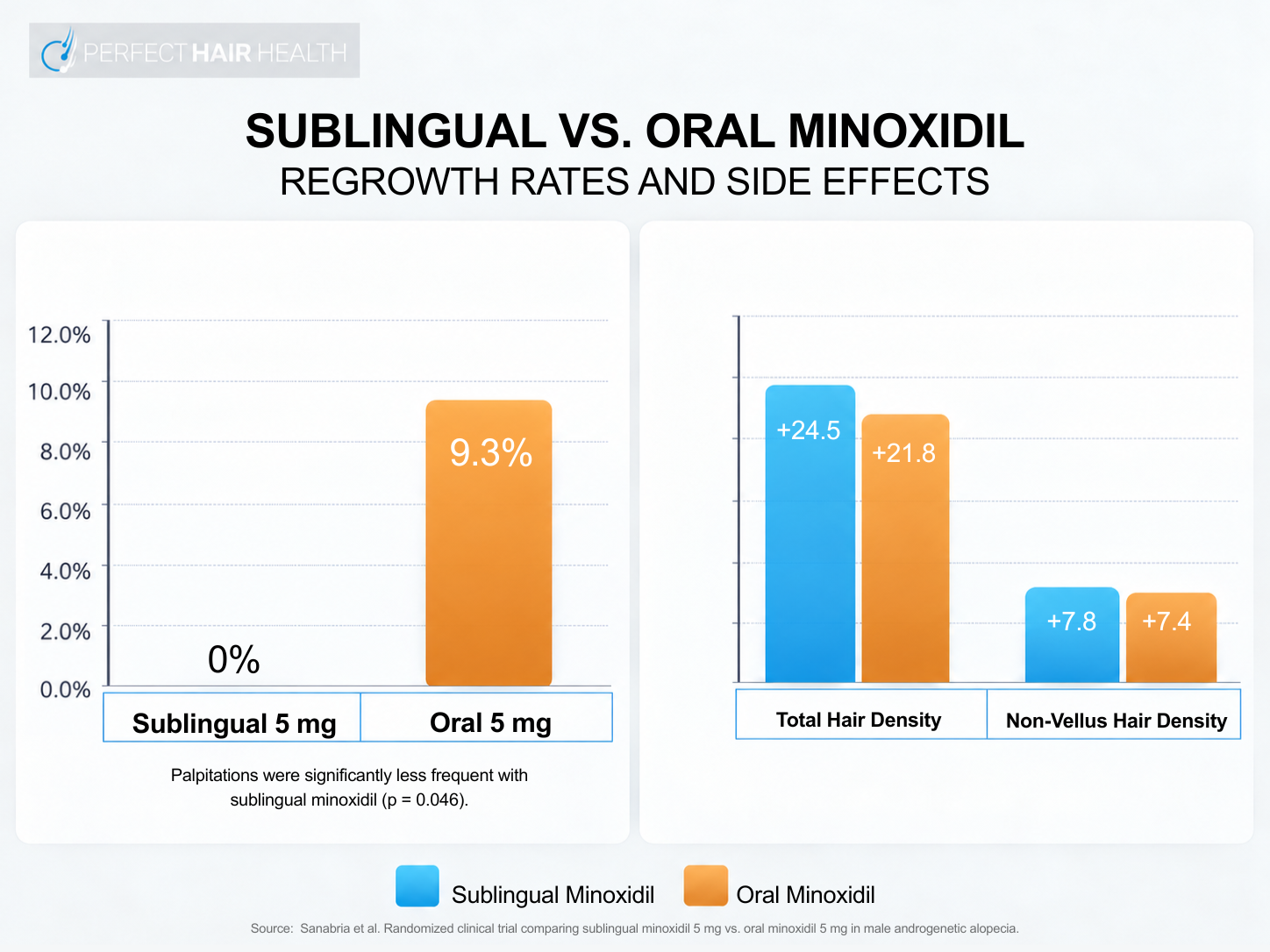 By Perfect Hair Health TeamOct 8, 2026
Sublingual Minoxidil: More Hair Growth, Less Sides?
Oral minoxidil is one of the most effective treatments for pattern hair loss. Its main drawback is its impact on the cardiovascular system. Because minoxidil is a vasodilator, it can cause reflex tachycardia, heart palpitations, dizziness, and fluid retention, most commonly at doses of 5 mg and abov... By Dr. Michael WilliamsOct 8, 2026
Happy Head Review: 5 Concerns With The Brand
Is Happy Head’s personalized hair-loss approach as science-backed as it sounds? In this in-depth review, we break down five key concerns with the telehealth brand’s products and claims. While prescription treatments like minoxidil, finasteride, and dutasteride can be effective, how they’re delivered...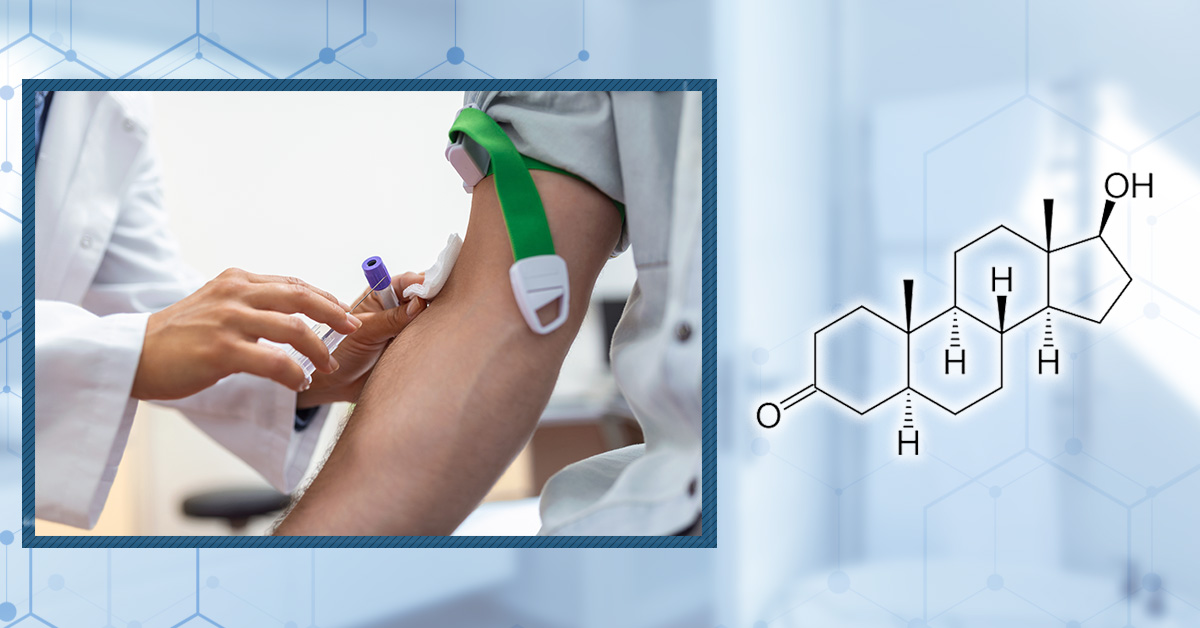 By Sarah King, PhDOct 7, 2026
Can a Blood DHT Test Tell You Whether You Have AGA?
A blood DHT test may seem like a clear way to explain hair thinning, but it cannot diagnose androgenic alopecia on its own. This article explains why scalp follicles respond to local androgen activity, genetic susceptibility, and follicle-specific signalingnot simply the amount of DHT circulating in... By Sarah King, PhDOct 5, 2026
ABS-201: Can Blocking the Prolactin Receptor Regrow Hair?
ABS-201 is an investigational antibody designed to block the prolactin receptor rather than target DHT directly. In our interview with Absci, the company outlined why it believes sustained receptor blockade could support hair growth. We examine that hypothesis, the early laboratory and animal findin... - Mission Statement