- About
- Mission Statement
Education. Evidence. Regrowth.
- Education.
Prioritize knowledge. Make better choices.
- Evidence.
Sort good studies from the bad.
- Regrowth.
Get bigger hair gains.
Team MembersPhD's, resarchers, & consumer advocates.
- Rob English
Founder, researcher, & consumer advocate
- Research Team
Our team of PhD’s, researchers, & more
Editorial PolicyDiscover how we conduct our research.
ContactHave questions? Contact us.
Before-Afters- Transformation Photos
Our library of before-after photos.
- — Jenna, 31, U.S.A.
I have attached my before and afters of my progress since joining this group...
- — Tom, 30, U.K.
I’m convinced I’ve recovered to probably the hairline I had 3 years ago. Super stoked…
- — Rabih, 30’s, U.S.A.
My friends actually told me, “Your hairline improved. Your hair looks thicker...
- — RDB, 35, New York, U.S.A.
I also feel my hair has a different texture to it now…
- — Aayush, 20’s, Boston, MA
Firstly thank you for your work in this field. I am immensely grateful that...
- — Ben M., U.S.A
I just wanted to thank you for all your research, for introducing me to this method...
- — Raul, 50, Spain
To be honest I am having fun with all this and I still don’t know how much...
- — Lisa, 52, U.S.
I see a massive amount of regrowth that is all less than about 8 cm long...
Client Testimonials150+ member experiences.
 Scroll DownPopular Treatments
- Treatments
Popular treatments. But do they work?
- Finasteride
- Oral
- Topical
- Dutasteride
- Oral
- Topical
- Mesotherapy
- Minoxidil
- Oral
- Topical
- Ketoconazole
- Shampoo
- Topical
- Low-Level Laser Therapy
- Therapy
- Microneedling
- Therapy
- Platelet-Rich Plasma Therapy (PRP)
- Therapy
- Scalp Massages
- Therapy
 More
More
IngredientsTop-selling ingredients, quantified.
- Saw Palmetto
- Redensyl
- Melatonin
- Caffeine
- Biotin
- Rosemary Oil
- Lilac Stem Cells
- Hydrolyzed Wheat Protein
- Sodium Lauryl Sulfate
 More
More
ProductsThe truth about hair loss "best sellers".
- Minoxidil Tablets
Xyon Health
- Finasteride
Strut Health
- Hair Growth Supplements
Happy Head
- REVITA Tablets for Hair Growth Support
DS Laboratories
- FoliGROWTH Ultimate Hair Neutraceutical
Advanced Trichology
- Enhance Hair Density Serum
Fully Vital
- Topical Finasteride and Minoxidil
Xyon Health
- HairOmega Foaming Hair Growth Serum
DrFormulas
- Bio-Cleansing Shampoo
Revivogen MD
- more
Key MetricsStandardized rubrics to evaluate all treatments.
- Evidence Quality
Is this treatment well studied?
- Regrowth Potential
How much regrowth can you expect?
- Long-Term Viability
Is this treatment safe & sustainable?
Free Research- Free Resources
Apps, tools, guides, freebies, & more.
- Free CalculatorTopical Finasteride Calculator
- Free Interactive GuideInteractive Guide: What Causes Hair Loss?
- Free ResourceFree Guide: Standardized Scalp Massages
- Free Course7-Day Hair Loss Email Course
- Free DatabaseIngredients Database
- Free Interactive GuideInteractive Guide: Hair Loss Disorders
- Free DatabaseTreatment Guides
- Free Lab TestsProduct Lab Tests: Purity & Potency
- Free Video & Write-upEvidence Quality Masterclass
- Free Interactive GuideDermatology Appointment Guide
- More
Articles100+ free articles.
-
9 Best Shampoos for Sensitive Scalp
-
12 Best Shampoos for Greasy Hair
-
Can Miniaturized Hair Follicles Recover, or Is There a Point of No Return?
-
Sublingual Minoxidil: More Hair Growth, Less Sides?
-
Happy Head Review: 5 Concerns With The Brand
-
Can a Blood DHT Test Tell You Whether You Have AGA?
-
ABS-201: Can Blocking the Prolactin Receptor Regrow Hair?
-
Best Topical Finasteride: 5 Top Products of 2026
PublicationsOur team’s peer-reviewed studies.
- Microneedling and Its Use in Hair Loss Disorders: A Systematic Review
- Use of Botulinum Toxin for Androgenic Alopecia: A Systematic Review
- Conflicting Reports Regarding the Histopathological Features of Androgenic Alopecia
- Self-Assessments of Standardized Scalp Massages for Androgenic Alopecia: Survey Results
- A Hypothetical Pathogenesis Model For Androgenic Alopecia:Clarifying The Dihydrotestosterone Paradox And Rate-Limiting Recovery Factors
Menu- AboutAbout
- Mission Statement
Education. Evidence. Regrowth.
- Team Members
PhD's, resarchers, & consumer advocates.
- Editorial Policy
Discover how we conduct our research.
- Contact
Have questions? Contact us.
- Before-Afters
Before-Afters- Transformation Photos
Our library of before-after photos.
- Client Testimonials
Read the experiences of members
Before-Afters/ Client Testimonials- Popular Treatments
-
Articles9 Best Shampoos for Sensitive Scalp
First Published Oct 14 2026Last Updated Oct 14 2026Miscellaneous Researched & Written By:Perfect Hair Health Team
Want help with your hair regrowth journey?
Get personalized support, product recommendations, video calls, and more from our researchers, trichologists, and PhD's dedicated to getting you the best possible outcomes.
Learn MoreArticle Summary
If your scalp becomes itchy, red, tight, or flaky after washing, it’s easy to assume you need a gentler shampoo. But scalp sensitivity can have several different causes, and they don’t all respond to the same treatment. An irritated skin barrier, an allergy to a particular ingredient, and inflammation associated with dandruff can produce similar symptoms while requiring very different approaches. In this article, we’ll explain how to distinguish between them, which shampoo ingredients are worth considering, and how nine popular options compare in terms of their formulations, supporting evidence, limitations, and cost.
Full Article
If you’ve ever switched shampoos because your scalp felt itchy, tight, or irritated, you’re not alone.
For some people, the reaction starts almost immediately after washing. For others, it’s persistent flaking, redness around the hairline, or a scalp that seems to react to just about every product they try.
And while it’s tempting to assume the solution is simply to find a gentler shampoo, the right approach depends on what’s causing the sensitivity in the first place.
Sometimes, the issue is a particular ingredient: fragrance, an essential oil, or a preservative your skin doesn’t tolerate. Other times, frequent cleansing has left the scalp dry and irritated.
But there’s another possibility that often gets overlooked: dandruff or seborrheic dermatitis. In these cases, the problem isn’t necessarily that your shampoo is too harsh. It may be that you’re not addressing the inflammation contributing to your symptoms.
That’s an important distinction, because a fragrance-free shampoo and a medicated antifungal shampoo serve very different purposes.
In this article, we’ll walk through the most common causes of scalp sensitivity, the ingredients worth looking for (and avoiding), and nine shampoos that may be appropriate depending on your situation.
We’ll also review the evidence behind their active ingredients, what makes their formulations different, and where each product falls short.
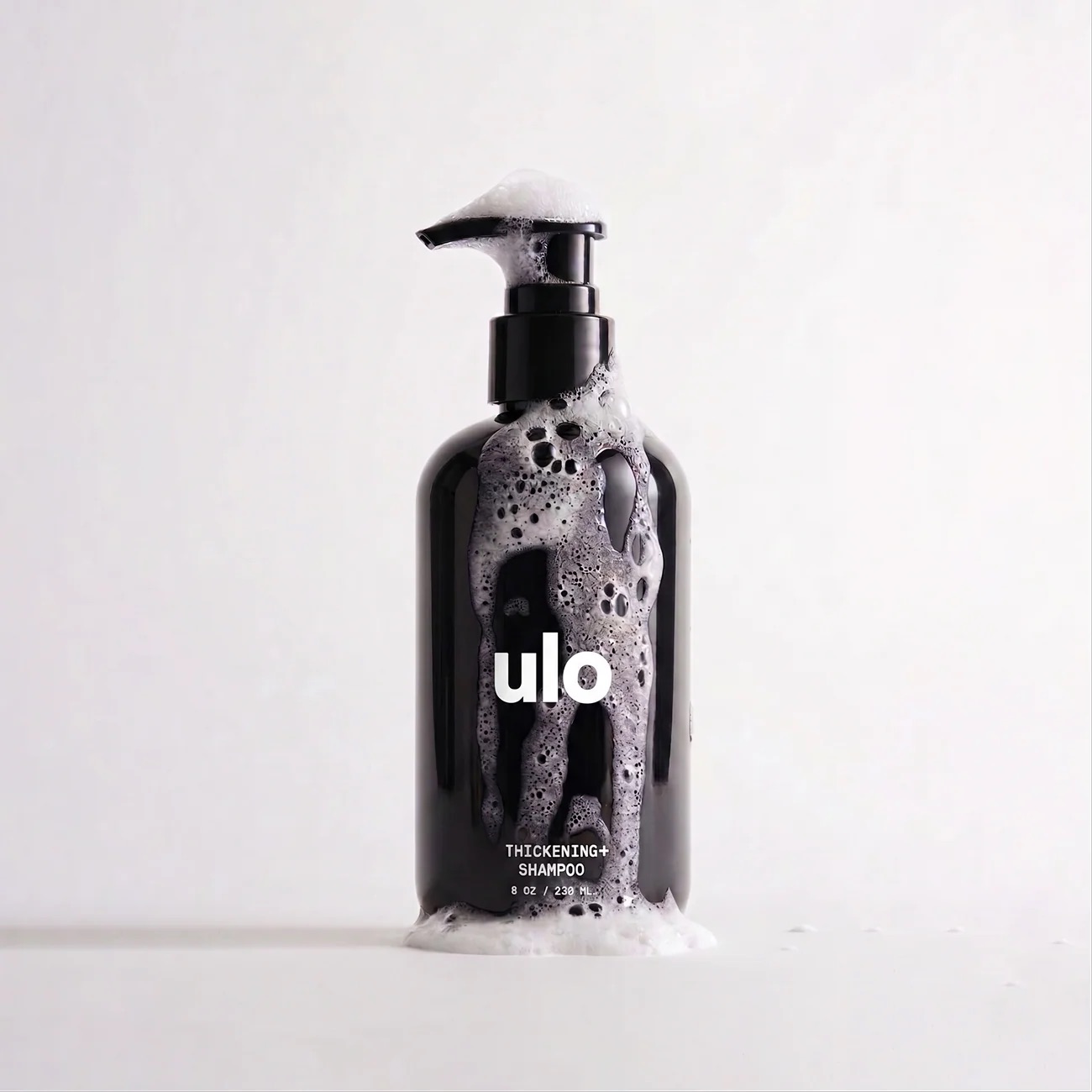
Ketoconazole Shampoo From our partners at UloSulfate-Free Ketoconazole Shampoo
Ulo's Thickening+ Shampoo pairs ketoconazole with thickening actives in a sulfate-free, gentle formula. Choose a multi-month plan and get up to 30% plus a free gift bundle.
Free full-size gifts with 3-month+ plans No prescription needed KetoconazoleSupports a healthy scalp
Free gifts included with select multi-month plans while supplies last. Ulo is a partner of Perfect Hair Health; we may earn a commission on purchases. This product is a cosmetic and is not intended to diagnose, treat, cure, or prevent any disease.
What Causes a Sensitive Scalp?
First, let’s define a sensitive scalp. Scalp sensitivity isn’t necessarily a diagnosis (although you can be diagnosed with sensitive skin), but rather describes a cluster of symptoms (itching, burning, tightness, redness, flaking, or discomfort) that can arise from many different causes.
When it comes to the triggers for a sensitive scalp, there are three possibilities worth considering.
1. Contact Irritation or Allergy
Shampoos contain more than cleansing ingredients. Depending on the formula, they may also include fragrance, essential oils, preservatives, coloring agents, and conditioning ingredients.
Most people tolerate these without ever experiencing irritation. But if you’re prone to irritation or contact allergies, certain ingredients can become a problem.
Fragrance is a particularly common cause of cosmetic contact allergy. And importantly, that includes fragrance from natural sources. Peppermint, tea tree, and lavender oils may sound gentler than synthetic fragrance, but they’re still capable of irritating or sensitizing the skin.
Preservatives can also play a role. Methylisothiazolinone (MI), for example, is a well-documented contact allergen.
If your scalp becomes itchy, red, or uncomfortable after using a particular product, and improves when you stop using it, an ingredient-related reaction may be a plausible explanation for a sensitive scalp.
In that situation, a fragrance-free shampoo with a relatively simple formula is often a sensible first step. If symptoms persist or recur across multiple products, a dermatologist can help identify potential allergens through patch testing.
2. Dryness and an Irritated Skin Barrier
A dry scalp can be a sign that the protective barrier of your skin, also known as the skin barrier, could be impaired. When this occurs, skin can become dry, irritated, and sensitive.
The skin barrier can be damaged for a multitude of reasons:
- Dry winter air
- Lack of essential fatty acids in the diet
- Harsh shampoo formulations
- Other irritating hair care products
When this is the case, it’s important to nurture the skin barrier back to optimal function so the scalp can remain moisturized and protected against excessive sensitivity. In these cases, it’s important to prioritize a sulfate-free shampoo formula that doesn’t aggravate or irritate an already sensitized scalp.
In this case, the solution usually isn’t adding another active ingredient. Instead it can be a simple swap to a gentler shampoo formula.
3. Dandruff and Seborrheic Dermatitis
If your scalp is persistently itchy or flaky, particularly when the flakes are accompanied by redness or greasy areas, it’s worth considering dandruff or seborrheic dermatitis.
These conditions are associated with an inflammatory response involving Malassezia, a yeast that naturally lives on the scalp.
For susceptible people, that interaction can contribute to itching, visible flakes, and inflammation. And unlike simple dryness or product irritation, it isn’t necessarily resolved by choosing the mildest shampoo available.
Instead, you may need a medicated shampoo that actively addresses the underlying scalp condition, made with ingredients like ketoconazole, zinc pyrithione, and selenium sulfide. Several studies show that these medicated ingredients can improve overall scalp health and even markers related to scalp sensitivity:
In two studies, three weeks use of a zinc pyrithione shampoo brought stratum corneum histamine back to a level indistinguishable from non-dandruff scalps, with a significant reduction in itch intensity, and improved biomarkers of barrier integrity while reducing inflammatory signals such as IL-1 and IL-8.[1]Kerr, K., Schwartz, J.R., Filloon, T., Fieno, A., Wehmeyer, K., Szepietowski, J.C., Mills, K.J. (2011). Scalp Stratum Corneum Histamine Levels: Novel Sampling Method Reveals Association With Itch … Continue reading[2]Kerr, K., Darcy, T., Henry, J., Mizoguchi, H., Schwartz, J.R., Morrall, S., Filloon, T., Wimalasena, R., Fadayel, G., Mills, K.J. (2011). Epidermal Changes Associated With Symptomatic Resolution Of … Continue reading
Similarly, an additional study found that a 1% selenium disulfide shampoo reduced itching by 67.8% and redness by 63.9%, and a 2% ketoconazole shampoo reduced them by 47.1% and 72.3%. By the end of the study, 91% of the selenium disulfide group and 79% of the ketoconazole group reported that their scalp felt less sensitive.[3]Barbosa, V., Melo, D.F., Vañó-Galván, S., Lutchmanen-Kolanthan, V., Sant’Anna, B., Leclerc-Mercier, S., Reygagne, P. (2024). A Comparative Randomized Clinical Study Assessing The Efficacy Of … Continue reading
These findings are especially relevant if you’re treating hair loss alongside your scalp symptoms.
Scalp inflammation can contribute to shedding in some circumstances, and improving an inflammatory scalp condition may make it easier to maintain a consistent hair care regimen.
That doesn’t make an antifungal shampoo a substitute for established hair loss treatments. But for someone experiencing both thinning and dandruff, it can be a useful part of the broader approach.
What Should You Look For in a Shampoo for Sensitive Scalp?
Before comparing products, there are a few formulation details worth understanding.
1. Prioritize fragrance-free formulas if you’re prone to reactions.
Fragrances can have irritating compounds that may be unsuitable for sensitive scalps. Some individuals with reactive scalps may find fragrance irritates their skin.
2. Opt for sulfate-free (but be mindful).
Sodium lauryl sulfate (SLS) and sodium laureth sulfate (SLES) are effective cleansers, but they may feel too aggressive for certain dry or reactive scalps, depending on the overall formula and how it’s used.
Milder cleansing options like sulfate-free surfactants are a much better option for sensitive scalps. But, not all sulfate-free formulations are created equal.
For example, sodium C14-16 olefin sulfonate can appear in products advertised as sulfate-free, despite being a relatively strong cleanser. So “sulfate-free” isn’t a guarantee that a shampoo will be mild.
3. Pay attention to preservatives if you’ve had allergic reactions.
MI and methylchloroisothiazolinone (MCI) are contact allergens. They won’t cause problems for everyone, but may be relevant for people with a history of sensitivity to shampoo formulations.
4. If you have itch and flakes, consider a medicated active.
Ketoconazole, zinc pyrithione, and selenium sulfide target factors involved in dandruff and seborrheic dermatitis. This can improve scalp health, improve shedding related to these scalp conditions, and also help soothe irritation caused by harmful scalp microbes.
The 9 Best Shampoos for Sensitive Scalp
Sensitive Scalp Shampoo Active Ingredient Sulfate-Free Fragrance-Free Best For Ulo Thickening Shampoo Plus 0.9% ketoconazole Yes No (lightly scented with rosemary and peppermint oils) Itching, flaking, or inflammation alongside thinning hair Vanicream Dandruff Shampoo 2% pyrithione zinc Yes Yes The gentlest medicated option for a reactive, flaky scalp CeraVe Anti-Dandruff Hydrating Shampoo 1% zinc pyrithione Yes Yes Dandruff plus a history of fragrance sensitivity SEEN Fragrance Free Shampoo None Yes Yes Fragrance sensitivity without persistent flaking Jupiter Balancing Shampoo 1% zinc pyrithione Yes No (essential oils) A flaky scalp that tolerates botanical scents Vanicream Free & Clear Shampoo None Yes Yes A scalp that reacts to most hair products Dr. Eddie’s Happy Cappy 0.95% pyrithione zinc Yes Yes A scalp that’s both sensitive and flaky Aveeno Scalp Soothing Oat Milk Blend Shampoo None Yes No Dry, irritated scalps that tolerate fragrance Aveeno Baby Daily Moisture Wash & Shampoo None Yes No (lightly fragranced) A basic, gentle cleanser without dandruff #1: Ulo Thickening Shampoo Plus, 0.9% Ketoconazole
Ulo Thickening Shampoo Plus is our top pick for scalp sensitivity that comes with dandruff, itching, or inflammation, especially if thinning hair is also a concern.
The star formula contains 0.9% ketoconazole, an antifungal that reduces Malassezia and the symptoms of dandruff and seborrheic dermatitis, and a sulfate-free cleansing base. It also includes glycerin and panthenol for conditioning, hydrolyzed keratin and wheat protein for the hair shaft, and niacinamide, biotin, caffeine, saw palmetto, and rosemary leaf oil for supporting thinning hair.
Overall, the combination of ketoconazole and other actives for thinning hair, make this the best shampoo for a sensitive scalp where there might also be thinning present. It tackles some contributors to sensitivity, like fungal and bacterial imbalances, while also leveraging supportive ingredients like caffeine and saw palmetto. Unlike other ketoconazole shampoos, it’s formulated to be non-stripping and non-drying.
When shampooing, it’s recommended to leave the lather on for one to three minutes before rinsing. This ensures the actives have ample time to work.
However, one consideration is fragrance. While Ulo’s shampoo is made without artificial fragrances, the Thickening Shampoo Plus is lightly scented with rosemary and peppermint oils.
Ketoconazole Shampoo From our partners at UloSulfate-Free Ketoconazole Shampoo
Ulo's Thickening+ Shampoo pairs ketoconazole with thickening actives in a sulfate-free, gentle formula. Choose a multi-month plan and get up to 30% plus a free gift bundle.
Free full-size gifts with 3-month+ plans No prescription needed
KetoconazoleSupports a healthy scalpFree gifts included with select multi-month plans while supplies last. Ulo is a partner of Perfect Hair Health; we may earn a commission on purchases. This product is a cosmetic and is not intended to diagnose, treat, cure, or prevent any disease.
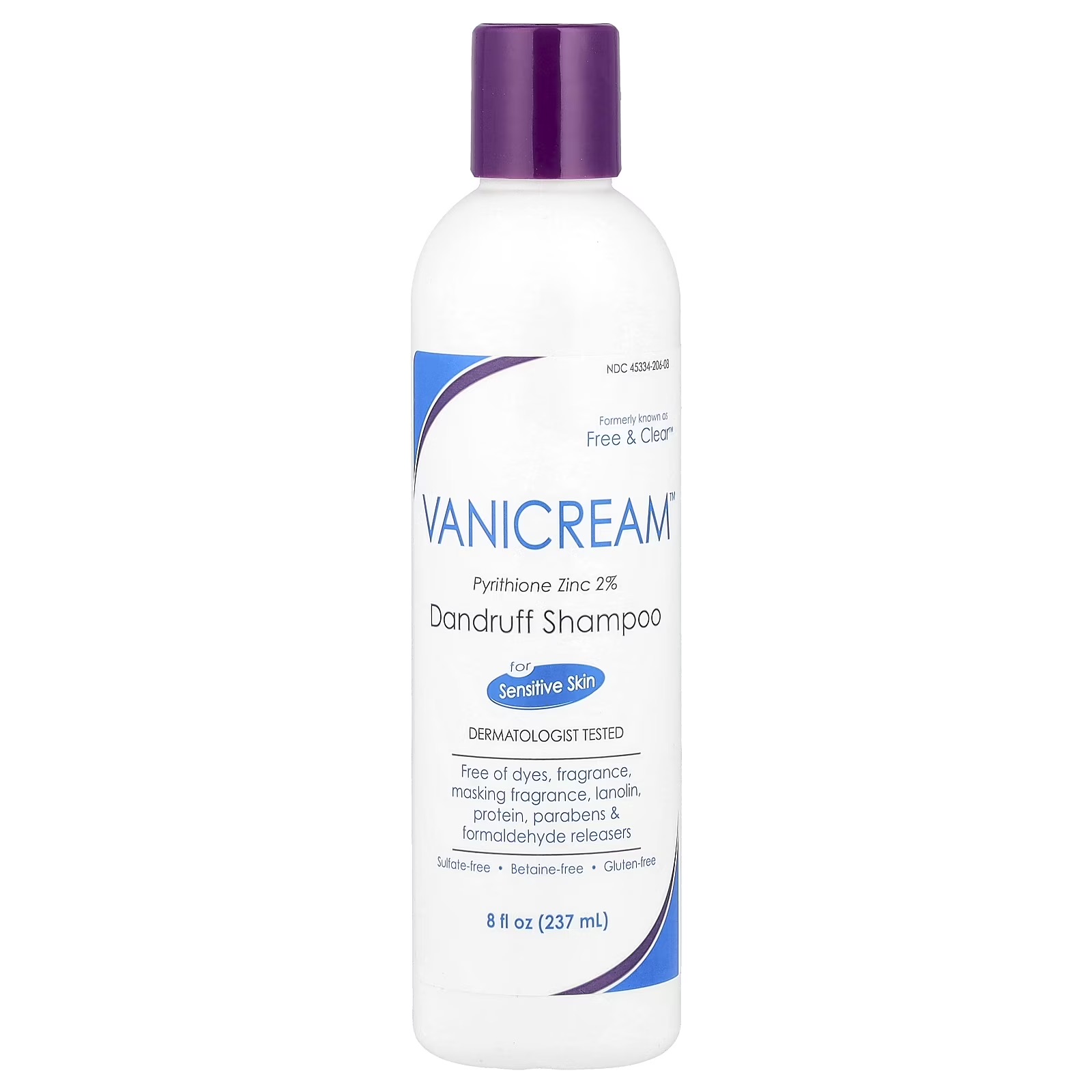
#2: Vanicream Dandruff Shampoo, 2% Pyrithione Zinc
Vanicream Dandruff Shampoo (formerly Free & Clear Medicated Anti-Dandruff Shampoo) is the gentlest medicated pick: 2% pyrithione zinc, the highest over-the-counter strength, in a sulfate-free, fragrance-free formula with no essential oils.
The brand recommends using it at least twice a week and leaving the lather on the scalp for several minutes before rinsing.
Its main limitation is that it’s a bare-bones, functional shampoo, with none of the conditioning feel of a traditional shampoo.
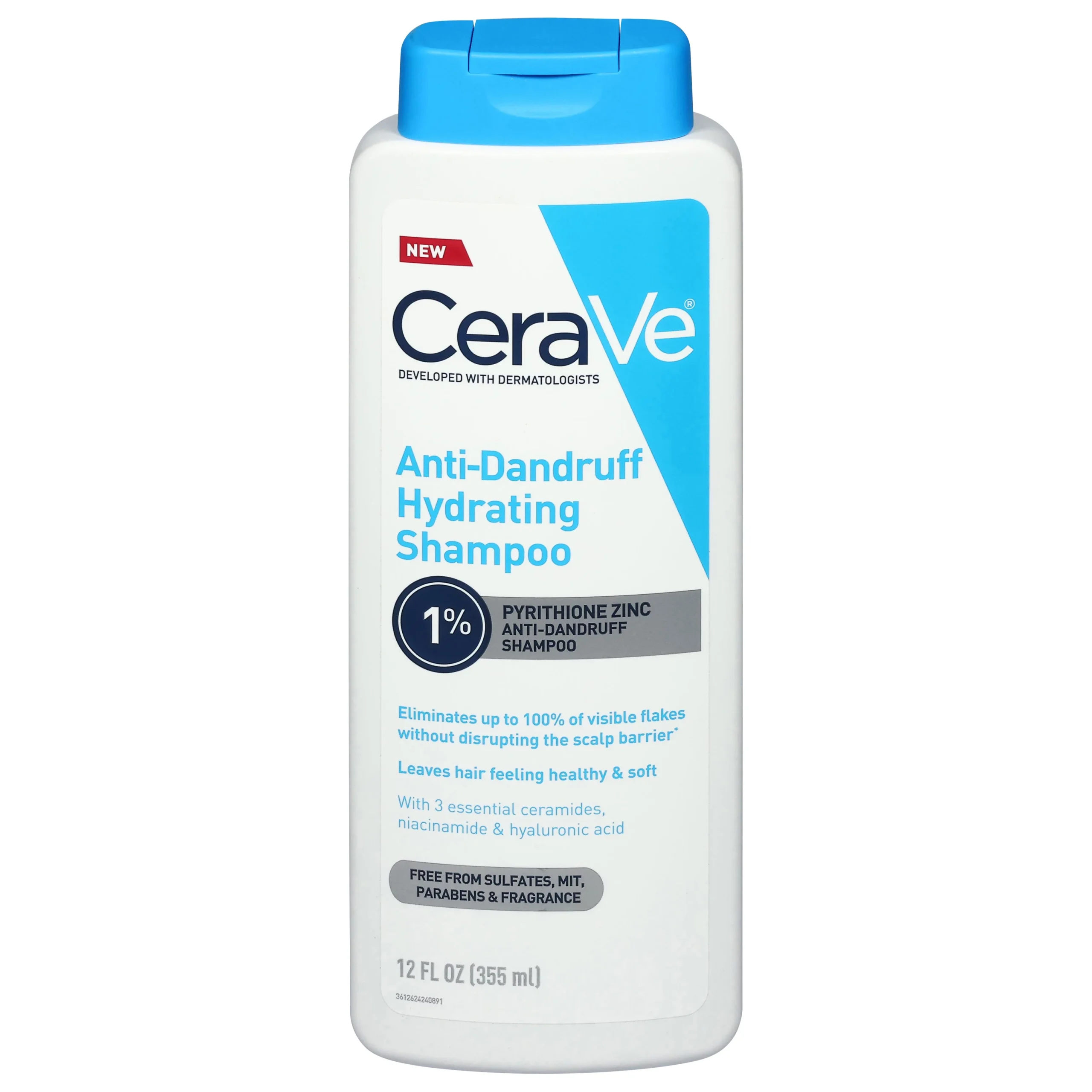
#3: CeraVe Anti-Dandruff Hydrating Shampoo, 1% Zinc Pyrithione
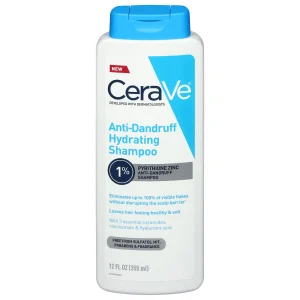
CeraVe Anti-Dandruff Hydrating Shampoo pairs a medicated active with scalp-repairing ingredients.
Its active is 1% zinc pyrithione, backed by three ceramides, niacinamide, sodium hyaluronate, and a small amount of salicylic acid to loosen flakes. It’s fragrance-free and dye-free, which makes it a great fit if you have both dandruff and a history of sensitivity to fragrance.
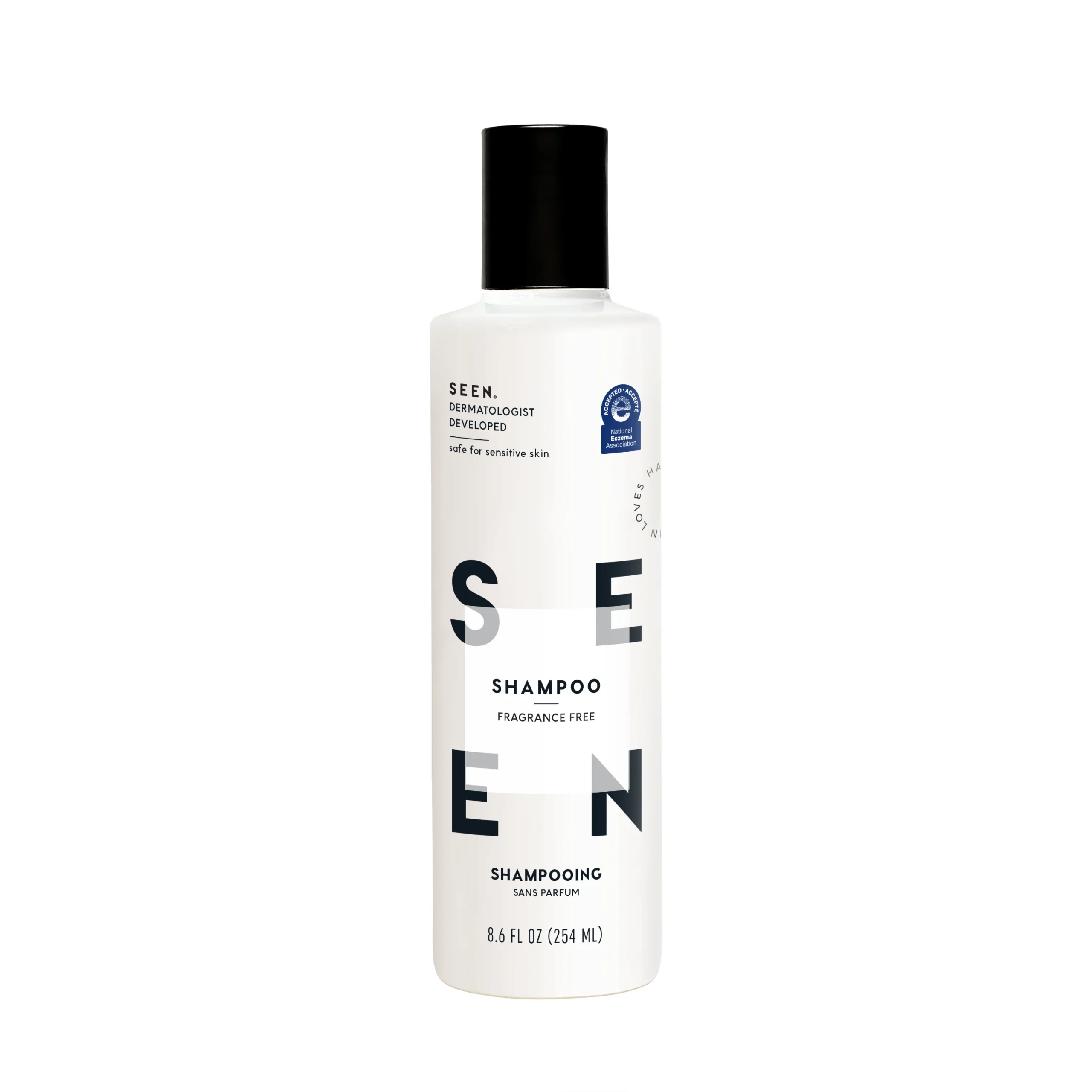
#4: SEEN Fragrance Free Shampoo
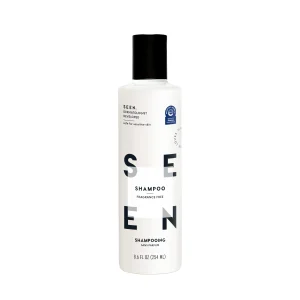
SEEN Fragrance Free Shampoo was developed by a dermatologist for sensitive, acne-prone skin. It carries the National Eczema Association Seal of Acceptance and is formulated without fragrance, sulfates, silicones, phthalates, parabens, dyes, and irritating preservatives.
If fragrance is your main concern and you want something more elevated than some of the other fragrance-free options, SEEN is a compelling choice. However, it’s not a medicated shampoo, so if persistent flakes and itching are the problem, a different shampoo formula may be a better fit.
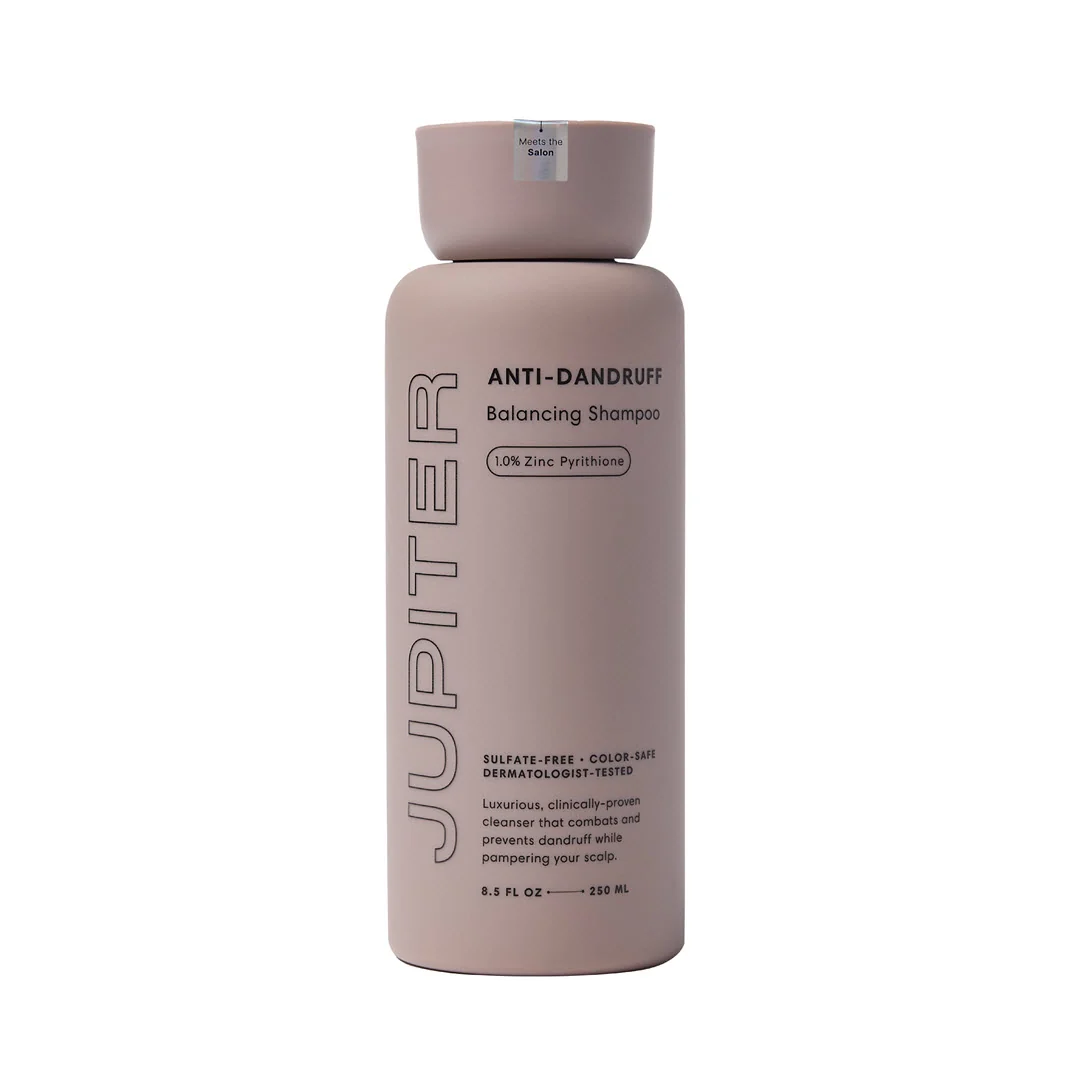
#5: Jupiter Balancing Shampoo, 1% Zinc Pyrithione
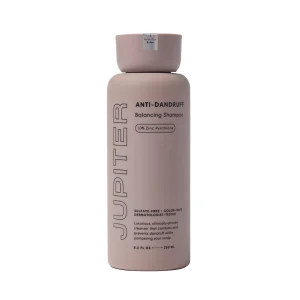
Jupiter Balancing Shampoo combines 1% zinc pyrithione with a sulfate-free cleansing base, plus squalane, safflower and coconut oils, and panthenol. It’s formulated without dyes or irritating preservatives.
While the formula is made without artificial fragrance, it is scented with essential oils, which is a consideration for a sensitive scalp.
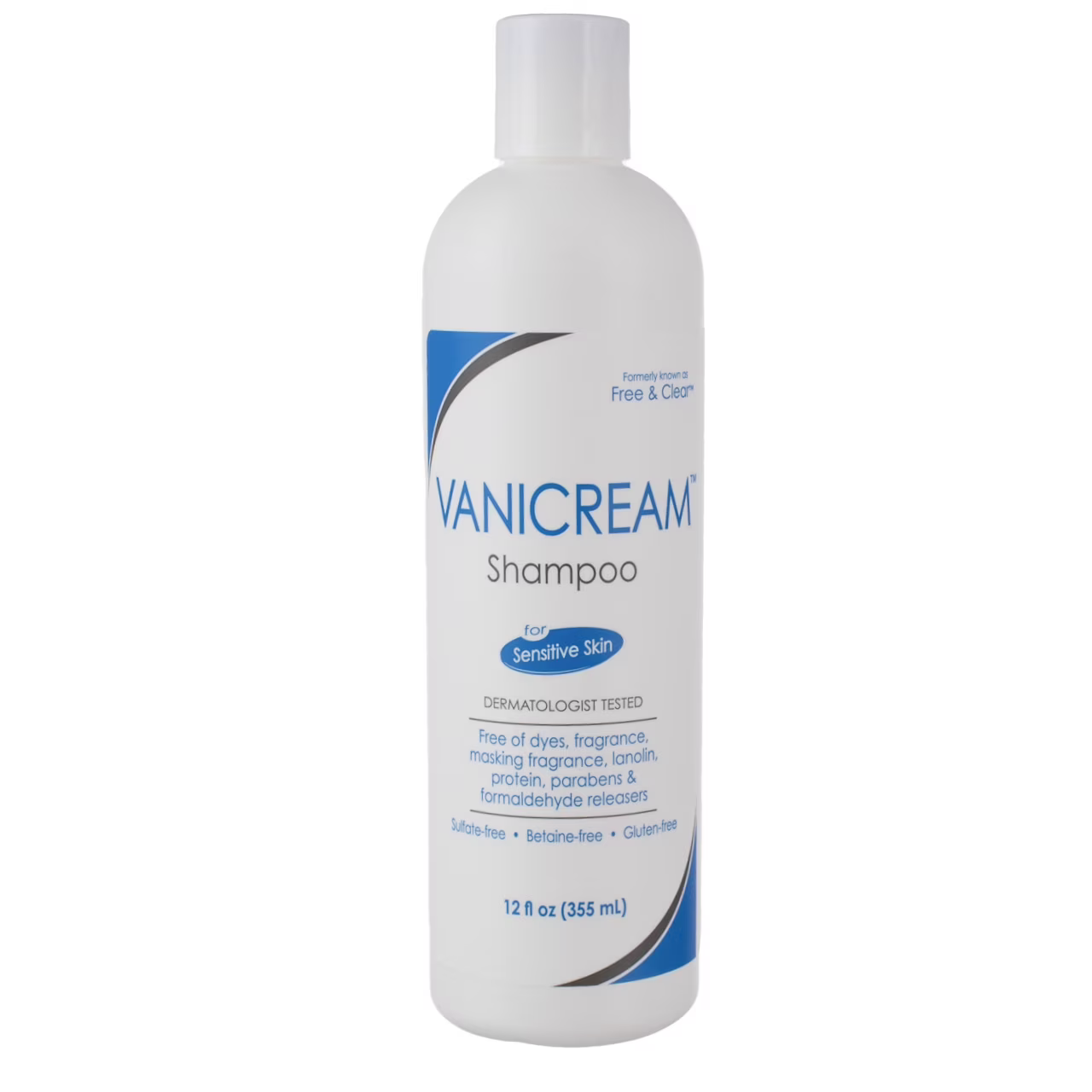
#6: Vanicream Free & Clear Shampoo
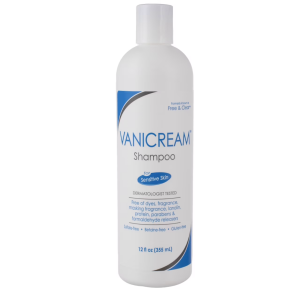
Vanicream Free & Clear Shampoo is the pick for a scalp that regularly reacts to hair products.
Its appeal is restraint. Rather than adding botanicals or essential oils to feel soothing, it simply avoids the common triggers: no fragrance, dyes, sulfates, or parabens, with a mild cleansing base plus glycerin and panthenol. For suspected ingredient sensitivity, fewer variables is the advantage.
Minimal doesn’t guarantee tolerance, since any cleanser can irritate under the wrong conditions. And there’s no antifungal active, so it won’t treat persistent dandruff or seborrheic dermatitis. It’s a functional shampoo rather than a luxurious one.
For a reactive scalp without significant dandruff, it’s one of our strongest picks.
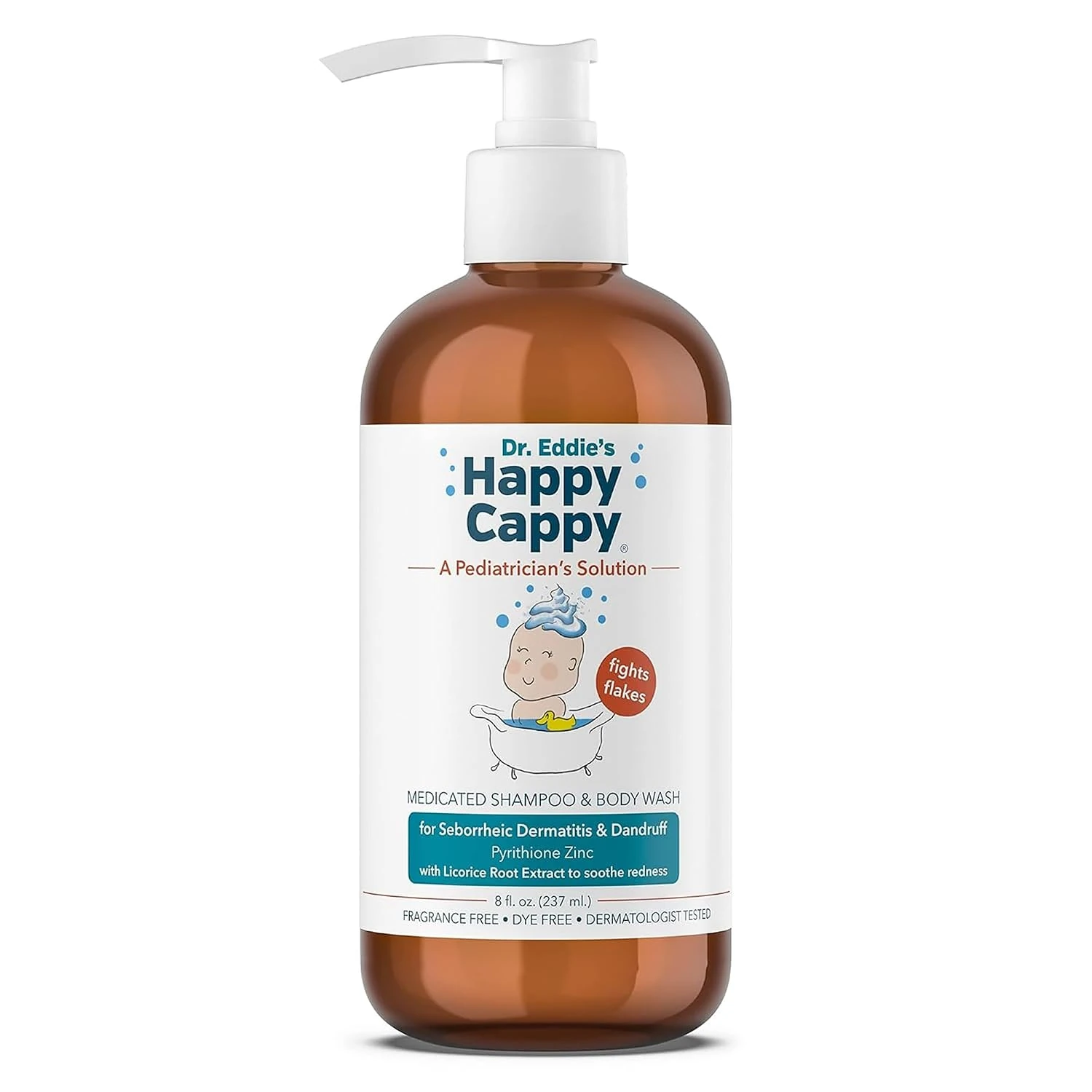
#7: Dr. Eddie’s Happy Cappy Medicated Shampoo & Body Wash, 0.95% Pyrithione Zinc
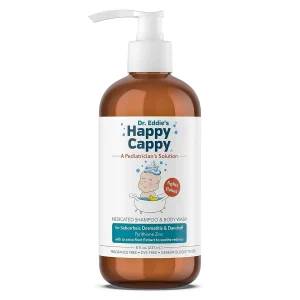
Happy Cappy was formulated for cradle cap and seborrheic dermatitis in children, which makes it an exceptionally gentle option for an adult scalp that’s both sensitive and flaky.
It contains 0.95% pyrithione zinc in a sulfate-free, fragrance-free, dye-free base, with licorice root extract, panthenol, and glycerin as the supporting ingredients. Licorice root is a traditional soothing agent, and the formula is free of parabens and other allergenic preservatives.
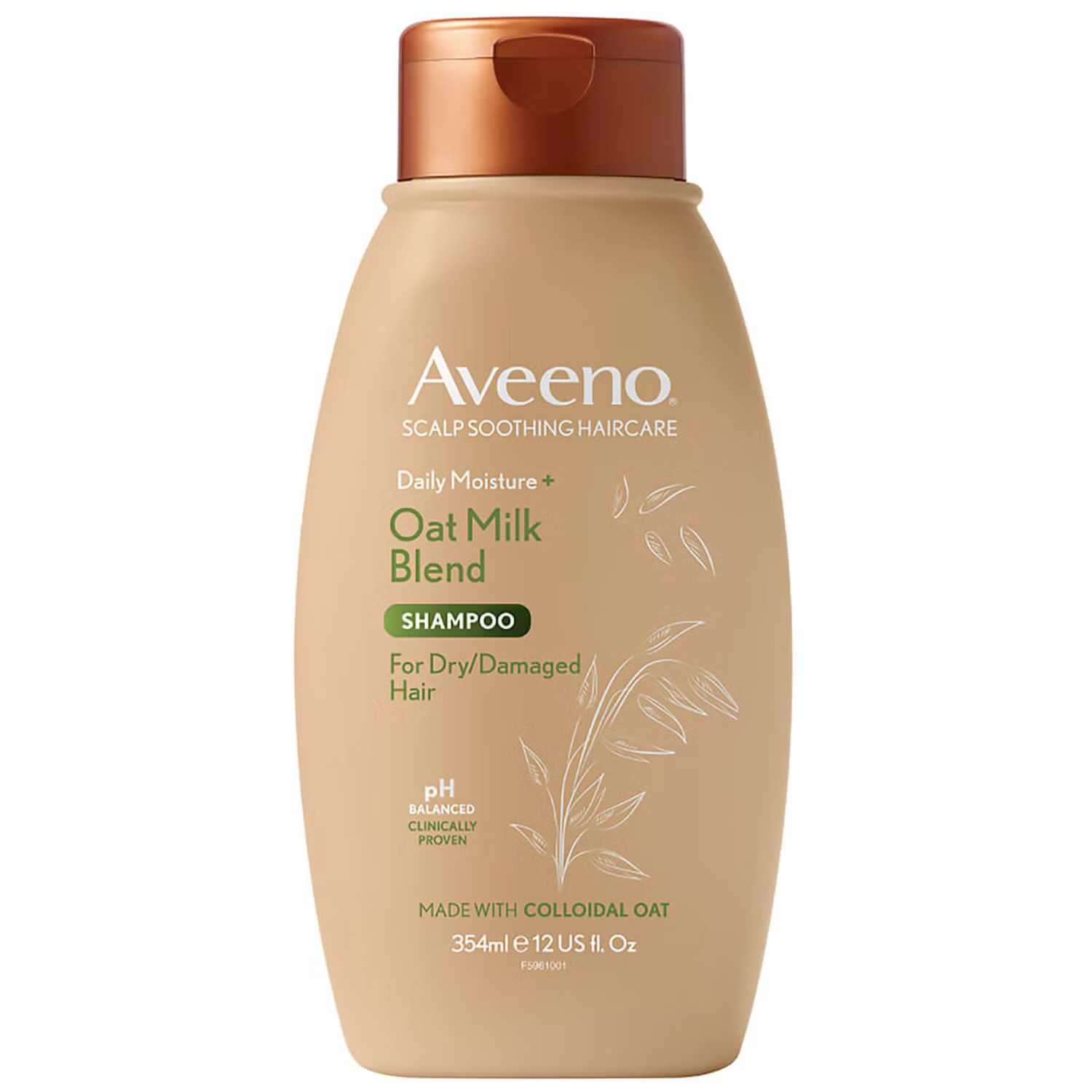
#8: Aveeno Scalp Soothing Oat Milk Blend Shampoo
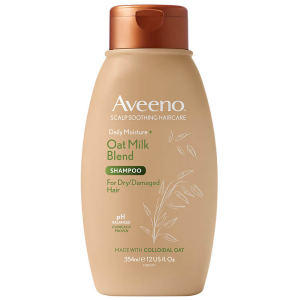
Aveeno Scalp Soothing Oat Milk Blend Shampoo is formulated with soothing oat-derived ingredients, hydrolyzed milk protein, and sweet almond extract. Oatmeal has a long history of use in products for dry, irritated skin, and combined with a sulfate-free, dye-free base, it’s a viable option for sensitive scalps.
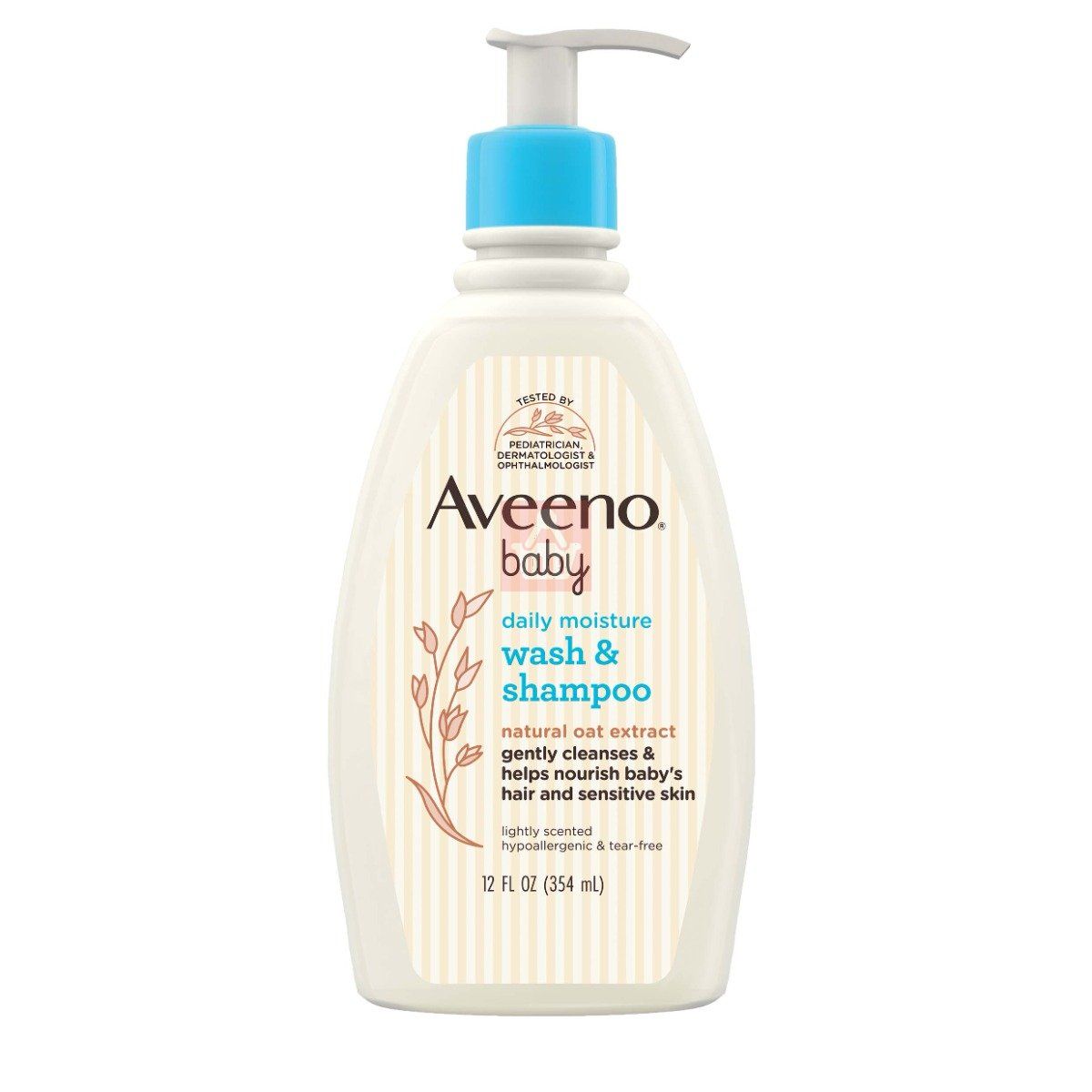
#9: Aveeno Baby Daily Moisture Wash & Shampoo
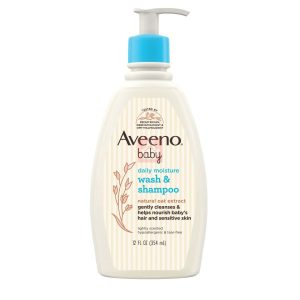
Some adults reach for baby shampoo on the assumption that a baby formula must be the gentlest option. That isn’t always the case, but Aveeno Baby Daily Moisture Wash & Shampoo has real merits.
It combines oat extract and glycerin with a mild, sulfate-free cleansing base, and it’s free of soap, parabens, and phthalates. For a basic cleanser without persistent dandruff, it’s practical.
However, there are two trade-offs: it’s lightly fragranced and as a combined body wash it may not condition effectively for longer, coarse, or dry hair.
How Should You Use Shampoo if You Have a Sensitive Scalp?
Finding an appropriate formula is important. But how you use it also influences how well your scalp tolerates it.
- Change one product at a time. If you replace your shampoo, conditioner, and styling products simultaneously, it becomes difficult to identify which change helped or which one caused a reaction. Start with the shampoo and monitor how your scalp responds over the following weeks.
- Wash as often as your scalp can tolerate. One study found that washing hair more frequently improved measurements of scalp health related to inflammation and rated the best scalp and hair health in users who washed 5-7 times per week.[4]Punyani, S., Tosti, A., Hordinsky, M., Yeomans, D., Schwartz, J.R. (2021). The Impact Of Shampoo Wash Frequency On Scalp And Hair Conditions. Skin Appendage Disorders. 7(3). 183-193. … Continue reading
- Rinse thoroughly. Leaving shampoo residue on the scalp can contribute to irritation, even when the formula itself is otherwise suitable.
- Seek a proper assessment if symptoms persist. Thick scale, marked redness, patchy hair loss, or persistent itching can sometimes indicate conditions that require more than a shampoo change. A dermatologist may recommend further evaluation, including patch testing when contact allergy is suspected.
Frequently Asked Questions
Can a sensitive scalp cause hair loss?
A sensitive scalp on its own doesn’t usually cause hair loss. But some of the conditions behind scalp sensitivity can contribute to shedding. Dandruff and seborrheic dermatitis involve ongoing scalp inflammation, and that inflammation may play a role in increased shedding for some people.
There’s also evidence that certain shampoo formulas can help combat shedding. In a six-month trial of 150 men with dandruff and hair shedding, a 1% ketoconazole shampoo was associated with a 17.3% reduction in shedding, and a 1% zinc pyrithione shampoo with a 10.1% reduction.[5]Piérard-Franchimont, C., Goffin, V., Henry, F., Uhoda, I., Braham, C., Piérard, G.E. (2002). Nudging Hair Shedding By Antidandruff Shampoos: A Comparison Of 1% Ketoconazole, 1% Piroctone Olamine … Continue reading
If you’re noticing patchy hair loss, significant thinning, or shedding that doesn’t improve, it’s worth getting a proper dermatological assessment rather than relying on a shampoo change alone.
Is baby shampoo actually gentler for adults?
Not necessarily. Baby shampoos are designed to be mild on the eyes and skin, but “baby” on the label doesn’t guarantee a formula is free of fragrance or other common irritants. Some baby shampoos are lightly fragranced, and combined wash-and-shampoo formulas may not condition longer or coarser adult hair well.
If you’re considering a baby shampoo, read the ingredient list the same way you would for any other product: look for a sulfate-free base and, if you’re prone to reactions, no added fragrance.
Are essential oils safer than synthetic fragrance?
Not always. Essential oils like tea tree and lavender are often marketed as gentler alternatives, but may still capable of irritating or sensitizing the skin.
That doesn’t mean everyone needs to avoid them. Many people tolerate lightly scented formulas without any issues and, in some cases, certain essential oils can actually be soothing to the scalp. For example, rosemary oil contains antioxidant compounds that may actually benefit scalp health. But, tolerance is highly individual. If you’ve reacted to scented products before, a fully fragrance-free shampoo removes one of the most common variables.
Does “sulfate-free” mean a shampoo is mild?
A sulfate-free shampoo formula is ideal for a sensitive scalp. However, a sulfate-free formula on its own isn’t a guarantee that a shampoo formula will be gentle. Some products labeled sulfate-free still use other relatively strong cleansers, such as sodium C14-16 olefin sulfonate. None of the shampoo formulas included in this list contain sulfates or other harsher cleansers like sodium C14-16 olefin sulfonate. If you opt for a shampoo not on this list, it’s worth parsing through the ingredients list to ensure it’s formulated without these harsher cleansers.
How often should you wash a sensitive scalp?
According to research, the ideal wash frequency may be more often than you’d expect. It may seem logical to assume that washing less is better for a reactive scalp, but research doesn’t necessarily support that conclusion. In one study, more frequent washing was associated with better measures of scalp health, with the best results in people who washed five or more times per week.[6]Punyani, S., Tosti, A., Hordinsky, M., Yeomans, D., Schwartz, J.R. (2021). The Impact Of Shampoo Wash Frequency On Scalp And Hair Conditions. Skin Appendage Disorders. 7(3). 183-193. … Continue reading
Because scalp oils and product buildup can contribute to scalp microbiome imbalances that, in turn, influence scalp sensitivity, it’s essential to ensure the scalp microbiome is balanced. If more frequent washing (with a gentler shampoo) results in better scalp microbiome health, it may paradoxically improve scalp sensitivity.
Bottom Line
If you’re struggling with a sensitive scalp, optimizing your haircare routine to address sensitivity and prevent further sensitization is a helpful approach. By reducing exposure to irritating ingredients, addressing underlying factors (like scalp microbiome imbalances), and avoiding known contact allergens in haircare formulas, we can hopefully minimize disruptions to scalp health that lead to irritation.
Specifically, looking for shampoos that are sulfate-free, formulated with soothing ingredients, and include a balancing active to address scalp conditions contributing to sensitivity may make meaningful difference in scalp sensitivity.
Ultimately, the goal is to choose a shampoo that supports your scalp without introducing unnecessary problems, so your hair care routine is one you can tolerate and follow consistently.
References[+]
References ↑1 Kerr, K., Schwartz, J.R., Filloon, T., Fieno, A., Wehmeyer, K., Szepietowski, J.C., Mills, K.J. (2011). Scalp Stratum Corneum Histamine Levels: Novel Sampling Method Reveals Association With Itch Resolution In Dandruff/Seborrhoeic Dermatitis Treatment. Acta Dermato-Venereologica. 91(4). 404-408. https://doi.org/10.2340/00015555-1073 ↑2 Kerr, K., Darcy, T., Henry, J., Mizoguchi, H., Schwartz, J.R., Morrall, S., Filloon, T., Wimalasena, R., Fadayel, G., Mills, K.J. (2011). Epidermal Changes Associated With Symptomatic Resolution Of Dandruff: Biomarkers Of Scalp Health. International Journal of Dermatology. 50(1). 102-113. https://doi.org/10.1111/j.1365-4632.2010.04629.x ↑3 Barbosa, V., Melo, D.F., Vañó-Galván, S., Lutchmanen-Kolanthan, V., Sant’Anna, B., Leclerc-Mercier, S., Reygagne, P. (2024). A Comparative Randomized Clinical Study Assessing The Efficacy Of A 1% Selenium Disulfide-Based Shampoo Versus 2% Ketoconazole Shampoo In Subjects With Moderate To Severe Scalp Seborrheic Dermatitis. Skin Appendage Disorders. 10(6). 497-504. https://doi.org/10.1159/000539209 ↑4, ↑6 Punyani, S., Tosti, A., Hordinsky, M., Yeomans, D., Schwartz, J.R. (2021). The Impact Of Shampoo Wash Frequency On Scalp And Hair Conditions. Skin Appendage Disorders. 7(3). 183-193. https://doi.org/10.1159/000512786 ↑5 Piérard-Franchimont, C., Goffin, V., Henry, F., Uhoda, I., Braham, C., Piérard, G.E. (2002). Nudging Hair Shedding By Antidandruff Shampoos: A Comparison Of 1% Ketoconazole, 1% Piroctone Olamine And 1% Zinc Pyrithione Formulations. International Journal of Cosmetic Science. 24(5). 249-256. Want help with your hair regrowth journey?
Get personalized support, product recommendations, video calls, and more from our researchers, trichologists, and PhD's dedicated to getting you the best possible outcomes.
Learn More
Perfect Hair Health Team
"... Can’t thank @Rob (PHH) and @sanderson17 enough for allowing me to understand a bit what was going on with me and why all these [things were] happening ... "

 — RDB, 35, New York, U.S.A.
"... There is a lot improvement that I am seeing and my scalp feel alive nowadays... Thanks everyone. "

 — Aayush, 20’s, Boston, MA
"... I can say that my hair volume/thickness is about 30% more than it was when I first started."

 — Douglas, 50’s, Montréal, Canada
Want help with your hair regrowth journey?
Get personalized support, product recommendations, video calls, and more from our researchers, trichologists, and PhD's dedicated to getting you the best possible outcomes.
Join Now - Mission Statement