- About
- Mission Statement
Education. Evidence. Regrowth.
- Education.
Prioritize knowledge. Make better choices.
- Evidence.
Sort good studies from the bad.
- Regrowth.
Get bigger hair gains.
Team MembersPhD's, resarchers, & consumer advocates.
- Rob English
Founder, researcher, & consumer advocate
- Research Team
Our team of PhD’s, researchers, & more
Editorial PolicyDiscover how we conduct our research.
ContactHave questions? Contact us.
Before-Afters- Transformation Photos
Our library of before-after photos.
- — Jenna, 31, U.S.A.
I have attached my before and afters of my progress since joining this group...
- — Tom, 30, U.K.
I’m convinced I’ve recovered to probably the hairline I had 3 years ago. Super stoked…
- — Rabih, 30’s, U.S.A.
My friends actually told me, “Your hairline improved. Your hair looks thicker...
- — RDB, 35, New York, U.S.A.
I also feel my hair has a different texture to it now…
- — Aayush, 20’s, Boston, MA
Firstly thank you for your work in this field. I am immensely grateful that...
- — Ben M., U.S.A
I just wanted to thank you for all your research, for introducing me to this method...
- — Raul, 50, Spain
To be honest I am having fun with all this and I still don’t know how much...
- — Lisa, 52, U.S.
I see a massive amount of regrowth that is all less than about 8 cm long...
Client Testimonials150+ member experiences.
 Scroll DownPopular Treatments
- Treatments
Popular treatments. But do they work?
- Finasteride
- Oral
- Topical
- Dutasteride
- Oral
- Topical
- Mesotherapy
- Minoxidil
- Oral
- Topical
- Ketoconazole
- Shampoo
- Topical
- Low-Level Laser Therapy
- Therapy
- Microneedling
- Therapy
- Platelet-Rich Plasma Therapy (PRP)
- Therapy
- Scalp Massages
- Therapy
 More
IngredientsTop-selling ingredients, quantified.
- Saw Palmetto
- Redensyl
- Melatonin
- Caffeine
- Biotin
- Rosemary Oil
- Lilac Stem Cells
- Hydrolyzed Wheat Protein
- Sodium Lauryl Sulfate
 More
ProductsThe truth about hair loss "best sellers".
- Minoxidil Tablets
Xyon Health
- Finasteride
Strut Health
- Hair Growth Supplements
Happy Head
- REVITA Tablets for Hair Growth Support
DS Laboratories
- FoliGROWTH Ultimate Hair Neutraceutical
Advanced Trichology
- Enhance Hair Density Serum
Fully Vital
- Topical Finasteride and Minoxidil
Xyon Health
- HairOmega Foaming Hair Growth Serum
DrFormulas
- Bio-Cleansing Shampoo
Revivogen MD
- more
Key MetricsStandardized rubrics to evaluate all treatments.
- Evidence Quality
Is this treatment well studied?
- Regrowth Potential
How much regrowth can you expect?
- Long-Term Viability
Is this treatment safe & sustainable?
Free Research- Free Resources
Apps, tools, guides, freebies, & more.
- Free CalculatorTopical Finasteride Calculator
- Free Interactive GuideInteractive Guide: What Causes Hair Loss?
- Free ResourceFree Guide: Standardized Scalp Massages
- Free Course7-Day Hair Loss Email Course
- Free DatabaseIngredients Database
- Free Interactive GuideInteractive Guide: Hair Loss Disorders
- Free DatabaseTreatment Guides
- Free Lab TestsProduct Lab Tests: Purity & Potency
- Free Video & Write-upEvidence Quality Masterclass
- Free Interactive GuideDermatology Appointment Guide
- More
Articles100+ free articles.
-
10 Best Peptides for Hair Growth
-
Liposomal Finasteride: The Ultimate Guide
-
GHK-Cu for Hair Growth: Does It Actually Work?
-
Saw Palmetto Shampoo: Is It Effective for Hair Loss?
-
Minoxidil Before and After Photos [2026] | Does It Work?
-
Musely Reviews for Hair Loss: Are They Trustworthy?
-
Oral Finasteride Before and After: Real Case Studies
-
Why Am I Shedding After Starting Ketoconazole?
PublicationsOur team’s peer-reviewed studies.
- Microneedling and Its Use in Hair Loss Disorders: A Systematic Review
- Use of Botulinum Toxin for Androgenic Alopecia: A Systematic Review
- Conflicting Reports Regarding the Histopathological Features of Androgenic Alopecia
- Self-Assessments of Standardized Scalp Massages for Androgenic Alopecia: Survey Results
- A Hypothetical Pathogenesis Model For Androgenic Alopecia:Clarifying The Dihydrotestosterone Paradox And Rate-Limiting Recovery Factors
Menu- AboutAbout
- Mission Statement
Education. Evidence. Regrowth.
- Team Members
PhD's, resarchers, & consumer advocates.
- Editorial Policy
Discover how we conduct our research.
- Contact
Have questions? Contact us.
- Before-Afters
Before-Afters- Transformation Photos
Our library of before-after photos.
- Client Testimonials
Read the experiences of members
Before-Afters/ Client Testimonials- Popular Treatments
-
Articles10 Best Peptides for Hair Growth
First Published Nov 12 2026Last Updated Nov 12 2026Natural Remedies Researched & Written By:Perfect Hair Health Team
 Reviewed By:Sophie Grice, PhD
Want help with your hair regrowth journey?
Get personalized support, product recommendations, video calls, and more from our researchers, trichologists, and PhD's dedicated to getting you the best possible outcomes.
Learn MoreArticle Summary
Peptides have exploded in popularity recently, including in the hair care space, with ingredients like GHK-Cu, biotinoyl tripeptide-1, and acetyl tetrapeptide-3 now appearing in everything from scalp serums to shampoos. But what does the research say? Laboratory studies suggest that certain peptides can influence hair follicle activity, while a handful of clinical trials have reported improvements in hair growth.
But not all peptides are supported by the same level of evidence. In this article, we’ll look at 10 of the most promising peptides and peptide-related ingredients for hair growth, explain how they work, review the available research, and discuss which ones may be worth adding to your hair care regimen.
Full Article
Hair growth peptides have exploded in growth in recent years, including in the hair care space.
You’ll find them in scalp serums, shampoos, and even eyelash treatments, often accompanied by claims about stimulating hair follicles, reducing shedding, or improving hair density.
Peptides are made up of short chains of amino acids. Many occur naturally in the body, where they help regulate processes like tissue repair, collagen production, and cell growth.
As of 2026, researchers have identified several peptides that may influence hair follicle activity. Some appear to stimulate signals involved in hair growth, while others may help support the tissue surrounding hair follicles or protect cells from free radical damage (aka oxidative stress).
This has led to growing interest in whether topical peptides could help prevent hair loss or improve hair growth. While research on peptides for hair growth is still in its infancy, a number of research studies support their use.
So, which peptides have the strongest evidence for hair growth? In this article, we’ll unpack the evidence surrounding peptides for hair growth, rate the quality of that evidence, and reveal the top 10 best peptides for hair growth.
GHK-Cu Serum From our partners at UloInterested in 3% GHK-Cu Serum?
Rx-strength 3% copper peptide, compounded without alcohol or propylene glycol. Prescribed 100% online. Choose a multi-month plan and get up to 30% plus a free gift bundle.
Free full-size gifts with 3-month+ plans Prescribed online, shipped to your door 3% GHK-CuAlcohol and PG free
*Only available in the U.S. Prescription requires an online medical consultation at no extra cost. Off-label products are not endorsed by the FDA. Free gifts included with select multi-month plans while supplies last. Ulo is a partner of Perfect Hair Health; we may earn a commission on purchases.
Peptides for Hair Growth: Quality of Evidence
While several peptides have shown promising results for hair growth, the evidence supporting them is still relatively limited compared to established treatments like minoxidil, finasteride, and dutasteride.
These medications have been evaluated in large, randomized clinical trials involving thousands of patients, with some studies following treatment outcomes for several years.
Most peptides, by comparison, have only been investigated in laboratory experiments, animal studies, or small human trials. And in many cases, the human studies evaluate several ingredients together, making it difficult to determine how much each individual peptide contributes to hair growth.[1]https://perfecthairhealth.com/treatment-metrics/
When we describe a peptide as having the strongest clinical evidence or being the most promising overall, we’re comparing it to other peptides, not to established hair loss medications.
Even the highest-ranking peptides on this list have considerably less clinical evidence supporting their effectiveness than conventional treatments. For this reason, we recommend considering peptides as potential additions to a hair loss regimen, rather than replacements for treatments with a more established record of effectiveness.
Of course, the research is continually evolving. As new clinical trials become available, we’ll revisit these rankings to reflect the latest evidence, including whether certain peptides deserve to move higher or lower on the list.
For now, the goal is to identify which peptides have the most promising research behind them, while keeping that evidence in the proper context.
How Do Peptides Work for Hair Growth?
Hair growth involves a complicated network of biological signals.
For a follicle to produce hair, specialized cells need to communicate with one another, maintain the surrounding tissue, and regulate the transitions between the growth, resting, and shedding phases of the hair cycle.
Peptides may influence several of these processes, each with its own unique effect on the hair follicles.
For example, signal peptides are designed to influence how cells communicate. Some mimic portions of growth factors, the proteins that regulate cell growth and tissue repair. Others resemble fragments of structural proteins released when tissue is damaged, potentially encouraging cells to begin rebuilding. Acetyl decapeptide-3 and octapeptide-2 are examples of peptides that work on these pathways.
Carrier peptides bind to and transport substances involved in cellular function. GHK-Cu and AHK-Cu are two examples. Both bind copper, an essential mineral used by enzymes involved in collagen formation, antioxidant defense, and other cellular processes.
Matrix-supporting peptides influence the structural proteins surrounding hair follicles. Biotinoyl tripeptide-1 and acetyl tetrapeptide-3 fall into this category. Research supplied by their manufacturers suggests they may support proteins involved in anchoring hair follicles within the skin. In theory, improving the environment surrounding a follicle could help it maintain healthier growth.
Of course, a plausible mechanism is only part of the equation. For a topical peptide to influence hair growth, it also needs to reach the relevant structures within the scalp.
The Challenge of Delivering Peptides Into the Scalp
One of the biggest challenges with topical peptides is getting them through the skin.
The outermost layer of skin, called the stratum corneum, forms a protective barrier made up of tightly packed cells and lipids. This barrier is particularly effective at limiting the penetration of large, water-soluble, or electrically charged molecules.
Unfortunately, many peptides have exactly these characteristics. For this reason, even when a peptide produces encouraging results in a laboratory, it doesn’t necessarily mean applying it to the scalp will produce the same effect.
That’s why formulation is so important.
Some peptides are chemically modified to improve their interaction with the skin’s lipid barrier.
For example, attaching a fatty acid to a peptide can change how readily it interacts with the skin. That’s what the myristoyl portion of myristoyl pentapeptide-17 refers to. Other peptides are attached to molecules like biotin or incorporated into delivery systems intended to improve their stability and penetration.
Hair follicles themselves may also provide an alternative route for topical delivery. Each follicular opening extends below the skin’s surface, creating a potential pathway for ingredients to accumulate closer to the structures responsible for hair growth.
This means two products containing the same peptide may not necessarily produce the same results.
The concentration, formulation, delivery system, and frequency of application can all influence how much of an ingredient reaches its intended target.
With that in mind, let’s examine the individual peptides and what the research tells us about their potential for hair growth.
The 10 Best Peptides for Hair Growth
1. Ulo GHK-Cu (Copper Tripeptide-1): Best Overall
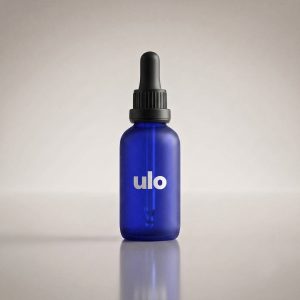
GHK-Cu is one of the most promising peptides being investigated for hair growth.
It’s a naturally occurring peptide that consists of three amino acids (glycine, histidine, and lysine) bound to a copper ion. It has been studied extensively for its involvement in tissue repair and skin biology.
Why might it benefit hair follicles? There are several potential mechanisms.
First, GHK-Cu binds copper and helps deliver it to cells, which is required by enzymes involved in collagen formation and antioxidant defense. By delivering copper to cells, it helps support healthy collagen production and fight free radicals within the cell.
Second, GHK and its copper complex have been investigated for their influence on growth factors and signaling pathways involved in tissue remodeling, specifically transforming growth factor beta-1 (TGF-β1), which is especially relevant to hair growth.
TGF-β1 is a signaling molecule involved in tissue repair and collagen production. When it rises above healthy levels, TGF-β1 shifts from a repair molecule to one that promotes excessive collagen deposition, leading to scar tissue accumulation (fibrosis). Within hair follicles, elevated TGF-β1 signaling can also contribute to the transition out of the active growth phase, leading to shedding.
Because of GHK-Cu’s role in wound healing, it works on related pathways, and has been explored in multiple studies for its effects on TGF-β1. Collectively, the research suggests GHK-Cu has the ability to lower TGF-β1, preventing excessive tissue remodeling. [2]McCormack, M.C., Nowak, K.C., Koch, R.J. (2001). The Effect Of Copper Tripeptide And Tretinoin On Growth Factor Production In A Serum-Free Fibroblast Model. Archives of Facial Plastic Surgery. 3(1). … Continue reading[3]Zhou, X.M., Wang, G.L., Wang, X.B., Liu, L., Zhang, Q., Yin, Y., Wang, Q.Y., Kang, J., Hou, G. (2017). GHK Peptide Inhibits Bleomycin-Induced Pulmonary Fibrosis In Mice By Suppressing … Continue reading
While research has not yet explored whether these effects on TGF-β1 translate to improved hair growth, the molecular findings are encouraging. Even better, preclinical research in animals and humans is also demonstrating positive results.
In one animal study, a GHK-based copper complex increased the proportion of follicles in the active growth phase and produced larger hair follicles. The researchers reported results comparable to those observed with 5% minoxidil in their experimental model. [4]Uno, H., Kurata, S. (1993). Chemical Agents And Peptides Affect Hair Growth. Journal of Investigative Dermatology. 101(1 Suppl). 143S-147S. https://doi.org/10.1016/0022-202X(93)90516-K
More recently, researchers have begun investigating copper peptides in humans.
In a 2025 study, seven men with androgenetic alopecia who hadn’t responded adequately to standard treatment received five monthly scalp treatments combining copper peptides, minoxidil, and dutasteride.
Following treatment, researchers reported a median 26.5% improvement in hair regrowth across the top of the scalp. [5]Kuceki, G., Coppinger, A.J., Ragi, S.D., Johnson, L.S., Goren, A., Kalil, L.L., Cirino, P., Wambier, C.G. (2025). Enhanced Hair Regrowth With Five Monthly Sessions Of Minoxidil-Dutasteride-Copper … Continue reading
These are encouraging results, particularly considering that the participants had previously experienced an inadequate response to treatment.
However, the study did not include a control group, and the treatment combined several active ingredients. Thus, we are unable to determine how much of the improvement was attributable to copper peptides.
Another human trial also explored the effects of copper peptides on hair growth, specifically testing its effects on eyebrows. Participants applied a 2% GHK-Cu serum to one eyebrow and a placebo serum to the other, twice daily for 12 weeks.
The GHK-Cu-treated eyebrows showed significant improvements in hair count and thickness, while the placebo-treated eyebrows showed no significant change in hair count. [6]Bo, S.L., Nararatwanchai, T., Suornpun, N., Poomarapan, K., Thaploka, S. (2026). The Efficacy Of 2% Copper Peptide (GHK-Cu) Serum For Eyebrow Hypotrichosis: A Randomized, Double-Blind, … Continue reading
Because this was a split-face study, each participant served as their own control. This helps account for individual differences that can otherwise complicate small hair growth studies and mask the effects of treatment.
Of course, eyebrows aren’t the same as scalp hair, and this was a relatively small study. So this doesn’t necessarily mean GHK-Cu will regrow hair on the scalp, especially with active hair loss like androgenetic alopecia.
Nevertheless, when we consider the mechanistic research, animal studies, and emerging human evidence together, GHK-Cu has one of the more compelling scientific foundations of the peptides on this list.
Our Pick: Ulo’s 3% GHK-Cu Serum
Many copper peptide products are formulated primarily for facial skincare, often at relatively low or undisclosed concentrations.
Ulo’s GHK-Cu Serum is a prescription formulation compounded at 3% and designed specifically for scalp application.
Unlike other GHK-Cu topicals, it uses a base without alcohol or propylene glycol, two ingredients that can cause irritation or dryness in some people. More importantly, alcohol has the potential to denature sensitive peptides like GHK-Cu, which means the potency of an alcohol-containing serum may wane over time.
The higher concentration is intended to address one of the challenges of topical peptide delivery: getting enough of the ingredient into the skin to potentially influence the follicle.
However, the formulation itself hasn’t been clinically tested for hair growth, so its effectiveness can’t be assumed from the concentration alone.
GHK-Cu Serum From our partners at UloInterested in 3% GHK-Cu Serum?
Rx-strength 3% copper peptide, compounded without alcohol or propylene glycol. Prescribed 100% online. Choose a multi-month plan and get up to 30% plus a free gift bundle.
Free full-size gifts with 3-month+ plans Prescribed online, shipped to your door
3% GHK-CuAlcohol and PG free*Only available in the U.S. Prescription requires an online medical consultation at no extra cost. Off-label products are not endorsed by the FDA. Free gifts included with select multi-month plans while supplies last. Ulo is a partner of Perfect Hair Health; we may earn a commission on purchases.
2. Acetyl Tetrapeptide-3 (Capixyl): Best Clinical Evidence
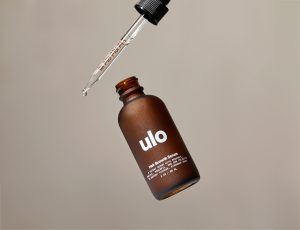
Acetyl tetrapeptide-3 is a four-amino-acid peptide designed to influence the structural environment surrounding hair follicles. It’s most commonly found in Capixyl, a patented ingredient complex that combines acetyl tetrapeptide-3 with red clover extract.
The red clover extract contains biochanin A, a plant-derived compound that has been investigated for its ability to inhibit 5-alpha-reductase, the enzyme responsible for converting testosterone into DHT.
Acetyl tetrapeptide-3 supports the extracellular matrix, the network of proteins and other molecules that surrounds and supports cells.
Why might this matter for hair growth?
Hair follicles don’t exist in isolation. They’re embedded within connective tissue and rely on interactions with surrounding cells and structural proteins.
According to data from manufacturer studies, acetyl tetrapeptide-3 can stimulate the production of proteins involved in anchoring hair follicles within the scalp. In theory, this could help improve the environment in which hair follicles grow.
There are some encouraging clinical findings related to acetyl tetrapeptide-3.
In a manufacturer-sponsored randomized, placebo-controlled study, 30 volunteers applied Capixyl daily for four months. Researchers reported a 13% increase in hairs in the active growth phase, compared with a 2% decrease in the placebo group.[7]Loing, E., Lachance, R., Ollier, V., Hocquaux, M. (2013). A New Strategy To Modulate Alopecia Using A Combination Of Two Specific And Unique Ingredients. Journal of Cosmetic Science. 64(1). 45-58. … Continue reading
Capixyl has also been studied independently. In a 2020 randomized, triple-blind trial, researchers compared a lotion containing acetyl tetrapeptide-3, biochanin A, and ginseng extracts with 3% topical minoxidil.
The study included 32 men and women with androgenetic alopecia and lasted 24 weeks.
At the end of the trial, both groups experienced improvements in hair count of approximately 8%, with no statistically significant difference between treatments.
The peptide-containing lotion produced an 8.3% improvement, compared with 8.7% for 3% minoxidil. [8]Lueangarun, S., Panchaprateep, R. (2020). An Herbal Extract Combination (Biochanin A, Acetyl Tetrapeptide-3, And Ginseng Extracts) Versus 3% Minoxidil Solution For The Treatment Of Androgenetic … Continue reading
Because minoxidil is one of the gold-standard treatments for hair loss, these findings are encouraging. However, it is important to note that 3% minoxidil is not widely used, nor is it as effective as its 5% counterpart. Thus, Capixyl is not likely to match the efficacy of the more widely used 5% concentration. Nonetheless, it remains a good option for those looking for a natural alternative to minoxidil.
Our Pick: Ulo’s Hair Growth Serum
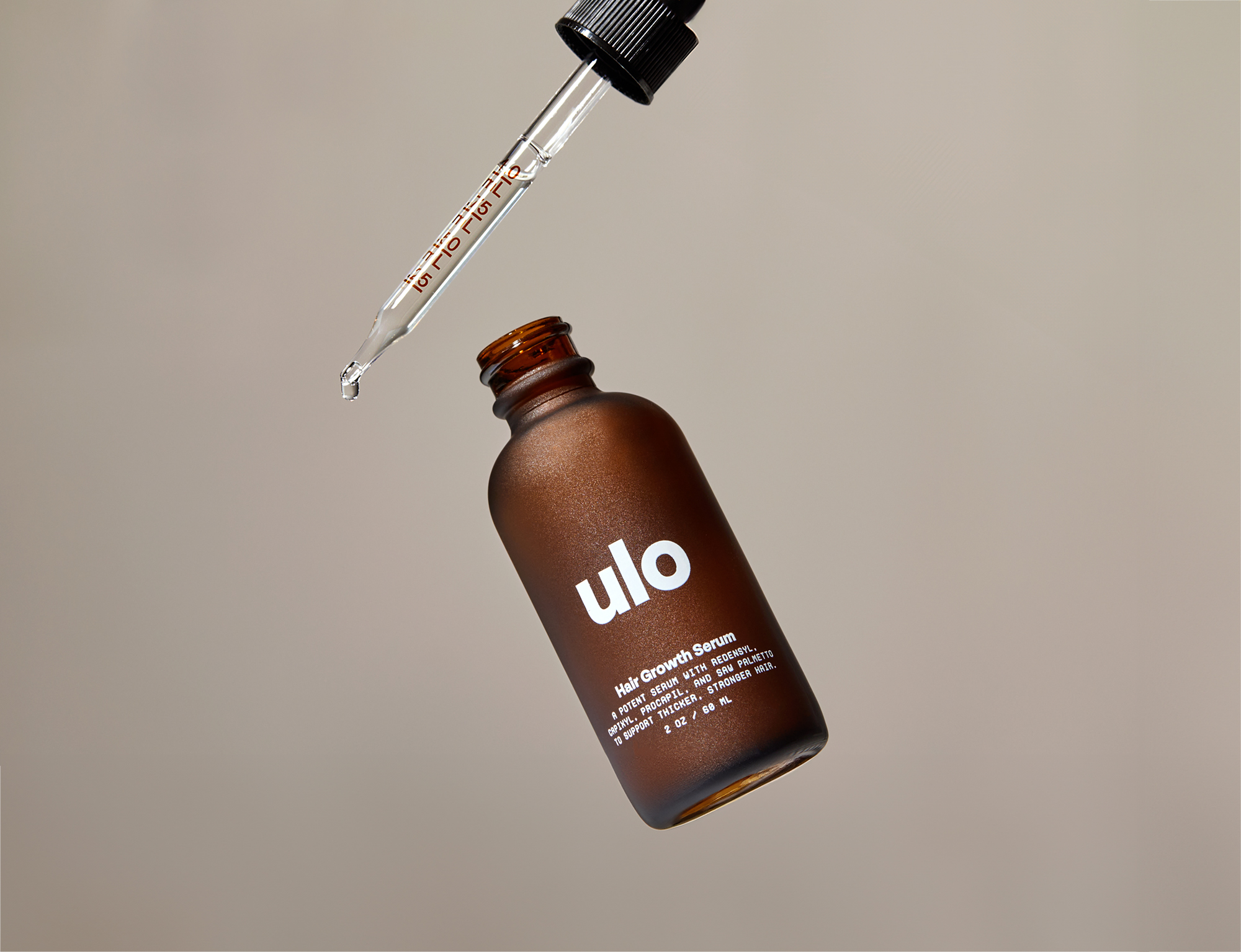
Ulo’s Hair Growth Serum combines Capixyl with several other ingredients investigated for their potential effects on hair follicles.
These include Capixyl, Procapil, saw palmetto, rosemary, caffeine, and amino acids.
Because much of the available human research has evaluated these ingredients in combinations rather than individually, a multi-ingredient serum provides a practical way to incorporate several potentially complementary mechanisms into one treatment. Ulo’s serum leverages eight clinically studied actives for optimal growth support.
Hair Growth Serum From our partners at UloA Hair Growth Serum with Saw Palmetto and Growth Complexes
Ulo's serum delivers growth-supporting actives directly to the scalp. Choose a multi-month plan and get up to 30% plus a free gift bundle.
Free full-size gifts with 3-month+ plans No prescription needed Leave-on serumPairs with any Ulo treatment
Free gifts included with select multi-month plans while supplies last. Ulo is a partner of Perfect Hair Health; we may earn a commission on purchases. This product is a cosmetic and is not intended to diagnose, treat, cure, or prevent any disease.
3. Biotinoyl Tripeptide-1 (Procapil)
Biotinoyl tripeptide-1 is another peptide frequently included in hair growth serums. Structurally, it is similar to GHK-Cu, with the same GHK peptide bound to biotin.
It is most commonly used as part of Procapil, an ingredient complex that combines biotinoyl tripeptide-1 with two plant-derived compounds: apigenin and oleanolic acid.
According to data supplied by the manufacturer of Procapil, biotinoyl tripeptide-1 helps support the structural proteins responsible for anchoring hair follicles in the scalp and stimulates growth in lab-cultured hair follicles. [9]Sederma. Procapil: Product Overview Sheet.
Studies have also evaluated the effects of Procapil on hair growth in humans. In a 2024 randomized controlled trial, researchers compared the effects of topical minoxidil alone or minoxidil combined with 5% Procapil. The combination treatment produced significantly greater improvements in hair count than minoxidil alone. [10]Fahim, M., Khoso, H., Khan, J., Bakhtiar, R. (2024). Combining Topical Minoxidil With Procapil; An Assessment Of Their Comparative Efficacy In Androgenetic Alopecia: A Randomized Control Trial. … Continue reading
Procapil contains several ingredients, so it is difficult to isolate the contribution of biotinoyl tripeptide-1. Nevertheless, the results suggest that Procapil may be a useful addition to a minoxidil-based regimen, particularly for people looking to explore complementary topical ingredients.
Our Pick: Ulo’s Hair Growth Serum
As with Capixyl, Ulo’s Hair Growth Serum is our top pick for Procapil. It combines Capixyl and Procapil with other hair growth-supportive actives for a comprehensive peptide serum that targets multiple aspects of hair growth.
Hair Growth Serum From our partners at UloA Hair Growth Serum with Saw Palmetto and Growth Complexes
Ulo's serum delivers growth-supporting actives directly to the scalp. Choose a multi-month plan and get up to 30% plus a free gift bundle.
Free full-size gifts with 3-month+ plans No prescription needed
Leave-on serumPairs with any Ulo treatmentFree gifts included with select multi-month plans while supplies last. Ulo is a partner of Perfect Hair Health; we may earn a commission on purchases. This product is a cosmetic and is not intended to diagnose, treat, cure, or prevent any disease.
4. GPIGS (Gly-Pro-Ile-Gly-Ser): Best Direct Human Trial
GPIGS is a pentapeptide, also known as pentapeptide-20, meaning it contains five amino acids: glycine, proline, isoleucine, glycine, and serine.
Its proposed mechanism involves hair keratinocytes, the cells responsible for producing the hair shaft. In laboratory experiments, GPIGS stimulated the proliferation of human hair keratinocytes and increased hair shaft elongation in cultured human hair follicles.
Researchers tested whether those effects were maintained in human trials. In a randomized, double-blind study involving 22 Japanese men with androgenetic alopecia, participants applied either a GPIGS-containing lotion or a placebo for four months.
The results favored GPIGS on several measures. The proportion of thick hairs (at least 60 μm in diameter) improved significantly more with GPIGS than placebo (p = 0.006). The proportion of fine, vellus-like hairs (under 40 μm) also decreased more in the treatment group (p = 0.029). Furthermore, when neutral assessors reviewed scalp photographs, the GPIGS group showed a significantly greater improvement in appearance (p = 0.020). [11]Iwabuchi, T., Takeda, S., Yamanishi, H., Ideta, R., Ehama, R., Tsuruda, A., Shibata, H., Ito, T., Komatsu, N., Terai, K., Oka, S. (2016). The Topical Penta-Peptide Gly-Pro-Ile-Gly-Ser Increases The … Continue reading
Unlike many peptides, GPIGS has been clinically studied in humans for hair growth on the scalp. However, while the findings are promising, GPIGS/pentapeptide-20 is not currently widely available for use.
7. AHK-Cu (Copper Tripeptide-3): Best Laboratory Evidence After GHK-Cu
AHK-Cu, like GHK-Cu, is a copper-binding peptide. It is closely related to GHK-Cu; where they differ slightly is in their amino acid sequence. GHK-Cu contains glycine, histidine, and lysine, whereas AHK-Cu contains alanine, histidine, and lysine.
Despite the minor structural difference, AHK-Cu is a distinct peptide. Like GHK-Cu, AHK-Cu has been investigated for its effects on hair growth.
In a 2007 study, researchers investigated the effects of AHK-Cu on human hair follicles cultured outside the body. They found that the peptide promoted follicle elongation and stimulated the proliferation of dermal papilla cells, a cluster of cells at the base of hair follicles that control hair growth.
The researchers also observed changes in cellular pathways involved in survival and programmed cell death, suggesting that AHK-Cu may influence the conditions that support follicle activity. [12]Pyo, H.K., Yoo, H.G., Won, C.H., Lee, S.H., Kang, Y.J., Eun, H.C., Cho, K.H., Kim, K.H. (2007). The Effect Of Tripeptide-Copper Complex On Human Hair Growth In Vitro. Archives of Pharmacal Research. … Continue reading
These findings are encouraging, particularly because the experiments involved human hair follicles rather than animal hair. However, the follicles were studied in a laboratory. As a result, we don’t know how well AHK-Cu penetrates the scalp, how much reaches the follicle after topical application, or whether it produces meaningful hair regrowth in people.
Unlike GHK-Cu, AHK-Cu currently lacks even preliminary controlled human clinical evidence for hair growth. Moreover, it is not widely available as a topical for hair.
5. Myristoyl Pentapeptide-17: Best for Lashes and Brows
Myristoyl pentapeptide-17 is a synthetic peptide consisting of five amino acids attached to a fatty acid called myristic acid.
The fatty acid is included to improve how the peptide interacts with the skin, potentially making it easier to deliver topically. It is frequently found in eyelash and eyebrow serums.
According to data from its manufacturer, myristoyl pentapeptide-17 stimulates genes involved in the production of keratin, the primary structural protein that makes up hair.
Because eyelash length and appearance depend partly on the activity of hair-producing cells, increasing keratin production, this effect is believed to promote improved hair growth.
Unfortunately, however, we don’t have much clinical evidence at this point.
In a small manufacturer study involving 15 people, eyelashes were reported to be approximately 25% longer and thicker after two weeks of daily use.
However, the study did not include a control group, and we could not identify a peer-reviewed human clinical trial that evaluated the peptide independently. This makes it difficult to determine how much improvement can reasonably be expected, since manufacturer studies have an inherent risk of bias.
It’s also important to recognize that the available claims relate primarily to eyelashes rather than scalp hair.
So, while myristoyl pentapeptide-17 may be worth considering in a cosmetic lash or brow serum, there is currently little evidence supporting its use on the scalp or in active hair loss.
6. Octapeptide-2 (Prohairin-β4): Best Emerging Peptide
Octapeptide-2 is a synthetic peptide made up of eight amino acids. It was developed to mimic some of the biological activity associated with thymosin beta-4, a naturally occurring protein involved in wound healing, cell migration, tissue repair, and, most pertinently for our discussion, hair growth.
In animal studies, researchers found that thymosin beta-4 promoted hair growth by influencing the migration and differentiation of cells associated with hair follicle regeneration. [13]Philp, D., St-Surin, S., Cha, H.J., Moon, H.S., Kleinman, H.K., Elkin, M. (2007). Thymosin Beta 4 Induces Hair Growth Via Stem Cell Migration And Differentiation. Annals of the New York Academy of … Continue reading
These findings suggest that thymosin beta-4 participates in processes that could influence how follicles regenerate and produce hair.
This was the rationale behind the development of octapeptide-2. By mimicking a portion of thymosin beta-4, the hope is that it may produce some of the same biological effects in a smaller molecule that can be incorporated into topical formulations.
However, despite these theoretical effects, octapeptide-2 has never been studied on its own for hair growth. Thus, we don’t know with certainty whether octapeptide-2 in fact mimics the effects of thymosin beta-4.
8. Acetyl Decapeptide-3
Acetyl decapeptide-3 is a synthetic peptide made up of 10 amino acids. It was developed to mimic certain biological activities associated with growth factors, the signaling proteins that regulate cell growth, repair, and regeneration.
Growth factors play a key role in hair follicle biology. In fact, growth factors are the mechanistic drivers behind some of the most effective hair loss treatments, like minoxidil.
Thus, it is logical to assume that anything that modulates growth factors may also impact hair growth.
However, acetyl decapeptide-3 hasn’t been explicitly studied for its effects on hair growth. While it has been studied in a combination topical alongside PRP, it is impossible to attribute any improvements in growth to the peptide alone. [14]Lazzari, T., Milani, M. (2019). Efficacy Of Autologous Platelet-Rich Plasma Alone Or In Combination With A Lotion Containing Growth-Factor Like Polypeptides And Taurine In The Treatment Of Androgenic … Continue reading
While the mechanisms of acetyl decapeptide-3 remain encouraging because of the role of growth factors in hair follicle activity, whether this translates to hair growth is yet to be established.
9. sh-Polypeptide-9: Best for Follicular Growth Signaling
sh-Polypeptide-9 is a synthetic polypeptide designed to mimic the activity of vascular endothelial growth factor (VEGF), a protein that helps stimulate the formation of new blood vessels. VEGF is one of the growth factors closely related to the hair-growth-stimulating effects of minoxidil. [15]Yum, S., Jeong, S., Kim, D., Lee, S., Kim, W., Yoo, J. W., Kim, J. A., Kwon, O. S., Kim, D. D., Min, D. S., & Jung, Y. (2017). Minoxidil Induction of VEGF Is Mediated by Inhibition of HIF-Prolyl … Continue reading
Could a peptide that mimics VEGF improve hair growth?
In a 2016 study, researchers investigated the effects of sh-Polypeptide-9 on human hair follicle dermal papilla cells and microvascular endothelial cells. They found that sh-Polypeptide-9 increased VEGF production, stimulated the formation of blood-vessel-like structures, and increased β-catenin expression in dermal papilla cells.
β-catenin is involved in Wnt signaling, one of the pathways responsible for regulating hair follicle growth and regeneration.
In several of these measurements, sh-Polypeptide-9 also produced stronger responses than minoxidil under the laboratory conditions tested. [16]Bassino, E., Zanardi, A., Gasparri, F., Munaron, L. (2016). Effects Of The Biomimetic Peptide Sh-Polypeptide 9 (CG-VEGF) On Cocultures Of Human Hair Follicle Dermal Papilla Cells And Microvascular … Continue reading
There is also some preliminary evidence that it is efficacious in humans.
In a 2022 multicenter study involving 2,428 patients with pattern hair loss, researchers evaluated an injectable formulation called QR678 Neo.
The formula contained sh-Polypeptide-9 alongside several other growth-factor-like peptides, GHK-Cu, and additional ingredients.
Following treatment, researchers reported improvements in hair density and hair counts. [17]Aayna Clinic, Asper, A., Mittal, A., Shome, D., Parbhoo, D., et al. (2022). Evaluation Of The Safety And Effectiveness Of Intradermal Administration Of QR678 Neo Hair Growth Factor Formulation: A … Continue reading
However, despite the fact that this was a human study, the design included no control group. It also used a combination formula, delivered via injection. This means it is impossible to determine how much sh-Polypeptide-9 contributed to the growth observed and, without a control group, whether the treatment in fact had any effect.
The molecular activity of sh-Polypeptide-9 is promising, but its efficacy in humans is not yet supported by sufficient evidence.
10. P5 (GLYYF): A Peptide to Watch
P5 is a synthetic peptide made up of five amino acids (glycine, leucine, tyrosine, tyrosine, and phenylalanine). It was developed to mimic the activity of adiponectin, a naturally occurring hormone involved in cellular metabolism, inflammation, and tissue repair.
Adiponectin is primarily produced by fat cells, including those in the adipose tissue surrounding hair follicles. While this tissue was once thought to simply provide structural support, researchers now recognize that it actively communicates with hair follicles and helps regulate their growth cycle.
One way it does this is through adiponectin.
When adiponectin binds to receptors on hair follicle cells, it can activate a signaling pathway called AMPK (AMP-activated protein kinase), which regulates cellular energy metabolism and influences the production of growth factors, which we know are essential for coordinating growth in hair follicles.
Importantly, adiponectin has been shown to impact the expression of three growth factors involved in hair follicle activity:
- IGF-1 (insulin-like growth factor-1): Supports the proliferation and survival of hair follicle cells, helping maintain the active growth phase.
- VEGF (vascular endothelial growth factor): Promotes the development of blood vessels that supply growing hair follicles with oxygen and nutrients.
- HGF (hepatocyte growth factor): Supports follicular cell growth and signaling involved in hair shaft production.
These findings suggest that adiponectin may support hair growth, in part, by increasing the production of growth factors that help follicles remain active. [18]Won, C.H., Yoo, H.G., Park, K.Y., Shin, S.H., Park, W.S., Park, P.J., Chung, J.H., Kwon, O., Kim, K.H. (2012). Hair Growth-Promoting Effects Of Adiponectin In Vitro. Journal of Investigative … Continue reading
In fact, some researchers believe that the loss of adiponectin-secreting fat around the hair follicle may be a significant contributor to hair loss. [19]https://jddonline.com/articles/glp-1-receptor-agonist-paradox-in-hair-biology-biphasic-dwat-follicle-signaling-hypothesis-S1545961626P9868X/
So, where does P5 come in?
While adiponectin has demonstrated hair-growth-promoting effects under certain experimental conditions, it is a relatively large protein, making it difficult to deliver through the skin. This inspired researchers to develop P5, a much smaller peptide derived from adiponectin, with the hopes of replicating some of its biological activity while simultaneously enabling topical delivery.
In a 2021 study, researchers found that P5 activated adiponectin receptor 1 (AdipoR1) in human hair follicle cells, stimulating AMPK signaling and increasing the production of several growth factors involved in hair growth, including IGF-1, VEGF, HGF, PDGF-A, and FGF7. They also tested P5 on human hair follicles grown outside the body and observed significantly increased markers of hair growth.
This suggests that P5 may indeed mimic some of the activity of adiponectin. Follow-up studies in animals further support this hypothesis.
When researchers applied P5 topically to the skin of mice, hair follicles entered the active growth phase earlier and produced more visible hair growth than untreated controls. The researchers also compared P5 with topical minoxidil, observing similar patterns of accelerated hair growth in their experimental model.
Unfortunately, while P5 has demonstrated hair-growth-promoting effects in cultured human follicles and after topical application in mice, it hasn’t yet been evaluated in a controlled human clinical trial measuring scalp hair regrowth. However, it remains an encouraging avenue of research, especially considering the role of adiponectin in hair growth and hair loss.
How to Use Peptides for Hair Growth
If you’re interested in using peptides for hair growth, what’s the best approach?
1. Use peptides alongside treatments with stronger clinical evidence.
For pattern hair loss, treatments like finasteride and minoxidil are the gold standard against which newer ingredients are compared.
Finasteride lowers DHT responsible for follicle miniaturization, while minoxidil stimulates hair growth through growth factor modulation, blood flow, and other mechanisms.
Most peptides haven’t been shown to provide the same level of benefit.
However, research surrounding some of the higher-rated peptides is encouraging and may confer additional benefits when used with proven ingredients. For example, the Procapil trial found greater improvements in hair count when Procapil was combined with minoxidil than when minoxidil was used alone.
2. Use leave-on treatments.
While peptides are often included in hair products like shampoos and conditioners, peptides need to make contact with the follicle for a prolonged period of time to have any effect. Shampoos and conditioners don’t provide enough contact with the scalp to allow for meaningful absorption.
When using peptides, opt for leave-on serums, ideally formulated at a high enough dose to account for challenges with absorption through the skin.
3. Give your treatment enough time.
Hair growth is cyclical, so it can take time to notice changes with any hair growth regimen. Similarly, when hair has been lost, it can take time before the hair shaft emerges from the hair follicle and becomes cosmetically visible.
That’s why it is essential to allow plenty of time before you assess the true impact of a hair loss protocol, usually three to six months, before making changes.
Frequently Asked Questions
Do Peptides Actually Work for Hair Growth?
Some peptides have encouraging evidence, although the strength of that evidence varies considerably.
Acetyl tetrapeptide-3 has been studied in a combination formula that produced hair count improvements numerically similar to 3% minoxidil in a small clinical trial.
Procapil, which contains biotinoyl tripeptide-1, has also been evaluated in a randomized trial showing greater improvements when added to minoxidil.
GHK-Cu has extensive research into tissue repair and cellular signaling, alongside animal studies and emerging human evidence, including a placebo-controlled eyebrow growth trial.
However, most peptides still lack large, independent clinical trials demonstrating meaningful improvements in scalp hair growth when used alone. Compared to more established treatments like finasteride or minoxidil, peptides are not clinically reliable on their own.
Which Peptide Is Best for Hair Growth?
Based on the available research, GHK-Cu is our top overall pick because of the breadth of the biological research and emerging clinical evidence.
It has been investigated for its effects on tissue repair, antioxidant defense, growth factor signaling, and hair follicle activity.
Can Peptides Replace Minoxidil or Finasteride?
Currently, there is not enough clinical evidence to recommend replacing either treatment with topical peptides. Decades of research support the effectiveness of finasteride and minoxidil for androgenetic alopecia, and the body of evidence around peptides pales in comparison.
For most people with pattern hair loss, peptides are better suited to be complementary ingredients alongside more established therapies like minoxidil or finasteride.
Are Hair Growth Peptides Safe?
Topical cosmetic peptides are generally considered well tolerated, although the amount of safety data varies by ingredient and formulation.
As with any topical product, irritation, redness, itching, or flaking can occur. However, these may not necessarily be attributed to the peptides themselves. Instead, the symptoms are likely related to the formulation of a finished product, including solvents, preservatives, and other ingredients.
If you experience any persistent irritation with a peptide topical, discontinue use and consult a clinician.
Final Verdict
Peptides are amino acids that affect processes in the body, including hair follicle growth. Though their popularity in hair growth products has exploded in recent years, many touted peptides have not been adequately tested in scientific trials. Nevertheless, laboratory studies indicate that a handful of peptides are indeed efficacious in promoting hair follicle activity, and clinical trials have been promising.
While synthetic peptides such as P5 and acetyl decapeptide-3 have not been adequately studied, the popular GHK-Cu, biotinoyl tripeptide-1, and acetyl tetrapeptide-3 have demonstrated follicle improvement in controlled studies. Ulo’s GHK-Cu Serum and Hair Growth Serum are our recommended delivery systems for these peptides.
References[+]
References ↑1 https://perfecthairhealth.com/treatment-metrics/ ↑2 McCormack, M.C., Nowak, K.C., Koch, R.J. (2001). The Effect Of Copper Tripeptide And Tretinoin On Growth Factor Production In A Serum-Free Fibroblast Model. Archives of Facial Plastic Surgery. 3(1). 28-32. ↑3 Zhou, X.M., Wang, G.L., Wang, X.B., Liu, L., Zhang, Q., Yin, Y., Wang, Q.Y., Kang, J., Hou, G. (2017). GHK Peptide Inhibits Bleomycin-Induced Pulmonary Fibrosis In Mice By Suppressing TGFβ1/Smad-Mediated Epithelial-To-Mesenchymal Transition. Frontiers in Pharmacology. 8. https://doi.org/10.3389/fphar.2017.00904 ↑4 Uno, H., Kurata, S. (1993). Chemical Agents And Peptides Affect Hair Growth. Journal of Investigative Dermatology. 101(1 Suppl). 143S-147S. https://doi.org/10.1016/0022-202X(93)90516-K ↑5 Kuceki, G., Coppinger, A.J., Ragi, S.D., Johnson, L.S., Goren, A., Kalil, L.L., Cirino, P., Wambier, C.G. (2025). Enhanced Hair Regrowth With Five Monthly Sessions Of Minoxidil-Dutasteride-Copper Peptides Tattooing For Androgenetic Alopecia Assessed By Artificial Intelligence And Blinded Evaluators. JAAD International. https://pmc.ncbi.nlm.nih.gov/articles/PMC11992372/ ↑6 Bo, S.L., Nararatwanchai, T., Suornpun, N., Poomarapan, K., Thaploka, S. (2026). The Efficacy Of 2% Copper Peptide (GHK-Cu) Serum For Eyebrow Hypotrichosis: A Randomized, Double-Blind, Vehicle-Controlled, Split-Face Comparative Study. Procedia of Multidisciplinary Research. 4(5). 16. https://so09.tci-thaijo.org/index.php/PMR/article/view/9318 ↑7 Loing, E., Lachance, R., Ollier, V., Hocquaux, M. (2013). A New Strategy To Modulate Alopecia Using A Combination Of Two Specific And Unique Ingredients. Journal of Cosmetic Science. 64(1). 45-58. https://library.scconline.org/v064n01/45 ↑8 Lueangarun, S., Panchaprateep, R. (2020). An Herbal Extract Combination (Biochanin A, Acetyl Tetrapeptide-3, And Ginseng Extracts) Versus 3% Minoxidil Solution For The Treatment Of Androgenetic Alopecia: A 24-Week, Prospective, Randomized, Triple-Blind, Controlled Trial. Journal of Clinical and Aesthetic Dermatology. 13(10). 32-37. https://pmc.ncbi.nlm.nih.gov/articles/PMC7840088/ ↑9 Sederma. Procapil: Product Overview Sheet. ↑10 Fahim, M., Khoso, H., Khan, J., Bakhtiar, R. (2024). Combining Topical Minoxidil With Procapil; An Assessment Of Their Comparative Efficacy In Androgenetic Alopecia: A Randomized Control Trial. Journal of Pakistan Association of Dermatologists. 34(2). 384-391. https://doi.org/10.66344/jpad.v34i2.2541 ↑11 Iwabuchi, T., Takeda, S., Yamanishi, H., Ideta, R., Ehama, R., Tsuruda, A., Shibata, H., Ito, T., Komatsu, N., Terai, K., Oka, S. (2016). The Topical Penta-Peptide Gly-Pro-Ile-Gly-Ser Increases The Proportion Of Thick Hair In Japanese Men With Androgenetic Alopecia. Journal of Cosmetic Dermatology. 15(2). 176-184. https://doi.org/10.1111/jocd.12216 ↑12 Pyo, H.K., Yoo, H.G., Won, C.H., Lee, S.H., Kang, Y.J., Eun, H.C., Cho, K.H., Kim, K.H. (2007). The Effect Of Tripeptide-Copper Complex On Human Hair Growth In Vitro. Archives of Pharmacal Research. 30(7). 834-839. https://doi.org/10.1007/BF02978833 ↑13 Philp, D., St-Surin, S., Cha, H.J., Moon, H.S., Kleinman, H.K., Elkin, M. (2007). Thymosin Beta 4 Induces Hair Growth Via Stem Cell Migration And Differentiation. Annals of the New York Academy of Sciences. 1112. 95-103. https://doi.org/10.1196/annals.1415.009 ↑14 Lazzari, T., Milani, M. (2019). Efficacy Of Autologous Platelet-Rich Plasma Alone Or In Combination With A Lotion Containing Growth-Factor Like Polypeptides And Taurine In The Treatment Of Androgenic Alopecia: A Randomized, Prospective, Assessor-Blinded Trial. Journal of Clinical and Experimental Dermatology Research. 10(5). 1-6. https://doi.org/10.35248/2155-9554.19.10.506 ↑15 Yum, S., Jeong, S., Kim, D., Lee, S., Kim, W., Yoo, J. W., Kim, J. A., Kwon, O. S., Kim, D. D., Min, D. S., & Jung, Y. (2017). Minoxidil Induction of VEGF Is Mediated by Inhibition of HIF-Prolyl Hydroxylase. International journal of molecular sciences, 19(1), 53. https://doi.org/10.3390/ijms19010053 ↑16 Bassino, E., Zanardi, A., Gasparri, F., Munaron, L. (2016). Effects Of The Biomimetic Peptide Sh-Polypeptide 9 (CG-VEGF) On Cocultures Of Human Hair Follicle Dermal Papilla Cells And Microvascular Endothelial Cells. Experimental Dermatology. 25(3). 237-239. https://doi.org/10.1111/exd.12906 ↑17 Aayna Clinic, Asper, A., Mittal, A., Shome, D., Parbhoo, D., et al. (2022). Evaluation Of The Safety And Effectiveness Of Intradermal Administration Of QR678 Neo Hair Growth Factor Formulation: A Phase-IV, Open-Label, Single-Arm Multi-Ethnicity Clinical Trial. Journal of Cosmetic Dermatology. 21(2). 580-589. https://doi.org/10.1111/jocd.14715 ↑18 Won, C.H., Yoo, H.G., Park, K.Y., Shin, S.H., Park, W.S., Park, P.J., Chung, J.H., Kwon, O., Kim, K.H. (2012). Hair Growth-Promoting Effects Of Adiponectin In Vitro. Journal of Investigative Dermatology. 132(12). 2849-2851. https://doi.org/10.1038/jid.2012.217 ↑19 https://jddonline.com/articles/glp-1-receptor-agonist-paradox-in-hair-biology-biphasic-dwat-follicle-signaling-hypothesis-S1545961626P9868X/ Want help with your hair regrowth journey?
Get personalized support, product recommendations, video calls, and more from our researchers, trichologists, and PhD's dedicated to getting you the best possible outcomes.
Learn More
Perfect Hair Health Team
"... Can’t thank @Rob (PHH) and @sanderson17 enough for allowing me to understand a bit what was going on with me and why all these [things were] happening ... "

 — RDB, 35, New York, U.S.A.
"... There is a lot improvement that I am seeing and my scalp feel alive nowadays... Thanks everyone. "

 — Aayush, 20’s, Boston, MA
"... I can say that my hair volume/thickness is about 30% more than it was when I first started."

 — Douglas, 50’s, Montréal, Canada
Want help with your hair regrowth journey?
Get personalized support, product recommendations, video calls, and more from our researchers, trichologists, and PhD's dedicated to getting you the best possible outcomes.
Join Now - Mission Statement