- About
- Mission Statement
Education. Evidence. Regrowth.
- Education.
Prioritize knowledge. Make better choices.
- Evidence.
Sort good studies from the bad.
- Regrowth.
Get bigger hair gains.
Team MembersPhD's, resarchers, & consumer advocates.
- Rob English
Founder, researcher, & consumer advocate
- Research Team
Our team of PhD’s, researchers, & more
Editorial PolicyDiscover how we conduct our research.
ContactHave questions? Contact us.
Before-Afters- Transformation Photos
Our library of before-after photos.
- — Jenna, 31, U.S.A.
I have attached my before and afters of my progress since joining this group...
- — Tom, 30, U.K.
I’m convinced I’ve recovered to probably the hairline I had 3 years ago. Super stoked…
- — Rabih, 30’s, U.S.A.
My friends actually told me, “Your hairline improved. Your hair looks thicker...
- — RDB, 35, New York, U.S.A.
I also feel my hair has a different texture to it now…
- — Aayush, 20’s, Boston, MA
Firstly thank you for your work in this field. I am immensely grateful that...
- — Ben M., U.S.A
I just wanted to thank you for all your research, for introducing me to this method...
- — Raul, 50, Spain
To be honest I am having fun with all this and I still don’t know how much...
- — Lisa, 52, U.S.
I see a massive amount of regrowth that is all less than about 8 cm long...
Client Testimonials150+ member experiences.
 Scroll DownPopular Treatments
- Treatments
Popular treatments. But do they work?
- Finasteride
- Oral
- Topical
- Dutasteride
- Oral
- Topical
- Mesotherapy
- Minoxidil
- Oral
- Topical
- Ketoconazole
- Shampoo
- Topical
- Low-Level Laser Therapy
- Therapy
- Microneedling
- Therapy
- Platelet-Rich Plasma Therapy (PRP)
- Therapy
- Scalp Massages
- Therapy
 More
More
IngredientsTop-selling ingredients, quantified.
- Saw Palmetto
- Redensyl
- Melatonin
- Caffeine
- Biotin
- Rosemary Oil
- Lilac Stem Cells
- Hydrolyzed Wheat Protein
- Sodium Lauryl Sulfate
 More
More
ProductsThe truth about hair loss "best sellers".
- Minoxidil Tablets
Xyon Health
- Finasteride
Strut Health
- Hair Growth Supplements
Happy Head
- REVITA Tablets for Hair Growth Support
DS Laboratories
- FoliGROWTH Ultimate Hair Neutraceutical
Advanced Trichology
- Enhance Hair Density Serum
Fully Vital
- Topical Finasteride and Minoxidil
Xyon Health
- HairOmega Foaming Hair Growth Serum
DrFormulas
- Bio-Cleansing Shampoo
Revivogen MD
- more
Key MetricsStandardized rubrics to evaluate all treatments.
- Evidence Quality
Is this treatment well studied?
- Regrowth Potential
How much regrowth can you expect?
- Long-Term Viability
Is this treatment safe & sustainable?
Free Research- Free Resources
Apps, tools, guides, freebies, & more.
- Free CalculatorTopical Finasteride Calculator
- Free Interactive GuideInteractive Guide: What Causes Hair Loss?
- Free ResourceFree Guide: Standardized Scalp Massages
- Free Course7-Day Hair Loss Email Course
- Free DatabaseIngredients Database
- Free Interactive GuideInteractive Guide: Hair Loss Disorders
- Free DatabaseTreatment Guides
- Free Lab TestsProduct Lab Tests: Purity & Potency
- Free Video & Write-upEvidence Quality Masterclass
- Free Interactive GuideDermatology Appointment Guide
- More
Articles100+ free articles.
-
10 Best Ketoconazole Shampoos in 2026
-
Happy Head Review: 5 Concerns With The Brand
-
Which Hormones Cause Hair Loss in Females?
-
Does Zepbound Cause Hair Loss?
-
Does Wegovy Cause Hair Loss?
-
Strut Health Review: 5 Things to Consider Before Purchasing
-
Does Tirzepatide Cause Hair Loss?
-
Musely Reviews for Hair Loss: Are They Trustworthy?
PublicationsOur team’s peer-reviewed studies.
- Microneedling and Its Use in Hair Loss Disorders: A Systematic Review
- Use of Botulinum Toxin for Androgenic Alopecia: A Systematic Review
- Conflicting Reports Regarding the Histopathological Features of Androgenic Alopecia
- Self-Assessments of Standardized Scalp Massages for Androgenic Alopecia: Survey Results
- A Hypothetical Pathogenesis Model For Androgenic Alopecia:Clarifying The Dihydrotestosterone Paradox And Rate-Limiting Recovery Factors
Menu- AboutAbout
- Mission Statement
Education. Evidence. Regrowth.
- Team Members
PhD's, resarchers, & consumer advocates.
- Editorial Policy
Discover how we conduct our research.
- Contact
Have questions? Contact us.
- Before-Afters
Before-Afters- Transformation Photos
Our library of before-after photos.
- Client Testimonials
Read the experiences of members
Before-Afters/ Client Testimonials- Popular Treatments
-
Articles10 Best Ketoconazole Shampoos in 2026
First Published Sep 22 2026Last Updated Sep 22 2026Pharmaceutical Researched & Written By:Perfect Hair Health Team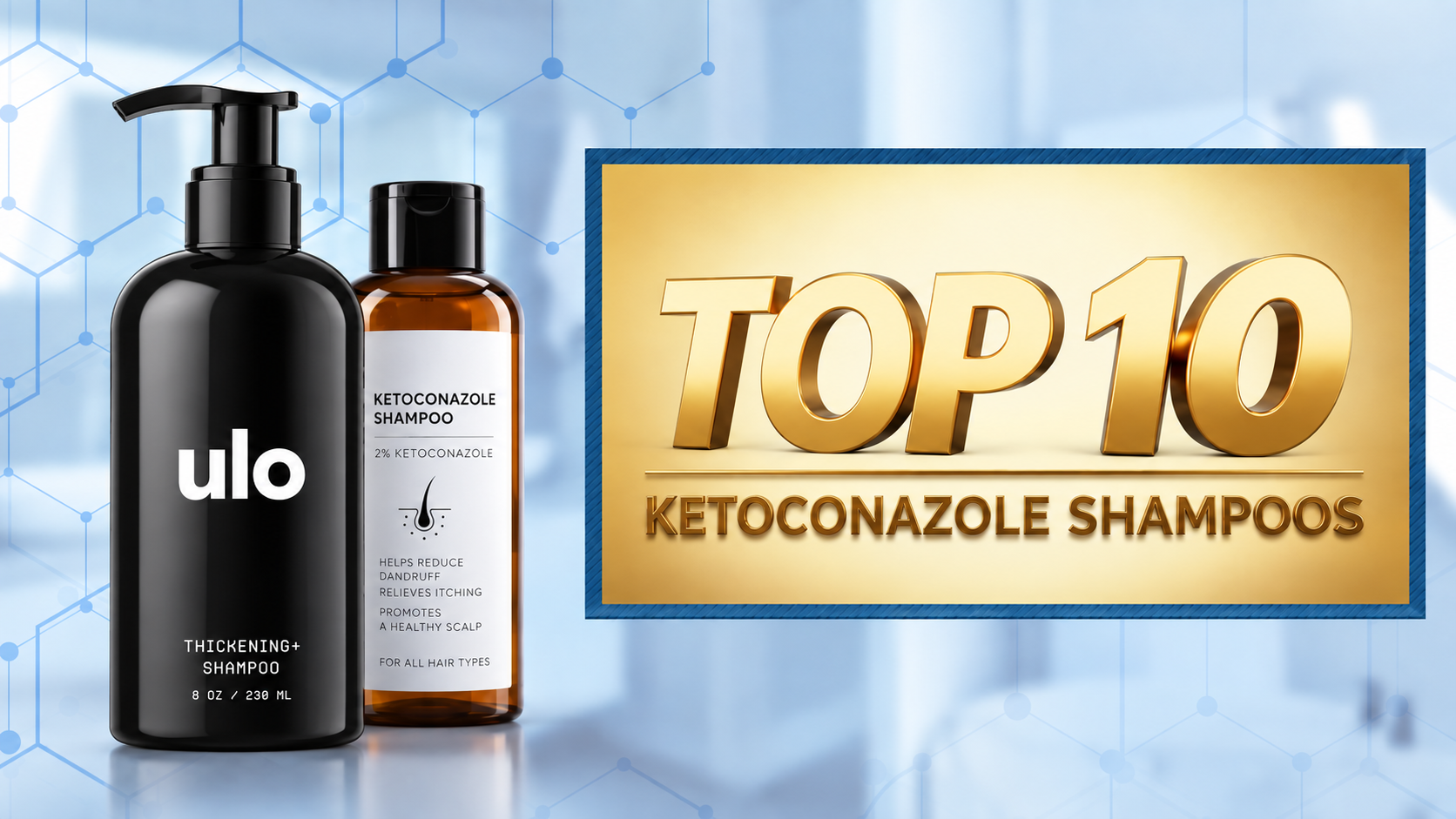
Want help with your hair regrowth journey?
Get personalized support, product recommendations, video calls, and more from our researchers, trichologists, and PhD's dedicated to getting you the best possible outcomes.
Learn MoreArticle Summary
With so many ketoconazole shampoos available, it can be difficult to know which products are actually worth using for dandruff, scalp inflammation, or thinning hair. This evidence-based guide ranks the 10 best ketoconazole shampoos of 2026, including over-the-counter and prescription options, based on ketoconazole strength, formulation, tolerability, accessibility, and overall value. Discover which formulas are best for dry or thinning hair, when a higher-strength 2% shampoo may be beneficial, and how ketoconazole can fit into a broader hair-loss treatment plan.
Full Article
Ketoconazole shampoo has long been used for dandruff and seborrheic dermatitis, two common scalp conditions associated with flaking, itching, redness, and changes in the scalp microbiome. More recently, ketoconazole has gained attention among people with androgenetic alopecia (AGA). Human studies have reported reductions in shedding and improvements in hair-shaft diameter and anagen hair percentage, although the evidence for hair growth is still far smaller than that for established treatments like minoxidil and finasteride.{{Fields JR, Vonu PM, Monir RL, Schoch JJ. Topical ketoconazole for the treatment of androgenetic alopecia: a systematic review. Dermatol Ther. 2020;33(1):e13202. https://doi.org/10.1111/dth.13202}}
Ketoconazole shampoos typically come in 1% and 2% concentrations, with 2% only available as a prescription. Shampoo formulations can also vary significantly in surfactant content, fragrance, and overall tolerability. For people with thinning, dry, chemically treated, or easily damaged hair, those differences are as important as strength. In this guide, we compare the 10 best ketoconazole shampoos of 2026 across OTC, prescription, telehealth, and online pharmacy options to help you choose formulas that balance efficacy, tolerability, and convenience.
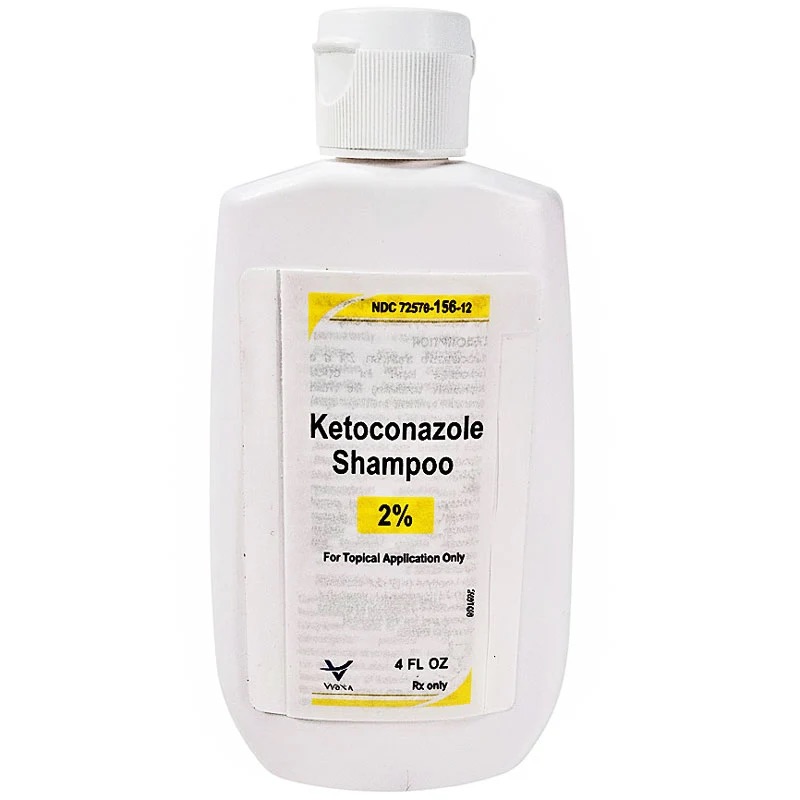
Ketoconazole Shampoo
The top natural ingredients for hair growth.
Take the next step in your hair growth journey with a world-class ketoconazole shampoo. Ingredients, doses, & concentrations built by science.
Quick Look: Top 10 Ketoconazole Shampoos for 2026
Ulo Thickening+ Ketoconazole Shampoo 0.9% Online / Provider-guided Overall Nizoral 2-in-1 Shampoo + Conditioner 1% OTC Conditioning Nizoral Anti-Dandruff Shampoo 1% OTC OTC Keeps Ketoconazole Shampoo 2% Prescription / Telehealth Men’s hair loss telehealth Generic Ketoconazole Shampoo 2% Prescription / Pharmacy Value prescription Strut Health Ketoconazole Shampoo 2% Prescription / Telehealth Men’s & women’s hair loss telehealth EasyDerm Ketoconazole Shampoo 2% Prescription / Teledermatology Budget option TelyRx Ketoconazole Shampoo 2% Prescription / Telehealth Fast online access AlgoRx Ketoconazole Shampoo 2% Prescription / Telehealth Alternative telehealth RedBox Rx Ketoconazole Shampoo 2% Prescription / Telehealth Low-cost telehealth Before we get into our list, let’s take a look at what ketoconazole is, how it works, and why it has become increasingly popular among people with hair loss.
What Is Ketoconazole Shampoo?
Ketoconazole is an antifungal medication used to treat fungal and yeast-associated skin conditions. On the scalp, it’s used primarily for dandruff and seborrheic dermatitis, both of which are strongly associated with Malassezia yeasts. Malassezia normally lives on the scalp, but changes in yeast populations, sebum composition, barrier function, and inflammatory signaling can contribute to symptoms. Ketoconazole works by interfering with ergosterol synthesis, an important component of fungal cell membranes, which helps reduce Malassezia populations.
The anti-dandruff effects of ketoconazole are well established. In one multicenter study of patients with seborrheic dermatitis or moderate to severe dandruff, 2% ketoconazole shampoo used twice weekly for two to four weeks produced an excellent response in a large majority of participants. {{Peter RU, Richarz-Barthauer U. Successful treatment and prophylaxis of scalp seborrhoeic dermatitis and dandruff with 2% ketoconazole shampoo: results of a multicentre, double-blind, placebo-controlled trial. Br J Dermatol. 1995;132(3):441-445. https://doi.org/10.1111/j.1365-2133.1995.tb08680.x}} Another randomized study compared 2% ketoconazole with 1% zinc pyrithione in 331 people with severe dandruff or seborrheic dermatitis. Both worked, although ketoconazole produced a greater reduction in total dandruff severity after four weeks.{{Piérard-Franchimont C, Goffin V, Decroix J, Piérard GE. A multicenter randomized trial of ketoconazole 2% and zinc pyrithione 1% shampoos in severe dandruff and seborrheic dermatitis. Skin Pharmacol Physiol. 2002;15(6):434-441. https://doi.org/10.1159/000066452}} Thus, for dandruff and seborrheic dermatitis, ketoconazole has a strong body of evidence to support its use.
What Evidence Is There for Ketoconazole in Hair Loss?
There is less evidence for ketoconazole as a hair-loss treatment than for its efficacy in dandruff treatment. Nevertheless, a few human studies have reported improvements in hair shedding, hair-shaft diameter, and the proportion of hairs in anagen, particularly in men with androgenetic alopecia and dandruff.
Study One
One of the longest studies followed 39 men with AGA for 21 months. Twenty-seven used 2% ketoconazole shampoo two to four times weekly, while 12 used an unmedicated shampoo. Researchers also followed 22 age-matched men without AGA, split between ketoconazole and unmedicated shampoo, to see whether any change was specific to people with pattern hair loss.
Based on the study, the researchers created an AGA pilary index, which combined the number of hairs in anagen with average hair-shaft diameter. Because both measures tend to deteriorate as AGA progresses, a rising index would suggest an improvement in the overall condition.
Results
Among men without AGA, shampoo choice made little difference to the pilary index. Among men with AGA, however, the treatment appeared to have a beneficial effect. The unmedicated-shampoo group showed a gradual decline, while the ketoconazole group began to improve after roughly six months, plateauing around month 15.{{Piérard-Franchimont C, De Doncker P, Cauwenbergh G, Piérard GE. Ketoconazole shampoo: effect of long-term use in androgenic alopecia. Dermatology. 1998;196(4):474-477. https://doi.org/10.1159/000017954}}
Study Two
A second study looked at 150 men with telogen effluvium related to AGA and associated dandruff. Participants were randomized to use one of three anti-dandruff shampoos — 1% ketoconazole, 1% piroctone olamine, or 1% zinc pyrithione — two to three times weekly for six months.
Researchers tracked hair shedding, hair density, anagen percentage, hair-shaft diameter, and sebum output as their parameters for treatment efficacy (or lack thereof).
Results
All three shampoos rapidly improved itching and dandruff, but none produced a meaningful change in hair density. The more notable changes were in shedding, anagen percentage, and hair-shaft diameter.
Hair shedding fell by 17.3% with ketoconazole, 16.5% with piroctone olamine, and 10.1% with zinc pyrithione. Anagen percentage increased by 4.9%, 7.9%, and 6.8%, respectively. Mean hair-shaft diameter increased by 5.4% with ketoconazole and 7.7% with piroctone olamine, while it decreased by 2.2% with zinc pyrithione. Sebum output fell by 4.8% with ketoconazole and 2.9% with piroctone olamine, but increased by 5.5% with zinc pyrithione.
In this study, 1% ketoconazole had no measurable effect on total hair density, but it did reduce shedding, increase the proportion of hairs in anagen, and increase average shaft diameter. For someone with dandruff plus shedding, those are potentially useful effects even without a significant increase in hair count.{{Piérard-Franchimont C, Goffin V, Henry F, Uhoda I, Braham C, Piérard GE. Nudging hair shedding by antidandruff shampoos: a comparison of 1% ketoconazole, 1% piroctone olamine and 1% zinc pyrithione formulations. Int J Cosmet Sci. 2002;24(5):249-256. https://doi.org/10.1046/j.1467-2494.2002.00145.x}}
Other Studies
Ketoconazole has also been tested as a component of combination regimens. In one open randomized study of 100 men with AGA, the best results were seen with finasteride plus minoxidil, followed by finasteride plus ketoconazole, finasteride alone, and minoxidil alone. {{Khandpur S, Suman M, Reddy BS. Comparative efficacy of various treatment regimens for androgenetic alopecia in men. J Dermatol. 2002;29(8):489-498. https://doi.org/10.1111/j.1346-8138.2002.tb00314.x}}
A separate 15-man pilot study used a much more aggressive multidrug regimen that could include ketoconazole shampoo alongside finasteride, dutasteride, and minoxidil. All participants showed hair growth, but because several treatments were used at the same time, it is impossible to determine how much ketoconazole contributed individually.{{Rafi AW, Katz RM. Pilot study of 15 patients receiving a new treatment regimen for androgenic alopecia: the effects of atopy on AGA. ISRN Dermatology. 2011:241953. https://doi.org/10.5402/2011/241953}}
Altogether, the evidence from human studies suggests that ketoconazole may improve certain hair-loss-related outcomes, particularly shedding, anagen percentage, and hair-shaft diameter. The evidence is still much weaker than for minoxidil, finasteride, or dutasteride, making it a reasonable adjunct but not a standalone therapy.
1% versus 2% Ketoconazole Shampoo
In the United States, ketoconazole shampoos are available over the counter but are limited to 1% or less ketoconazole. Shampoos containing 2% ketoconazole are available by prescription. Based on the available evidence, both 1% and 2% help to control dandruff, seborrheic dermatitis, and other inflammatory scalp conditions. The Rx-strength 2%, however, outperforms the 1% concentration for supporting scalp health and may also have an advantage for hair density.
The overall formulation of the shampoo also matters. Ketoconazole must be tolerable enough for consistent use, particularly for people already using topical hair-loss treatments that can cause dryness or irritation. While 1% ketoconazole formulations generally have more ingredient flexibility due to their over-the-counter status, prescription formulas generally contain the same generic ingredients across the board.
With that in mind, let’s take a look at our top 10 ketoconazole shampoos of 2026.
Best Ketoconazole Shampoos
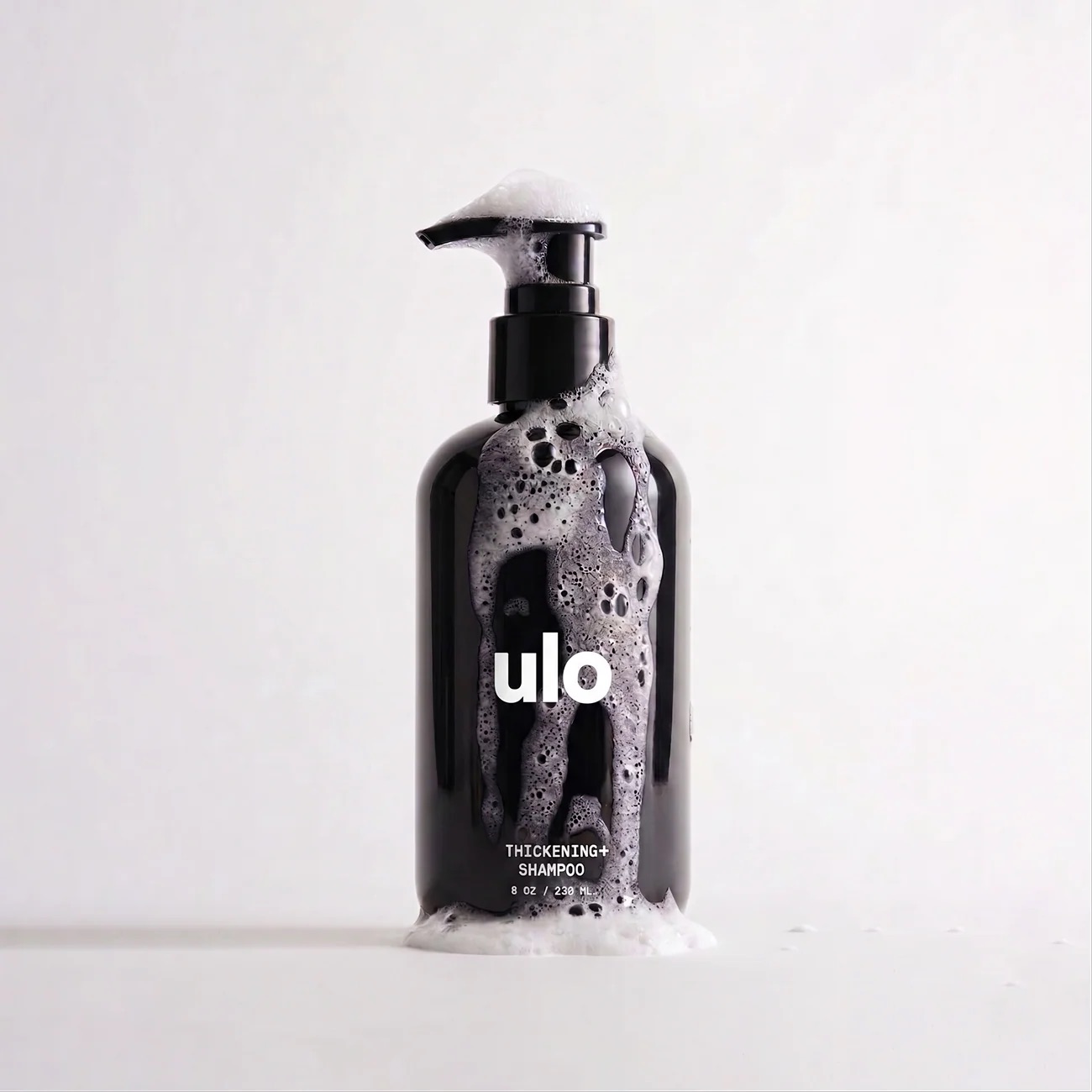
#1 Best Overall: Ulo Thickening+ Ketoconazole Shampoo
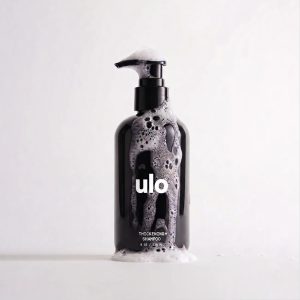
✓ Contains 0.9% ketoconazole ✗ Lower ketoconazole concentration than prescription 2% shampoos ✓ Sulfate-free ✗ Less widely available than traditional OTC shampoos ✓ Formulated to be non-drying ✓ Designed specifically for thinning hair ✓ The only ketoconazole shampoo with caffeine ✓ Integrated with a hair loss treatment platform Ulo’s Thickening+ Ketoconazole Shampoo is our go-to option for people who want to add ketoconazole to a broader hair-loss routine. It contains 0.9% ketoconazole in a sulfate-free base designed to be non-drying, which sets it apart from many traditional medicated shampoos that can leave the hair feeling dry, brittle, or difficult to manage.
Dryness itself does not accelerate androgenetic alopecia, but brittle or coarse hair can increase breakage that may affect the appearance of hair. For someone using ketoconazole several times per week, cosmetic tolerability is an important factor in treatment adherence.
Ulo also formulates the shampoo specifically for thinning hair, including additional supportive ingredients like caffeine, saw palmetto, and rosemary. The addition of these beneficial ingredients make it the most robust formulation on the list. At 0.9%, the ketoconazole concentration is slightly below the conventional 1% concentration, but it likely approximates the effect of 1% ketoconazole.
Ulo’s broad hair-loss telemedicine platform also provides additional treatments for hair loss, making it easy to access ketoconazole and other medications in one place.
Bottom Line: Ulo is our top overall option for people using ketoconazole as part of a longer-term hair-loss routine. Its gentle, sulfate-free formula approximates the 1% concentration seen in clinical studies for a shampoo that maximizes tolerability for long-term adherence. Ulo’s broader telemedicine platform makes it simple to access hair-loss medications alongside ketoconazole shampoo.
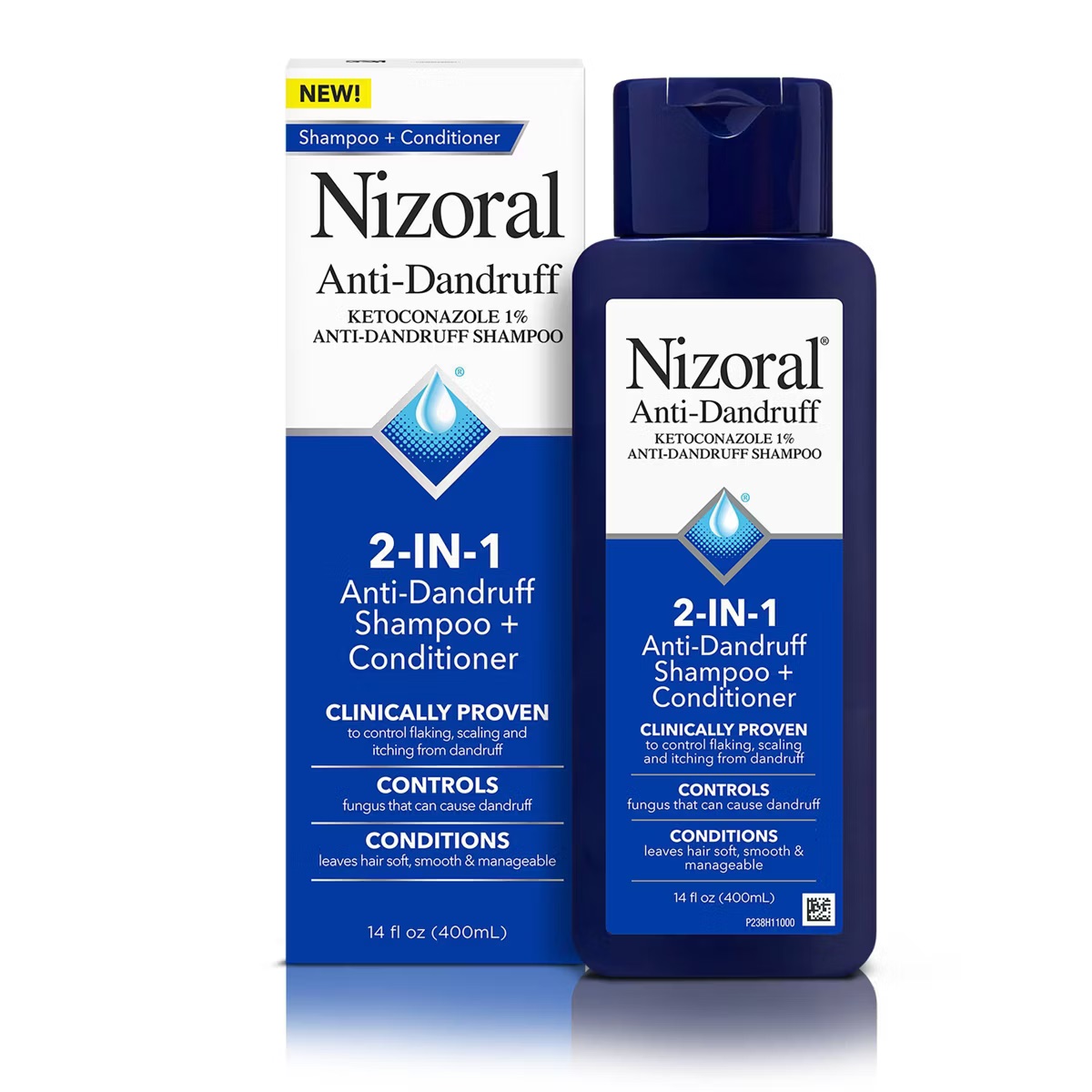
#2 Nizoral 2-in-1 Shampoo + Conditioner
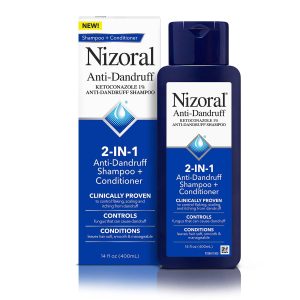
✓ Contains 1% ketoconazole ✗ May still be drying compared with a dedicated conditioner ✓ Available without a prescription ✗ Contains sulfates ✓ More conditioning than standard Nizoral ✓ Designed to leave hair softer and more manageable Nizoral 2-in-1 combines 1% ketoconazole with a more conditioning shampoo base, making it our preferred OTC option for people who like ketoconazole but dislike the way traditional medicated shampoos leave their hair feeling. It is intended for twice-weekly use and is marketed for color-treated, chemically processed, and gray hair.
However, the formula still contains sulfates and may still be relatively drying. Online reviews are mixed when it comes to post-wash dryness.{{Walmart customer reviews. https://www.walmart.com/reviews/product/5761431665}}
Importantly, a 2-in-1 formula will not replace a dedicated conditioner for everyone, particularly if the mid-lengths and ends are already very dry or damaged.
Bottom Line: If standard ketoconazole works for your scalp but leaves your hair feeling too dry, Nizoral 2-in-1 offers the same 1% ketoconazole concentration in a more conditioning format. However, the formula does contain sulfates, and overall customer experiences with post-shower hair feel are mixed.
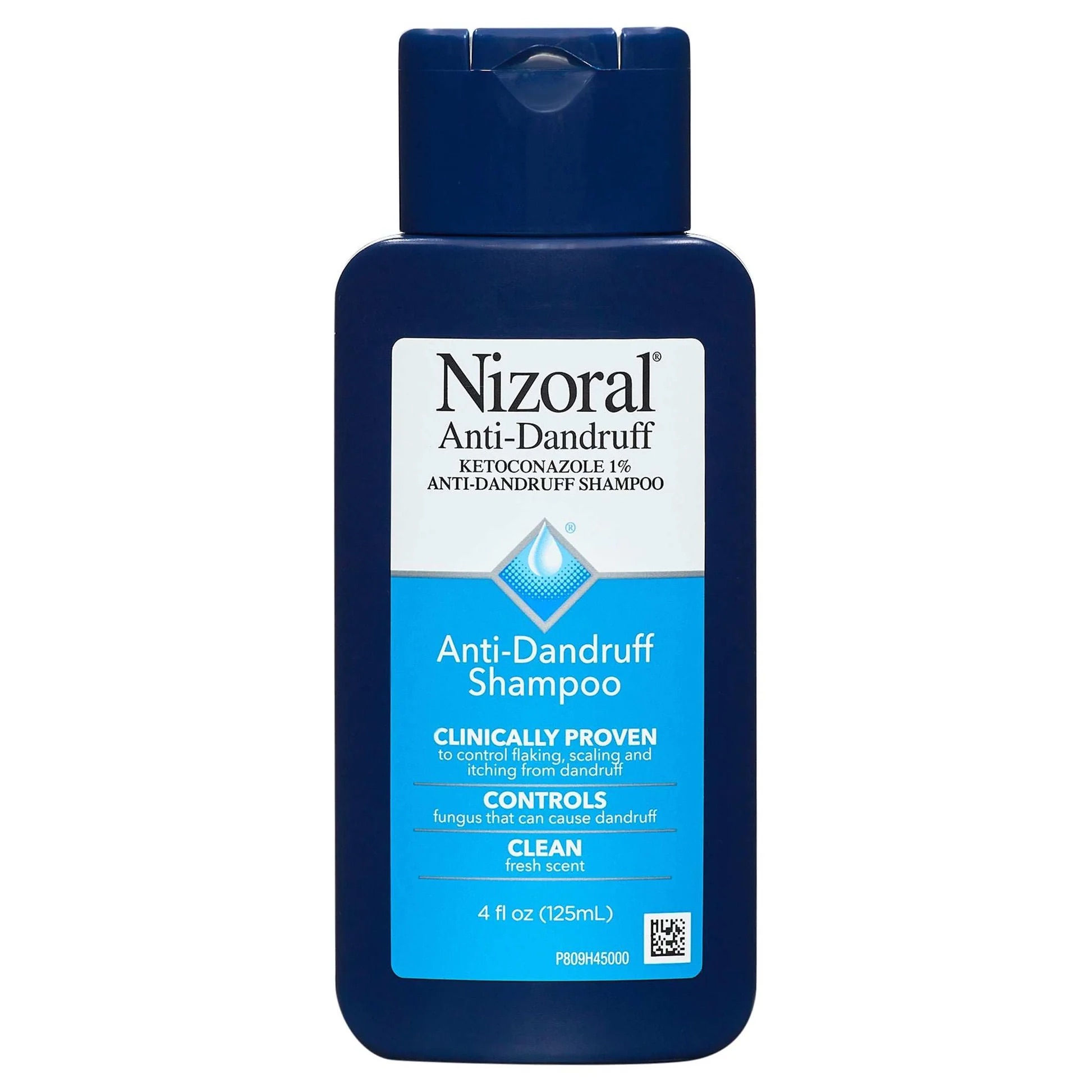
#3 Nizoral Anti-Dandruff Shampoo
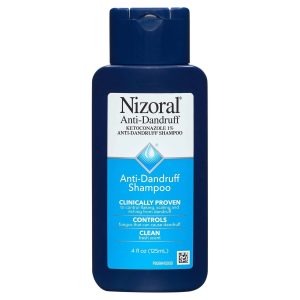
✓ 1% ketoconazole available without a prescription ✗ May be drying for some hair types ✓ Strong clinical evidence for dandruff ✗ Contains drying sulfates ✓ Widely available in the U.S. Nizoral Anti-Dandruff Shampoo is one of the most established ketoconazole shampoos available in the United States. It contains 1% ketoconazole and can be purchased without a prescription, making it a straightforward option for people who want to treat dandruff without going through a provider.
The main drawback of Nizoral is tolerability. Nizoral contains sulfates as its main surfactants, which can be drying to the hair and scalp. This may be an obstacle to long-term use.
Bottom Line: Nizoral Anti-Dandruff Shampoo remains one of the easiest ways to try clinically established 1% ketoconazole without a prescription, although dry or easily damaged hair may do better with a more conditioning formula.
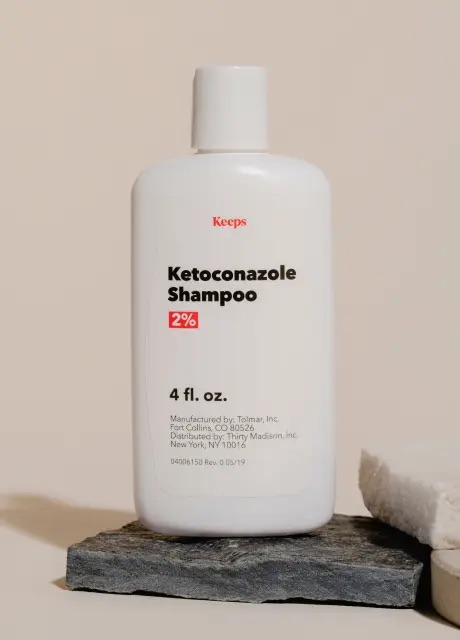
#4 Keeps Ketoconazole Shampoo
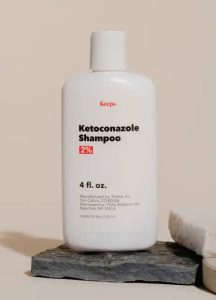
✓ Prescription-strength 2% ketoconazole ✗ Requires a prescription ✓ Integrated telehealth platform ✗ Only available for men ✓ Accessible pricing ✓ Delivered directly to the patient Keeps offers prescription 2% ketoconazole shampoo through its telehealth hair-loss platform. It is intended for people who want a higher-strength option, particularly when over-the-counter treatment has not been sufficient or a protocol targeted toward hair density is desired. At $11 per month, it’s one of the more accessibly priced ketoconazole shampoos.
Keeps also makes sense for people who already use the platform for another hair-loss treatment. The convenience is the main selling point: Eligible users can complete the medical consultation online and have the prescription handled through the same platform.
However, Keeps does not provide its telehealth services to women. Women looking to use Rx-strength ketoconazole shampoo will need to look elsewhere.
Bottom Line: Keeps is a strong option for people who want 2% ketoconazole inside an existing telehealth hair-loss regimen, especially when OTC treatment has not been enough or a higher concentration is preferred for individual goals. However, Keeps is only available for men.
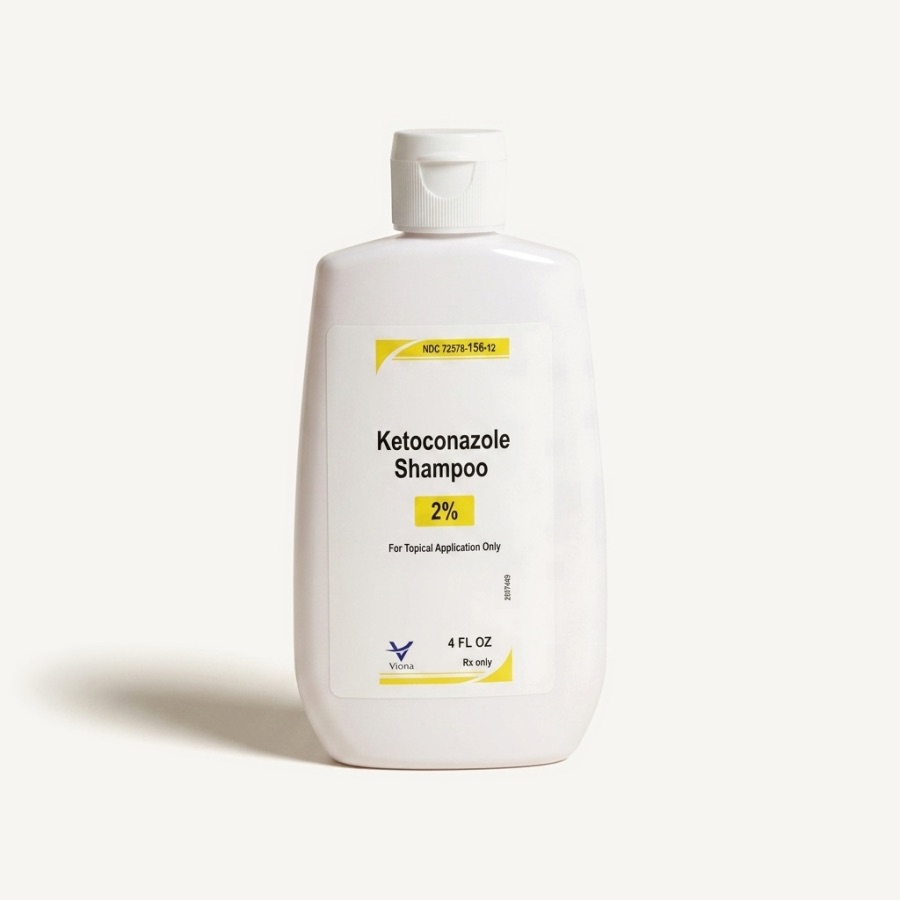
#5 Generic Ketoconazole Shampoo
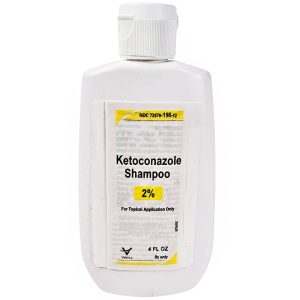
✓ Prescription-strength 2% ketoconazole ✗ Requires a prescription in the U.S. ✓ Insurance may cover treatment and pharmacies may offer specific discount pricing ✗ Traditional formulations may be drying ✓ Easy to access for those already seeing a physician ✗ Less convenient if you don’t have access to a physician Generic 2% ketoconazole is the simplest prescription option for people who already have access to a healthcare provider or health insurance. Pharmacies may have specific discount pricing or insurance may cover the cost of treatment, making it one of the most accessible options for specific individuals.
Like others, the generic shampoo formulations likely contain sulfates that could be drying with consistent use. Appointment wait times and physician access may also be an impediment to medication access, compared to telehealth, which typically rolls prescription and pharmacy fulfillment into one convenient service.
Bottom Line: If you already have prescription access and simply want 2% ketoconazole without added treatment features, generic ketoconazole is the best option on this list.
#6 Strut Health Ketoconazole Shampoo
✓ Prescription-strength 2% ketoconazole ✗ Requires online medical review ✓ Available for both men and women ✗ No major formulation advantage over standard 2% ketoconazole shampoo ✓ Starts at $25 for 120 mL ✓ Can be paired with other hair loss treatments through their telehealth platform Strut offers 2% ketoconazole through its telehealth platform for both men and women, which makes it one of the more flexible telehealth options on this list. A 120 mL bottle currently starts at $25, and the online process includes physician review, direct shipping, and access to other prescription hair-loss treatments through the same platform. Like other shampoos in the list, it likely contains sulfates that may contribute to hair dryness.
Bottom Line: Strut is a strong 2% option for men and women who want prescription ketoconazole integrated into a broader telehealth hair-loss routine.
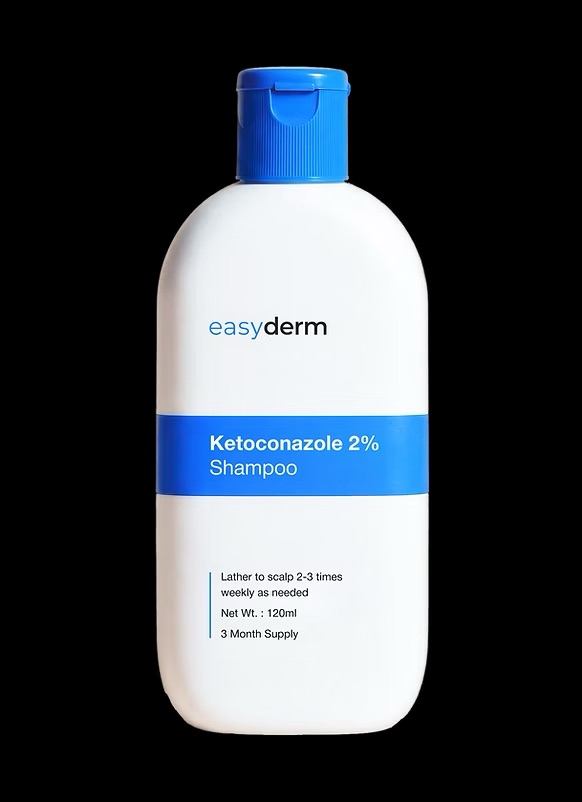
#7 EasyDerm Ketoconazole Shampoo
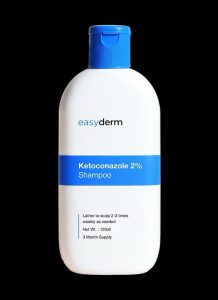
✓ Prescription-strength 2% ketoconazole ✗ Narrower hair-loss treatment platform ✓ $15/month listed price ✗ Generic formula may be drying ✓ Dermatologist-reviewed treatment ✓ 120 mL listed as a three-month supply EasyDerm is one of the most accessible ketoconazole shampoos. Its 2% ketoconazole shampoo is currently listed at $15 per month, and is available for both men and women. Treatment is reviewed by a licensed dermatologist and shipped directly to the patient.
For someone whose main goal is getting prescription-strength ketoconazole at a low advertised monthly price, EasyDerm has a clear advantage. However, compared to other telehealth platforms, the breadth of its hair-loss treatments is narrower and there is no formulation advantage over other shampoos.
Bottom Line: EasyDerm is our best budget teledermatology option for 2% ketoconazole, particularly for people who want a dermatologist review without paying the higher monthly cost of some hair-loss platforms.
#8 TelyRx Ketoconazole Shampoo
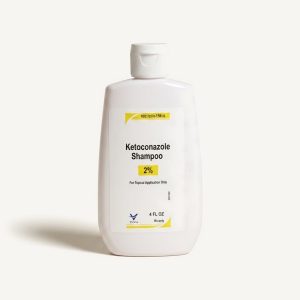
✓ 2% ketoconazole ✗ $22 provider review fee for new prescriptions ✓ No prior prescription needed to start ✗ Standard generic formulation rather than a hair-focused shampoo ✓ Licensed-provider review available online ✓ HSA/FSA eligible TelyRx is built around fast prescription access rather than a hair-loss program. It currently offers generic 2% ketoconazole shampoo at $38.99 for a 120 mL bottle. Patients who do not already have a prescription can complete an online health assessment and pay a one-time $22 provider review fee, while patients with an existing prescription can transfer it directly. But, unlike other telehealth platforms, a broad range of treatment options for hair loss is not available.
Bottom Line: TelyRx is a convenient option for fast online access to generic 2% ketoconazole, especially for people who want to avoid scheduling a traditional office visit.
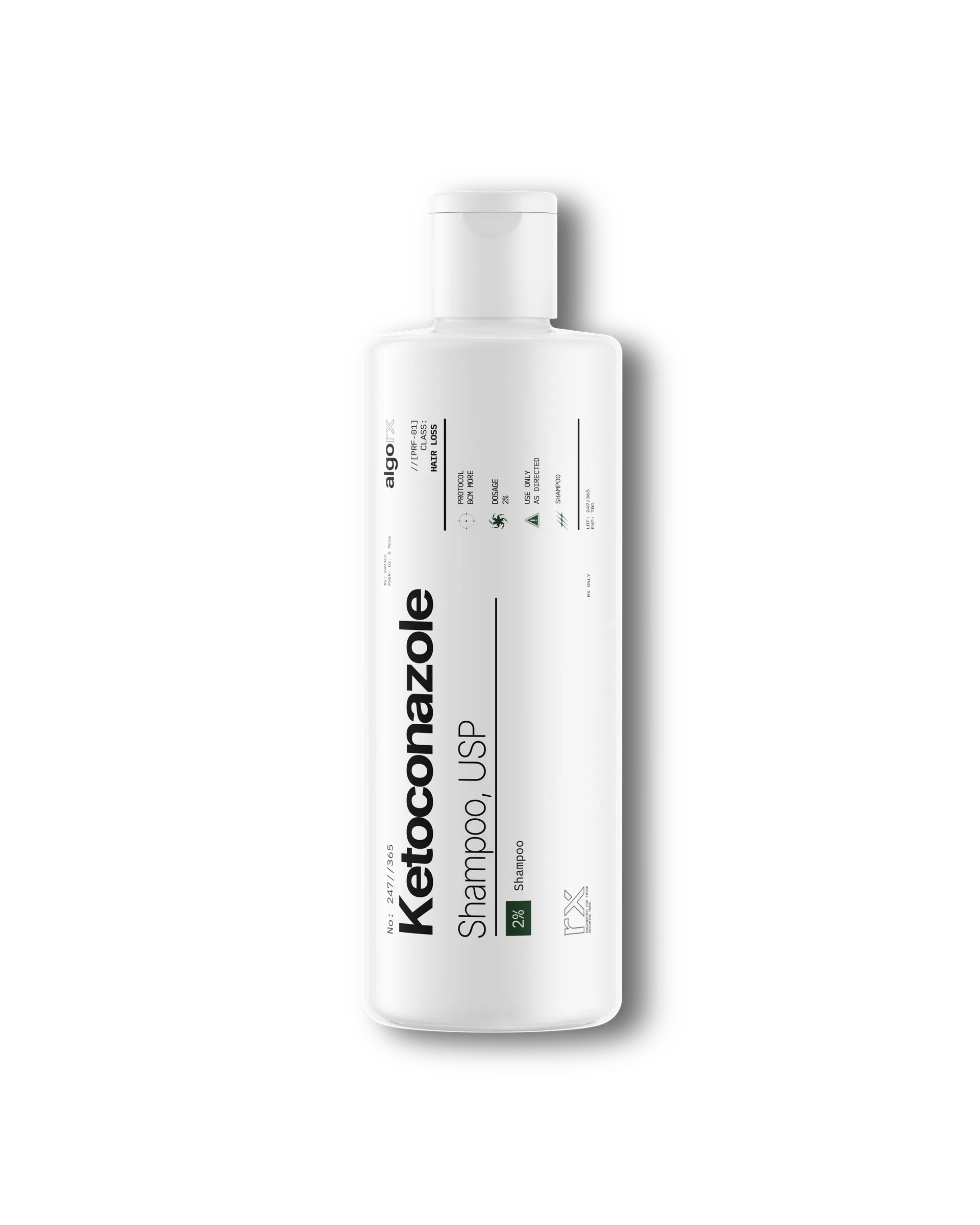
#9 AlgoRx Ketoconazole Shampoo
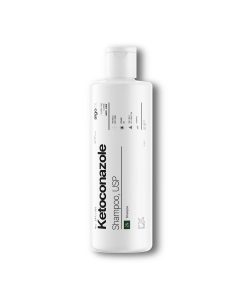
✓ Prescription-strength 2% ketoconazole ✗ Higher total cost once review and shipping are included ✓ Fully online clinical review ✗ Generic formula likely contains sulfates ✓ Integrated with a broader hair-loss and general-health telemedicine platform ✓ HSA/FSA eligible AlgoRx offers 2% ketoconazole through a fully online prescription process and positions the shampoo within its broader telehealth platform. The product is available as a 120 mL bottle, with a one-time purchase currently listed at $45 and subscription medication pricing listed at $39.60 before provider review ($15) and shipping charges ($15), making it one of the more expensive options on this list. The main benefit is convenience for people who already use AlgoRx or want ketoconazole alongside other hair-loss treatments or treatments for other aspects of health.
Bottom Line: AlgoRx is a reasonable 2% telehealth option for people who value an integrated hair-loss and general-health telemedicine platform, but the shampoo itself remains a generic formulation with no distinct advantages over other options.
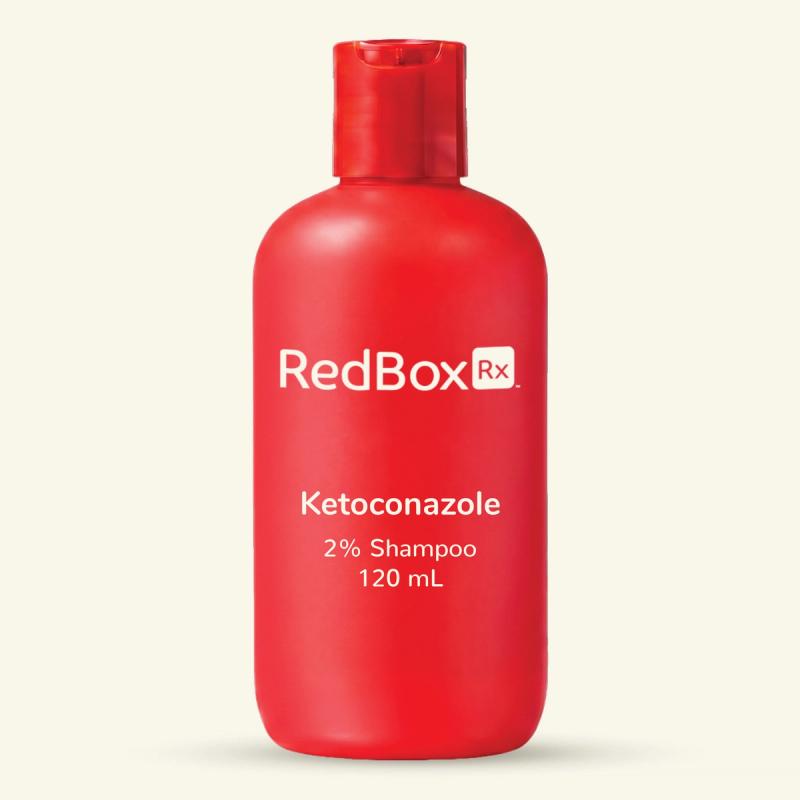
#10 RedBox Rx Ketoconazole Shampoo
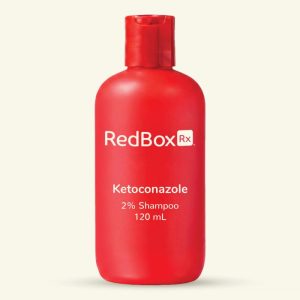
✓ Prescription-strength 2% ketoconazole ✗ $25 consultation fee ✓ $20/month medication-equivalent pricing ✗ Focused on dandruff rather than broader hair-loss treatment ✓ Online doctor consultation ✓ Free shipping and HSA/FSA eligibility RedBox Rx offers 2% ketoconazole through an online consultation, with transparent pricing and direct-to-home delivery. Its price at the time of writing is $60 for two 120 mL bottles. However, there is also a one-time $25 fee for an online doctor consultation, bringing the total to $85. Compared to other options, it’s a higher-cost option with no distinct formulation differentiation. Moreover, the breadth of hair-loss treatments offered on the telehealth platform is more limited than other telehealth platforms.
Bottom Line: RedBox Rx is a pricier route to prescription 2% ketoconazole with online medical review, and it offers fewer hair-loss-specific features than the platforms ranked above it, with minimal differentiation for formulation.
How Often Should You Use Ketoconazole Shampoo?
Ketoconazole shampoos do not need to be used every day. In fact, with sulfate-containing formulations, daily use could cause excessive dryness of the hair or scalp. Most clinical studies have employed frequencies of two to three times per week. In the 176-person study of 1% ketoconazole, participants applied the shampoo twice weekly for four weeks.{{Go IH, Wientjens DP, Koster M. A double-blind trial of 1% ketoconazole shampoo versus placebo in the treatment of dandruff. Mycoses. 1992;35(3-4):103-105. https://doi.org/10.1111/j.1439-0507.1992.tb00828.x}} The larger 2% study involving 575 participants also used ketoconazole twice weekly for two to four weeks. Responders could then move to less-frequent maintenance, with once-weekly treatment reducing relapse compared with placebo.{{Peter RU, Richarz-Barthauer U. Successful treatment and prophylaxis of scalp seborrhoeic dermatitis and dandruff with 2% ketoconazole shampoo: results of a multicentre, double-blind, placebo-controlled trial. Br J Dermatol. 1995;132(3):441-445. https://doi.org/10.1111/j.1365-2133.1995.tb08680.x}}
Directions also vary by product and company. TelyRx advises users to leave its ketoconazole shampoo on for about five minutes before rinsing, and Keeps similarly recommends approximately five minutes of contact time.{{TelyRx. Ketoconazole Shampoo, 2%. https://telyrx.com/ketoconazole-shampoo. Accessed September 2026.)}}{{Keeps. Ketoconazole Shampoo 2%. https://www.keeps.com. Accessed September 2026.)}}
Many shampoo formulations preclude more consistent use due to the drying effects of sulfates. However, gentler formulas like Ulo’s Thickening+ Ketoconazole Shampoo can be used as often as daily without the drying effects of sulfates. That said, whether daily use provides a significant advantage over two to three times weekly has yet to be proven.
Why Formulation Matters
Ketoconazole concentration is one important factor in treatment, but overall formulation also plays a role. Surfactant content (and the type of surfactants used) determines how aggressively a shampoo removes oil and debris, conditioning agents affect how the hair feels afterward, and fragrances, preservatives, and other ingredients can all influence tolerability.
This is relevant because dryness is one of the most common complaints with traditional medicated shampoos. A 2026 randomized comparison of selenium disulfide with 2% ketoconazole specifically noted that anti-dandruff shampoos can leave hair dry and difficult to manage, which may affect adherence.{{Farris PK, Barbosa V, Houshmand EB, Kovylkina N. Beyond efficacy: 0.6% selenium disulfide shampoo matches 2% ketoconazole for seborrheic dermatitis with superior cosmesis. J Drugs Dermatol. 2026;25(4):338. https://jddonline.com/articles/beyond-efficacy-06-selenium-disulfide-shampoo-matches-2-ketoconazole-seborrheic-dermatitis-with-superior-cosmesis-S1545961626P9746X/}}
For people with androgenetic alopecia, this is more than a minor cosmetic detail. Dry, brittle, or frizzy hair can make existing thinning look worse even when existing density has not changed. Brittle hair can also contribute to breakage from styling, which may affect hair appearance and fullness, especially in individuals with longer hair.
How Safe Is Ketoconazole Shampoo?
Topical ketoconazole is generally well tolerated. A systematic review of 40 studies involving 4,566 participants found topical ketoconazole to be clinically effective for Malassezia-associated skin conditions and generally safe, although allergic contact dermatitis can occur.{{Choi FD, Juhasz MLW, Atanaskova Mesinkovska N. Topical ketoconazole: a systematic review of current dermatological applications and future developments. J Dermatol Treat. 2019;30(8):760-771. https://doi.org/10.1080/09546634.2019.1573309}}
Potential local side effects include the following:
- Dryness
- Scalp irritation
- Itching
- Burning or stinging
- Changes in hair texture
- Contact dermatitis
Prescription ketoconazole labeling also lists dry skin, skin irritation, and changes in hair texture among possible adverse effects.{{Keeps. Ketoconazole Shampoo 2%. https://www.keeps.com. Accessed September 2026.}} It should be noted that irritation is not necessarily caused by ketoconazole itself. Surfactants, fragrance, preservatives, and other ingredients can independently contribute to dryness or irritation. If ketoconazole shampoos cause irritation, it may be worth shopping around to find a formula that works for your hair before giving up on ketoconazole altogether.
Final Verdict
Ketoconazole is one of the better-supported medicated shampoo ingredients for dandruff, seborrheic dermatitis, and scalp inflammation. There is also some evidence suggesting that it may support hair growth in people with androgenetic alopecia, including reductions in shedding and improvements in hair-shaft diameter and percentage of anagen hairs. However, the evidence is still much smaller than what exists for more established treatments like minoxidil, finasteride, and dutasteride.
The best ketoconazole shampoo therefore depends on your goals and preferences. For more severe dandruff or seborrheic dermatitis, a 2% prescription formula may make the most sense. For milder dandruff, or for someone using ketoconazole alongside a long-term hair-loss routine, formulation and tolerability are of more importance, particularly if dryness makes consistent use difficult.
Ulo Thickening+ Ketoconazole Shampoo is our top pick because it combines 0.9% ketoconazole with a sulfate-free formula designed specifically for thinning hair. The sulfate-free formulation seeks to maximize tolerability and minimize obstacles to treatment adherence. Nizoral 2-in-1 and Nizoral Anti-Dandruff Shampoo are also notable OTC options, while Keeps, generic ketoconazole, Strut, EasyDerm, TelyRx, AlgoRx, and RedBox Rx all provide different routes to prescription-strength 2% ketoconazole.
Ultimately, ketoconazole is best utilized as a complementary treatment rather than a standalone solution for androgenetic alopecia. The evidence for its use is strongest for dandruff and seborrheic dermatitis, with the 2% concentration demonstrating a positive effect on hair density. However, its benefits, like all approaches to addressing hair loss, are dependent on consistency. A ketoconazole shampoo should therefore be selected based on your needs and preferences, including factors like tolerability or severity of existing scalp conditions. The good news is that there are now enough over-the-counter, prescription, and telehealth options that you should be able to find a solution that fits your scalp, hair type, treatment goals, and tolerance for long-term use.
Want help with your hair regrowth journey?
Get personalized support, product recommendations, video calls, and more from our researchers, trichologists, and PhD's dedicated to getting you the best possible outcomes.
Learn More
Perfect Hair Health Team
"... Can’t thank @Rob (PHH) and @sanderson17 enough for allowing me to understand a bit what was going on with me and why all these [things were] happening ... "

 — RDB, 35, New York, U.S.A.
"... There is a lot improvement that I am seeing and my scalp feel alive nowadays... Thanks everyone. "

 — Aayush, 20’s, Boston, MA
"... I can say that my hair volume/thickness is about 30% more than it was when I first started."

 — Douglas, 50’s, Montréal, Canada
Want help with your hair regrowth journey?
Get personalized support, product recommendations, video calls, and more from our researchers, trichologists, and PhD's dedicated to getting you the best possible outcomes.
Join Now - Mission Statement