- About
- Mission Statement
Education. Evidence. Regrowth.
- Education.
Prioritize knowledge. Make better choices.
- Evidence.
Sort good studies from the bad.
- Regrowth.
Get bigger hair gains.
Team MembersPhD's, resarchers, & consumer advocates.
- Rob English
Founder, researcher, & consumer advocate
- Research Team
Our team of PhD’s, researchers, & more
Editorial PolicyDiscover how we conduct our research.
ContactHave questions? Contact us.
Before-Afters- Transformation Photos
Our library of before-after photos.
- — Jenna, 31, U.S.A.
I have attached my before and afters of my progress since joining this group...
- — Tom, 30, U.K.
I’m convinced I’ve recovered to probably the hairline I had 3 years ago. Super stoked…
- — Rabih, 30’s, U.S.A.
My friends actually told me, “Your hairline improved. Your hair looks thicker...
- — RDB, 35, New York, U.S.A.
I also feel my hair has a different texture to it now…
- — Aayush, 20’s, Boston, MA
Firstly thank you for your work in this field. I am immensely grateful that...
- — Ben M., U.S.A
I just wanted to thank you for all your research, for introducing me to this method...
- — Raul, 50, Spain
To be honest I am having fun with all this and I still don’t know how much...
- — Lisa, 52, U.S.
I see a massive amount of regrowth that is all less than about 8 cm long...
Client Testimonials150+ member experiences.
 Scroll DownPopular Treatments
- Treatments
Popular treatments. But do they work?
- Finasteride
- Oral
- Topical
- Dutasteride
- Oral
- Topical
- Mesotherapy
- Minoxidil
- Oral
- Topical
- Ketoconazole
- Shampoo
- Topical
- Low-Level Laser Therapy
- Therapy
- Microneedling
- Therapy
- Platelet-Rich Plasma Therapy (PRP)
- Therapy
- Scalp Massages
- Therapy
 More
More
IngredientsTop-selling ingredients, quantified.
- Saw Palmetto
- Redensyl
- Melatonin
- Caffeine
- Biotin
- Rosemary Oil
- Lilac Stem Cells
- Hydrolyzed Wheat Protein
- Sodium Lauryl Sulfate
 More
More
ProductsThe truth about hair loss "best sellers".
- Minoxidil Tablets
Xyon Health
- Finasteride
Strut Health
- Hair Growth Supplements
Happy Head
- REVITA Tablets for Hair Growth Support
DS Laboratories
- FoliGROWTH Ultimate Hair Neutraceutical
Advanced Trichology
- Enhance Hair Density Serum
Fully Vital
- Topical Finasteride and Minoxidil
Xyon Health
- HairOmega Foaming Hair Growth Serum
DrFormulas
- Bio-Cleansing Shampoo
Revivogen MD
- more
Key MetricsStandardized rubrics to evaluate all treatments.
- Evidence Quality
Is this treatment well studied?
- Regrowth Potential
How much regrowth can you expect?
- Long-Term Viability
Is this treatment safe & sustainable?
Free Research- Free Resources
Apps, tools, guides, freebies, & more.
- Free CalculatorTopical Finasteride Calculator
- Free Interactive GuideInteractive Guide: What Causes Hair Loss?
- Free ResourceFree Guide: Standardized Scalp Massages
- Free Course7-Day Hair Loss Email Course
- Free DatabaseIngredients Database
- Free Interactive GuideInteractive Guide: Hair Loss Disorders
- Free DatabaseTreatment Guides
- Free Lab TestsProduct Lab Tests: Purity & Potency
- Free Video & Write-upEvidence Quality Masterclass
- Free Interactive GuideDermatology Appointment Guide
- More
Articles100+ free articles.
-
Natural vs. Pharmaceutical DHT Blockers: Ranked
-
Redensyl, Capixyl, & Procapil (RCP) For Natural Hair Regrowth? (Scientific Review)
-
9 Best Shampoos for Sensitive Scalp
-
12 Best Shampoos for Greasy Hair
-
Can Miniaturized Hair Follicles Recover, or Is There a Point of No Return?
-
Sublingual Minoxidil: More Hair Growth, Less Sides?
-
Happy Head Review: 5 Concerns With The Brand
-
Can a Blood DHT Test Tell You Whether You Have AGA?
PublicationsOur team’s peer-reviewed studies.
- Microneedling and Its Use in Hair Loss Disorders: A Systematic Review
- Use of Botulinum Toxin for Androgenic Alopecia: A Systematic Review
- Conflicting Reports Regarding the Histopathological Features of Androgenic Alopecia
- Self-Assessments of Standardized Scalp Massages for Androgenic Alopecia: Survey Results
- A Hypothetical Pathogenesis Model For Androgenic Alopecia:Clarifying The Dihydrotestosterone Paradox And Rate-Limiting Recovery Factors
Menu- AboutAbout
- Mission Statement
Education. Evidence. Regrowth.
- Team Members
PhD's, resarchers, & consumer advocates.
- Editorial Policy
Discover how we conduct our research.
- Contact
Have questions? Contact us.
- Before-Afters
Before-Afters- Transformation Photos
Our library of before-after photos.
- Client Testimonials
Read the experiences of members
Before-Afters/ Client Testimonials- Popular Treatments
-
ArticlesPumpkin Seed Oil for Hair Growth: Before and After Photos
First Published Oct 1 2026Last Updated Oct 3 2026IngredientsNatural Remedies Researched & Written By:Perfect Hair Health Team
 Reviewed By:Rob English, Medical Editor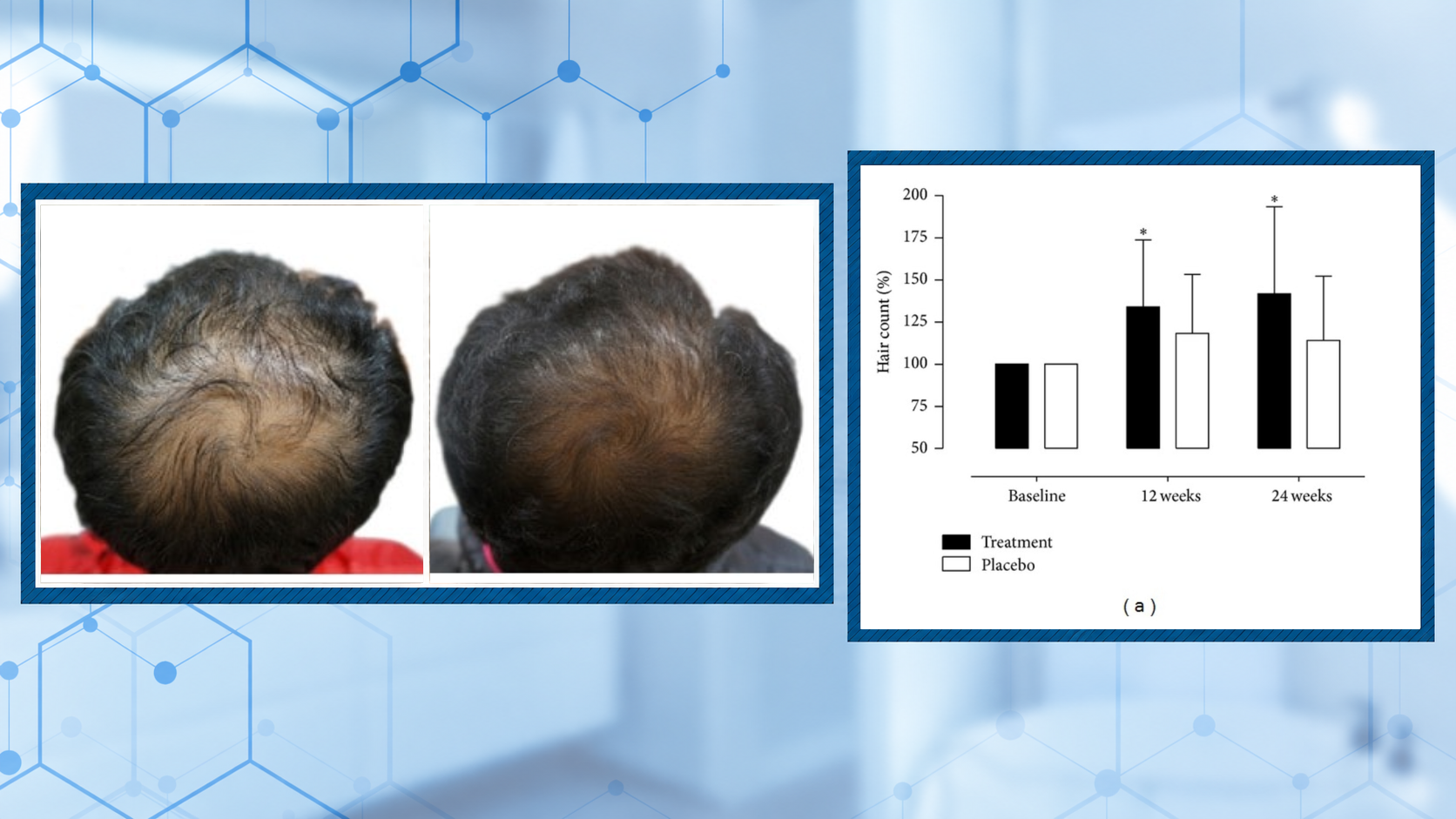
Want help with your hair regrowth journey?
Get personalized support, product recommendations, video calls, and more from our researchers, trichologists, and PhD's dedicated to getting you the best possible outcomes.
Learn MoreArticle Summary
Pumpkin seed oil is one of the most recommended natural options for pattern hair loss, largely popularized by a 2014 randomized trial in which men taking it saw a 40% increase in hair count. While this looks encouraging at face value, a closer look at the data tells a more complicated story. The supplement tested was not just pumpkin seed oil. It also contained a small amount of several other ingredients, muddying the waters when it comes to crediting the hair growth benefits. Even so, pumpkin seed oil is not inert: it shows real activity in prostate research, and its linoleic acid and beta-sitosterol have plausible links to hair biology. In this article, we unpack the 40% claim, walk through the two human studies published since, and lay out how far the evidence for pumpkin seed oil actually goes.
Full Article
Pumpkin seed oil has become one of the most recommended natural options for pattern hair loss. Search “pumpkin seed oil for hair growth”, and you’ll find the same claim parroted across supplement sites and hair blogs: a clinical trial showed it increased hair count by 40%.
There are real reasons for the hair loss community to be hopeful here:
- The trial was randomized, double-blind, and placebo-controlled (all of which are necessary components of a high-quality clinical trial)
- Pumpkin seed oil demonstrates biological activity in other research, including in the prostate, which is very relevant to hair loss research (more on this later)
- Its main compounds have plausible links to hair growth.
And at a 40% increase in 24 weeks, the study increased hair count by four times more than the hair count increases observed in this study on men using 1 mg of finasteride over 48 weeks. That’s 4x the hair count increase, in half the number of weeks!
But… there are also reasons for caution.
This article unpacks the hype around pumpkin seed oil, the study behind the 40% claims, and whether the data actually supports its use.
Hair Growth Supplement From our partners at UloAll Natural Pumpkin Seed Oil Growth Supplement
Ulo's Hair Growth Supplement combines nutrients linked to follicle health in one daily dose, built to pair with topical and oral treatments. Choose a multi-month plan and get up to 20% plus a free gift bundle.
Free full-size gifts with 3-month+ plans No prescription needed Daily natural supportPumpkin seed oil, saw palmetto, and more
Free gifts included with select multi-month plans while supplies last. Ulo is a partner of Perfect Hair Health; we may earn a commission on purchases. These statements have not been evaluated by the FDA. This product is not intended to diagnose, treat, cure, or prevent any disease.
What Is Pumpkin Seed Oil?
Pumpkin (Cucurbita pepo) is a cultivar of the squash plant and is native to North America. While most people in the US consume pumpkin seasonally during Winter, pumpkin seeds are often accessible in health stores year-round and considered a “healthy” snack.
Pumpkin seed oil is usually extracted by pressing roasted seeds of the Styrian pumpkin, a variety of pumpkin native to Austria. This thick oil is green or red in color and has a nutty taste, often used in salad dressings, desserts, or even cooking oils.
Only recently have researchers started studying the science behind pumpkin seed oil and how it may improve our health, heart, and hair.
Study #1: The Pumpkin Seed Oil Hair Loss Study
Let’s unpack the design of the 2014 study.
The design: the study’s investigators performed a randomized, placebo-controlled, double-blind study in which 76 male patients with mild to moderate pattern hair loss were divided into two treatment groups.
One group received a placebo, and the other group received 400mg of pumpkin seed oil daily. These two groups were followed for 24 weeks and the researchers evaluated during which the researchers examined four outcomes of scalp hair growth:
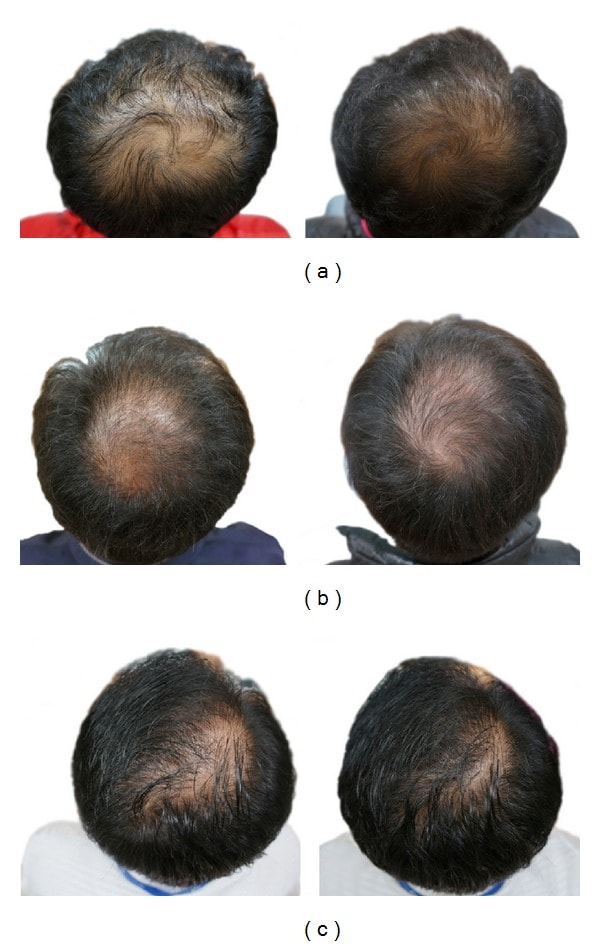
- Standardized clinical photographs of the scalp
- Patient self-assessment scores
- Scalp hair thickness
- Scalp hair counts
The results: a 40% increase in hair count for the pumpkin seed oil group versus only a 10% increase in hair count for the placebo.
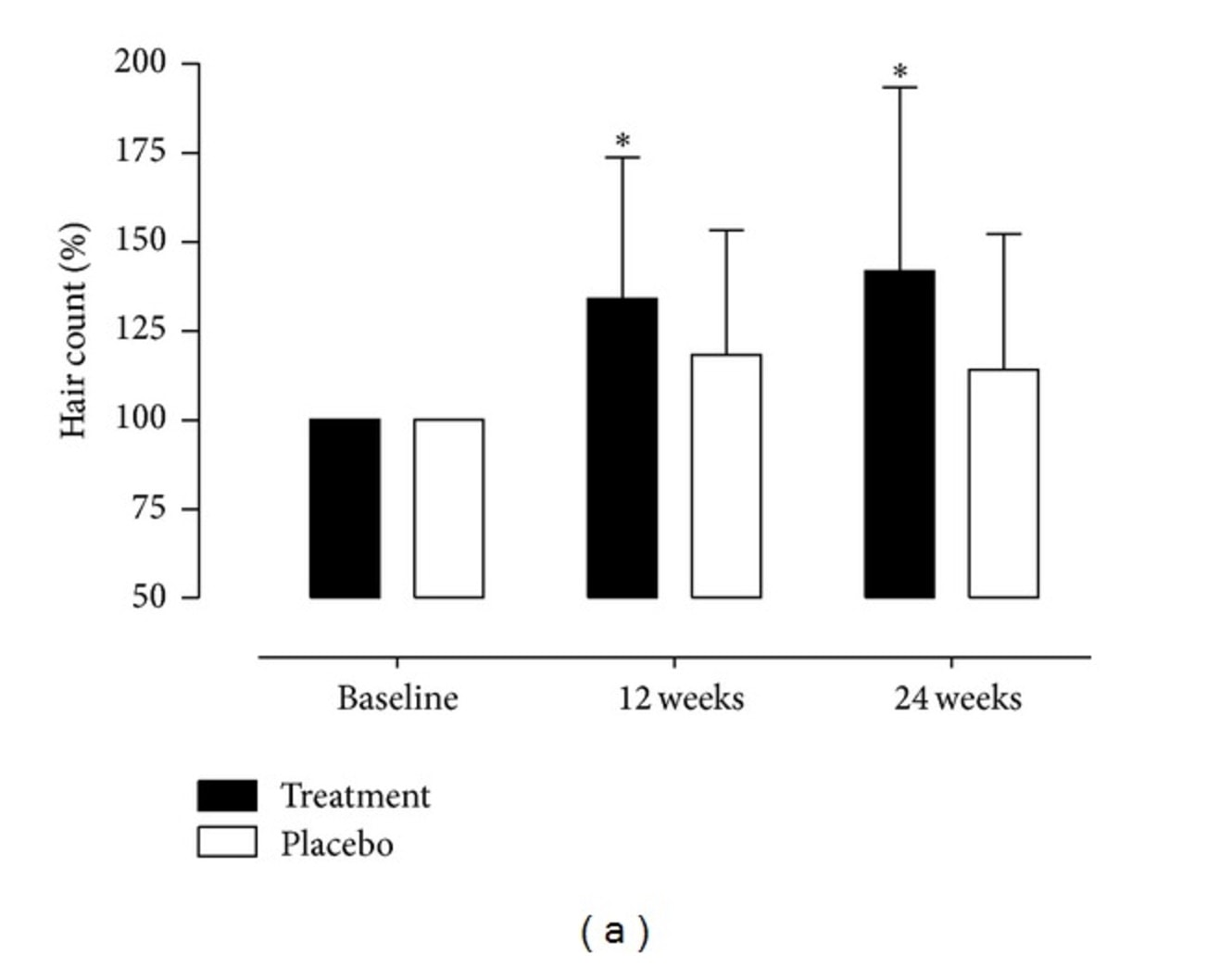
Even the photos show, at a minimum, signs of increased hair density.
The specific product used in this study was a branded product called Octa Sabal Plus. Pumpkin seed oil, at 400 mg, is the main ingredient. But the formulation also included a proprietary blend of:
- Octacosanols (from vegetable powder)
- Gamma linolenic acid (from evening primrose powder)
- Polyphenols (from red clover powder)
- Lycopene (from tomato powder)
- Corn silk extract
While these additions are likely a minor component of the formulation, they’re not inert, either. Red clover polyphenols, lycopene, and gamma linolenic acid have each been proposed to act on hair loss through their own pathways.
For instance, red clover polyphenols may help reduce excess estrogen (a hormone associated with early-onset baldness in men). Lycopene and gamma linolenic acid may decrease certain signaling proteins that increase arterial inflammation (inflammation that typically leads to arterial calcification and even hair loss).
Hair Growth Supplement From our partners at UloAll Natural Pumpkin Seed Oil Growth Supplement
Ulo's Hair Growth Supplement combines nutrients linked to follicle health in one daily dose, built to pair with topical and oral treatments. Choose a multi-month plan and get up to 20% plus a free gift bundle.
Free full-size gifts with 3-month+ plans No prescription needed
Daily natural supportPumpkin seed oil, saw palmetto, and moreFree gifts included with select multi-month plans while supplies last. Ulo is a partner of Perfect Hair Health; we may earn a commission on purchases. These statements have not been evaluated by the FDA. This product is not intended to diagnose, treat, cure, or prevent any disease.
More importantly, there’s something more shocking about the pumpkin seed oil hair loss study…
Hair Thickness Increased 350%… In The Placebo Group!
In 24 weeks, the pumpkin seed oil group saw hair thickness increase ~360%. And the placebo group? 350%.
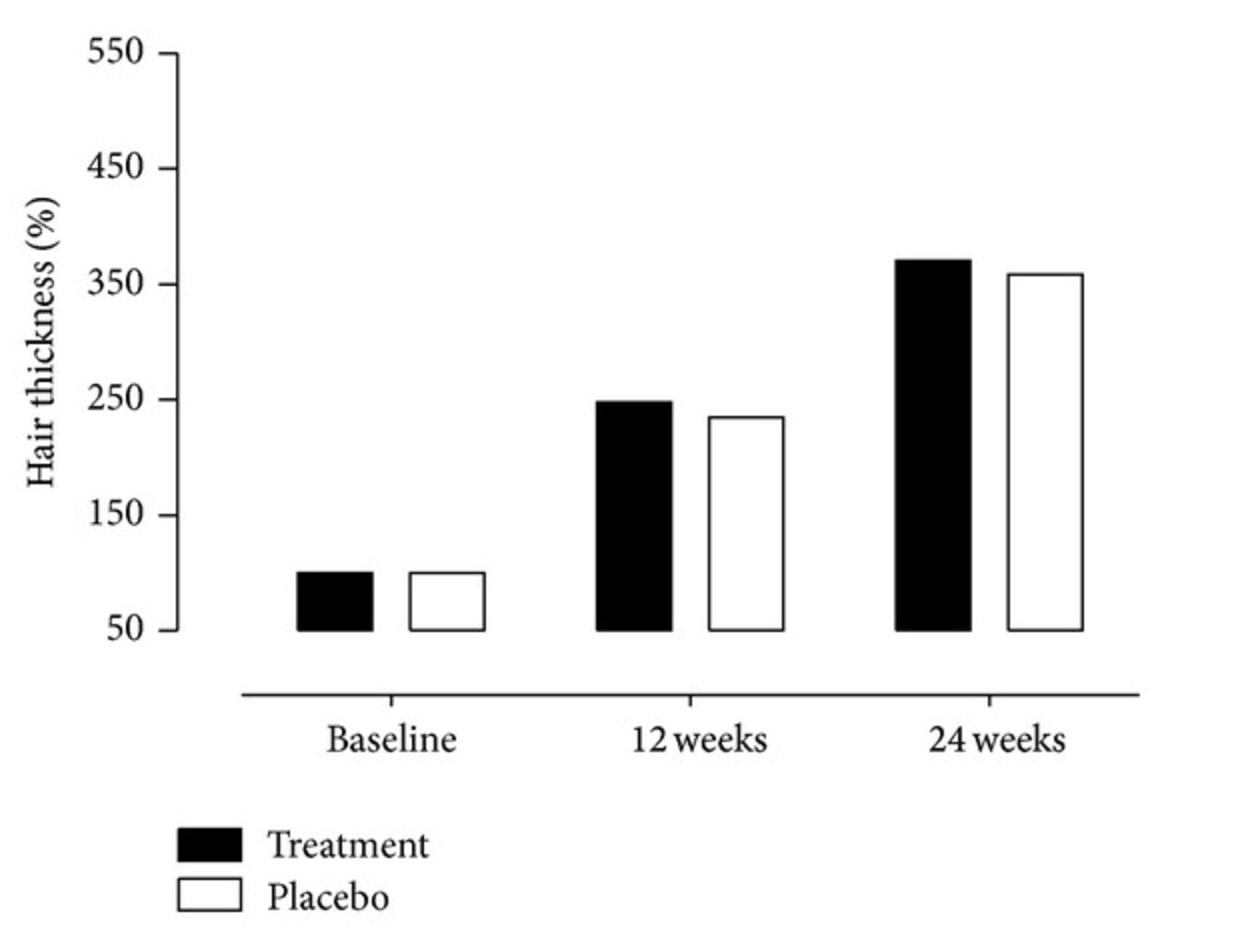
Almost identical increases in hair thickness in both active treatment groups and placebo groups suggest something other than the treatment might be influencing hair measurement.
For example, the placebo effect: a phenomenon whereby the belief that you are seeking treatment for a specific condition might actually lead to the improvement of that condition, even if the treatment you’re receiving is a sugar pill (i.e., a fake or “placebo” treatment).
Nonetheless, despite the curious 350% increase in hair thickness in the placebo group of this study (and a 10% increase in hair count), investigators still assessed the placebo’s hair loss as worsening over the 24-week period.
Almost identical increases in hair thickness in both active treatment groups and placebo groups suggest something other than the treatment might be influencing hair measurement.
For example, the placebo effect: a phenomenon whereby the belief that you are seeking treatment for a specific condition might actually lead to the improvement of that condition, even if the treatment you’re receiving is a sugar pill (i.e., a fake or “placebo” treatment).
Nonetheless, despite the curious 350% increase in hair thickness in the placebo group of this study (and a 10% increase in hair count), investigators still assessed the placebo’s hair loss as worsening over the 24-week period.
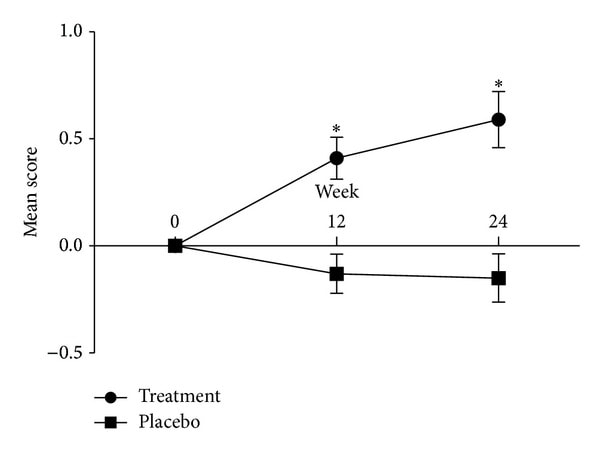
Altogether, it raises some questions about the study and whether its methodology was sound enough to capture a true effect of the treatment, rather than confounding factors like placebo.
So, how do we determine whether this hair growth was actually caused by pumpkin seed oil?
One way is to look at other studies performed on pumpkin seed oil. If the results are replicable, we can be more confident that the results are attributed to the treatment instead of a confounding factor, like the placebo effect.
As of today, 2 other studies on pumpkin seed oil have been published in humans.
Let’s unpack the results.
Study #2: Topical Pumpkin Seed Oil for Female Pattern Hair Loss vs. 5% Minoxidil
The design: this study assigned 60 women aged 18 to 50 with female pattern hair loss to topical pumpkin seed oil or minoxidil 5% foam. Both groups applied 1 mL once daily for 3 months, and hair was assessed by dermoscopy at baseline, 1.5 months, and 3 months.
The results: in the pumpkin seed oil group, dermoscopy showed statistically significant improvements from baseline:
- Hair shaft diversity fell by 21.3%. This measures how much the thickness of individual hairs varies across the scalp. In pattern hair loss, follicles shrink (miniaturize) unevenly, so thick healthy hairs are accompanied by thin, miniaturized ones. A lower number means the hairs are more uniform, which suggests fewer miniaturized hairs.
- Vellus hairs fell 29.8%. Vellus hairs are the fine, short, light hairs that miniaturized follicles produce, and they become more common in pattern hair loss. Fewer of them could mean some follicles are producing thicker hairs again, which suggests a treatment might be benefiting patterned hair loss.
- Upright regrowing hairs rose 592%. These are short hairs growing straight up from the scalp, which dermoscopy determines to be new growth. The percentage looks dramatic because it starts from a tiny average (under 1), so the absolute change is small.
The minoxidil group improved more on two of the three measures:
- Hair shaft diversity fell 32.4%.
- Vellus hairs fell 21.1%.
- Upright regrowing hairs rose 1,462%, from an equally tiny starting average of 0.13 to 2.0.
The authors concluded that minoxidil showed higher efficacy and remains the gold standard, but that the results show promise for pumpkin seed oil and more research is needed to identify its active compounds and how it works.
Study #3: Topical Pumpkin Seed Oil Niosomes
The design: this study tested a scalp serum containing pumpkin seed oil-loaded niosomes (a microscopic nanocarrier that supports penetration of active ingredients) on 42 people with hair loss for 8 weeks, applied twice daily alongside a standard shampoo. A smaller group of 8 people also had TrichoScan phototrichogram analysis.
The results:
- Hair shedding decreased by 23.57% at 4 weeks and 44.42% at 8 weeks.
- In the Trichogram assessment, the anagen to telogen ratio, which compares hairs in the growth phase with hairs in the resting phase, increased by 12.6% at 4 weeks and 35.6% at 8 weeks. A higher ratio means a larger share of the hairs examined were actively growing.
The researchers also tested pumpkin seed oil’s ability to impact 5α-reductase, the enzyme responsible for converting testosterone into DHT (the main driver of male pattern baldness). Finasteride, the gold-standard treatment for male pattern baldness, works by inhibiting this enzyme and, as a result, powerfully reducing DHT levels.
In petri dishes, pumpkin seed oil was found to lower the production of 5a-reductase enzymes, which may mean fewer enzymes are available to produce DHT.
Various animal studies have also found similar results, showing that pumpkin seed oil lowers DHT levels.
But do these effects actually translate to humans?
Studies suggest yes. While studies measuring the effect of pumpkin seed oil on DHT levels in humans are limited, one study found that the sterols in pumpkin seed oil lowered DHT levels in prostate tissue compared to control subjects. Various human studies have also found that pumpkin seed oil reduces prostate enlargement and improves urinary flow in a condition called benign prostatic hyperplasia (BPH), where the prostate enlarges in part due to increased DHT levels.
Collectively, this suggests that pumpkin seed oil may impact DHT levels, which makes it relevant to patterned hair loss and, more importantly, may explain some of the benefits seen in the above studies.
Are There Other Ways Pumpkin Seed Oil Supports Hair Growth?
There is, and most of it comes down to what is in the oil. Two components stand out: linoleic acid and beta-sitosterol, and each has a plausible link to hair biology.
1. Linoleic acid
Linoleic acid is an essential fatty acid, which means the body can’t make it on its own and has to get it from food. It is the most abundant fatty acid in many plant oils, pumpkin seed oil among them. The research linking it to hair falls into a few buckets.
Dermal papilla cells. The dermal papilla is a clump of cells located at the base of each hair follicle and is responsible for sending molecular signals to the hair follicle to stimulate growth. In pattern hair loss, the dermal papilla shrinks, one of the mechanisms believed to contribute to progressively thinning hairs. In a 2025 review, dermal papilla cells exposed to linoleic acid showed significantly elevated proliferation rates, suggesting that linoleic acid might drive dermal papilla growth.
Growth factors and signaling pathways. The same review describes linoleic acid increasing several growth factors linked to hair growth (VEGF, IGF-1, KGF, and HGF) and decreasing TGF-β, a factor associated with follicles moving out of the growth phase.
Animal studies. In mice treated with testosterone to suppress hair growth, topical linoleic acid significantly restored hair growth capacity over 28 days. Oils and extracts that are rich in linoleic acid, including Prunus mira Köhne oil and a rice bran extract (38.42% linoleic acid), increased hair length, weight, and follicle numbers in mice when applied topically.
Hair Growth Supplement From our partners at UloAll Natural Pumpkin Seed Oil Growth Supplement
Ulo's Hair Growth Supplement combines nutrients linked to follicle health in one daily dose, built to pair with topical and oral treatments. Choose a multi-month plan and get up to 20% plus a free gift bundle.
Free full-size gifts with 3-month+ plans No prescription needed
Daily natural supportPumpkin seed oil, saw palmetto, and moreFree gifts included with select multi-month plans while supplies last. Ulo is a partner of Perfect Hair Health; we may earn a commission on purchases. These statements have not been evaluated by the FDA. This product is not intended to diagnose, treat, cure, or prevent any disease.
2. Tocopherols and phytosterols
Pumpkin seed oil also contains vitamin E (tocopherols, including γ- and β-tocopherol) and phytosterols. These compounds are fat-soluble, which means they easily penetrate the skin, and have anti-inflammatory effects that may reduce some of the negative effects of inflammation on hair follicles.
Boiling Down the Science: Pumpkin Seed Oil’s Hair Regrowth Mechanisms
Pumpkin seed oil is rich in micronutrients like tocopherols (vitamin E), phytosterols (plant sterols), and unsaturated fatty acids (linoleic acid).
And through these constituents, pumpkin seed oil may help improve pattern hair loss through several mechanisms:
- Lowering androgen activity (reducing DHT)
- Reducing inflammation
- Decreasing atherosclerosis in blood vessels
Let’s take each one-by-one.
1. Pumpkin Seed Oil Reduces Androgen Activity
The DHT-Hair Loss Connection
Most of us have heard about the connection between hair loss and a male-related hormone known as DHT.
DHT (dihydrotestosterone) is an androgen responsible for a variety of male functions – from sexual development to nervous system functionality. Unfortunately, there’s also a relationship between DHT and hair loss.
Pattern hair loss is association with elevated DHT levels in balding scalp tissues, and many studies show that DHT is at least partially responsible for the miniaturization or “shrinking” of our hair follicles in the scalp.
Testosterone, DHT, And The 5-Alpha Reductase Enzyme
Testosterone is converted to DHT by an enzyme called type II 5-alpha reductase. This enzyme is also found in prostate and scalp tissues.
Type II 5-alpha reductase is what allows DHT to bind to our prostate and scalp tissues. And if we stop this enzyme from activating, DHT can no longer bind to prostate or scalp tissues (which might help prevent more hair thinning).
In fact, inhibiting the type II 5-alpha reductase enzyme is the precise mechanism by which the medication Finasteride (Propecia) works to stop hair loss.
And since the same enzyme (and hormone) are implicated in prostate enlargement, Finasteride is also used to reduce prostate size and improve symptoms in men with benign prostatic hyperplasia (enlarged prostate).
Unfortunately, Finasteride is also associated with a host of undesirable side effects – such as decreased sexual drive and impotence. This is because when we reduce DHT levels in the body beyond a certain point, we begin to shut down the very functions that DHT directly controls (for example – our ability to get and maintain an erection). And people worried about these side effects tend to avoid using Propecia to treat their hair loss.
Pumpkin Seed Oil Decreases 5-Alpha Reductase Activity (And Thereby DHT) – And Might Be A Safer Alternative To Finasteride (Propecia)
The evidence is clear: pumpkin seed oil appears to reduce tissue DHT levels, and without inducing the sexual side effects of Finasteride (Propecia).
One study induced prostatic hyperplasia (an enlarged prostate) in rats by injecting them with testosterone under the skin. The investigators found that pumpkin seed oil prevented prostate enlargement in rats treated with testosterone, likely due to the inhibition of type II 5-alpha reductase. And this study reached a similar conclusion when investigating the effect of pumpkin seed oil on testosterone/drug-induced prostate growth.
The same results hold true in human studies. These researchers evaluated the effects of pumpkin seed oil on symptomatic benign prostatic hyperplasia (again: an enlarged prostate). They determined that 320mg/day of pumpkin seed oil reduced prostate symptoms and improved quality of life after three months of treatment. And all without the sexual side effects.
But why not? If pumpkin seed oil reduces DHT, shouldn’t it also be susceptible to causing sexual problems?
A Paradox: If Pumpkin Seed Oil And Propecia Both Reduce DHT, Why Isn’t Pumpkin Seed Oil Associated With The Same Sexual Side Effects As Propecia?
Let’s review what we know about pumpkin seed oil, Finasteride, and 5-alpha reductase:
- Pumpkin seed oil reduces DHT – likely by inhibiting the enzyme 5-alpha reductase
- Finasteride (Propecia) is an FDA-approved hair loss drug that inhibits 5-alpha reductase
- Finasteride is associated with sexual side effects. Pumpkin seed oil isn’t.
But if pumpkin seed oil and Propecia both reduce DHT, and DHT reduction can cause sexual side effects, then why is only Propecia associated with sexual side effects?
The answer is probably two-fold:
- Pumpkin seed oil might just be less effective at inhibiting 5-alpha reductase than Propecia.
- Pumpkin seed oil might inhibit 5-alpha reductase in a different way than Propecia.
Let’s explore that second point for a moment.
5-Alpha Reductase Inhibition: Direct Vs. Indirect
Finasteride is a synthetic compound that acts as a direct 5-alpha reductase inhibitor. In other words, Finasteride – once metabolized inside the body – directly inhibits 5-alpha reductase at the cellular level.
In contrast, pumpkin seed oil might not directly inhibit 5-alpha reductase. Rather, pumpkin seed oil might indirectly inhibit 5-alpha reductase through another mechanism: reducing inflammation.
The explanation is as follows:
In sites of inflammation, damaged tissues release signaling proteins which send inflammatory cells to an injury. This begins the healing process. Hormones (like DHT) are also involved in healing. How? Well, when these signaling proteins signal inflammatory cells to arrive at damaged tissue – we sometimes also see a higher expression of the hormone DHT (and the 5-alpha reductase enzyme) at the same sites. This suggests that 5-alpha reductase and DHT are responses to the inflammatory process.
And by that logic, if we 1) reduce inflammation, or 2) turn off the pro-inflammatory signaling proteins that send inflammatory cells to our damaged tissues, we may also indirectly reduce 5-alpha reductase expression and thereby DHT. Why? Because if there aren’t any signaling proteins turning on 5-alpha reductase, testosterone won’t convert into DHT in those tissues.
This difference – direct versus indirect 5-alpha reductase inhibition) – is probably why pumpkin seed oil users don’t report the same sexual side effects as those using Propecia… Despite the fact that both reduce 5-alpha reductase expression and thereby DHT levels.
Finasteride Directly Inhibits 5-Alpha Reductase. Pumpkin Seed Oil Indirectly Inhibits It. This Probably Explains Why Pumpkin Seed Oil Doesn’t Cause Sexual Side Effects.
To sum up: pumpkin seed oil likely doesn’t directly suppress the 5-alpha reductase enzyme. Instead, pumpkin seed oil likely decreases inflammation by decreasing the expression of inflammatory signaling proteins. And in the absence of those signaling proteins, our bodies express fewer 5-alpha reductase in inflammatory sites. The net result: lower DHT in sites of inflammation.
This is a good thing, because inflammation and hair loss are closely connected… And pumpkin seed oil actually fights inflammation in a variety of ways.
2. Pumpkin Seed Oil has Anti-inflammatory Properties
The Inflammation-Hair Loss Connection
Chronic scalp inflammation is closely linked to hair loss. In fact, it may even be causative.
Chronic inflammation promotes the formation of arterial plaque (atherosclerosis) in the vessels supporting our hair follicles. Over time, this arterial plaque can build up and lead to scarring and arterial calcification.
This calcification also occurs in the blood vessels supporting our scalp hair follicles. The end effect: reduced blood flow and oxygen delivery to the scalp hair follicles – causing our hairs to miniaturize, shrink, and eventually disappear.
If we want to prevent (or reverse) hair loss, we absolutely need to reduce arterial plaque build-up in our blood vessels. Fortunately, pumpkin seed oil might help do this.
Hair Growth Supplement From our partners at UloAll Natural Pumpkin Seed Oil Growth Supplement
Ulo's Hair Growth Supplement combines nutrients linked to follicle health in one daily dose, built to pair with topical and oral treatments. Choose a multi-month plan and get up to 20% plus a free gift bundle.
Free full-size gifts with 3-month+ plans No prescription needed
Daily natural supportPumpkin seed oil, saw palmetto, and moreFree gifts included with select multi-month plans while supplies last. Ulo is a partner of Perfect Hair Health; we may earn a commission on purchases. These statements have not been evaluated by the FDA. This product is not intended to diagnose, treat, cure, or prevent any disease.
Pumpkin Seed Oil’s Antioxidants May Help Reduce Inflammation
Pumpkin seed oil contains antioxidants (substances that prevent the oxidation and degradation of our cells and tissues). Specifically – the antioxidants tocopherols (vitamin E)… And tocopherols are associated with decreasing oxidation and inflammation in certain body tissues.
For instance, a study on rats showed pumpkin seed oil reduces inflammatory mediators similarly to indomethacin (a non-steroidal drug used for arthritis), especially in the chronic phase of inflammation. And this study shows that 100 IU’s / kg of alpha-tocopherols was enough to lower the expression of transforming growth factor beta-1 and oxidative stress – two biomarkers closely linked to inflammation and hair loss.
Pumpkin Seed Oil’s Fatty Acids May Also Reduce Inflammation
Beyond its tocopherol content, pumpkin seed oil is also abundant in unsaturated fatty acids, particularly linoleic acid. And evidence shows that linoleic acid (when it’s not oxidized) has strong anti-inflammatory effects.
For instance, research shows that conjugated linoleic acid inhibits a pro-inflammatory enzyme known as cyclooxygenase (COX-2), and that it’s even as effective at reducing arthritis severity and inflammatory signaling proteins as the popular joint pain drug celecoxib.
Moreover, a recent human study evaluated the anti-inflammatory effects of conjugated linoleic acid in young male subjects performing exhaustive exercise. The subjects who received conjugated linoleic acid showed a significant reduction in inflammatory markers – such as matrix metalloproteinase, high-sensitivity C-reactive protein, and tumor necrosis factor.
Unsurprisingly, all of those signaling proteins are associated with the onset of calcification – the same kind of calcification we see in the scalps of men and women with pattern hair loss.
Which brings us to our third mechanism of action…
3. Pumpkin Seed Oil Reduces Atherosclerosis
We know that chronic, systemic inflammation can lead to the buildup of arterial plaques (atherosclerosis), and that atherosclerosis can lead to arterial calcification, reduced blood flow to hair follicles, and hair loss.
And it’s no wonder there’s a correlation between pattern hair loss and cardiovascular disease. Why? The chronic inflammation that triggers arterial plaque in our scalp blood vessels is also the same chronic inflammation that triggers arterial plaque everywhere else in our bodies – including the heart.
The takeaway: if we want to preserve our heart (and hair) health, it’s critical we prevent arterial plaque build-up.
So can we tie the anti-inflammatory effects of pumpkin seed oil to a reduction in arterial plaque?
Yes!
This is exactly what a group of investigators sought to accomplish when they studied rats that were switched from a diet high in saturated fat to a diet rich in unsaturated fat. The findings: the rats eating a diet richer in unsaturated fatty acids decreased both fatty liver disease and atherosclerosis. What’s more, these outcomes were attributed to the anti-inflammatory effects of unsaturated fatty acids and the phytochemicals in pumpkin seed oil.
Numerous studies have confirmed the anti-inflammatory actions of conjugated linoleic acid in arteries and have demonstrated that linoleic acid not only prevents the progression of atherosclerosis, but also induces atherosclerotic regression.
In other words, these fatty acids are pro-heart and pro-hair.
What We Need To Know: Unanswered Questions About Pumpkin Seed Oil for Hair Loss
Future studies on pumpkin seed oil and hair loss should answer the following:
What are pumpkin seed oil’s effects on blood-level and tissue-level DHT? This will give us an idea of pumpkin seed oil’s effects on 5-alpha reductase.
What are pumpkin seed oil’s effects on prostate-specific antigen in their subjects? This will also help us determine whether pumpkin seed oil acts on 5-alpha reductase – or through secondary 5-alpha reductase inhibiting mechanisms (like reducing pro-inflammatory cytokine expression).
How does pumpkin seed oil compare to DHT inhibitors like Finasteride? In the beginning of this article, we did a crude cross-comparison between hair count studies on pumpkin seed oil and Propecia. But that wasn’t very scientific. It’s likely that the major difference in hair counts between studies are due to different counting methods and assessors. We need an actual study to compare the two together.
If pumpkin seed oil inhibits 5-alpha reductase, how does it do it? Again, there might be a big difference between direct versus indirect 5-alpha reductase reduction – which could explain why pumpkin seed oil testers aren’t reporting any sexual side effects.
Is topical pumpkin seed oil as effective as oral pumpkin seed oil for regrowing hair? It’s possible pumpkin seed oil’s linoleic acid and tocopherols might be more effective when applied directly to the scalp. But without a study, we can only take guesses.
Pumpkin Seed Oil for Hair Loss: Where Do We Stand?
A lot of people are hyping up pumpkin seed oil up to be a hair loss cure-all. But the evidence is limited.
For instance, when we delve into the details of the aforementioned Korean study, we find that the supplement they used included other ingredients that may support hair growth. And while the regrowth results were promising, these confounding factors interfere with our ability to attribute regrowth to the pumpkin seed oil alone.
Nonetheless, some later published studies have corroborated these benefits of pumpkin seed oil for hair growth. Similarly, research in BPH, a disease also driven by DHT like male pattern baldness, has demonstrated improvements with pumpkin seed oil, especially the DHT-blocking sterol fraction of the oil. This suggests that pumpkin seed oil may function, in part, by lowering DHT levels.
Altogether, the evidence suggests pumpkin seed oil may indeed turn out to be a credible natural option. However, research suggests it still fails to stack up against conventional treatments like topical minoxidil.
How To Use Pumpkin Seed Oil For Hair Thinning
There are no strict guidelines on the proper use of pumpkin seed for hair loss. But the majority of studies focus on oral pumpkin seed oil intake. Knowing this, let’s only look at dosages for human subjects.
The study demonstrating the benefits of pumpkin seed oil on enlarged prostates used doses of 325mg daily and found favorable results after 3-6 months of treatment. Similarly, the 2014 Korean study used doses of 400mg daily for six months of treatment – and these dosages were split throughout the day: two 100mg capsules 30 minutes before lunch and dinner.
It is common to find 1000mg pumpkin seed oil tablets at nutritional stores and pharmacies. Since pumpkin seed oil is well tolerated without major adverse effects, a dose between 400mg and 1000mg per day is likely to be within the safe range.
If you’re going to try pumpkin seed oil, try it for at least 6 months to observe any appreciable increase in hair growth.
And most importantly, if you’re going to try pumpkin seed oil, make sure you’re buying from brands that are encapsulated and stored in a dark glass container (this product contains both pumpkin seed oil and red clover isoflavones, which was included in the original Korean study, among other beneficial ingredients for hair growth). This will ensure the unsaturated fatty acids in pumpkin seed oil remain unoxidized and retain their anti-inflammatory effects. If you use a liquid pumpkin seed oil, make sure it’s cold-processed and ideally refrigerated.
Hair Growth Supplement From our partners at UloAll Natural Pumpkin Seed Oil Growth Supplement
Ulo's Hair Growth Supplement combines nutrients linked to follicle health in one daily dose, built to pair with topical and oral treatments. Choose a multi-month plan and get up to 20% plus a free gift bundle.
Free full-size gifts with 3-month+ plans No prescription needed
Daily natural supportPumpkin seed oil, saw palmetto, and moreFree gifts included with select multi-month plans while supplies last. Ulo is a partner of Perfect Hair Health; we may earn a commission on purchases. These statements have not been evaluated by the FDA. This product is not intended to diagnose, treat, cure, or prevent any disease.
Want help with your hair regrowth journey?
Get personalized support, product recommendations, video calls, and more from our researchers, trichologists, and PhD's dedicated to getting you the best possible outcomes.
Learn More
Perfect Hair Health Team
"... Can’t thank @Rob (PHH) and @sanderson17 enough for allowing me to understand a bit what was going on with me and why all these [things were] happening ... "

 — RDB, 35, New York, U.S.A.
"... There is a lot improvement that I am seeing and my scalp feel alive nowadays... Thanks everyone. "

 — Aayush, 20’s, Boston, MA
"... I can say that my hair volume/thickness is about 30% more than it was when I first started."

 — Douglas, 50’s, Montréal, Canada
Want help with your hair regrowth journey?
Get personalized support, product recommendations, video calls, and more from our researchers, trichologists, and PhD's dedicated to getting you the best possible outcomes.
Join Now - Mission Statement