- About
- Mission Statement
Education. Evidence. Regrowth.
- Education.
Prioritize knowledge. Make better choices.
- Evidence.
Sort good studies from the bad.
- Regrowth.
Get bigger hair gains.
Team MembersPhD's, resarchers, & consumer advocates.
- Rob English
Founder, researcher, & consumer advocate
- Research Team
Our team of PhD’s, researchers, & more
Editorial PolicyDiscover how we conduct our research.
ContactHave questions? Contact us.
Before-Afters- Transformation Photos
Our library of before-after photos.
- — Jenna, 31, U.S.A.
I have attached my before and afters of my progress since joining this group...
- — Tom, 30, U.K.
I’m convinced I’ve recovered to probably the hairline I had 3 years ago. Super stoked…
- — Rabih, 30’s, U.S.A.
My friends actually told me, “Your hairline improved. Your hair looks thicker...
- — RDB, 35, New York, U.S.A.
I also feel my hair has a different texture to it now…
- — Aayush, 20’s, Boston, MA
Firstly thank you for your work in this field. I am immensely grateful that...
- — Ben M., U.S.A
I just wanted to thank you for all your research, for introducing me to this method...
- — Raul, 50, Spain
To be honest I am having fun with all this and I still don’t know how much...
- — Lisa, 52, U.S.
I see a massive amount of regrowth that is all less than about 8 cm long...
Client Testimonials150+ member experiences.
 Scroll DownPopular Treatments
- Treatments
Popular treatments. But do they work?
- Finasteride
- Oral
- Topical
- Dutasteride
- Oral
- Topical
- Mesotherapy
- Minoxidil
- Oral
- Topical
- Ketoconazole
- Shampoo
- Topical
- Low-Level Laser Therapy
- Therapy
- Microneedling
- Therapy
- Platelet-Rich Plasma Therapy (PRP)
- Therapy
- Scalp Massages
- Therapy
 More
More
IngredientsTop-selling ingredients, quantified.
- Saw Palmetto
- Redensyl
- Melatonin
- Caffeine
- Biotin
- Rosemary Oil
- Lilac Stem Cells
- Hydrolyzed Wheat Protein
- Sodium Lauryl Sulfate
 More
More
ProductsThe truth about hair loss "best sellers".
- Minoxidil Tablets
Xyon Health
- Finasteride
Strut Health
- Hair Growth Supplements
Happy Head
- REVITA Tablets for Hair Growth Support
DS Laboratories
- FoliGROWTH Ultimate Hair Neutraceutical
Advanced Trichology
- Enhance Hair Density Serum
Fully Vital
- Topical Finasteride and Minoxidil
Xyon Health
- HairOmega Foaming Hair Growth Serum
DrFormulas
- Bio-Cleansing Shampoo
Revivogen MD
- more
Key MetricsStandardized rubrics to evaluate all treatments.
- Evidence Quality
Is this treatment well studied?
- Regrowth Potential
How much regrowth can you expect?
- Long-Term Viability
Is this treatment safe & sustainable?
Free Research- Free Resources
Apps, tools, guides, freebies, & more.
- Free CalculatorTopical Finasteride Calculator
- Free Interactive GuideInteractive Guide: What Causes Hair Loss?
- Free ResourceFree Guide: Standardized Scalp Massages
- Free Course7-Day Hair Loss Email Course
- Free DatabaseIngredients Database
- Free Interactive GuideInteractive Guide: Hair Loss Disorders
- Free DatabaseTreatment Guides
- Free Lab TestsProduct Lab Tests: Purity & Potency
- Free Video & Write-upEvidence Quality Masterclass
- Free Interactive GuideDermatology Appointment Guide
- More
Articles100+ free articles.
-
Natural vs. Pharmaceutical DHT Blockers: Ranked
-
Redensyl, Capixyl, & Procapil (RCP) For Natural Hair Regrowth? (Scientific Review)
-
9 Best Shampoos for Sensitive Scalp
-
12 Best Shampoos for Greasy Hair
-
Can Miniaturized Hair Follicles Recover, or Is There a Point of No Return?
-
Sublingual Minoxidil: More Hair Growth, Less Sides?
-
Happy Head Review: 5 Concerns With The Brand
-
Can a Blood DHT Test Tell You Whether You Have AGA?
PublicationsOur team’s peer-reviewed studies.
- Microneedling and Its Use in Hair Loss Disorders: A Systematic Review
- Use of Botulinum Toxin for Androgenic Alopecia: A Systematic Review
- Conflicting Reports Regarding the Histopathological Features of Androgenic Alopecia
- Self-Assessments of Standardized Scalp Massages for Androgenic Alopecia: Survey Results
- A Hypothetical Pathogenesis Model For Androgenic Alopecia:Clarifying The Dihydrotestosterone Paradox And Rate-Limiting Recovery Factors
Menu- AboutAbout
- Mission Statement
Education. Evidence. Regrowth.
- Team Members
PhD's, resarchers, & consumer advocates.
- Editorial Policy
Discover how we conduct our research.
- Contact
Have questions? Contact us.
- Before-Afters
Before-Afters- Transformation Photos
Our library of before-after photos.
- Client Testimonials
Read the experiences of members
Before-Afters/ Client Testimonials- Popular Treatments
-
Articles2.5mg Dutasteride: Before and After Photos [2026]
First Published Oct 1 2026Last Updated Oct 2 2026Pharmaceutical Researched & Written By:Perfect Hair Health Team
 Reviewed By:Rob English, Medical Editor
![2.5mg Dutasteride: Before and After Photos [2026]](https://perfecthairhealth.com/wp-content/uploads/2026/10/2.5-mg-dutasteride-before-and-after-photos.png)
Want help with your hair regrowth journey?
Get personalized support, product recommendations, video calls, and more from our researchers, trichologists, and PhD's dedicated to getting you the best possible outcomes.
Learn MoreArticle Summary
Could increasing dutasteride from 0.5 mg to 2.5 mg daily produce significantly more hair regrowth? In the only controlled trial to test this higher dose, 2.5 mg dutasteride produced the largest hair count gains, greatest reduction to scalp DHT, and greatest photographic improvements. However, whether these additional benefits justify taking five times the standard dose remains uncertain. In this article, we examine the clinical evidence, potential side effects, and what real world 2.5 mg dutasteride before and afters can tell us about the results people might realistically expect.
Full Article
Dutasteride is used off-label for androgenetic alopecia due to its ability to lower dihydrotestosterone (DHT), a major hormonal driver of pattern hair loss. At 0.5 mg daily, it suppresses circulating DHT more than finasteride and shows significantly more hair regrowth across multiple clinical trials. So what happens when the dose is increased fivefold, to 2.5 mg?
In a 24-week study, the higher dose produced the greatest numerical increase in hair counts and the greatest investigator-assessed photographic improvement. It reduced scalp DHT by 150% more than that of 0.5 mg, even though it suppressed blood DHT levels about the same. But there are important limitations:
- 2.5 mg dutasteride has only been studied for hair loss in one controlled trial.
- The study only lasted six months, so it was not designed to establish long-term safety
Several anecdotes from users of 2.5 mg dutasteride have also been published online. Before reviewing those cases, we’ll look at what the clinical evidence reveals about 2.5 mg dutasteride.
But first, a primer on oral dutasteride.
Oral Dutasteride From our partners at UloInterested in 2.5 mg Dutasteride?
2.5 mg is the most powerful dose of dutasteride and lowers DHT by inhibiting both type 1 and 2 5a-reductase. Studies show it may lower scalp DHT by more than 0.5 mg dutasteride. Available through a licensed Ulo provider. Choose a multi-month plan and get free full-size gifts.
Free full-size gifts with 3-month+ plans Prescribed online, shipped to your door Dual 5-AR inhibitionType 1 and type 2
*Only available in the U.S. Online medical consultation required. Restrictions apply. Off-label products are not endorsed by the FDA. Free gifts included with select multi-month plans while supplies last. Ulo is a partner of Perfect Hair Health; we may earn a commission on purchases.
What is Dutasteride?
Dutasteride is an oral medication originally approved to treat benign prostatic hyperplasia (BPH). It inhibits the type I and type II forms of 5-alpha-reductase, the enzyme responsible for converting testosterone into DHT. As we’ve already established, DHT is a primary driver of hair loss.
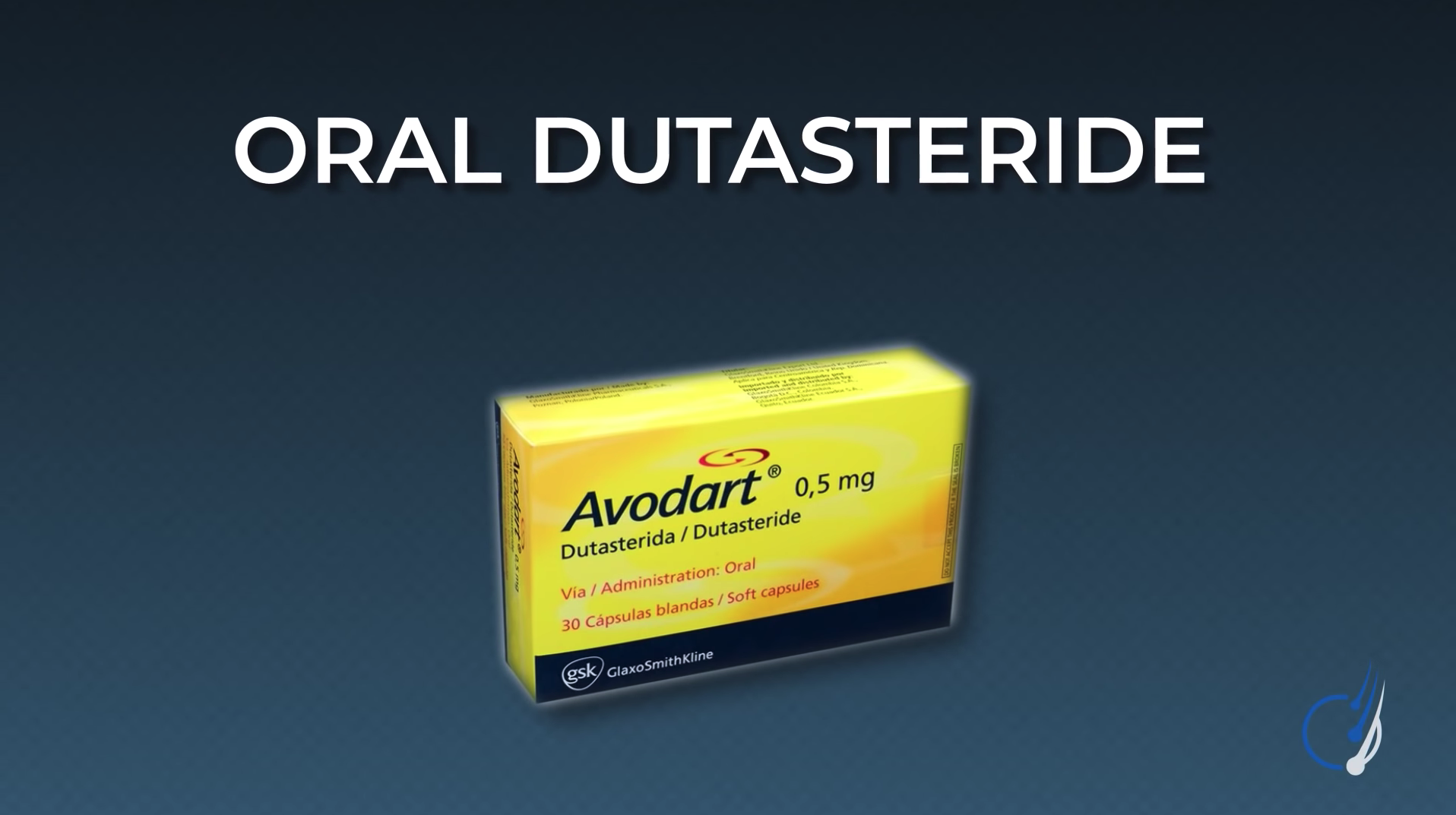
Fig 1. Oral dutasteride.
Finasteride, the gold standard for AGA treatment, primarily inhibits type II. At 1 mg, it lowers DHT levels by about 70%. In contrast, dutasteride acts on both, and consequently can reduce circulating DHT by more than 90% at the standard 0.5 mg dose.
Comparatively, 0.5 mg dutasteride generally outperforms 1 mg finasteride for hair regrowth, likely due to greater DHT suppression. [1]Harcha et al. (2014). Journal of the American Academy of Dermatology. https://doi.org/10.1016/j.jaad.2013.10.049
For hair loss, the relevant daily doses are:
- 0.1–0.2 mg: lower doses investigated in clinical trials.
- 0.5 mg: the standard, best-studied dose for AGA and the FDA-approved dose for BPH.
- 2.5 mg: a high, off-label dose tested in one clinical trial.
Potential adverse effects include decreased libido, erectile or ejaculatory changes, and, less commonly, breast tenderness or enlargement. Dutasteride is not FDA-approved for hair loss in the United States currently, however, 0.5 mg and 2.5 mg dutasteride are frequently prescribed off-label by a physician.
The Research on 2.5 mg Dutasteride
Studies on 2.5 mg dutasteride are limited. However, one dose-ranging trial compared various doses of oral dutasteride, including 0.5 mg and 2.5 mg. It measured more than just hair counts: the researchers also assessed standardized photographs, investigator and patient ratings, and DHT concentrations in both blood and scalp tissue.
The study: 0.05–2.5 mg dutasteride
Olsen et al. randomized 416 men aged between 21 and 45 with male pattern hair loss to placebo or various treatment arms: finasteride 5 mg, or dutasteride 0.05, 0.1, 0.5, or 2.5 mg daily for 24 weeks. Hair counts were taken from the same area near the crown at repeated visits, using a small tattoo to ensure accurate tracking. The investigators also evaluated standardized photographs of the frontal scalp and vertex.[2]Olsen et al. (2006). Journal of the American Academy of Dermatology. 55(6):1014–1023. https://doi.org/10.1016/j.jaad.2006.05.007
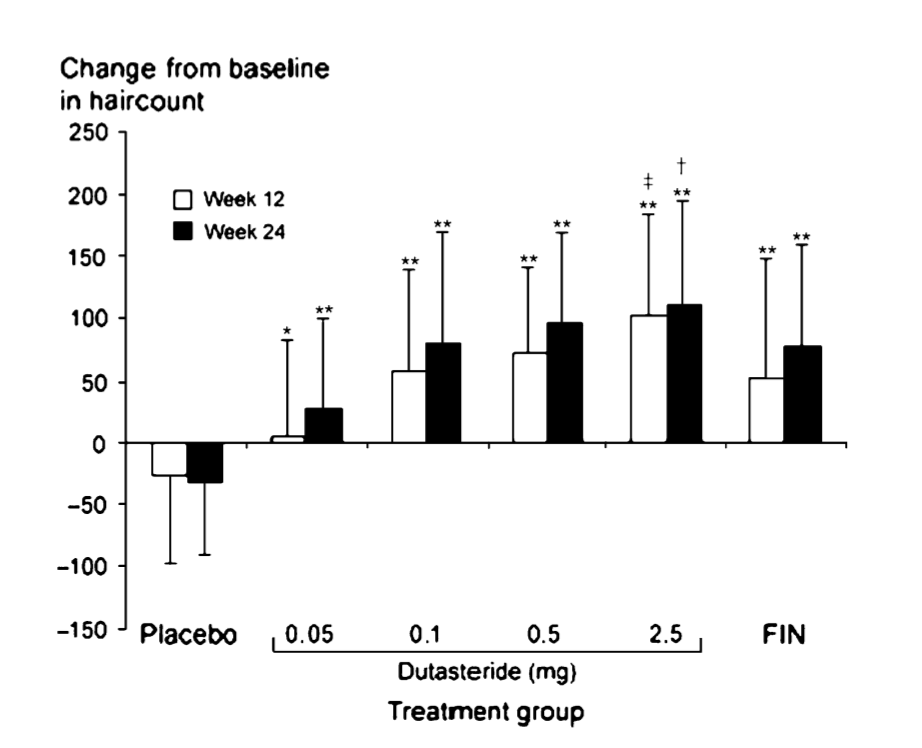
At 24 weeks, the study reported the following changes in hair counts:
- Placebo: approximately 32 fewer hairs.
- Finasteride 5 mg: approximately 76 additional hairs.
- Dutasteride 0.5 mg: approximately 95 additional hairs.
- Dutasteride 2.5 mg: approximately 110 additional hairs.
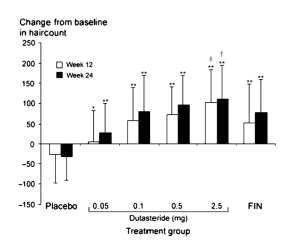
Fig 2. Hair counts increases with 0.05 mg dutasteride, 0.1 mg dutasteride, 0.5 mg dutasteride, 2.5 mg dutasteride, and 5 mg finasteride.
Dutasteride showed a dose-dependent increase in target area hair counts, with the largest gain in hair counts in the 2.5 mg group. The trial established that 2.5 mg outperformed dutasteride 0.5 mg for increasing hair density.
Do More Hairs Mean More Visible Growth?
Not necessarily. In AGA, hair follicles can produce very fine, miniaturized hairs that contribute little to visible scalp coverage. When a study counts those hairs alongside thicker terminal hairs, the increase in its reported hair count may look more impressive than the cosmetic result. This is why the minimum hair shaft diameter used to define a countable, non-vellus hair is important when comparing trials.
This is where other measurements, like photographic assessments and patient satisfaction come into play. And in this case, the other measurements also corroborate the hair count findings: the 2.5 mg group also had the greatest investigator-rated improvement in standardized frontal and vertex photographs, with patient assessments following a broadly similar pattern. These findings make it less likely that the numerical hair count difference was driven by fine hairs that are largely cosmetically insignificant.
Why Did the Higher Dose Produce a Better Response?
In the Olsen trial, 0.5 mg dutas rteedridueced serum DHT by approximately 92% compared with 2.5 mg dutasteride. Judging by blood levels alone, increasing from 0.5 mg to 2.5 mg appears to add very little suppression.
In the scalp itself, however, the reductions were 51% with dutasteride 0.5 mg and 79% with dutasteride 2.5 mg – a much larger reduction. Because reducing DHT locally in the scalp is arguably the most important factor in addressing DHT-driven follicle miniaturization, this may explain why 2.5 mg dutasteride produced a better result.
An Important Note: Oral Dutasteride Formulation Matters
One important consideration when choosing oral dutasteride is its formulation. Unlike finasteride and minoxidil, dutasteride has extremely low water solubility, meaning that how the medication is formulated can significantly affect its absorption.
The Original Format: Softgel
This is why the original FDA-approved dutasteride medication, Avodart, was developed as a soft gelatin capsule. Rather than containing dutasteride as a dry powder, each capsule contains the drug pre-dissolved in a mixture of lipids (oils), emulsified with mono- and diglycerides. This lipid-based formulation helps overcome dutasteride’s poor water solubility, allowing it to be absorbed through the gastrointestinal tract.
And the superiority of this formulation is backed up by research.
Oral Dutasteride From our partners at UloInterested in 2.5 mg Dutasteride?
2.5 mg is the most powerful dose of dutasteride and lowers DHT by inhibiting both type 1 and 2 5a-reductase. Studies show it may lower scalp DHT by more than 0.5 mg dutasteride. Available through a licensed Ulo provider. Choose a multi-month plan and get free full-size gifts.
Free full-size gifts with 3-month+ plans Prescribed online, shipped to your door
Dual 5-AR inhibitionType 1 and type 2*Only available in the U.S. Online medical consultation required. Restrictions apply. Off-label products are not endorsed by the FDA. Free gifts included with select multi-month plans while supplies last. Ulo is a partner of Perfect Hair Health; we may earn a commission on purchases.
The GSK Dutasteride Bioequivalence Study
There is clinical evidence that these formulation differences matter. In 2016, Fossler et al. compared GSK’s marketed 0.5 mg dutasteride softgel with experimental 0.5 mg tablets and hard gelatin capsules in a randomized crossover study. Compared with the softgel, total drug exposure was approximately 76% with the tablet and 73% with the hard capsule. Peak drug concentrations were also lower. Neither experimental formulation met the criteria for bioequivalence, and neither was advanced for further development.[3]Fossler, M., Zhu, J., Roehrborn, C., McAleese, P., Manyak, M. (2016). Impact of Formulation on the Pharmacokinetics of Dutasteride: Results from Two Phase I Studies. Clinical Drug Investigation. … Continue reading
Would lower absorption also mean less DHT suppression? The study measured dutasteride exposure, not DHT levels or hair regrowth, so it cannot establish that directly. However, the researchers noted that earlier dose-finding data suggested lower drug exposure would likely result in less effective serum DHT suppression.
The Problem With Compounded Combination Capsules
Unfortunately, not all oral dutasteride products use this approach.
As dutasteride has become increasingly popular for hair loss, many compounding pharmacies have begun offering combination capsules containing dutasteride, minoxidil, and other ingredients. While these formulations offer the convenience of taking multiple medications in a single pill, some contain powdered dutasteride without an established solubilization system.
This begs the question: are patients actually absorbing the amount of dutasteride they have been prescribed?
While we don’t have direct data to answer that question, one of our own PerfectHairHealth members did test this hypothesis. To do so, this male member took 1.5 mg of powdered dutasteride supplied by a compounding pharmacy, tested his DHT, and, despite the relatively high dose, his serum DHT levels fell by only approximately 13% in 12 hours.
While this doesn’t prove the powdered dutasteride doesn’t work, it does add evidence to GSK’s findings that subpar formulations may lead to subpar efficacy.
How to Check Your Dutasteride
Fortunately, there is a straightforward way to identify oral dutasteride products with established bioequivalence.
The FDA maintains a database called the Orange Book, which identifies approved medications and their therapeutic equivalence ratings. Products with an AB rating have satisfied the FDA’s requirements for bioequivalence to an appropriate reference product. For approved generic dutasteride, this means comparable absorption to the reference formulation at the same dose.
Ulo’s dutasteride softgels are a verified bioequivalent formulation.
This distinction is particularly important for patients considering 2.5 mg dutasteride daily. The hair regrowth reported in clinical trials depends on adequate drug exposure. A compounded capsule containing 2.5 mg of dutasteride powder cannot be assumed to provide the same exposure as an equivalent dose of a proven formulation.
For patients using oral dutasteride, particularly those switching from finasteride or increasing their dose, verifying the formulation with their pharmacist is an important part of evaluating their treatment.
2.5 mg Dutasteride Before and After Photos
Now that we’ve covered the clinical evidence, let’s look at eight anecdotal accounts from Reddit users who reported taking 2.5 mg dutasteride.
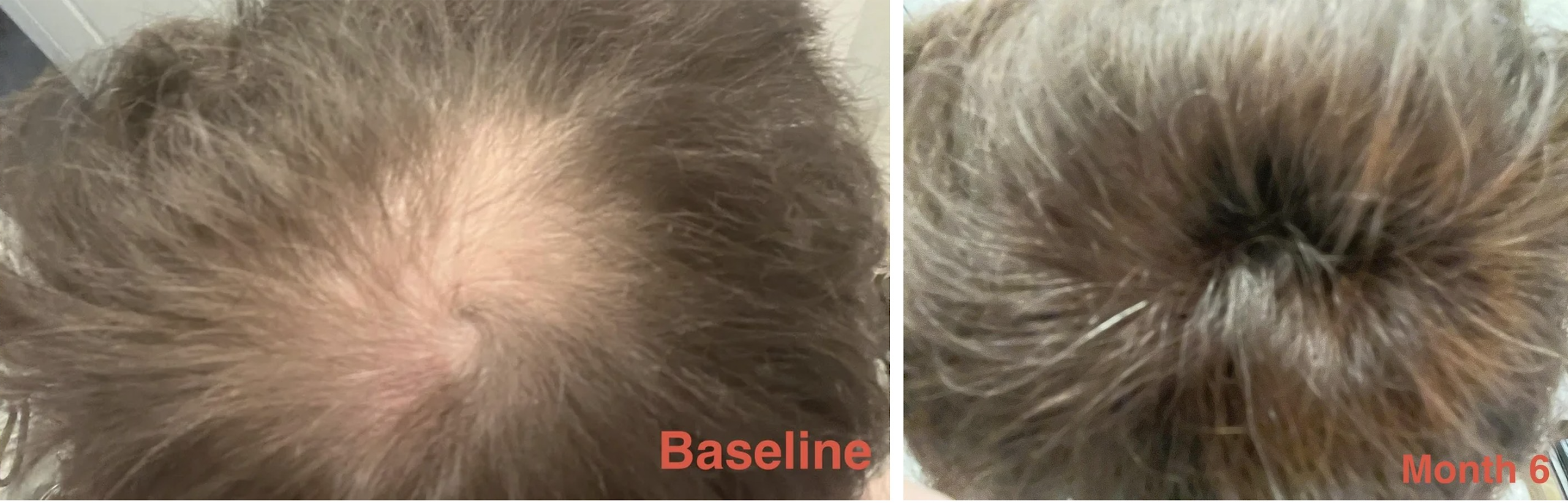
Case 1: Male (25), oral dutasteride and oral minoxidil (2 months; 2.5 mg and 5 mg daily)
This Redditor increased oral dutasteride from 0.5 mg to 2.5 mg daily and started 5 mg oral minoxidil at the same time, after about eight months of continued hair loss. He experienced heavy shedding early on, followed by visibly greater density by month two. He noted increased body hair but did not report any other significant side effects.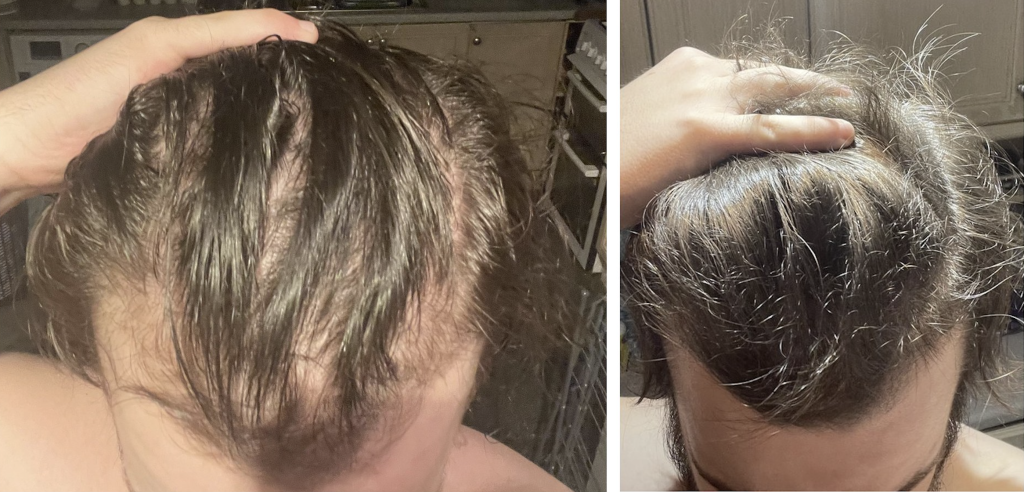
Source: u/[deleted] via r/HairlossProgressPics (October 2024). Original Reddit post
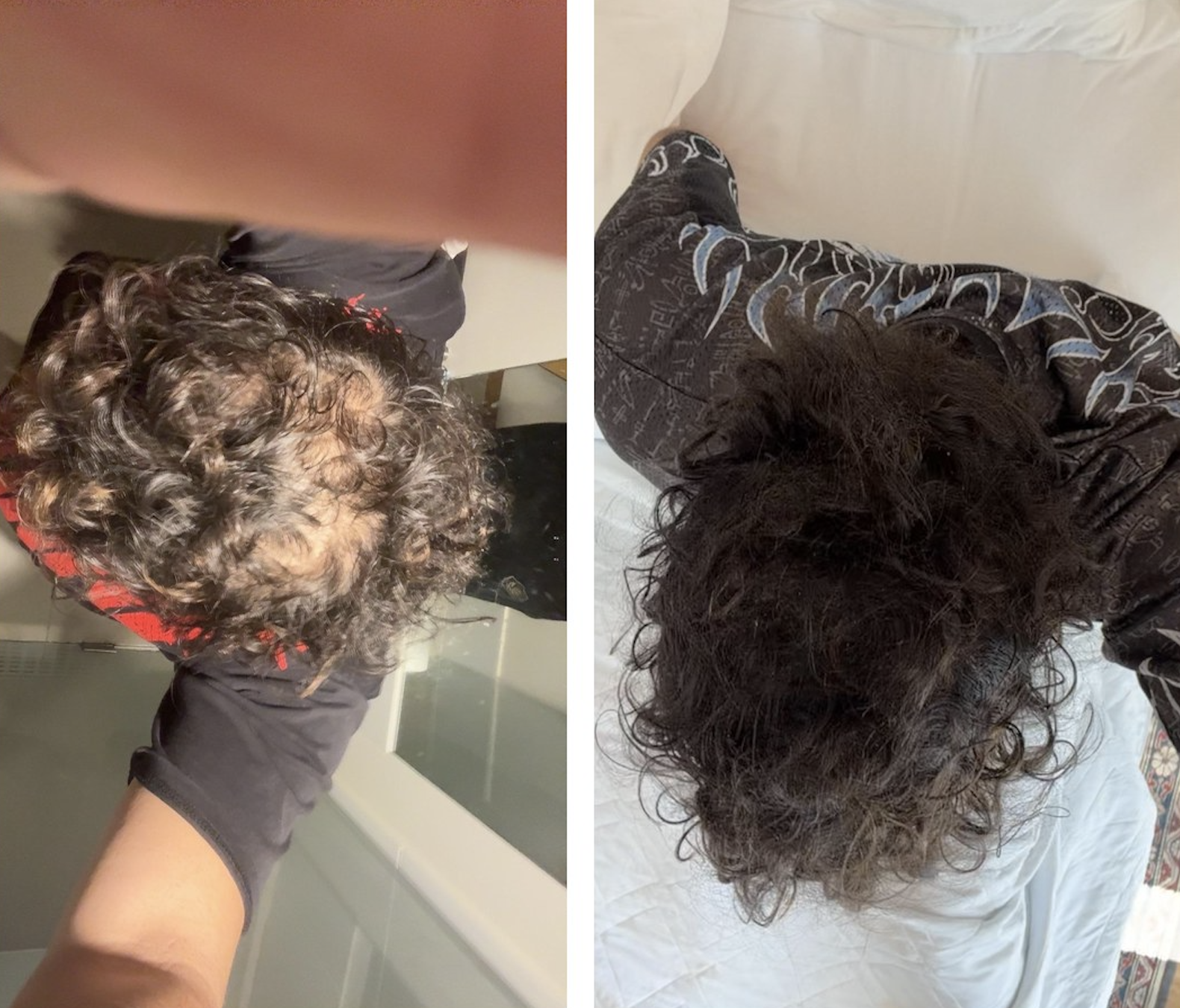
Case 2: Male (20), oral dutasteride and oral minoxidil (6 months; 2.5 mg each daily)
This poster began 2.5 mg oral dutasteride and 2.5 mg oral minoxidil daily after several years of severe diffuse thinning. He reported noticeable improvement over the course of treatment, with greater scalp coverage by about the six-month mark.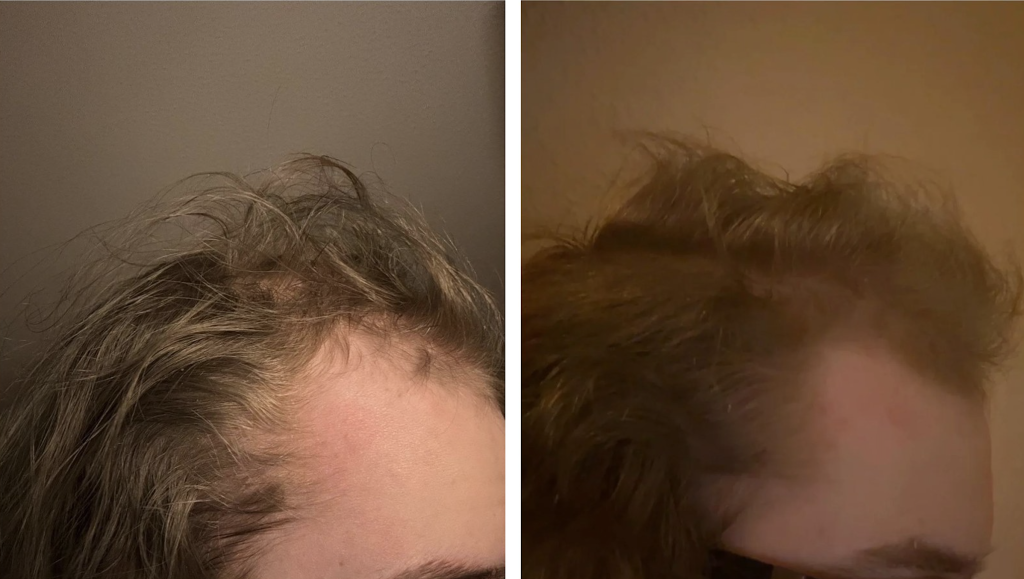
Source: u/[deleted] via r/tressless (December 2024). Original Reddit post
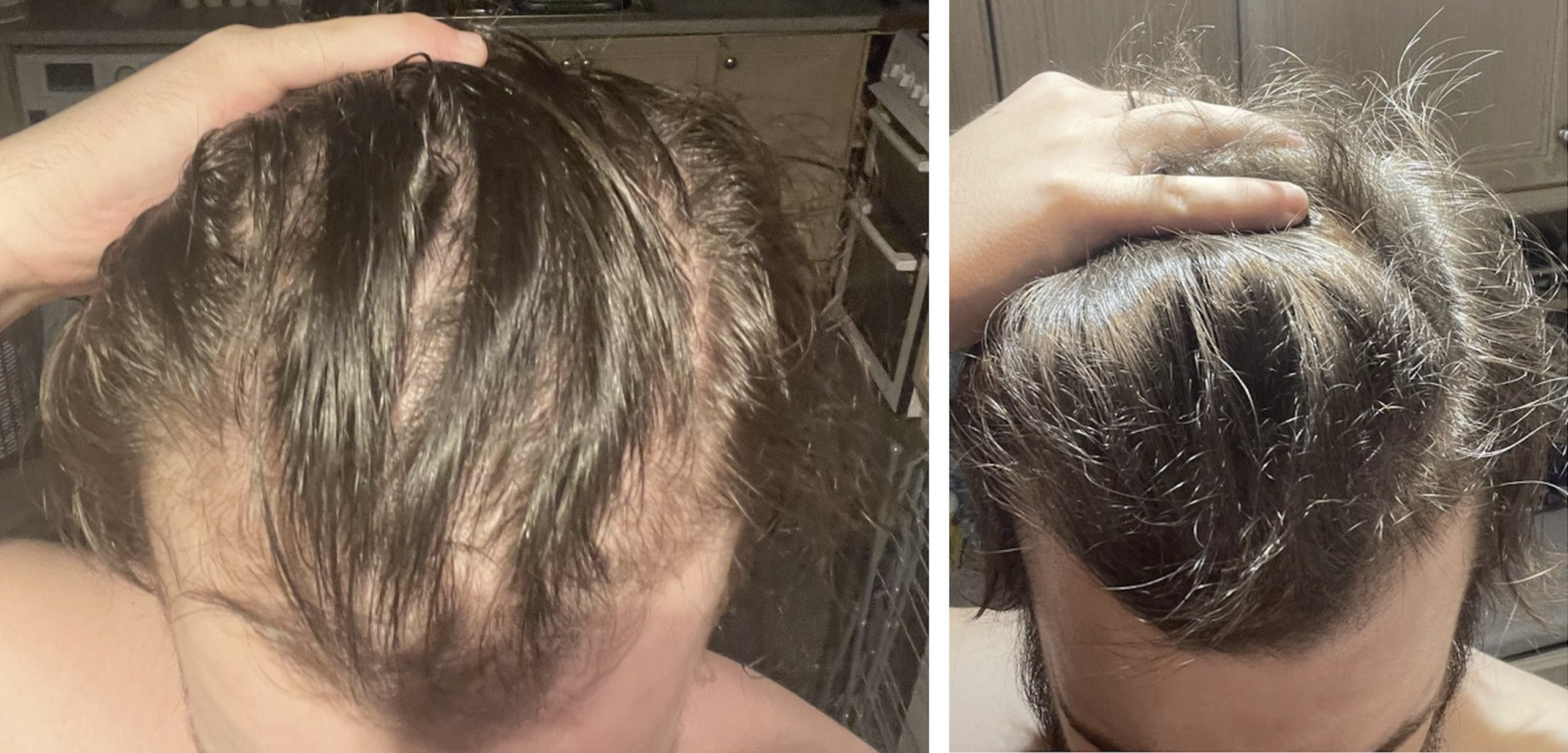
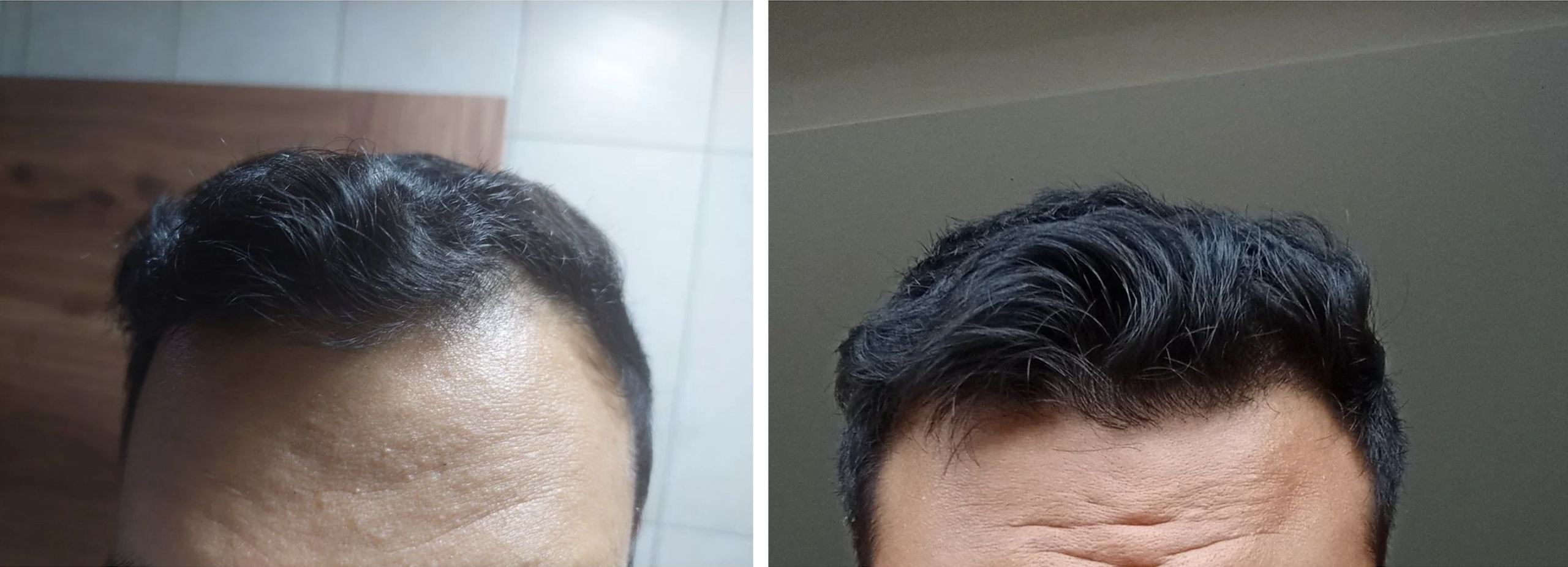
Case 3: Male (49), oral dutasteride and oral minoxidil (6 months; 2.5 mg and 5 mg daily)
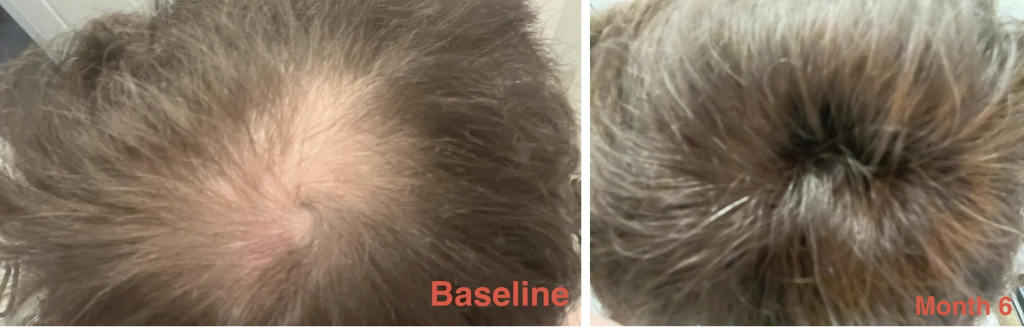
Source: u/Glum_Low via r/tressless (December 2025 and April 2026). Original Reddit post
This user switched from 1 mg finasteride to 2.5 mg dutasteride after years of continued hair loss on 5 mg oral minoxidil. He reported shedding stopped after the first month, with new growth at the crown and top of the scalp by month two and near-complete coverage in those areas by month six. He noted temporary sexual and urinary symptoms that resolved during treatment. Spontaneous resolution of side effects with DHT-reducing medication occurs often, with the original 2.5 mg dutasteride clinical trial demonstrating that the majority of sexual side effects resolved during treatment.
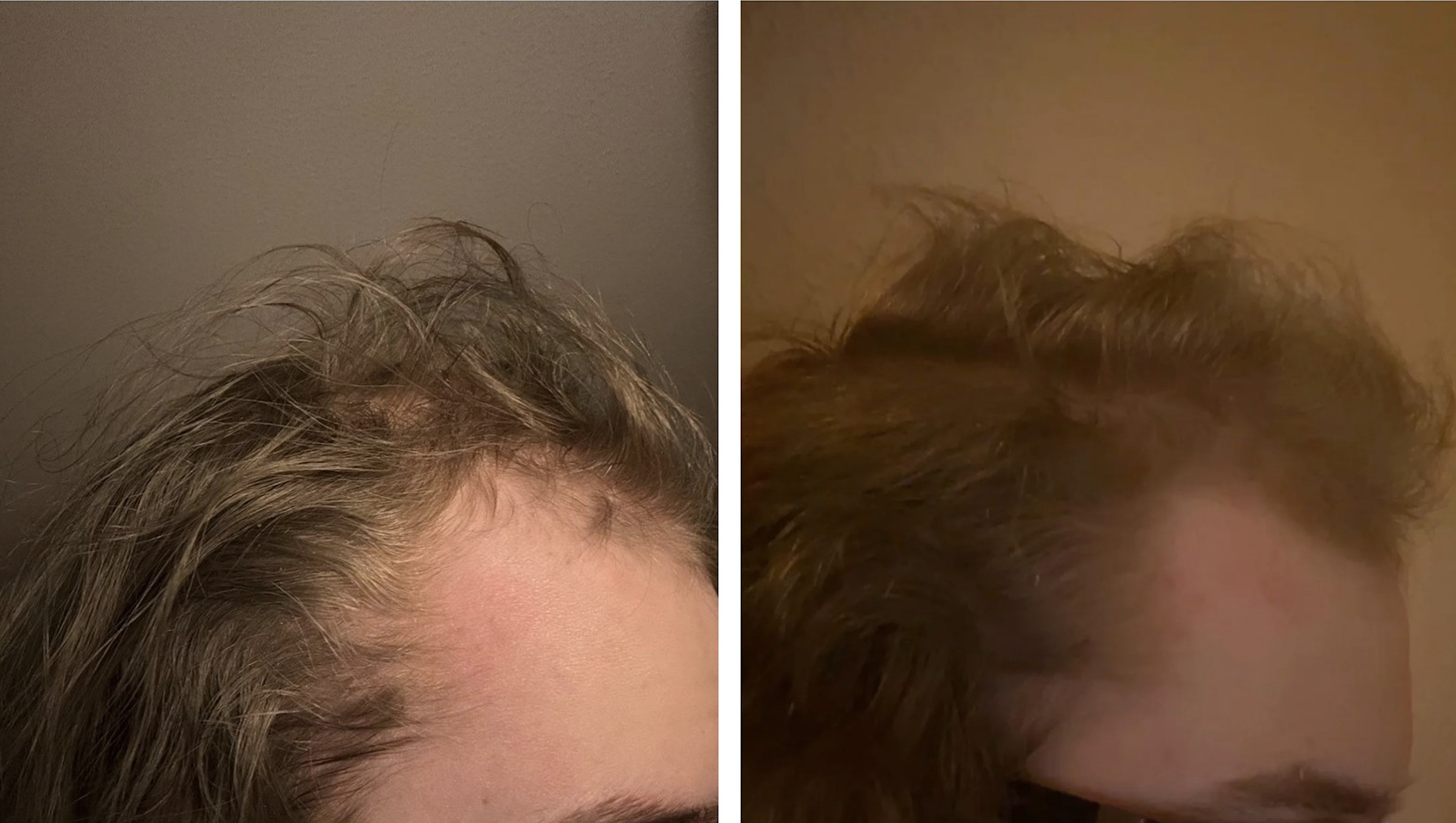
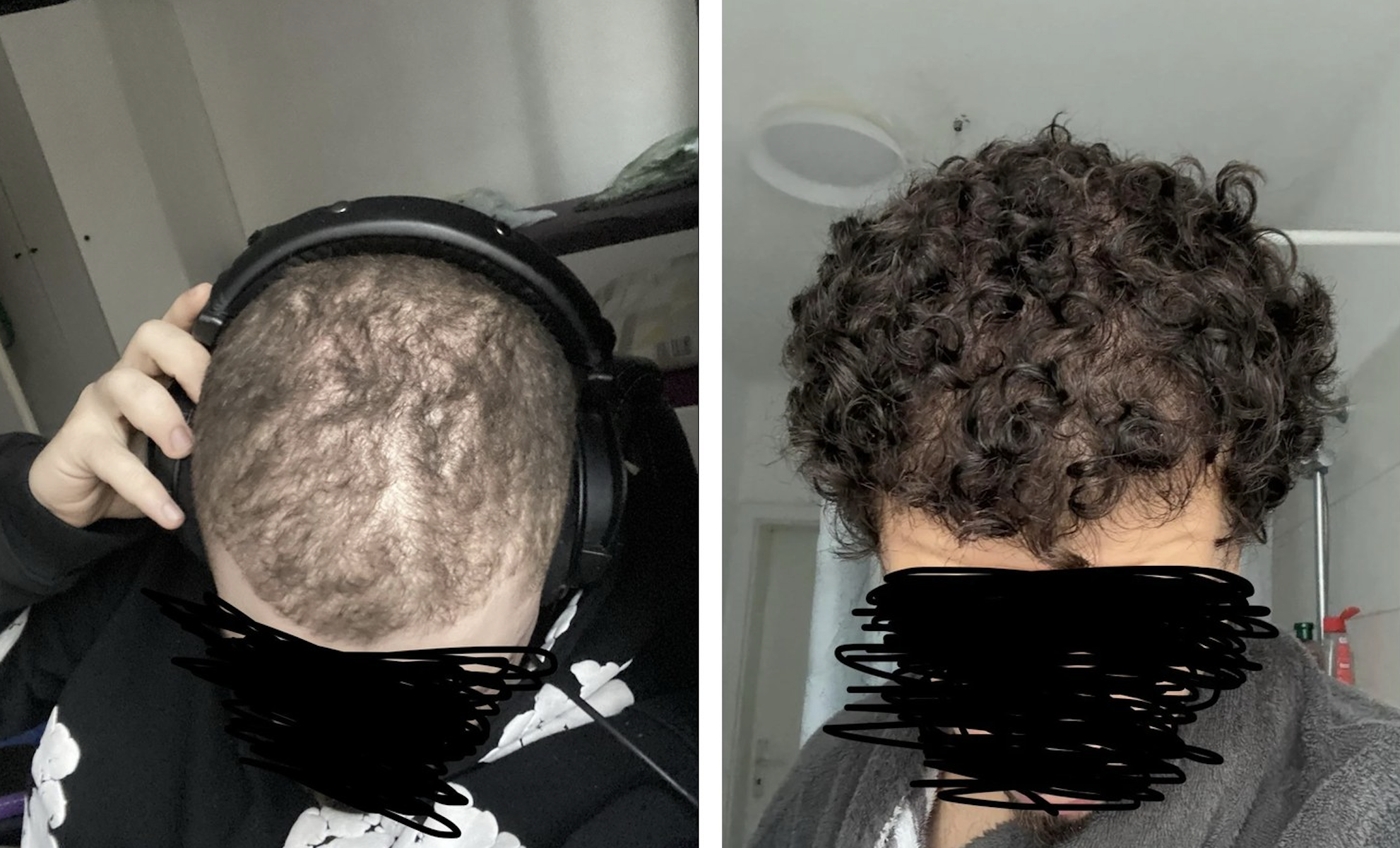
Case 4: Male, oral dutasteride and oral minoxidil (4 months; 2.5 mg and up to 5 mg daily)
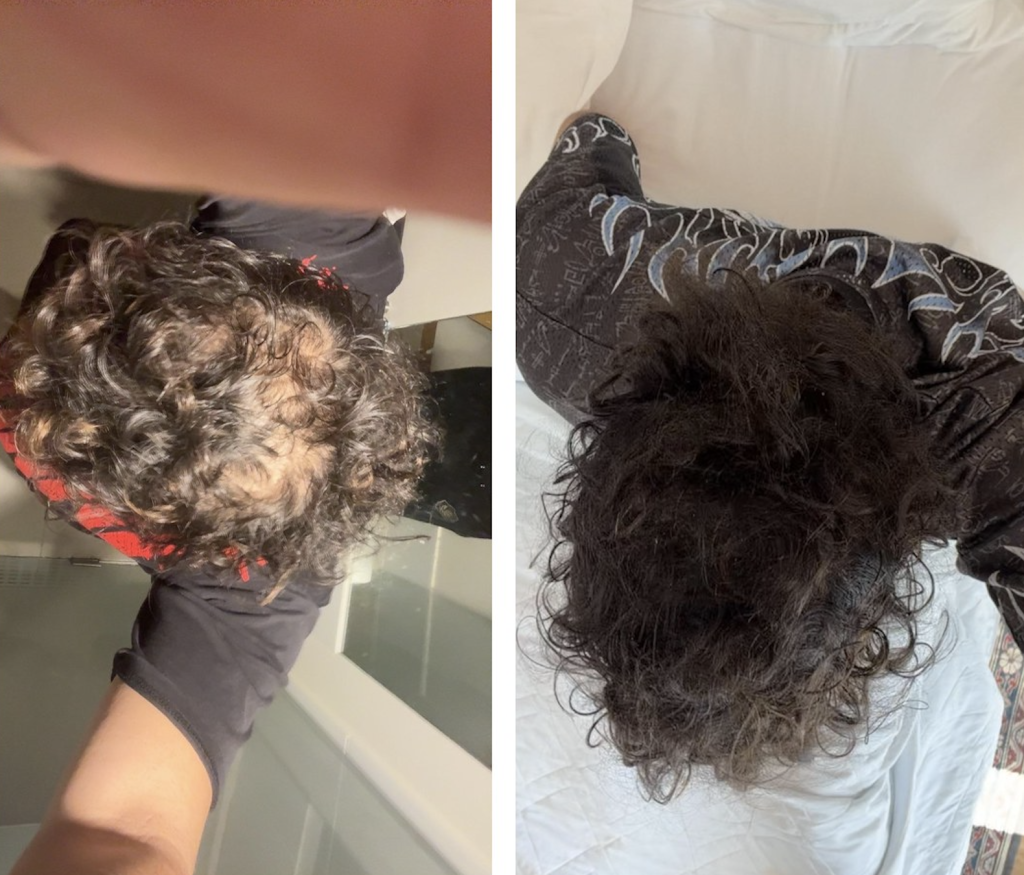
Source: u/ashenfallls via r/tressless (February 2026). Original Reddit post
This Redditor took 2.5 mg oral dutasteride alongside oral minoxidil, which he increased from 2.5 mg to 5 mg daily, for four months. He experienced heavy shedding in the first six weeks, then faster growth from around month two, and was satisfied with his progress by month four. He did not report libido or blood pressure-related side effects.
Case 5: Male (26), oral dutasteride and oral minoxidil (5 years total; approximately 18 months at 2.5 mg dutasteride)
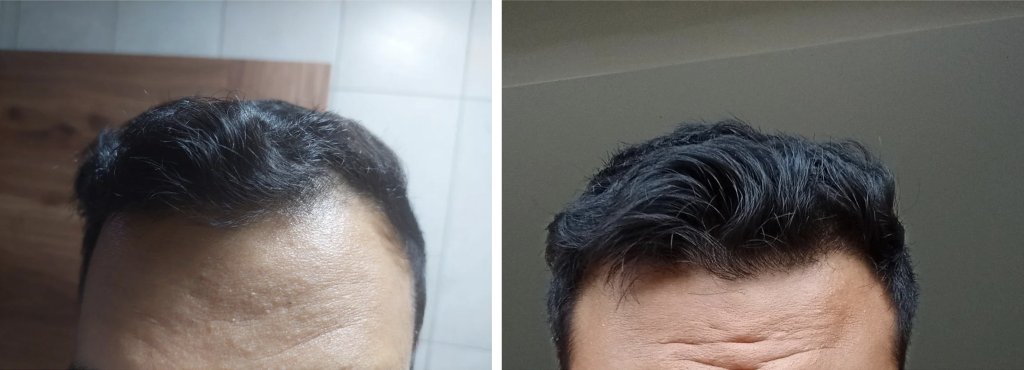
Source: u/LobsterIndependent29 via r/tressless (September 2026). Original Reddit post
This poster used 0.5 mg oral dutasteride for three and a half years before increasing to 2.5 mg under his dermatologist’s supervision, alongside 5 mg oral minoxidil. Over five years of treatment, he reported improved density and greater satisfaction with his hair, with no additional side effects after the dose increase.
Case 6: Male (19), oral dutasteride, minoxidil and RU58841 (approximately 1 year; 2.5 mg dutasteride daily)
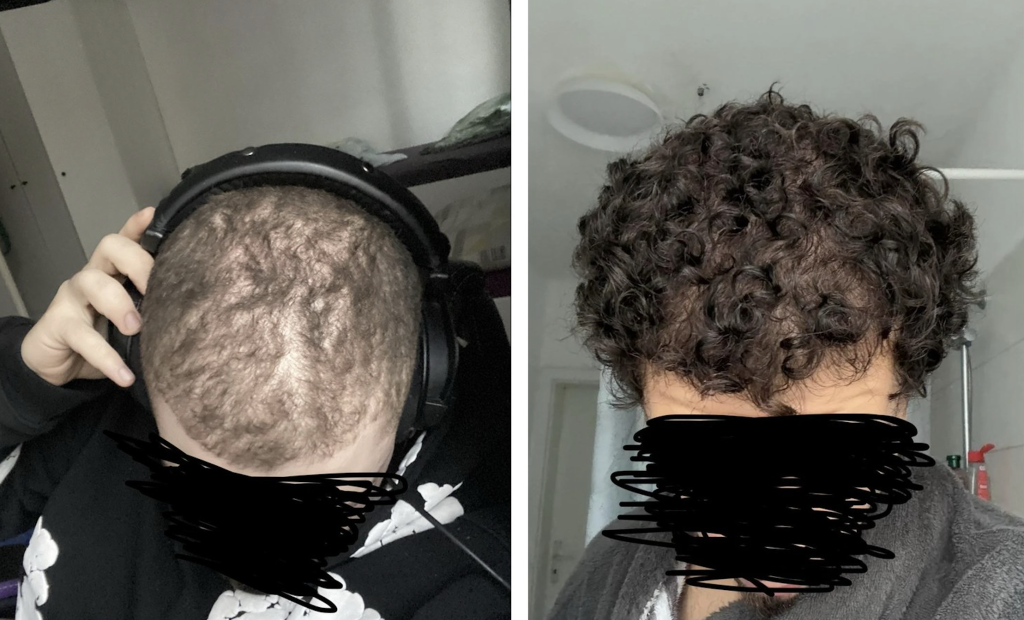
Source: u/Eastern_Talk_6727 via r/tressless (September 2026). Original Reddit post
This user used 2.5 mg oral dutasteride, 5% topical minoxidil, and 2% topical RU58841 for about a year, adding 2.5 mg oral minoxidil shortly before posting. With several treatments in use at once, the results demonstrated in these photos can’t be attributed to 2.5 mg dutasteride alone.
Case 7: Male (57), multiple treatments (1 year total; approximately 2 months at 2.5 mg dutasteride)
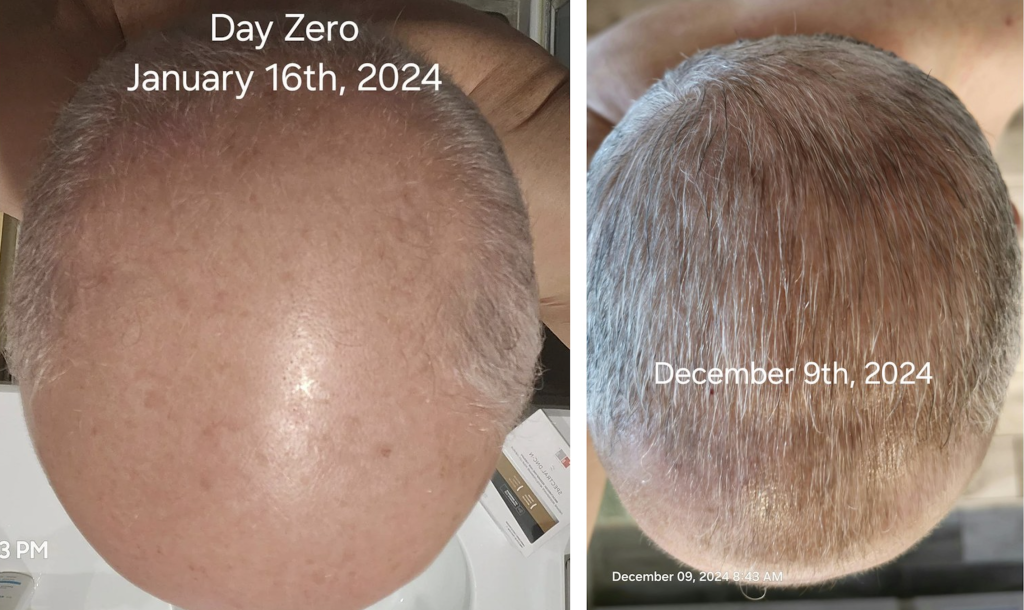
Source: u/gandalfpr via r/tressless (January 2025). Original Reddit post
This Redditor used 0.5 mg dutasteride for most of a year before increasing to 2.5 mg for the final two months, alongside finasteride, topical and oral minoxidil, topical antiandrogens, and light therapy. The short time at the higher dose and the number of concurrent treatments limit what can be attributed to 2.5 mg dutasteride.
Strategies to Optimize Dutasteride Response
To optimize your response to 2.5 mg dutasteride, consistency is key. Consistent use of medications and patience are your friends during treatment, as cosmetically significant regrowth can sometimes take 6-12 months to manifest.
Secondly, combination treatments may prove to be more effective than standalone therapies. Dutasteride suppresses DHT and can be combined with other treatments, like those that address additional mechanisms beyond DHT. Minoxidil acts as a hair growth stimulant, while treatments such as ketoconazole may help address inflammatory scalp conditions when indicated. Some patients also consider microneedling or other adjuncts.
Probable Regrowth Timeline
There is no well-established long-term regrowth timeline specific to 2.5 mg dutasteride. However, 2.5 mg dutasteride likely follows the same timeline as other DHT inhibitors. The stages below are therefore a broad guide, not a perfect prediction:
- Months 0–3: Some people experience an initial shed, or see little visible change. Early photographs may be difficult to interpret.
- Months 3–6: In the Olsen trial, changes in hair counts and photographic ratings were measurable by 24 weeks. Some users start to notice less shedding or more coverage in this window.
- Months 6 to 12: Further gains are possible with continued treatment.
- After 12 months: While this is where gains usually plateau, increases in hair density may continue to be realized beyond the 12-month mark.
Safety and Side Effects
Like 0.5 mg dutasteride, there is a risk of side effects when taking 2.5 mg dutasteride.
Studies show that dutasteride at a 0.5 mg dose typically has a low rate of side effects, comparable to, if not lower than, finasteride. However, at a 5x dose, there may be a higher risk of side effects when using 2.5 mg
According to the Olsen trial, overall adverse events were similar between 0.5 mg and 2.5 g, except there was a higher rate of decreased libido with the 2.5 mg dose.
However, no patients discontinued treatment for that reason; four reported resolution while continuing dutasteride, and two more reported resolution after stopping. This suggests that some symptoms were temporary and likely mild, given no participants dropped out due to the side effects.
Prostate studies using higher doses of dutasteride, like 2.5 mg, in prostate studies have also failed to find any significantly increased risks.
However, every risk profile is individual. If your goal is to use a higher dose of dutasteride, start with 0.5 mg, assess your tolerance, and titrate upwards if necessary.
Oral Dutasteride From our partners at UloInterested in 2.5 mg Dutasteride?
2.5 mg is the most powerful dose of dutasteride and lowers DHT by inhibiting both type 1 and 2 5a-reductase. Studies show it may lower scalp DHT by more than 0.5 mg dutasteride. Available through a licensed Ulo provider. Choose a multi-month plan and get free full-size gifts.
Free full-size gifts with 3-month+ plans Prescribed online, shipped to your door
Dual 5-AR inhibitionType 1 and type 2*Only available in the U.S. Online medical consultation required. Restrictions apply. Off-label products are not endorsed by the FDA. Free gifts included with select multi-month plans while supplies last. Ulo is a partner of Perfect Hair Health; we may earn a commission on purchases.
Practical Takeaways
- Dutasteride has an established AGA evidence base at 0.5 mg. A controlled AGA trial compared 2.5 mg to 0.5 mg and other smaller doses of dutasteride.
- In that 24-week hallmark trial, 2.5 mg produced the most dramatic increases to hair count and the strongest photographic rating.
- Scalp DHT suppression differed substantially between 0.5 mg and 2.5 mg (approximately 51% vs. 79%), even though serum DHT suppression was already near its maximum at 0.5 mg.
- Decreased libido was reported more often in the 2.5 mg group of the AGA trial. However, no participants dropped out due to side effects, and most side effects resolved during treatment. Additional studies in prostate research dose up to 5 mg daily.
Final Thoughts
Dutasteride is an off-label treatment for androgenetic alopecia, with growing popularity. It’s most commonly used at the 0.5 mg dose. However, 2.5 mg has also been explored as an escalated dose, demonstrating better improvements to hair density, steeper reductions to scalp DHT, and better overall hair growth compared to 0.5 mg. While it does come with an increased risk of decreased libido, studies suggest these effects are mild and often resolve with treatment. Given its profile, it represents a suitable option for escalating a hair loss protocol that ideally already includes 0.5 mg dutasteride or another DHT-reducing medication prior to switching.
References[+]
References ↑1 Harcha et al. (2014). Journal of the American Academy of Dermatology. https://doi.org/10.1016/j.jaad.2013.10.049 ↑2 Olsen et al. (2006). Journal of the American Academy of Dermatology. 55(6):1014–1023. https://doi.org/10.1016/j.jaad.2006.05.007 ↑3 Fossler, M., Zhu, J., Roehrborn, C., McAleese, P., Manyak, M. (2016). Impact of Formulation on the Pharmacokinetics of Dutasteride: Results from Two Phase I Studies. Clinical Drug Investigation. 36(9). 763–767. Available at: https://doi.org/10.1007/s40261-016-0419-6 Want help with your hair regrowth journey?
Get personalized support, product recommendations, video calls, and more from our researchers, trichologists, and PhD's dedicated to getting you the best possible outcomes.
Learn More
Perfect Hair Health Team
"... Can’t thank @Rob (PHH) and @sanderson17 enough for allowing me to understand a bit what was going on with me and why all these [things were] happening ... "

 — RDB, 35, New York, U.S.A.
"... There is a lot improvement that I am seeing and my scalp feel alive nowadays... Thanks everyone. "

 — Aayush, 20’s, Boston, MA
"... I can say that my hair volume/thickness is about 30% more than it was when I first started."

 — Douglas, 50’s, Montréal, Canada
Want help with your hair regrowth journey?
Get personalized support, product recommendations, video calls, and more from our researchers, trichologists, and PhD's dedicated to getting you the best possible outcomes.
Join Now - Mission Statement