- About
- Mission Statement
Education. Evidence. Regrowth.
- Education.
Prioritize knowledge. Make better choices.
- Evidence.
Sort good studies from the bad.
- Regrowth.
Get bigger hair gains.
Team MembersPhD's, resarchers, & consumer advocates.
- Rob English
Founder, researcher, & consumer advocate
- Research Team
Our team of PhD’s, researchers, & more
Editorial PolicyDiscover how we conduct our research.
ContactHave questions? Contact us.
Before-Afters- Transformation Photos
Our library of before-after photos.
- — Jenna, 31, U.S.A.
I have attached my before and afters of my progress since joining this group...
- — Tom, 30, U.K.
I’m convinced I’ve recovered to probably the hairline I had 3 years ago. Super stoked…
- — Rabih, 30’s, U.S.A.
My friends actually told me, “Your hairline improved. Your hair looks thicker...
- — RDB, 35, New York, U.S.A.
I also feel my hair has a different texture to it now…
- — Aayush, 20’s, Boston, MA
Firstly thank you for your work in this field. I am immensely grateful that...
- — Ben M., U.S.A
I just wanted to thank you for all your research, for introducing me to this method...
- — Raul, 50, Spain
To be honest I am having fun with all this and I still don’t know how much...
- — Lisa, 52, U.S.
I see a massive amount of regrowth that is all less than about 8 cm long...
Client Testimonials150+ member experiences.
 Scroll DownPopular Treatments
- Treatments
Popular treatments. But do they work?
- Finasteride
- Oral
- Topical
- Dutasteride
- Oral
- Topical
- Mesotherapy
- Minoxidil
- Oral
- Topical
- Ketoconazole
- Shampoo
- Topical
- Low-Level Laser Therapy
- Therapy
- Microneedling
- Therapy
- Platelet-Rich Plasma Therapy (PRP)
- Therapy
- Scalp Massages
- Therapy
- More
IngredientsTop-selling ingredients, quantified.
- Saw Palmetto
- Redensyl
- Melatonin
- Caffeine
- Biotin
- Rosemary Oil
- Lilac Stem Cells
- Hydrolyzed Wheat Protein
- Sodium Lauryl Sulfate
- More
ProductsThe truth about hair loss "best sellers".
- Minoxidil Tablets
Xyon Health
- Finasteride
Strut Health
- Hair Growth Supplements
Happy Head
- REVITA Tablets for Hair Growth Support
DS Laboratories
- FoliGROWTH Ultimate Hair Neutraceutical
Advanced Trichology
- Enhance Hair Density Serum
Fully Vital
- Topical Finasteride and Minoxidil
Xyon Health
- HairOmega Foaming Hair Growth Serum
DrFormulas
- Bio-Cleansing Shampoo
Revivogen MD
- more
Key MetricsStandardized rubrics to evaluate all treatments.
- Evidence Quality
Is this treatment well studied?
- Regrowth Potential
How much regrowth can you expect?
- Long-Term Viability
Is this treatment safe & sustainable?
Free Research- Free Resources
Apps, tools, guides, freebies, & more.
- Free CalculatorTopical Finasteride Calculator
- Free Interactive GuideInteractive Guide: What Causes Hair Loss?
- Free ResourceFree Guide: Standardized Scalp Massages
- Free Course7-Day Hair Loss Email Course
- Free DatabaseIngredients Database
- Free Interactive GuideInteractive Guide: Hair Loss Disorders
- Free DatabaseTreatment Guides
- Free Lab TestsProduct Lab Tests: Purity & Potency
- Free Video & Write-upEvidence Quality Masterclass
- Free Interactive GuideDermatology Appointment Guide
- More
Articles100+ free articles.
-
10 Best Shampoos for Hair Loss in 2026
-
XYON Review: Do Their Products Actually Regrow Hair?
-
Minoxidil Before and After Photos [2026] | Does It Work?
-
How to Get Finasteride: Is It Over the Counter?
-
Keeps Review: The Truth About Their Hair Loss Treatments?
-
7 Best Oils for Hair Growth
-
Hims Hair Growth Reviews: The Pros, Cons, and Real Results
-
Topical Finasteride Before and After: Real Case Studies
PublicationsOur team’s peer-reviewed studies.
- Microneedling and Its Use in Hair Loss Disorders: A Systematic Review
- Use of Botulinum Toxin for Androgenic Alopecia: A Systematic Review
- Conflicting Reports Regarding the Histopathological Features of Androgenic Alopecia
- Self-Assessments of Standardized Scalp Massages for Androgenic Alopecia: Survey Results
- A Hypothetical Pathogenesis Model For Androgenic Alopecia:Clarifying The Dihydrotestosterone Paradox And Rate-Limiting Recovery Factors
Menu- AboutAbout
- Mission Statement
Education. Evidence. Regrowth.
- Team Members
PhD's, resarchers, & consumer advocates.
- Editorial Policy
Discover how we conduct our research.
- Contact
Have questions? Contact us.
- Before-Afters
Before-Afters- Transformation Photos
Our library of before-after photos.
- Client Testimonials
Read the experiences of members
Before-Afters/ Client Testimonials- Popular Treatments
-
ArticlesHow to Get Finasteride: Is It Over the Counter?
First Published Mar 11 2026Last Updated Mar 15 2026Pharmaceutical Researched & Written By:Catherine Kennedy, PhD
 Reviewed By:Michael Williams, PhD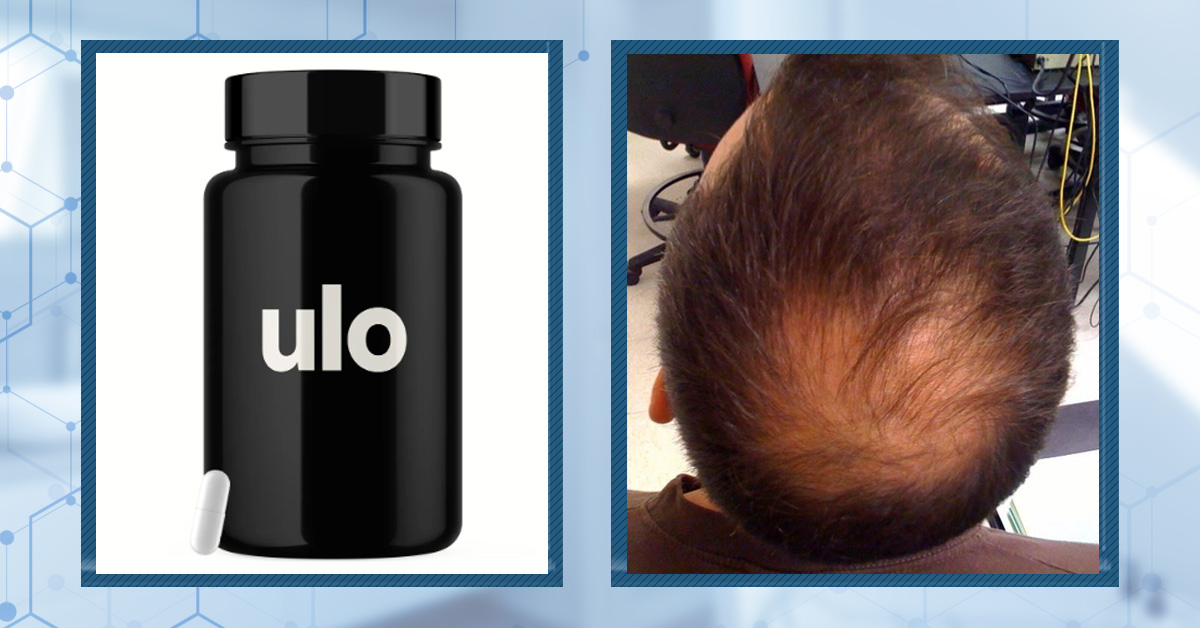
Want help with your hair regrowth journey?
Get personalized support, product recommendations, video calls, and more from our researchers, trichologists, and PhD's dedicated to getting you the best possible outcomes.
Learn MoreArticle Summary
Finasteride is a well-established, FDA-approved treatment for hair loss. In this article, we examine how finasteride actually works, what the clinical evidence shows about effectiveness and side effects, and why medical oversight matters. Learn how to access finasteride safely in the U.S.
Full Article
Finasteride is a prescription medication originally produced to treat benign prostatic hyperplasia (BPH), a non-cancerous enlargement of the prostate gland, and to treat hair loss in the form of androgenic alopecia (AGA).
This article will cover the history, evidence, and safety of finasteride, as well as easy and legitimate ways to purchase it safely in the U.S.
Interested in Oral Finasteride?
Oral finasteride & minoxidil available, if prescribed*
Take the next step in your hair regrowth journey. Get started today with a provider who can prescribe a topical solution tailored for you.
*Only available in the U.S. Prescriptions not guaranteed. Restrictions apply. Off-label products are not endorsed by the FDA.

What is Finasteride?
Finasteride is an FDA-approved prescription medication that is highly effective at promoting hair growth.
How Was Finasteride Discovered for Hair Loss?
Finasteride was first approved for use to treat BPH in 1992 after years of research into establishing dihydrotestosterone (DHT) as an important androgenic hormone controlling the enlargement of the prostate gland. DHT is crucial to the development of the prostate gland in fetuses, its enlargement during puberty, and its subsequent growth in later life (which can lead to BPH).[1]Marks, L.S., (2004). 5α-Reductase: History and Clinical Importance. Reviews in Urology. 6(Suppl 9). S11–S21. Available at: https://pmc.ncbi.nlm.nih.gov/articles/PMC1472916/
Scientists discovered that a deficiency in the 5-alpha reductase (5AR) enzyme caused the inhibition of the conversion of testosterone to DHT. They developed Finasteride as a drug to shrink the prostate by blocking the 5AR enzyme and therefore reducing levels of DHT and decreasing prostate size.[2]Stoner, E. (1990). The Clinical Development of a 5α-Reductase Inhibitor, Finasteride. The Journal of Steroid Biochemistry and Molecular Biology. 37(3). 375–378. Available at: … Continue reading
Historical summaries of BPH trials describe how men treated with finasteride for BPH also noticed improvements in hair growth, although this is not reported in any of the original trial reports. The first clinical trials investigating finasteride in hair loss were carried out in 1994, and finasteride was approved by the FDA in 1997.[3]U.S. Food and Drug Administration. (1997). Drug Approval Package. Available at: https://www.accessdata.fda.gov/drugsatfda_docs/nda/97/020788_propecia_toc.cfm (Accessed: 14 January 2026),[4]Libecco, J.F., Bergfeld, W.F., (2004). Finasteride in the Treatment of Alopecia. Expert Opinion on Pharmacotherapy. 5(4). 933–940. Available at: https://doi.org/10.1517/14656566.5.4.933
How Does Finasteride Work?
Similarly to BPH, the use of finasteride in hair loss also revolves around its inhibition of the 5AR enzyme.
Why Does Androgenic Alopecia Occur?
Androgenic alopecia (AGA), also known as male pattern baldness, occurs due to the progressive miniaturization of hair follicles in individuals susceptible to androgen (a type of sex hormone) sensitivity. The activation of the androgen receptor causes the growth phase of the hair cycle to shorten, leading to hair shedding and, in subsequent hair cycles, progressive miniaturization of hair.[5]Ho, C.H., Sood, T., Zito, P.M., (2024), Androgenetic Alopecia. Available at: https://www.ncbi.nlm.nih.gov/books/NBK430924/ (Accessed: 07 January 2026)
DHT is an androgen; it binds to the androgen receptor in hair follicles and drives follicular miniaturization. Both DHT and 5AR (the enzyme responsible for converting testosterone into DHT, as discussed above) have been shown to appear at high levels in balding areas of the scalp compared to hair-containing scalp.[6]Dallob, A.L., Sadick, N.S., Unger, W., Lipert, S., Geissler, L.A., Gregoire, S.L., Nguyen, H.H., Moore, E.C. and Tanaka, W.K. (1994). The Effect of Finasteride, a 5 Alpha-Reductase Inhibitor, on … Continue reading
How Does Finasteride Promote Hair Growth?
Finasteride blocks the activity of the 5AR enzyme in the scalp and the serum, preventing it from converting testosterone to DHT and therefore lowering levels of DHT. Lower DHT results in less activation of the androgen receptor and therefore less follicle miniaturization, leading to reduced hair loss and the promotion of hair growth.
Finasteride is an effective suppressor of DHT. It has a non-linear dose-response curve, meaning that even very low levels of finasteride (≤0.2 mg/day) can produce high levels of DHT suppression. In fact, the majority of its inhibitory action occurs at low doses, with higher doses barely providing additional effects.[7]Drake, L., Hordinsky, M., Fiedler, V., et al., (1999). The Effects of Finasteride on Scalp Skin and Serum Androgen Levels in Men with Androgenetic Alopecia. Journal of the American Academy of … Continue reading
What Does the Science Show?
The clinical effectiveness of finasteride in inhibiting DHT and improving hair growth has been demonstrated in multiple clinical trials, including:
- Kaufman et al., 1998: Two 1-year placebo-controlled trials with 1553 men total. Fixed dose of 1 mg/day.[8]Kaufman, K.D., Olsen, E.A., Whiting, D., et al. (1998). Finasteride in the Treatment of Men with Androgenetic Alopecia. Journal of the American Academy of Dermatology. 39(4 Pt 1). 578–589. … Continue reading
Demonstrated that finasteride treatment improved all of their measured scalp parameters, including significant increases in hair count in an area of balding scalp, photographic evidence, and patient self-assessment.
- Leyden et al., 1999: 12-month placebo-controlled trial with 326 men total. Fixed dose of 1 mg/day.[9]Leyden, J., Dunlap, F., Miller, B., et al., (1999). Finasteride in the Treatment of Men with Frontal Male Pattern Hair Loss. Journal of the American Academy of Dermatology. 40(6). 930–937. … Continue reading
Finasteride significantly improved hair count in the frontal-scalp region, in addition to patient, investigator, and photographic assessments.
- Roberts et al., 1999: Two placebo-controlled trials. The first trial was a year-long trial with 227 men using a fixed dose of 5 mg/day. The second trial was a six-month trial with 466 men using either 0.01, 0.2, or 1 mg/day.[10]Roberts, J.L., Fiedler, V., Imperato-McGinley, J., et al., (1999). Clinical Dose Ranging Studies with Finasteride, a Type 2 5α-Reductase Inhibitor, in Men with Male Pattern Hair Loss. Journal of the … Continue reading
Both trials demonstrated a significant increase in hair count with the use of finasteride compared to the placebo (with the exception of the 0.01 mg/day dose). Significant improvements were further seen in patient self-assessments, investigator assessments, and photographic assessments. They also demonstrated a significant decrease in DHT levels in the serum.
- Drake et al., 1999: Men with AGA underwent scalp biopsies before and after 42 days of finasteride treatment at 0.01, 0.05, 0.2, 1, or 5 mg/day or placebo.[11]Drake, L., Hordinsky, M., Fiedler, V., et al., (1999). The Effects of Finasteride on Scalp Skin and Serum Androgen Levels in Men with Androgenetic Alopecia. Journal of the American Academy of … Continue reading
Demonstrated that finasteride treatment significantly decreased levels of DHT in both the scalp and the serum. Doses as low as 0.2 mg/day lowered DHT by 56.5% in the scalp and 68.6% in the serum. Maximum inhibition of 69.4% in the scalp and 72.2% in the serum was seen with a 5 mg/day dose. No assessment of hair loss was carried out.
- Van Neste et al., 2001: 48-week placebo-controlled trial with 212 men. Fixed dose of 1 mg/day.[12]Van Neste, D., Fuh, V., Sanchez-Pedreno, P., et al., (2000). Finasteride Increases Anagen Hair in Men with Androgenetic Alopecia. British Journal of Dermatology. 143(4). 804–810. Available at: … Continue reading
Finasteride treatment significantly increased the total hair count compared to placebo treatment. They also showed that finasteride treatment improved the ratio of anagen (growth) to telogen (resting) in the hair growth cycle by 47%.
- The Finasteride Male Pattern Hair Loss Study Group, 2002: 5-year placebo-controlled trial (an initial 1-year trial with four 1-year extension studies). Fixed dose of 1 mg/day.[13]Finasteride Male Pattern Hair Loss Study Group, (2002). Long-Term (5-Year) Multinational Experience with Finasteride 1 mg in the Treatment of Men with Androgenetic Alopecia. European Journal of … Continue reading
A significant improvement in hair counts and patient, investigator, and photographic assessments was seen over 5 years. Treatment with the placebo resulted in progressive hair loss over the 5 years.
- Price et al., 2006: 4-year placebo-controlled trial. Fixed dose of 1 mg/day.[14]Price, V.H., Menefee, E., Sanchez, M., Kaufman, K.D., (2006). Changes in Hair Weight in Men with Androgenetic Alopecia after Treatment with Finasteride (1 mg Daily): Three- and Four-Year Results. … Continue reading
Finasteride increased both hair weight and hair counts, demonstrating that increased hair length and thickness may contribute to finasteride’s effects in addition to the increased number of hairs.
Why is Finasteride Prescription-Only?
Finasteride is not an over-the-counter drug in the U.S.; it is only available via prescription.
Finasteride is a hormone-modulating drug with associated risks and monitoring requirements, making medical supervision necessary.
While generally well-tolerated, finasteride is associated with several possible side effects. These can be more serious in certain populations, such as women, making consultation with a medical professional essential before starting finasteride treatment.
Potential Finasteride Side Effects
The average person trying finasteride has no noticeable side effects and significant hair gain. However, there is the potential that an individual will experience side effects.
Sexual Side Effects
Sexual side effects may include:
- Reduced libido
- Erectile dysfunction
- Decreased ejaculatory volume
These are thought to occur as a result of lowered levels of DHT, altered neurosteroids in the brain and spinal cord (affecting the transmission of certain signals), and increased androgen redistribution.
How Common are Sexual Side Effects?
The original FDA registration trials found that sexual side effects were only seen in 1.8% of men (compared to 1.3% in the placebo group), suggesting a rate of only 1 in 200 people. Other studies have found higher rates of sexual side effects, with more conservative estimates of up to 15% of users affected.[15]Mysore, V., (2012). Finasteride and Sexual Side Effects. Indian Dermatology Online Journal. 3(1). 62–65. Available at: https://pmc.ncbi.nlm.nih.gov/articles/PMC3481923/,[16]Zito, P.M., Bistas, K.G., Patel, P., Syed, K. (2025). Finasteride. In: StatPearls [Internet]. Treasure Island (FL): StatPearls Publishing; 2025 Jan–. Available at: … Continue reading
In addition, the “nocebo” phenomenon may increase reports of side effects. In this phenomenon, a patient may experience negative symptoms or worse outcomes due to being informed that the product may cause them harm. A small study investigating this in BPH patients treated with 5 mg/day finasteride showed that the group told in advance about potential sexual side effects had a significantly higher number of people reporting sexual side effects than the group who were not told in advance (43.6% vs. 15.3%).[17]Mondaini, N., Gontero, P., Giubilei, G., Lombardi, G., Cai, T., Gavazzi, A. and Bartoletti, R. (2007). Finasteride 5 mg And Sexual Side Effects: How Many Of These Are Related To A Nocebo Phenomenon? … Continue reading
Other Side Effects
Cognitive Effects
Some users have reported cognitive issues, such as memory lapses or “brain fog”, while on finasteride. These have not been widely reported and are not well documented in human trials, potentially due to their subtle and subjective nature.
An animal study investigating these effects found that rodents given extremely high doses of finasteride (equivalent to a year’s worth of finasteride per day) showed signs of inflammation in their brains and depressive-like behaviour after withdrawal. While this study does demonstrate that finasteride has the potential to alter brain chemistry, it cannot be directly applied to humans due to the differences in how rodent and human brains work and due to the incredibly high dose used.[18]Diviccaro, S., Giatti, S., Borgo, F., et al., (2019). Treatment of Male Rats with Finasteride, an Inhibitor of 5alpha-Reductase Enzyme, Induces Long-Lasting Effects on Depressive-Like Behavior, … Continue reading
This study, combined with the anecdotal reports of cognitive issues, should be considered by a medical professional when prescribing to an individual with pre-existing depression, anxiety, or bipolar disorder, as they may be more susceptible to the mood-related effects of finasteride.
That said, hair loss itself is often a cause of psychological stress in men and women, with finasteride use often providing people with psychological relief.
Risks in Pregnancy
Finasteride should not be taken by women who are trying to conceive, pregnant, breastfeeding, or those who are not on birth control. This is because DHT is crucial to fetal development, particularly for male babies. As a result, exposure to finasteride risks mutation or inhibition of the male fetus’s genitalia development.[19]Finasteride. In: MotherToBaby | Fact Sheets. (1994). Organization of Teratology Information Specialists (OTIS). Available at: http://www.ncbi.nlm.nih.gov/books/NBK582707/ (Accessed: 15 January 2026)
Finasteride remains in the body for approximately 30 days after use; so doctors recommend that women trying to conceive should stop taking the drug for at least a month before conception.
The evidence for risks in men trying to conceive is less definite. One study found a potential connection between men conceiving while on finasteride and an increased likelihood of male babies having a congenital anomaly called “cryptorchidism” (undescended testicles).[20]Zeng, Y., Lin, W., Zhuang, W., (2025). Safety Concerns of Paternal Drug Exposure on Fertility, Pregnancy and Offspring: An Analysis Based on the FDA Adverse Event Reporting System. Andrology. 13(6). … Continue reading The findings of this paper have been thoroughly discussed in our article here. However, the current evidence does not justify major concern but provides another reason why a prescription is required for finasteride use.
For more information on finasteride use when trying to conceive, see our article here.
Further Hormonal Effects
The DHT-reducing effects of finasteride can have knock-on effects on other hormones, namely a mild increase in testosterone, which can then be converted to estradiol (a type of estrogen).[21]Lee, Y.R., Im, E., Kim, H., Lew, B.L., Sim, W.-Y., Lee, J., Oh, H.B., Paeng, K.J., Hong, J., Chung, B.C. (2020). Untargeted Metabolomics and Steroid Signatures in Urine of Male Pattern Baldness … Continue reading
In some men, a mild increase in estradiol can lead to:
- Gynecomastia (male breast tissue development)
- Nipple tenderness
- Water retention and puffier facial appearance
- Fat redistribution
All of these side effects are relatively rare, and some lack anything more than anecdotal evidence. However, the potential seriousness of side effects reveals the importance of medical screening and clinician oversight, and necessitates that finasteride be a prescription-only drug.
How to Get Finasteride in the U.S?
Finasteride can easily be obtained in the U.S. by obtaining a prescription from a licensed prescriber and then taking the prescription to a pharmacy. There are three main options for getting prescribed finasteride:
- From your primary care doctor: licensed doctors are the most common prescribers of finasteride for BPH and AGA. Their detailed knowledge of a patient’s medical history and their expertise in drug-drug interactions and side effects can help them counsel patients on nuanced risks and rewards.
- From your dermatologist: dermatologists will have an in-depth knowledge of AGA, with the ability to distinguish different forms of alopecia. Their understanding of AGA staging, response patterns, and alternative or adjunctive therapies will ensure that individuals receive optimal treatments. They will also have a greater knowledge of off-label uses of products, such as topical finasteride.
- Via a telehealth platform: telehealth platforms are a highly convenient and rapid method of gaining access to finasteride. They commonly work with board-certified dermatologists and medical professionals to ensure correct diagnosis. Evaluations of telehealth platforms have shown high customer satisfaction and accurate diagnoses.[22]Young, P.C., Mahajan, C., Shapiro, J., Tosti, A. (2023). Digital Health Platforms Expand Access and Improve Care for Male Androgenetic Alopecia. International Journal of Dermatology. 62(2). … Continue reading,[23]von Büren, J., Hansen, I., Kött, J., et al., (2023). Patient-Reported Treatment Outcomes and Safety of Direct-to-Consumer Teledermatology for Finasteride Treatment in Male Androgenetic Alopecia: A … Continue reading
The Dangers of Buying Finasteride Without a Prescription
Buying finasteride from unregulated sources where a prescription is not needed can be dangerous due to several reasons:
- Unregulated or counterfeit drugs can suffer from poor product quality and contamination with other drugs. Their lack of regulation means that people are not checking that the contents of the drug match what is being sold. This could result in serious side effects and dangerous drug interactions.
- The dose of finasteride within such drugs is unknown. Lower doses may fail to have the desired effect on hair loss, whereas high doses will increase the risk of side effects.
- Bypassing a prescriber removes controls in place to protect individuals from being prescribed the wrong drug or receiving a drug that may exacerbate or cause health problems.
When obtaining a legal prescription for finasteride is so simple (particularly now that telehealth prescribers are in operation), it is unwise to attempt to buy it from unregulated sites where a prescription is not needed.
Ulo: Our Telehealth Partner
If you’re in the U.S., and you’re curious about finasteride, we cofounded the company, Ulo, to provide services that facilitate your access to hair loss medications like finasteride, pending a doctor’s review.
Ulo is a telehealth brand focused on offering hair growth treatments that prioritize scientific evidence, personalization, and consumer safety. Ulo offers both over-the-counter products and access to prescriptions, connecting customers with licensed healthcare providers where necessary to prescribe appropriate treatments. After 10+ years of consumer advocacy, Perfect Hair Health helped cofound Ulo to finally tackle dosing & formulation problems that have remained unaddressed by the hair loss industry for years.
Ulo is focused on evidence-based prescribing. After choosing a treatment, you will receive a medical intake form and be assigned a doctor, usually within an hour of purchase. Your information will be reviewed, any inquiries addressed, and your prescription will be confirmed.
The prescription will be sent to the pharmacy, which will prepare and ship your treatment straight to your door. Prescribed medicines are filled by trusted U.S. pharmacies to ensure that the products are of high quality and reliability.
Ulo continues to offer support, even once you have received your product, providing personalized, ongoing care and guidance from their experienced licensed prescribers.
Ulo was co-founded by Perfect Hair Health, meaning that it perfectly aligns with Perfect Hair Health’s science-first philosophy. They carefully assess product ingredients and only include those that have sufficient evidence supporting their safety and effectiveness; they do not include “trending” ingredients, but only those that can get you results without compromising safety.
For more information on Ulo, read our article here.
Final Thoughts
Finasteride is a well-studied, effective, and FDA-approved treatment for AGA, with many high-quality clinical trials providing extensive evidence both for its ability to promote hair growth and for supporting its safety profile. It is a hormone-modulating medication, which is why understanding its mechanism, benefits, and potential risks is important before starting treatment.
For the vast majority of users, finasteride is well-tolerated and highly effective. However, the potential for side effects and harm that can be caused if used incorrectly makes obtaining finasteride through the correct channels essential. Finasteride can be accessed through a licensed prescriber; this ensures the correct diagnosis, personalized risk assessments, and access to safe, regulated products.
When used correctly and as part of a wider, evidence-based hair loss strategy, finasteride is a powerful tool for long-term hair preservation.
References[+]
References ↑1 Marks, L.S., (2004). 5α-Reductase: History and Clinical Importance. Reviews in Urology. 6(Suppl 9). S11–S21. Available at: https://pmc.ncbi.nlm.nih.gov/articles/PMC1472916/ ↑2 Stoner, E. (1990). The Clinical Development of a 5α-Reductase Inhibitor, Finasteride. The Journal of Steroid Biochemistry and Molecular Biology. 37(3). 375–378. Available at: https://doi.org/10.1016/0960-0760(90)90487-6 ↑3 U.S. Food and Drug Administration. (1997). Drug Approval Package. Available at: https://www.accessdata.fda.gov/drugsatfda_docs/nda/97/020788_propecia_toc.cfm (Accessed: 14 January 2026) ↑4 Libecco, J.F., Bergfeld, W.F., (2004). Finasteride in the Treatment of Alopecia. Expert Opinion on Pharmacotherapy. 5(4). 933–940. Available at: https://doi.org/10.1517/14656566.5.4.933 ↑5 Ho, C.H., Sood, T., Zito, P.M., (2024), Androgenetic Alopecia. Available at: https://www.ncbi.nlm.nih.gov/books/NBK430924/ (Accessed: 07 January 2026) ↑6 Dallob, A.L., Sadick, N.S., Unger, W., Lipert, S., Geissler, L.A., Gregoire, S.L., Nguyen, H.H., Moore, E.C. and Tanaka, W.K. (1994). The Effect of Finasteride, a 5 Alpha-Reductase Inhibitor, on Scalp Skin Testosterone and Dihydrotestosterone Concentrations in Patients with Male Pattern Baldness. J Clin Endocrinol Metab. 79(3), pp.703-706. Available at: https://doi.org/10.1210/jcem.79.3.8077349 ↑7, ↑11 Drake, L., Hordinsky, M., Fiedler, V., et al., (1999). The Effects of Finasteride on Scalp Skin and Serum Androgen Levels in Men with Androgenetic Alopecia. Journal of the American Academy of Dermatology. 41(4). 550–554. Available at: https://doi.org/10.1016/S0190-9622(99)80051-6 ↑8 Kaufman, K.D., Olsen, E.A., Whiting, D., et al. (1998). Finasteride in the Treatment of Men with Androgenetic Alopecia. Journal of the American Academy of Dermatology. 39(4 Pt 1). 578–589. Available at: https://doi.org/10.1016/S0190-9622(98)70007-6 ↑9 Leyden, J., Dunlap, F., Miller, B., et al., (1999). Finasteride in the Treatment of Men with Frontal Male Pattern Hair Loss. Journal of the American Academy of Dermatology. 40(6). 930–937. Available at: https://doi.org/10.1016/S0190-9622(99)70081-2 ↑10 Roberts, J.L., Fiedler, V., Imperato-McGinley, J., et al., (1999). Clinical Dose Ranging Studies with Finasteride, a Type 2 5α-Reductase Inhibitor, in Men with Male Pattern Hair Loss. Journal of the American Academy of Dermatology. 41(4). 555–563. Available at: https://doi.org/10.1016/S0190-9622(99)80052-8 ↑12 Van Neste, D., Fuh, V., Sanchez-Pedreno, P., et al., (2000). Finasteride Increases Anagen Hair in Men with Androgenetic Alopecia. British Journal of Dermatology. 143(4). 804–810. Available at: https://doi.org/10.1046/j.1365-2133.2000.03780.x ↑13 Finasteride Male Pattern Hair Loss Study Group, (2002). Long-Term (5-Year) Multinational Experience with Finasteride 1 mg in the Treatment of Men with Androgenetic Alopecia. European Journal of Dermatology. 12(1). 38–49. Available at: https://pubmed.ncbi.nlm.nih.gov/11809594/ ↑14 Price, V.H., Menefee, E., Sanchez, M., Kaufman, K.D., (2006). Changes in Hair Weight in Men with Androgenetic Alopecia after Treatment with Finasteride (1 mg Daily): Three- and Four-Year Results. Journal of the American Academy of Dermatology. 55(1). 71–74. Available at: https://doi.org/10.1016/j.jaad.2005.07.001 ↑15 Mysore, V., (2012). Finasteride and Sexual Side Effects. Indian Dermatology Online Journal. 3(1). 62–65. Available at: https://pmc.ncbi.nlm.nih.gov/articles/PMC3481923/ ↑16 Zito, P.M., Bistas, K.G., Patel, P., Syed, K. (2025). Finasteride. In: StatPearls [Internet]. Treasure Island (FL): StatPearls Publishing; 2025 Jan–. Available at: https://www.ncbi.nlm.nih.gov/books/NBK513329/ ↑17 Mondaini, N., Gontero, P., Giubilei, G., Lombardi, G., Cai, T., Gavazzi, A. and Bartoletti, R. (2007). Finasteride 5 mg And Sexual Side Effects: How Many Of These Are Related To A Nocebo Phenomenon? Journal Of Sexual Medicine. 4(6), pp.1708–1712. Available at: https://pubmed.ncbi.nlm.nih.gov/17655657/ ↑18 Diviccaro, S., Giatti, S., Borgo, F., et al., (2019). Treatment of Male Rats with Finasteride, an Inhibitor of 5alpha-Reductase Enzyme, Induces Long-Lasting Effects on Depressive-Like Behavior, Hippocampal Neurogenesis, Neuroinflammation and Gut Microbiota Composition. Psychoneuroendocrinology. 99. 206–215. Available at: https://doi.org/10.1016/j.psyneuen.2018.09.021 ↑19 Finasteride. In: MotherToBaby | Fact Sheets. (1994). Organization of Teratology Information Specialists (OTIS). Available at: http://www.ncbi.nlm.nih.gov/books/NBK582707/ (Accessed: 15 January 2026) ↑20 Zeng, Y., Lin, W., Zhuang, W., (2025). Safety Concerns of Paternal Drug Exposure on Fertility, Pregnancy and Offspring: An Analysis Based on the FDA Adverse Event Reporting System. Andrology. 13(6). 1420–1431. Available at: https://doi.org/10.1111/andr.13790 ↑21 Lee, Y.R., Im, E., Kim, H., Lew, B.L., Sim, W.-Y., Lee, J., Oh, H.B., Paeng, K.J., Hong, J., Chung, B.C. (2020). Untargeted Metabolomics and Steroid Signatures in Urine of Male Pattern Baldness Patients after Finasteride Treatment for a Year. Metabolites. 10(4). 131. Available at: https://doi.org/10.3390/metabo10040131 ↑22 Young, P.C., Mahajan, C., Shapiro, J., Tosti, A. (2023). Digital Health Platforms Expand Access and Improve Care for Male Androgenetic Alopecia. International Journal of Dermatology. 62(2). 217–220. Available at: https://doi.org/10.1111/ijd.16452 ↑23 von Büren, J., Hansen, I., Kött, J., et al., (2023). Patient-Reported Treatment Outcomes and Safety of Direct-to-Consumer Teledermatology for Finasteride Treatment in Male Androgenetic Alopecia: A Cross-Sectional Study. Digital Health. 9. 20552076231205740. Available at: https://doi.org/10.1177/20552076231205740 Want help with your hair regrowth journey?
Get personalized support, product recommendations, video calls, and more from our researchers, trichologists, and PhD's dedicated to getting you the best possible outcomes.
Learn More
Catherine Kennedy, PhD
Catherine is a scientist and researcher with a background in biosciences and clinical neuroscience. She completed an integrated master’s degree in Biosciences (MBiol) before earning a PhD in Clinical Neurosciences at the University of Cambridge. Throughout her career, she has contributed to the scientific literature through the publication of numerous peer-reviewed research papers.
"... Can’t thank @Rob (PHH) and @sanderson17 enough for allowing me to understand a bit what was going on with me and why all these [things were] happening ... "
— RDB, 35, New York, U.S.A."... There is a lot improvement that I am seeing and my scalp feel alive nowadays... Thanks everyone. "
— Aayush, 20’s, Boston, MA"... I can say that my hair volume/thickness is about 30% more than it was when I first started."
— Douglas, 50’s, Montréal, CanadaWant help with your hair regrowth journey?
Get personalized support, product recommendations, video calls, and more from our researchers, trichologists, and PhD's dedicated to getting you the best possible outcomes.
Join Now - Mission Statement
 Scroll Down
 More
More More
More