- About
- Mission Statement
Education. Evidence. Regrowth.
- Education.
Prioritize knowledge. Make better choices.
- Evidence.
Sort good studies from the bad.
- Regrowth.
Get bigger hair gains.
Team MembersPhD's, resarchers, & consumer advocates.
- Rob English
Founder, researcher, & consumer advocate
- Research Team
Our team of PhD’s, researchers, & more
Editorial PolicyDiscover how we conduct our research.
ContactHave questions? Contact us.
Before-Afters- Transformation Photos
Our library of before-after photos.
- — Jenna, 31, U.S.A.
I have attached my before and afters of my progress since joining this group...
- — Tom, 30, U.K.
I’m convinced I’ve recovered to probably the hairline I had 3 years ago. Super stoked…
- — Rabih, 30’s, U.S.A.
My friends actually told me, “Your hairline improved. Your hair looks thicker...
- — RDB, 35, New York, U.S.A.
I also feel my hair has a different texture to it now…
- — Aayush, 20’s, Boston, MA
Firstly thank you for your work in this field. I am immensely grateful that...
- — Ben M., U.S.A
I just wanted to thank you for all your research, for introducing me to this method...
- — Raul, 50, Spain
To be honest I am having fun with all this and I still don’t know how much...
- — Lisa, 52, U.S.
I see a massive amount of regrowth that is all less than about 8 cm long...
Client Testimonials150+ member experiences.
 Scroll DownPopular Treatments
- Treatments
Popular treatments. But do they work?
- Finasteride
- Oral
- Topical
- Dutasteride
- Oral
- Topical
- Mesotherapy
- Minoxidil
- Oral
- Topical
- Ketoconazole
- Shampoo
- Topical
- Low-Level Laser Therapy
- Therapy
- Microneedling
- Therapy
- Platelet-Rich Plasma Therapy (PRP)
- Therapy
- Scalp Massages
- Therapy
- More
IngredientsTop-selling ingredients, quantified.
- Saw Palmetto
- Redensyl
- Melatonin
- Caffeine
- Biotin
- Rosemary Oil
- Lilac Stem Cells
- Hydrolyzed Wheat Protein
- Sodium Lauryl Sulfate
- More
ProductsThe truth about hair loss "best sellers".
- Minoxidil Tablets
Xyon Health
- Finasteride
Strut Health
- Hair Growth Supplements
Happy Head
- REVITA Tablets for Hair Growth Support
DS Laboratories
- FoliGROWTH Ultimate Hair Neutraceutical
Advanced Trichology
- Enhance Hair Density Serum
Fully Vital
- Topical Finasteride and Minoxidil
Xyon Health
- HairOmega Foaming Hair Growth Serum
DrFormulas
- Bio-Cleansing Shampoo
Revivogen MD
- more
Key MetricsStandardized rubrics to evaluate all treatments.
- Evidence Quality
Is this treatment well studied?
- Regrowth Potential
How much regrowth can you expect?
- Long-Term Viability
Is this treatment safe & sustainable?
Free Research- Free Resources
Apps, tools, guides, freebies, & more.
- Free CalculatorTopical Finasteride Calculator
- Free Interactive GuideInteractive Guide: What Causes Hair Loss?
- Free ResourceFree Guide: Standardized Scalp Massages
- Free Course7-Day Hair Loss Email Course
- Free DatabaseIngredients Database
- Free Interactive GuideInteractive Guide: Hair Loss Disorders
- Free DatabaseTreatment Guides
- Free Lab TestsProduct Lab Tests: Purity & Potency
- Free Video & Write-upEvidence Quality Masterclass
- Free Interactive GuideDermatology Appointment Guide
- More
Articles100+ free articles.
-
Does Anavar Cause Hair Loss?
-
10 Best Shampoos for Hair Loss in 2026
-
XYON Review: Do Their Products Actually Regrow Hair?
-
Minoxidil Before and After Photos [2026] | Does It Work?
-
How to Get Finasteride: Is It Over the Counter?
-
Keeps Review: The Truth About Their Hair Loss Treatments?
-
7 Best Oils for Hair Growth
-
Hims Hair Growth Reviews: The Pros, Cons, and Real Results
PublicationsOur team’s peer-reviewed studies.
- Microneedling and Its Use in Hair Loss Disorders: A Systematic Review
- Use of Botulinum Toxin for Androgenic Alopecia: A Systematic Review
- Conflicting Reports Regarding the Histopathological Features of Androgenic Alopecia
- Self-Assessments of Standardized Scalp Massages for Androgenic Alopecia: Survey Results
- A Hypothetical Pathogenesis Model For Androgenic Alopecia:Clarifying The Dihydrotestosterone Paradox And Rate-Limiting Recovery Factors
Menu- AboutAbout
- Mission Statement
Education. Evidence. Regrowth.
- Team Members
PhD's, resarchers, & consumer advocates.
- Editorial Policy
Discover how we conduct our research.
- Contact
Have questions? Contact us.
- Before-Afters
Before-Afters- Transformation Photos
Our library of before-after photos.
- Client Testimonials
Read the experiences of members
Before-Afters/ Client Testimonials- Popular Treatments
-
ArticlesDoes Anavar Cause Hair Loss?
First Published Apr 10 2026Last Updated Apr 5 2026Pharmaceutical
Researched & Written By:Catherine Kennedy, PhD
Reviewed By:Rob English, Medical Editor
Want help with your hair regrowth journey?
Get personalized support, product recommendations, video calls, and more from our researchers, trichologists, and PhD's dedicated to getting you the best possible outcomes.
Learn MoreArticle Summary
Anavar is often called a “mild” steroid, but what does that mean for hair loss? This article explores how anabolic-androgenic steroids (AAS) affect genetically susceptible hair follicles, why some users experience thinning while others do not, and how Anavar compares to other AAS. We also review the limitations of current evidence and realistic strategies for managing risk, providing an evidence-based perspective for anyone concerned about steroid-related hair loss.
Full Article
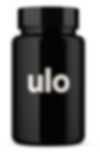
Anavar is the brand name for the synthetic anabolic-androgenic steroid (AAS), oxandrolone. It is used clinically to promote weight gain and preserve body mass in catabolic disorders (where body tissues are excessively broken down for energy, causing rapid weight loss), such as severe burns, chronic illnesses, or neuromuscular disorders.[1]Orr, R., Fiatarone Singh, M. (2004). The Anabolic Androgenic Steroid Oxandrolone in the Treatment of Wasting and Catabolic Disorders: Review of Efficacy and Safety. Drugs. 64(7). 725–750. Available … Continue reading
AAS, including anavar, are structurally modified versions of either testosterone or dihydrotestosterone (DHT). They induce responses in tissues by binding to an androgen receptor, resulting in increased muscle protein synthesis.
Androgenic alopecia (AGA) is a condition characterized by the activation of the androgen receptor, whereby the growth phase of the hair growth cycle shortens, resulting in the progressive miniaturization of susceptible hair follicles and hair loss.[2]Ho, C.H., Sood, T., Zito, P.M., (2024), Androgenetic Alopecia. Available at: https://www.ncbi.nlm.nih.gov/books/NBK430924/ (Accessed: 07 January 2026)
Anavar is often described as a mild AAS; however, any introduction of systemic, exogenous steroids (i.e., steroids introduced to the body from external sources which act on the whole body) can result in the steroids activating androgen receptors on susceptible scalp follicles and the acceleration of AGA.
In this article, we will discuss the effect that AAS have on hair loss, whether there is any evidence for Anavar-specific hair loss, and potential risk management strategies while using Anavar.
Interested in Oral Finasteride?
Oral finasteride & minoxidil available, if prescribed*
Take the next step in your hair regrowth journey. Get started today with a provider who can prescribe a topical solution tailored for you.
*Only available in the U.S. Prescriptions not guaranteed. Restrictions apply. Off-label products are not endorsed by the FDA.
Exogenous Androgens and AGA: What the Science Actually Shows
Androgens are steroid sex hormones; those produced within the body are known as endogenous, whereas those produced outside the body are known as exogenous. AAS are androgens used (or misused) for performance-enhancing effects.
How Does Endogenous Testosterone Contribute to Hair Loss?
Endogenous testosterone is produced by the body as a crucial androgen promoting the development and maintenance of male characteristics.
The importance of testosterone in hair loss was originally suggested by James Hamilton. He demonstrated that castrated men did not develop AGA unless they received testosterone supplementation.[3]Hamilton, J.B. (1942). Male Hormone Stimulation Is a Prerequisite and Incitant in Common Baldness. Journal of Investigative Dermatology. 5(6). 473–474. Available at: … Continue reading
Testosterone contributes to AGA primarily through its conversion to DHT, a more potent androgen that plays a central role in hair loss. Testosterone itself is not inherently harmful to hair follicles, but its downstream metabolism into DHT and the sensitivity of hair follicles determine its effect on AGA.
In the scalp, testosterone is converted to DHT by the enzyme 5-alpha reductase (5AR), which is highly expressed in hair follicles of the frontal and vertex scalp (areas typically affected in AGA).[4]Sawaya, M.E., Price, V.H. (1997). Different Levels of 5alpha-Reductase Type I and II, Aromatase, and Androgen Receptor in Hair Follicles of Women and Men with Androgenetic Alopecia. Journal of … Continue reading The hair follicles in these areas of the scalp also contain a higher number of androgen receptors, increasing their vulnerability to the action of androgens, such as DHT.[5]Hibberts, N.A., Howell, A.E., Randall, V.A. (1998). Balding Hair Follicle Dermal Papilla Cells Contain Higher Levels of Androgen Receptors than Those from Non-Balding Scalp. Journal of Endocrinology. … Continue reading
DHT binds to the androgen receptor with significantly greater strength than testosterone. This leads to DHT preferentially binding the androgen receptor, resulting in stronger and longer activation of the cell, and greater effects on cell function.
The binding of DHT to androgen receptors in susceptible hair follicles disrupts the hair growth cycle, resulting in follicle miniaturization. This is caused by the disruption of the different phases of the hair cycle. Specifically, the growth phase of the hair follicle (anagen) shortens, and the resting phase (telogen) stays the same or increases, altering the ratio of growth to rest from 12:1 to 5:1.[6]Ho, C.H., Sood, T., Zito, P.M., (2024), Androgenetic Alopecia. Available at: https://www.ncbi.nlm.nih.gov/books/NBK430924/ (Accessed: 07 January 2026)
Consequently, the hair follicle shrinks with each cycle, resulting in the replacement of regular hair with short terminal hairs (hairs that lack pigmentation and won’t grow any more than a few inches). Over time, the growth phase becomes so short that the hair fails to penetrate the surface of the skin, causing a bald patch.[7]Asfour, L., Cranwell, W., Sinclair, R. (2000). Male Androgenetic Alopecia. Endotext. Available at: http://www.ncbi.nlm.nih.gov/books/NBK278957/
Males lacking the 5AR enzyme to convert testosterone to DHT have never been reported as developing hair loss.[8]Imperato-McGinley, J., Zhu, Y.S. (2002). Androgens and Male Physiology: The Syndrome of 5alpha-Reductase-2 Deficiency. Molecular and Cellular Endocrinology. 198(1–2). 51–59. Available at: … Continue reading The binding of testosterone-derived DHT to androgen receptors is therefore a key step in hair loss.
What Effect Do Exogenous Androgens Have on Hair Loss?
Testosterone
The administration of exogenous testosterone causes serum levels of testosterone to rise systemically (throughout the body). This provides an increased concentration of testosterone for the 5AR enzymes to convert into DHT. In individuals susceptible to AGA, this can accelerate the onset or progression of hair loss.
Clinical Evidence
Hair loss is a relatively common side effect of taking exogenous testosterone. Studies investigating the use of testosterone in athletes or others taking it for muscle-building purposes have demonstrated the onset of AGA after use.[9]Tawanwongsri, W., Desai, D.D., Nohria, A., Shapiro, J., Lo Sicco, K.I. (2025). Hair Loss in Athletic Testosterone Use in Males: A Narrative Review. International Journal of Dermatology. 64(4). … Continue reading,[10]Griggs, J., Almohanna, H., Ahmed, A., Tosti, A. (2018). New-Onset Androgenic Alopecia following Human Chorionic Gonadotropic Diet and Testosterone Pellet Implantation. International Journal of … Continue reading
In addition, a study researching long-term use of testosterone therapy in trans men has found that 31% of their cohort developed moderate to severe AGA (although this was a very small study, so any conclusions should be used cautiously).[11]Wierckx, K., Van de Peer, F., Verhaeghe, E., et al. (2014). Short- and Long-Term Clinical Skin Effects of Testosterone Treatment in Trans Men. Journal of Sexual Medicine. 11(1). 222–229. Available … Continue reading
AAS
AAS are often derivatives of either testosterone or DHT (i.e., synthetic compounds which are chemically modified versions of testosterone/DHT), sharing the same mechanism of action as endogenous testosterone in initiating or progressing hair loss. However, AAS expose hair follicles to androgen stimulation well beyond normal levels.[12]Bond, P., Smit, D.L., de Ronde, W. (2022). Anabolic–Androgenic Steroids: How Do They Work and What Are the Risks? Frontiers in Endocrinology (Lausanne). 13. Available at: … Continue reading
The high levels of androgen stimulation can occur in different ways depending on the AAS used:
- AAS that are similar in structure to testosterone can be converted to DHT or similar molecules using the 5AR enzyme. These DHT products can bind to and activate the androgen receptors with high affinity (strength).
- AAS that are similar in structure to DHT can act directly on androgen receptors, bypassing the need for conversion using the 5AR enzyme.
The presence of these androgen-inducing AAS in the scalp at levels well beyond normal testosterone and DHT levels results in the increased activation of androgen receptors and the subsequent disruption of the hair cycle, follicle miniaturization, and hair loss in susceptible individuals.[13]Stojko, M., Nocoń, J., Piłat, P., et al. (2023). Innovative Reports on the Effects of Anabolic Androgenic Steroid Abuse—How to Lose Your Mind for the Love of Sport. Medicina (Kaunas). 59(8). … Continue reading
Evidence in Humans
- An investigation into AGA use by 541 gym-goers in Saudi Arabia found that 14.2% experienced hair loss as a side effect. However, this study was not carried out under clinical conditions, and all results were self-reported, so it cannot be said for certain whether the AAS were causing hair loss.[14]Albaker, W., Alkhars, A., Elamin, Y., Jatoi, N., Boumarah, D., Al-Hariri, M. (2021). Anabolic–Androgenic Steroid Abuse among Gym Users, Eastern Province, Saudi Arabia. Medicina (Kaunas). 57(7). … Continue reading
- An investigation into AGA use in 104 bodybuilders in Brazil found that 23.7% of AAS users experienced hair loss as a side effect. This study was also not carried out under clinical conditions and used self-reported results.[15]dos Santos, J.C., de Souza, E., Meneses-Santos, D., et al. (2024). The Use of Anabolic Steroids by Bodybuilders in the State of Sergipe, Brazil. European Journal of Investigation in Health, … Continue reading
- The HAARLEM study investigated AAS abuse in a cohort of 100 strength athletes. They found that self-reported alopecia increased from 2% at the start of the study to 12% after a year. The study was limited by using only self-reported results, and multiple participants used other drugs at the same time, making it impossible to prove that the hair loss was from AAS use alone.[16]Smit, D.L., Buijs, M.M., de Hon, O., den Heijer, M., de Ronde, W. (2021). Positive and Negative Side Effects of Androgen Abuse. The HAARLEM Study: A One-Year Prospective Cohort Study in 100 Men. … Continue reading
While the underlying science supporting a potential role of AAS in AGA is thought to be sound, there is minimal evidence from human studies. Although there are a multitude of anecdotal reports supporting the evidence for AGA on AAS use, there are no rigorous clinical trials demonstrating these effects.
Why Are Some People More Susceptible to Hair Loss?
You may have noticed that throughout this blog so far, we have often used the word ‘susceptible’ when referring to hair follicles or people experiencing AGA. This is because AGA and follicular sensitivity are highly determined by genetic factors, meaning that not everyone is susceptible to AGA.
Approximately 80% of men will ultimately experience AGA by the age of 70.[17]Ho, C.H., Sood, T., Zito, P.M. (2024), Androgenetic Alopecia. Available at: https://www.ncbi.nlm.nih.gov/books/NBK430924/ (Accessed: 07 January 2026) This is largely controlled by genetics, although environmental and lifestyle factors (such as smoking, obesity, and nutritional status) can also contribute to the development of AGA.
One study found that men whose fathers had AGA had a 2.5-fold increased risk of developing AGA compared to those whose fathers did not experience hair loss.[18]Chumlea, W.C., Rhodes, T., Girman, C.J., et al. (2004). Family History and Risk of Hair Loss. Dermatology. 209(1). 33–39. Available at: https://doi.org/10.1159/000078584 Women experiencing female pattern hair loss also often report other family members with the same condition.[19]Ramos, P.M., Miot, H.A. (2015). Female Pattern Hair Loss: A Clinical and Pathophysiological Review. Anais Brasileiros de Dermatologia. 90(4). 529–543. Available at: … Continue reading
Genetic variants, particularly of the androgen receptor, contribute substantially to susceptibility and can also influence how individuals respond to treatment (see our article on genetic tests for personalized hair loss treatments to find out more). There is no one gene involved in AGA; hair loss is likely to be a polygenic disorder, meaning that variants in multiple genes are involved in enhanced susceptibility.
It is thought that a person’s genetics is responsible for influencing how strongly scalp follicles respond to androgen signaling. In susceptible persons, the follicles in the scalp have enhanced sensitivity (even to normal levels of androgens) and so are more likely to miniaturize when exposed to DHT.[20]Kaufman, K.D. (2002). Androgens and Alopecia. Molecular and Cellular Endocrinology. 198(1). 89–95. Available at: https://doi.org/10.1016/S0303-7207(02)00372-6
Susceptibility to AAS-Induced Hair Loss
The use of AAS does not increase an individual’s susceptibility to AGA, but is thought to contribute to accelerating and unmasking hair loss in those already genetically predisposed to hair loss.
Under normal conditions, the AGA process of hair loss occurs slowly, potentially only reaching a noticeable level after years. However, the introduction into the body of AAS is thought to cause a dramatic rise in androgen levels.
Genetically vulnerable follicles are potentially subjected to intense and sustained androgen receptor activation from the AAS testosterone or DHT derivatives, which may bind to the receptors with similar or greater strength than natural DHT. The enhanced activation of the androgen receptors then causes follicle miniaturization and hair loss.[21]Stojko, M., Nocoń, J., Piłat, P., et al. (2023). Innovative Reports on the Effects of Anabolic Androgenic Steroid Abuse—How to Lose Your Mind for the Love of Sport. Medicina (Kaunas). 59(8). … Continue reading
Individuals who lack a genetic predisposition to hair loss may tolerate even high levels of androgen exposure without experiencing hair loss.
Limitations
While the theory of AAS-accelerated AGA makes sense and is consistent with what is known about the DHT-induced method of follicle miniaturization, the scientific evidence supporting the theory is surprisingly limited. Much of the basis of this theory comes from assumptions and extrapolation (extension) of the collective current knowledge of follicle miniaturization.
Any studies that do exist tend to be based on self-reported outcomes of AAS use and lack the controls necessary for true clinical conclusions to be drawn.
How Does Anavar Contribute to Hair Loss?
Anavar (or oxandrolone) is an AAS used clinically to restore weight loss after severe trauma, major surgery, or malnutrition, and has also been studied in HIV-related wasting, neuromuscular conditions, and in severe burns patients.[22]Orr, R., Fiatarone Singh, M. (2004). The Anabolic Androgenic Steroid Oxandrolone in the Treatment of Wasting and Catabolic Disorders: Review of Efficacy and Safety. Drugs. 64(7). 725–750. Available … Continue reading,[23]Fenichel, G.M., Griggs, R.C., Kissel, J., et al. (2001). A Randomized Efficacy and Safety Trial of Oxandrolone in the Treatment of Duchenne Dystrophy. Neurology. 56(8). 1075–1079. Available at: … Continue reading,[24]Jeschke, M.G., Finnerty, C.C., Suman, O.E., Kulp, G., Mlcak, R.P., Herndon, D.N. (2007). The Effect of Oxandrolone on the Endocrinologic, Inflammatory, and Hypermetabolic Responses During the Acute … Continue reading Anavar’s clinical use requires a prescription, and it is carefully controlled due to its established effect on the liver and potential effect on cardiovascular health and hormones.[25]Orr, R., Fiatarone Singh, M. (2004). The Anabolic Androgenic Steroid Oxandrolone in the Treatment of Wasting and Catabolic Disorders: Review of Efficacy and Safety. Drugs. 64(7). 725–750. Available … Continue reading,[26]van Amsterdam, J., Opperhuizen, A., Hartgens, F. (2010). Adverse Health Effects of Anabolic-Androgenic Steroids. Regulatory Toxicology and Pharmacology. 57(1). 117–123. Available at: … Continue reading
Anavar has been described as having a favourable ratio of muscle-building effect to androgenic effect, meaning that it is thought to be less likely to cause severe androgenic side effects compared to other AAS.[27]Wu, C., Kovac, J.R. (2016). Novel Uses for the Anabolic Androgenic Steroids Nandrolone and Oxandrolone in the Management of Male Health. Current Urology Reports. 17(10). 72. Available at: … Continue reading As such, it is often considered ‘mild’. However, it must be recognized that this is in reference to other AAS and does not mean that it is safe.
A misunderstanding of the mildness of Anavar has resulted in its relatively popular recreational misuse. Bodybuilders and athletes have been known to use it for promoting muscle growth and increasing strength without large amounts of water retention. Despite many considering it mild, Anavar is not safe when misused.
How Does Anavar Compare to Other AAS?
As discussed above, our understanding of exactly how the use of AAS contributes to hair loss is severely limited. However, we can speculate (based on our knowledge of the DHT-induced mechanism of hair loss) how different AAS may differentially affect hair loss.
The impact on hair loss of AAS use is predicted to vary depending on which AAS is taken. AAS differ in how strongly they activate androgen receptors in different tissues. The structure of the androgen is very important to androgen receptor activation; AAS may be DHT-derived or testosterone-derived, with the ability to convert into DHT or a DHT-like molecule using the 5AR enzyme.
Anavar is a DHT-derived AAS; as such, it cannot be converted into a more potent androgen receptor binder using the 5AR enzyme. It has been suggested to bind to the androgen receptor less strongly than testosterone, and so could be predicted to have a lesser effect on hair loss mechanisms than endogenous testosterone/DHT or other AAS.[28]Knuth, C.M., Auger, C., Jeschke, M.G. (2021). Burn-Induced Hypermetabolism and Skeletal Muscle Dysfunction. American Journal of Physiology – Cell Physiology. 321(1). C58–C71. Available at: … Continue reading However, it does still have an androgenic effect, meaning that it will likely still have a harmful effect on hair loss.[29]Church, J.A., (2004). Oxandrolone Treatment of Childhood Hereditary Angioedema. Annals of Allergy, Asthma & Immunology. 92(3). 377–378. Available at: … Continue reading
It should be noted that the conclusions drawn here on the effects of Anaver on hair loss are primarily speculation and have not been demonstrated in clinical trials or other scientific research.
Risk Management While Using Anavar
Anavar should only be used when prescribed by your medical practitioner and should never be used recreationally due to the associated risks. However, if you are using Anavar and are concerned about the effects on hair loss, the following may be points to consider to reduce hair loss risk.
1. Using DHT Reducers
Finasteride and dutasteride are prescription medications that treat hair loss through their DHT-reducing action. They work by targeting the 5AR enzyme, blocking the conversion of testosterone to DHT, thereby reducing DHT in the scalp and enhancing hair growth (for more information on finasteride and dutasteride, see our ultimate guide).[30]Asfour, L., Cranwell, W., Sinclair, R. (2000). Male Androgenetic Alopecia. Endotext. Available at: http://www.ncbi.nlm.nih.gov/books/NBK278957/
While finasteride and dutasteride are often effective for normal AGA, they will only be partially effective when using Anavar.
Anavar is a DHT-derivative and cannot be converted using the 5AR enzyme, so it activates the scalp androgen receptors directly. Finasteride/dutasteride target the 5AR enzyme and consequently play no role in preventing Anavar from binding to the androgen receptors and initiating follicle miniaturization, and so will not prevent Anavar-induced hair loss.
Taking finasteride or dutasteride will reduce the baseline level of hair loss caused by endogenous testosterone (i.e., any hair loss that would be occurring regardless of whether AAS have been taken), potentially mildly reducing your total hair loss.
2. Changing Anavar Formulation
Anavar has only been formulated and approved for use in oral form. The application of a topical preparation (such as crushed tablets) is untested and potentially unsafe.
Topical AAS do exist and may be prescribed for conditions such as hypogonadism to provide relatively steady-state delivery of the drug (i.e., the drug is administered in a way where the amount of drug in the body stays stable over time).
While you may think that applying the AAS topically will prevent hair loss – as the drug may only have its effect on the area where it is applied – this is untrue. Topically applied AAS will enter the bloodstream and end up acting systemically (throughout the body).
For example, case studies have shown instances of topical AAS acting systemically:
- One woman who applied a cellulite cream containing DHT to her legs started to develop a deeper voice due to virilization (development of male physical characteristics) caused by the AAS.[31]Wollina, U., Pabst, F., Schönlebe, J., et al. (2007). Side-Effects of Topical Androgenic and Anabolic Substances and Steroids. A Short Review. Acta Dermatovenerologica Alpina, Pannonica et … Continue reading
- A different woman applying an androgen cream containing testosterone to her legs developed dark male-like hair on her legs and mild excessive hair growth on her upper lip.[32]Wollina, U., Pabst, F., Schönlebe, J., et al. (2007). Side-Effects of Topical Androgenic and Anabolic Substances and Steroids. A Short Review. Acta Dermatovenerologica Alpina, Pannonica et … Continue reading
3. Brand Switching
AAS must only be used under the guidance of your medical practitioner. They will know the brand or type of AAS that you should be on based on your medical issue, meaning that it may not be possible to switch.
When comparing types of AAS for the ability to cause hair loss, Anavar is predicted to be low down the list due to its relatively low androgenic potential. As such, if you are on Anavar, then that has the potential to be the least likely to cause hair loss.
Other AAS predicted to have low hair loss potential are low doses of Turinabol or Nandrolone, which are also thought to have relatively low androgenic potential.[33]Kam, P.C.A., Yarrow, M. (2005). Anabolic Steroid Abuse: Physiological and Anaesthetic Considerations. Anaesthesia. 60(7). 685–692. Available at: https://doi.org/10.1111/j.1365-2044.2005.04218.x,[34]Bond, P., Smit, D.L., de Ronde, W. (2022). Anabolic–Androgenic Steroids: How Do They Work and What Are the Risks? Frontiers in Endocrinology (Lausanne). 13. Available at: … Continue reading
4. Avoiding Exogenous Androgens Entirely
The best way to avoid AAS-induced hair loss is to avoid taking any AAS. In certain situations, they may be medically necessary, in which case you should do what your medical practitioner perceives to be best. Taking AAS recreationally puts you at risk of several serious side effects.
If you are looking to boost your testosterone naturally, you could consider:
- Losing weight
- Resistance and HIIT exercise
- Sleep optimization
- Stress reduction
- Changes to your diet
- Reducing alcohol intake
Final Thoughts
Anavar is unlikely to be completely hair safe. As a DHT-derived compound, it can directly activate androgen receptors in the scalp and contribute to the miniaturization of susceptible hair follicles. While Anavar is often described as a “mild” anabolic steroid, this is relative to other AAS and should not be interpreted as an absence of any androgenic effects on the scalp.
Some users may use AAS without experiencing noticeable hair loss, but this is largely due to genetics rather than the specific steroid used. In those who are genetically susceptible to hair loss, the use of AAS is thought to accelerate or unmask an underlying hair loss process rather than initiating a new one.
It is important to recognize the limitations of available evidence linking AAS and hair loss. Although hair loss is frequently reported anecdotally, controlled clinical trials are lacking, and most available data come from observational studies relying on self-reported outcomes.
As a result, much of our current understanding of AAS-induced hair loss is based on extrapolation from the well-established mechanisms of DHT-mediated follicle miniaturization, which unfortunately limits the strength of any conclusions.
References[+]
References ↑1, ↑22, ↑25 Orr, R., Fiatarone Singh, M. (2004). The Anabolic Androgenic Steroid Oxandrolone in the Treatment of Wasting and Catabolic Disorders: Review of Efficacy and Safety. Drugs. 64(7). 725–750. Available at: https://doi.org/10.2165/00003495-200464070-00004 ↑2, ↑6 Ho, C.H., Sood, T., Zito, P.M., (2024), Androgenetic Alopecia. Available at: https://www.ncbi.nlm.nih.gov/books/NBK430924/ (Accessed: 07 January 2026) ↑3 Hamilton, J.B. (1942). Male Hormone Stimulation Is a Prerequisite and Incitant in Common Baldness. Journal of Investigative Dermatology. 5(6). 473–474. Available at: https://doi.org/10.1038/jid.1942.62 ↑4 Sawaya, M.E., Price, V.H. (1997). Different Levels of 5alpha-Reductase Type I and II, Aromatase, and Androgen Receptor in Hair Follicles of Women and Men with Androgenetic Alopecia. Journal of Investigative Dermatology. 109(3). 296–300. Available at: https://doi.org/10.1111/1523-1747.ep12335779 ↑5 Hibberts, N.A., Howell, A.E., Randall, V.A. (1998). Balding Hair Follicle Dermal Papilla Cells Contain Higher Levels of Androgen Receptors than Those from Non-Balding Scalp. Journal of Endocrinology. 156(1). 59–65. Available at: https://doi.org/10.1677/joe.0.1560059 ↑7 Asfour, L., Cranwell, W., Sinclair, R. (2000). Male Androgenetic Alopecia. Endotext. Available at: http://www.ncbi.nlm.nih.gov/books/NBK278957/ ↑8 Imperato-McGinley, J., Zhu, Y.S. (2002). Androgens and Male Physiology: The Syndrome of 5alpha-Reductase-2 Deficiency. Molecular and Cellular Endocrinology. 198(1–2). 51–59. Available at: https://doi.org/10.1016/S0303-7207(02)00368-4 ↑9 Tawanwongsri, W., Desai, D.D., Nohria, A., Shapiro, J., Lo Sicco, K.I. (2025). Hair Loss in Athletic Testosterone Use in Males: A Narrative Review. International Journal of Dermatology. 64(4). 654–658. Available at: https://doi.org/10.1111/ijd.17567 ↑10 Griggs, J., Almohanna, H., Ahmed, A., Tosti, A. (2018). New-Onset Androgenic Alopecia following Human Chorionic Gonadotropic Diet and Testosterone Pellet Implantation. International Journal of Trichology. 10(6). 284–285. Available at: https://doi.org/10.4103/ijt.ijt_75_18 ↑11 Wierckx, K., Van de Peer, F., Verhaeghe, E., et al. (2014). Short- and Long-Term Clinical Skin Effects of Testosterone Treatment in Trans Men. Journal of Sexual Medicine. 11(1). 222–229. Available at: https://doi.org/10.1111/jsm.12366 ↑12 Bond, P., Smit, D.L., de Ronde, W. (2022). Anabolic–Androgenic Steroids: How Do They Work and What Are the Risks? Frontiers in Endocrinology (Lausanne). 13. Available at: https://doi.org/10.3389/fendo.2022.1059473 ↑13, ↑21 Stojko, M., Nocoń, J., Piłat, P., et al. (2023). Innovative Reports on the Effects of Anabolic Androgenic Steroid Abuse—How to Lose Your Mind for the Love of Sport. Medicina (Kaunas). 59(8). 1439. Available at: https://doi.org/10.3390/medicina59081439 ↑14 Albaker, W., Alkhars, A., Elamin, Y., Jatoi, N., Boumarah, D., Al-Hariri, M. (2021). Anabolic–Androgenic Steroid Abuse among Gym Users, Eastern Province, Saudi Arabia. Medicina (Kaunas). 57(7). 703. Available at: https://doi.org/10.3390/medicina57070703 ↑15 dos Santos, J.C., de Souza, E., Meneses-Santos, D., et al. (2024). The Use of Anabolic Steroids by Bodybuilders in the State of Sergipe, Brazil. European Journal of Investigation in Health, Psychology and Education. 14(5). 1451–1469. Available at: https://doi.org/10.3390/ejihpe14050096 ↑16 Smit, D.L., Buijs, M.M., de Hon, O., den Heijer, M., de Ronde, W. (2021). Positive and Negative Side Effects of Androgen Abuse. The HAARLEM Study: A One-Year Prospective Cohort Study in 100 Men. Scandinavian Journal of Medicine & Science in Sports. 31(2). 427–438. Available at: https://doi.org/10.1111/sms.13843 ↑17 Ho, C.H., Sood, T., Zito, P.M. (2024), Androgenetic Alopecia. Available at: https://www.ncbi.nlm.nih.gov/books/NBK430924/ (Accessed: 07 January 2026) ↑18 Chumlea, W.C., Rhodes, T., Girman, C.J., et al. (2004). Family History and Risk of Hair Loss. Dermatology. 209(1). 33–39. Available at: https://doi.org/10.1159/000078584 ↑19 Ramos, P.M., Miot, H.A. (2015). Female Pattern Hair Loss: A Clinical and Pathophysiological Review. Anais Brasileiros de Dermatologia. 90(4). 529–543. Available at: https://pubmed.ncbi.nlm.nih.gov/26375223/ ↑20 Kaufman, K.D. (2002). Androgens and Alopecia. Molecular and Cellular Endocrinology. 198(1). 89–95. Available at: https://doi.org/10.1016/S0303-7207(02)00372-6 ↑23 Fenichel, G.M., Griggs, R.C., Kissel, J., et al. (2001). A Randomized Efficacy and Safety Trial of Oxandrolone in the Treatment of Duchenne Dystrophy. Neurology. 56(8). 1075–1079. Available at: https://doi.org/10.1212/WNL.56.8.1075 ↑24 Jeschke, M.G., Finnerty, C.C., Suman, O.E., Kulp, G., Mlcak, R.P., Herndon, D.N. (2007). The Effect of Oxandrolone on the Endocrinologic, Inflammatory, and Hypermetabolic Responses During the Acute Phase Postburn. Annals of Surgery. 246(3). 351–362. Available at: https://doi.org/10.1097/SLA.0b013e318146980e ↑26 van Amsterdam, J., Opperhuizen, A., Hartgens, F. (2010). Adverse Health Effects of Anabolic-Androgenic Steroids. Regulatory Toxicology and Pharmacology. 57(1). 117–123. Available at: https://doi.org/10.1016/j.yrtph.2010.02.001 ↑27 Wu, C., Kovac, J.R. (2016). Novel Uses for the Anabolic Androgenic Steroids Nandrolone and Oxandrolone in the Management of Male Health. Current Urology Reports. 17(10). 72. Available at: https://doi.org/10.1007/s11934-016-0629-8 ↑28 Knuth, C.M., Auger, C., Jeschke, M.G. (2021). Burn-Induced Hypermetabolism and Skeletal Muscle Dysfunction. American Journal of Physiology – Cell Physiology. 321(1). C58–C71. Available at: https://doi.org/10.1152/ajpcell.00106.2021 ↑29 Church, J.A., (2004). Oxandrolone Treatment of Childhood Hereditary Angioedema. Annals of Allergy, Asthma & Immunology. 92(3). 377–378. Available at: https://doi.org/10.1016/S1081-1206(10)61578-5 ↑30 Asfour, L., Cranwell, W., Sinclair, R. (2000). Male Androgenetic Alopecia. Endotext. Available at: http://www.ncbi.nlm.nih.gov/books/NBK278957/ ↑31, ↑32 Wollina, U., Pabst, F., Schönlebe, J., et al. (2007). Side-Effects of Topical Androgenic and Anabolic Substances and Steroids. A Short Review. Acta Dermatovenerologica Alpina, Pannonica et Adriatica. 16(3). 117–122. Available at: https://pubmed.ncbi.nlm.nih.gov/17994172/ ↑33 Kam, P.C.A., Yarrow, M. (2005). Anabolic Steroid Abuse: Physiological and Anaesthetic Considerations. Anaesthesia. 60(7). 685–692. Available at: https://doi.org/10.1111/j.1365-2044.2005.04218.x ↑34 Bond, P., Smit, D.L., de Ronde, W. (2022). Anabolic–Androgenic Steroids: How Do They Work and What Are the Risks? Frontiers in Endocrinology (Lausanne). 13. Available at: https://doi.org/10.3389/fendo.2022.1059473 Want help with your hair regrowth journey?
Get personalized support, product recommendations, video calls, and more from our researchers, trichologists, and PhD's dedicated to getting you the best possible outcomes.
Learn More
Catherine Kennedy, PhD
Catherine is a scientist and researcher with a background in biosciences and clinical neuroscience. She completed an integrated master’s degree in Biosciences (MBiol) before earning a PhD in Clinical Neurosciences at the University of Cambridge. Throughout her career, she has contributed to the scientific literature through the publication of numerous peer-reviewed research papers.
"... Can’t thank @Rob (PHH) and @sanderson17 enough for allowing me to understand a bit what was going on with me and why all these [things were] happening ... "
— RDB, 35, New York, U.S.A."... There is a lot improvement that I am seeing and my scalp feel alive nowadays... Thanks everyone. "
— Aayush, 20’s, Boston, MA"... I can say that my hair volume/thickness is about 30% more than it was when I first started."
— Douglas, 50’s, Montréal, CanadaWant help with your hair regrowth journey?
Get personalized support, product recommendations, video calls, and more from our researchers, trichologists, and PhD's dedicated to getting you the best possible outcomes.
Join Now - Mission Statement
 Scroll Down
 More
More More
More