- About
- Mission Statement
Education. Evidence. Regrowth.
- Education.
Prioritize knowledge. Make better choices.
- Evidence.
Sort good studies from the bad.
- Regrowth.
Get bigger hair gains.
Team MembersPhD's, resarchers, & consumer advocates.
- Rob English
Founder, researcher, & consumer advocate
- Research Team
Our team of PhD’s, researchers, & more
Editorial PolicyDiscover how we conduct our research.
ContactHave questions? Contact us.
Before-Afters- Transformation Photos
Our library of before-after photos.
- — Jenna, 31, U.S.A.
I have attached my before and afters of my progress since joining this group...
- — Tom, 30, U.K.
I’m convinced I’ve recovered to probably the hairline I had 3 years ago. Super stoked…
- — Rabih, 30’s, U.S.A.
My friends actually told me, “Your hairline improved. Your hair looks thicker...
- — RDB, 35, New York, U.S.A.
I also feel my hair has a different texture to it now…
- — Aayush, 20’s, Boston, MA
Firstly thank you for your work in this field. I am immensely grateful that...
- — Ben M., U.S.A
I just wanted to thank you for all your research, for introducing me to this method...
- — Raul, 50, Spain
To be honest I am having fun with all this and I still don’t know how much...
- — Lisa, 52, U.S.
I see a massive amount of regrowth that is all less than about 8 cm long...
Client Testimonials150+ member experiences.
 Scroll DownPopular Treatments
- Treatments
Popular treatments. But do they work?
- Finasteride
- Oral
- Topical
- Dutasteride
- Oral
- Topical
- Mesotherapy
- Minoxidil
- Oral
- Topical
- Ketoconazole
- Shampoo
- Topical
- Low-Level Laser Therapy
- Therapy
- Microneedling
- Therapy
- Platelet-Rich Plasma Therapy (PRP)
- Therapy
- Scalp Massages
- Therapy
- More
IngredientsTop-selling ingredients, quantified.
- Saw Palmetto
- Redensyl
- Melatonin
- Caffeine
- Biotin
- Rosemary Oil
- Lilac Stem Cells
- Hydrolyzed Wheat Protein
- Sodium Lauryl Sulfate
- More
ProductsThe truth about hair loss "best sellers".
- Minoxidil Tablets
Xyon Health
- Finasteride
Strut Health
- Hair Growth Supplements
Happy Head
- REVITA Tablets for Hair Growth Support
DS Laboratories
- FoliGROWTH Ultimate Hair Neutraceutical
Advanced Trichology
- Enhance Hair Density Serum
Fully Vital
- Topical Finasteride and Minoxidil
Xyon Health
- HairOmega Foaming Hair Growth Serum
DrFormulas
- Bio-Cleansing Shampoo
Revivogen MD
- more
Key MetricsStandardized rubrics to evaluate all treatments.
- Evidence Quality
Is this treatment well studied?
- Regrowth Potential
How much regrowth can you expect?
- Long-Term Viability
Is this treatment safe & sustainable?
Free Research- Free Resources
Apps, tools, guides, freebies, & more.
- Free CalculatorTopical Finasteride Calculator
- Free Interactive GuideInteractive Guide: What Causes Hair Loss?
- Free ResourceFree Guide: Standardized Scalp Massages
- Free Course7-Day Hair Loss Email Course
- Free DatabaseIngredients Database
- Free Interactive GuideInteractive Guide: Hair Loss Disorders
- Free DatabaseTreatment Guides
- Free Lab TestsProduct Lab Tests: Purity & Potency
- Free Video & Write-upEvidence Quality Masterclass
- Free Interactive GuideDermatology Appointment Guide
- More
Articles100+ free articles.
-
10 Best Shampoos for Hair Loss in 2026
-
XYON Review: Do Their Products Actually Regrow Hair?
-
Minoxidil Before and After Photos [2026] | Does It Work?
-
How to Get Finasteride: Is It Over the Counter?
-
Keeps Review: The Truth About Their Hair Loss Treatments?
-
7 Best Oils for Hair Growth
-
Hims Hair Growth Reviews: The Pros, Cons, and Real Results
-
Topical Finasteride Before and After: Real Case Studies
PublicationsOur team’s peer-reviewed studies.
- Microneedling and Its Use in Hair Loss Disorders: A Systematic Review
- Use of Botulinum Toxin for Androgenic Alopecia: A Systematic Review
- Conflicting Reports Regarding the Histopathological Features of Androgenic Alopecia
- Self-Assessments of Standardized Scalp Massages for Androgenic Alopecia: Survey Results
- A Hypothetical Pathogenesis Model For Androgenic Alopecia:Clarifying The Dihydrotestosterone Paradox And Rate-Limiting Recovery Factors
Menu- AboutAbout
- Mission Statement
Education. Evidence. Regrowth.
- Team Members
PhD's, resarchers, & consumer advocates.
- Editorial Policy
Discover how we conduct our research.
- Contact
Have questions? Contact us.
- Before-Afters
Before-Afters- Transformation Photos
Our library of before-after photos.
- Client Testimonials
Read the experiences of members
Before-Afters/ Client Testimonials- Popular Treatments
-
Articles10 Best Shampoos for Hair Loss in 2026
First Published Mar 25 2026Last Updated Mar 25 2026Natural RemediesPharmaceutical
Researched & Written By:Sophie Grice, PhD
Reviewed By:Rob English, Medical Editor
Want help with your hair regrowth journey?
Get personalized support, product recommendations, video calls, and more from our researchers, trichologists, and PhD's dedicated to getting you the best possible outcomes.
Learn MoreArticle Summary
In 2026, there are hundreds of hair loss shampoos available on the market, but only a few ingredients are actually science-backed. In this article, we rank the 10 best shampoos for hair loss based on their ingredients. We explain what hair loss shampoos can (and can’t) do, review real-world clinical evidence, discuss safety profiles, and offer practical advice on how to use them. After reading this article, you’ll know which hair loss shampoos might be worth adding to your hair regimen and which ones are mostly hype.
Full Article
In 2026, we’re seeing hundreds of shampoos marketed as “hair loss miracles.” In reality, most of these shampoos rely on misinterpreted science and inflated claims to boost sales. Very few of these shampoos actually show meaningful results for hair regrowth.
You might be wondering about shampoos that include ingredients such as saw palmetto, caffeine, niacin, or biotin, since some scientific evidence does exist for these ingredients. But, despite these ingredients being the same, the available evidence involves completely different delivery methods. Biotin supplements are not comparable to biotin shampoos for hair growth, and the same can be said for topicals containing saw palmetto, caffeine, and niacin.
In this article, we break down what hair shampoos can actually do, we rank the 10 best shampoos for hair loss based on their ingredients, and dive into what the clinical evidence actually says. We also explore their safety profiles and offer some practical tips on how to use them. We’ll help guide you on which shampoos are actually worth your time and money, and which might just be marketing hype.
Thickening Shampoo
Stronger strands. Fuller look. Science-backed ingredients.
A lightweight, daily-use formula designed to support thicker-looking hair. Powered by caffeine, saw palmetto, keratin, and panthenol without harsh chemicals or artificial fragrance.
Why We Have to Be Careful with Hair Loss Shampoo Claims
When searching for shampoos for hair loss, it’s not unusual to see bold marketing claims. Even in 2026, the market is saturated with statements such as:
- “…contributes towards up to 10X less breakage” – Garnier
- “…strengthens scalp’s hold onto hair roots for visibly denser, longer, and stronger hair” – Pantene
- “…recharges and energizes the strands for a fuller-looking head of hair” – Alpecin
It is easy to take these claims at face value. But while some may have scientific merit, most of the time, these claims are inflated or backed by misinterpreted supportive evidence. We commonly see the same top four ingredients when searching for hair loss shampoos: Saw palmetto, caffeine, niacin, and biotin.
These ingredients do have some supportive evidence. Oral and topical saw palmetto has been shown to improve hair parameters in men and women with androgenic alopecia (AGA).[1]Evron, E., Juhasz, M., Babadjouni, A., Mesinkovska, N.A., (2020). Natural Hair Supplement: Friend Or Foe? Saw Palmetto, A Systematic Review In Alopecia. Skin Appendage Disorders. 6(6). 329–337. … Continue reading Topical caffeine has been shown to perform similarly to 2% minoxidil.[2]Völker, J.M., Koch, N., Becker, M., Klenk, A., (2020). Caffeine And Its Pharmacological Benefits In The Management Of Androgenetic Alopecia: A Review. Skin Pharmacology And Physiology. 33(3). … Continue reading Topical niacin improved hair volume in one study on females with pattern hair loss.[3]Draelos, Z.D., Jacobson, E.L., Kim, H., Kim, M., Jacobson, M.K., (2005). A Pilot Study Evaluating The Efficacy Of Topically Applied Niacin Derivatives For Treatment Of Female Pattern Alopecia. … Continue reading Oral biotin supplements have regrown hair in people with severe biotinidase deficiencies (which occur in 1/110,000 people).[4]Patel, D.P., Swink, S.M., Castelo-Soccio, L., (2017). A Review Of The Use Of Biotin For Hair Loss. Skin Appendage Disorders. 3(3). 166–169. Available at: https://doi.org/10.1159/000462981
However, a common tactic we see in the hair-loss industry is cherry-picking data to make ingredients look effective, but in reality, the trials conducted evaluated ingredients in completely different formulations (e.g., oral, topical). So these ingredient claims become invalid when applied to shampoos. Here’s why:
#1: Phase I metabolism
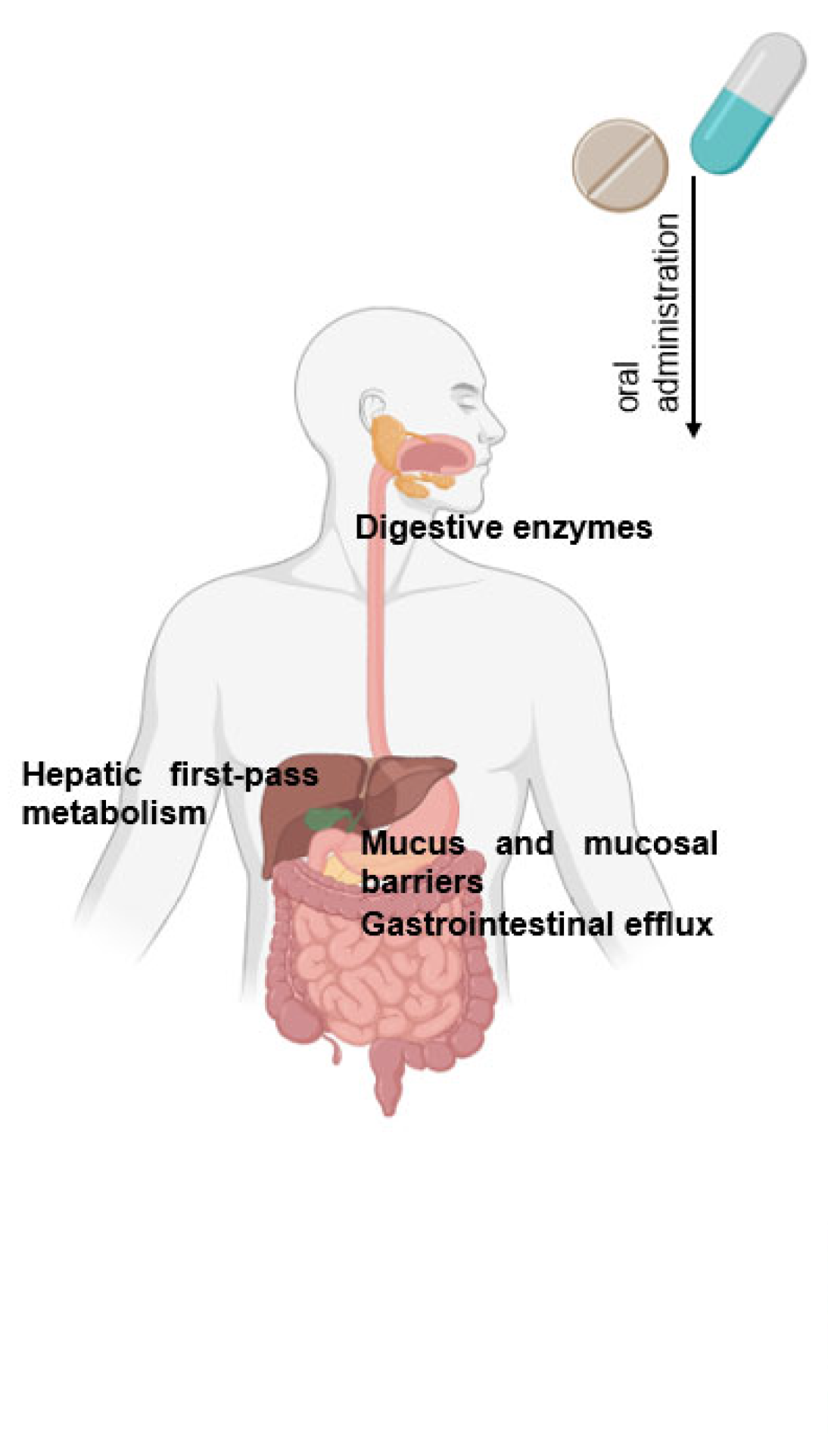
Products that are taken orally usually enter phase I metabolism in the liver. Here, the substance is broken down (metabolized) into other compounds, then distributed throughout the body via the bloodstream. When the same product is applied topically, it does not go through the same metabolic process, unless some of the product is absorbed into the systemic circulation.
When products are used in different formulations (oral, topical, or shampoo), they have completely different effects on the body compared to oral administration. This means that studies evaluating the efficacy of oral products for hair regrowth cannot be translated into claims for topically applied products, and certainly not for products used as shampoos.

Figure 1. Metabolism of oral products. Adapted from Figure 1.[5]Dinh, L., Yan, B. (2023). Oral Drug Delivery Via Intestinal Lymphatic Transport Utilizing Lipid-Based Lyotropic Liquid Crystals. Liquids. 3(4). 456-468. Available at: … Continue reading
Used under Creative Commons License.#2: Scalp penetration and skin contact time
Now, if we look at studies that investigate products used topically, we may assume that any claims can automatically be applied to shampoo products. Unfortunately, this is not the case.
Many of the ingredients used in topicals take hours for effective penetration into the scalp. When products are applied as a shampoo, they are in contact with the scalp for much shorter periods, usually just minutes, before ingredients within the shampoo are washed out.
This means, in the majority of cases, ingredients lack enough time to effectively penetrate the scalp, and therefore, have little time to be efficacious for hair regrowth.
If you are a member, you can find out more about hair shampoo ingredients in our video and article here.
What Can “Hair Loss Shampoos” Actually Do?
Overall, shampoos may improve the appearance of the hair. Shampoos can potentially make the hair feel more robust and thicker, or even appear healthier and shinier. There are some shampoo ingredients that have limited preclinical or clinical support for hair regrowth (included in our top 10 list below).
However, it is important to note that these shampoos are mostly appropriate for people with AGA alongside inflammation associated with microorganism overgrowths in the scalp.

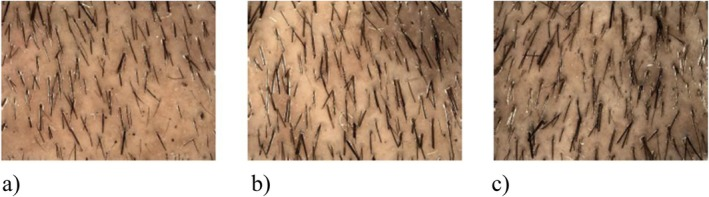
Figure 2. Photo documentation of hair growth at one scalp site at (a) Baseline, (b) after 3 months, and (c) after 6 months of shampoo application containing 1% caffeine and 1% sodium dimethylglycinate. Adapted from Figure 6.[6]Celleno, L., Bussoletti, C., Tolaini, M.V., Rossi, A., Ala, L., Becker, M., Völker, J.M., Wiesche, E.S.Z. (2025). A Novel Approach Against Male Pattern Hair Loss With Topical Dimethylglycine Sodium … Continue reading Used under Creative Commons License.
10 Shampoos Ingredients – Ranked by Evidence
Despite the marketing hype around hair loss shampoos, we have sifted through the noise and found some ingredients that have been tested in human trials.
At Perfect Hair Health, we evaluate products based on evidence quality. We prioritize randomized controlled human trials over small pilot studies, preclinical data, and anecdotes. We take into consideration regrowth potential, looking closely at clinical results that translate into cosmetically meaningful improvements (terminal hair counts and hair-thickness improvements).
Here is a breakdown of our top shampoos that have clinical evidence for hair growth:
Shampoo Ingredient Clinical studies Treatments Key findings #1 Ketoconazole Study #1:[7]Piérard-Franchimont, C., De Doncker, P., Cauwenbergh, G., Piérard, G.E. (1998). Ketoconazole Shampoo: Effect of Long-Term Use in Androgenic Alopecia. Dermatology. 196(4). 474-7. Available at: … Continue reading Controlled comparative study. 39 men with AGA aged 21-33, 22 non-AGA age-matched controls; 21 months 2% ketoconazole shampoo vs normal shampoo 2-4x/week Pilary index (% hairs in anagen hairs times average hair-shaft diameter) in AGA men increased progressively with ketoconazole; the control group showed a gradual decline. No change in non-AGA controls Study #2:[8]Piérard-Franchimont, C., De Doncker, P., Cauwenbergh, G., Piérard, G.E. (1998). Ketoconazole Shampoo: Effect of Long-Term Use in Androgenic Alopecia. Dermatology. 196(4). 474-7. Available at: … Continue reading Pilot study. 8 men with AGA aged 24-29; 6 months 2% ketoconazole shampoo vs 2% minoxidil lotion Ketoconazole: +18% hair density, +7% shaft diameter, -19% sebaceous gland size. Minoxidil: +11% hair density, +7% shaft diameter, +5% sebaceous gland size
Study #3:[9]Piérard-Franchimont, C., Goffin, V., Henry, F., Uhoda, I., Braham, C., Piérard, G.E. (2002). Nudging Hair Shedding By Antidandruff Shampoos: A Comparison Of 1% Ketoconazole, 1% Piroctone Olamine … Continue reading Randomized controlled trial. 150 men with telogen effluvium + AGA + dandruff; 6 months
1% ketoconazole vs 1 % piroctone olamine vs 1% zinc pyrithione shampoos 2-3x/week Ketoconazole: -17.3% shedding, +4.9% anagen hair ratio, -4.8% sebum excretion. No difference in hair density. Pruritus and dandruff cleared in all groups Study #4:[10]Khandpur, S., Suman, M., Reddy, B.S. (2002). Comparative Efficacy Of Various Treatment Regimens For Androgenetic Alopecia In Men. J Dermatol. 29(8). 489-98. Available at: … Continue reading Open-label, randomized, parallel-group trial. 100 men with AGA; 12 months
1 mg/day oral finasteride + 2% ketoconazole shampoo vs 1 mg/day oral finasteride vs 2% topical minoxidil vs 1 mg/day oral finasteride + 2% topical minoxidil Finasteride + minoxidil and finasteride + ketoconazole had the best improvement scores for both self- and physician-assessments. Finasteride + minoxidil slightly outperformed finasteride + ketoconazole Study #5:[11]Rafi, A.W., Katz, R.M. (2011). Pilot Study Of 15 Patients Receiving A New Treatment Regimen For Androgenic Alopecia: The Effects Of Atopy On AGA. ISRN Dermatol. 2011. 241953. Available at: … Continue reading Pilot study. 15 men with AGA + atopic or seborrheic dermatitis; 9 months
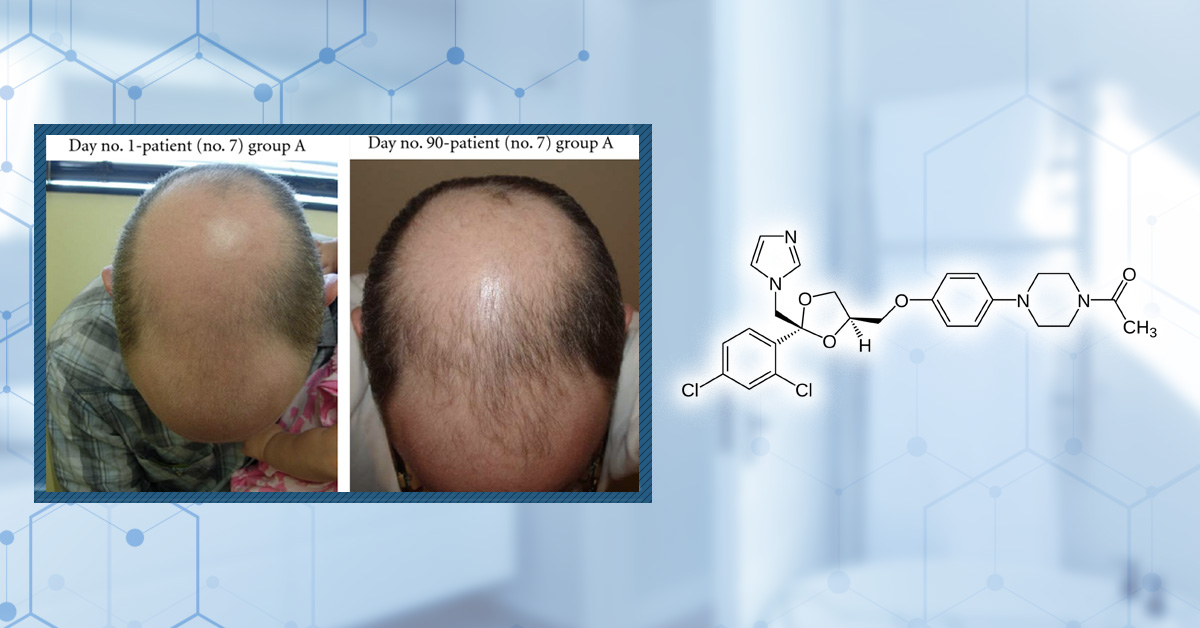
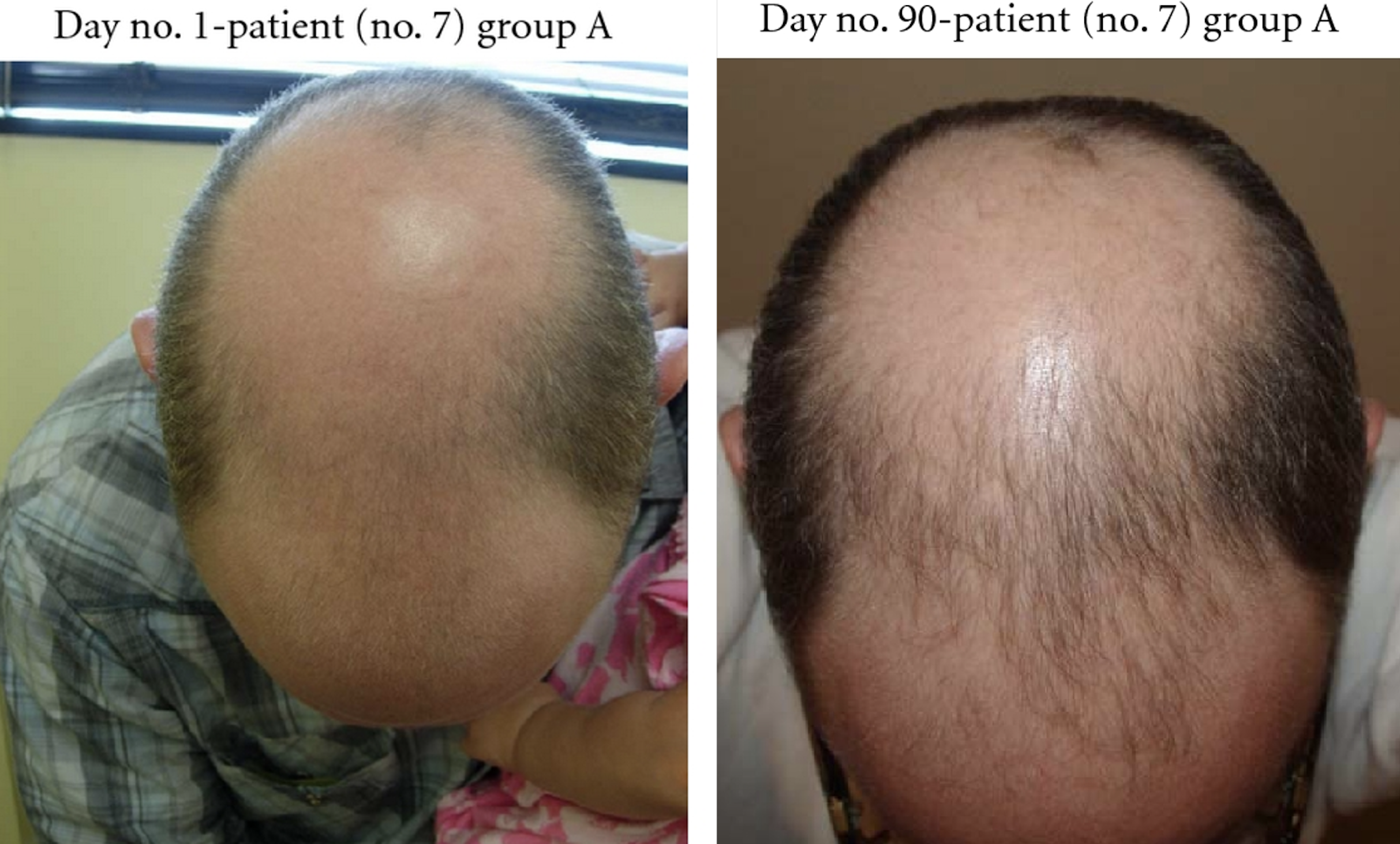
2% ketoconazole shampoo + NuH Hair + 1 mg/day finasteride + minoxidil foam vs NuH Hair vs 2% ketoconazole + NuH Hair + 1 mg/day finasteride vs 2% ketoconazole shampoo + NuH Hair Average time for hair regrowth: 30 days with NuH Hair + finasteride + minoxidil + ketoconazole and NuH Hair + finasteride + ketoconazole, 60 days with NuH Hair + ketoconazole, and 90 days with NuH Hair alone #2 Piroctone olamine Study #1:[12]Piérard-Franchimont, C., Goffin, V., Henry, F., Uhoda, I., Braham, C., Piérard, G.E. (2002). Nudging Hair Shedding By Antidandruff Shampoos: A Comparison Of 1% Ketoconazole, 1% Piroctone Olamine … Continue reading Randomized controlled trial. 150 men with telogen effluvium + AGA + dandruff; 6 months 1% ketoconazole vs 1 % piroctone olamine vs 1% zinc pyrithione shampoos 2-3x/week Piroctone olamine: -16.5% shedding, +7.9% anagen hair ratio, -2.9% sebum excretion. No difference in hair density. Pruritus and dandruff cleared in all groups #3 Zinc pyrithione Study #1:[13]Piérard-Franchimont, C., Goffin, V., Henry, F., Uhoda, I., Braham, C., Piérard, G.E. (2002). Nudging Hair Shedding By Antidandruff Shampoos: A Comparison Of 1% Ketoconazole, 1% Piroctone Olamine … Continue reading Randomized controlled trial. 150 men with telogen effluvium + AGA + dandruff; 6 months 1% ketoconazole vs 1 % piroctone olamine vs 1% zinc pyrithione shampoos 2-3x/week Zinc pyrithione: -10.1% shedding, +6.8% anagen hair ratio, -5.5% sebum excretion. No difference in hair density. Pruritus and dandruff cleared in all groups
Study #2:[14]Berger, R.S., Fu, J.L., Smiles, K.A., Turner, C.B., Schnell, B.M., Werchowski, K.M., Lammers, K.M. (2003). The Effects Of Minoxidil, 1% Pyrithione Zinc And A Combination Of Both On Hair Density: A … Continue reading Randomized, investigator-blinded, parallel-group trial. 200 men with AGA aged 18-49; 6 months 1% pyrithione zinc shampoo 1x/day vs 5% minoxidil topical solution 2x/day vs placebo shampoo vs 1% pyrithione zinc shampoo + 5% minoxidil topical solution At 9 weeks, total visible hair count increased in the pyrithione zinc, minoxidil, and zinc + minoxidil group compared to placebo. Relative hair count for pyrithione zinc was slightly less than half of the relative hair count for minoxidil. No advantage observed for the combination group. #4 Caffeine Study #1:[15]Celleno, L., Bussoletti, C., Tolaini, M.V., Rossi, A., Ala, L., Becker, M., Völker, J.M., Wiesche, E.S.Z. (2025). A Novel Approach Against Male Pattern Hair Loss With Topical Dimethylglycine Sodium … Continue reading Randomized, double-blind, placebo-controlled trial. 154 men early signs of hair thinning and/or AGA; 6 months Shampoo containing 1% caffeine + 1% sodium dimethylglycinate (plus further components) vs placebo Decreased mean number of hairs pulled in the hair pull test in the treatment group (-2.8) compared to placebo (+0.6). Phototrichogram results showed an increased number of hairs, hair density, and % anagen hairs after 6 months in the treatment group compared to placebo Study #2:[16]Bussoletti, C., Tolaini, M.V., Celleno, L. (2020). Efficacy Of A Cosmetic Phyto-Caffeine Shampoo In Female Androgenetic Alopecia. G Ital Dermatol Venereol. 155(4). 492-499. Available at: … Continue readingRandomized, double-blind parallel-group trial. 140 females with AGA aged 40-70; 6 months Plantur 39 caffeine shampoo vs placebo Reduction in pulled hairs after 3 and 6 months in the treatment group. Placebo group mean pulled hairs remained stable. Hair quality assessed by investigators revealed strength and thickness of hair, and hair fall improved in the treatment group compared to placebo Study #3:[17]Chen, D., Yu, F., Wang, C., Chen, H., Tan, J., Shi, Q., He, X., Liu, X., Wang, F., Zhao, H. (2024). Anti-Hair Loss Effect Of A Shampoo Containing Caffeine And Adenosine. Journal Of Cosmetic … Continue reading Randomized, single-blind, parallel-group, controlled trial. 77 individuals with self-perceieved thinning hair aged 20-60; 3 months 0.4% caffeine + 0.2% adenosine shampoo vs placebo Hair density increased from 118.25 to 130.03 hairs/cm2 in the treatment group at month 3. No change in hair density observed in the placebo group. Significant hair loss reduction in the treatment group compared to placebo. #5 Minoxidil Study #1:[18]Yaghmaee, R., Mirbagheri, M., Pakdaman, M.H., Rad, F., Gharibi, F. (2016). The Effect Of Minoxidil 1% Shampoo On Androgenetic Alopecia: A Clinical Trial Study. Research Journal Of Pharmaceutical, … Continue reading Randomized double-blind, placebo- controlled trial. 60 individuals with AGA aged 15-40; 4 months 1% minoxidil shampoo vs placebo Mean terminal hair count in the minoxidil group increased from 24.2 at baseline to 26.9 at 4 months. Placebo group terminal hair count was 22.9 at baseline and 22.9 at month 4. However, no significant differences between groups were observed #6 Salicylic acid, Panthenol & Niacinamide Study #1:[19]Kim, H.T., Park, H.S., Kim, Y.M. (2022). Double-Blind Randomized Placebo-Controlled Study Of The Efficacy And Safety Of Hair Loss Prevention Shampoo Containing Salicylic Acid, Panthenol, And … Continue reading Randomized, double-blind, placebo-controlled trial. 42 individuals with AGA aged 19-54; 24 weeks 0.2% salicylic acid + 0.2% panthenol + 0.1% niacinamide shampoo vs placebo 17.76% increase in the number of hairs on the crown in the treatment group compared to the placebo group after 24 weeks #7 Saw palmetto Study #1:[20]Sudeep, H.V., Rashmi, S., Jestin, T.V., Richards, A., Gouthamchandra, K., Shyamprasad, K. (2023). Oral and Topical Administration of a Standardized Saw Palmetto Oil Reduces Hair Fall and Improves the … Continue reading Randomized, double-blind, placebo-controlled trial. 80 individuals with mild-to-moderate AGA aged 18-50; 16 weeks. Investigated a standardized saw palmetto oil (VISPO™, containing 2-3% β-sitosterol) Important caveat: Not a true shampoo study. Data from a topical lotion washed off after 30 minutes
Oral placebo vs oral VISPO™ (400 mg capsule containing 100 mg VISPO™ daily) vs topical placebo vs topical VISPO™ (5 mL of a 20% VISPO™ lotion daily, left on for 30 minutes before washing) At week 16, both VISPO™ groups showed significant reductions in hair shedding (measured by hair comb and hair pull tests) compared to baseline and placebo. Hair fall decreased by around 22% in the topical VISPO™ group compared to baseline. Hair density increased 7.61% with topical VISPO™ Currently, only 7 shampoo ingredients have at least some human clinical evidence suggesting they may be beneficial for hair regrowth. Yet, the evidence on shampoo ingredients for hair loss does have its pitfalls. Many trials involve small cohorts, short trial durations, and investigate a combination of ingredients. This makes it difficult to truly determine which ingredients are responsible for the observed benefits.

Figure 3. Patient with stage AGA who received 2% ketoconazole shampoo + NuH Hair + 1 mg/day finasteride + minoxidil foam. (a) Day 1, (b) Day 90. Adapted from Figure 1.[21]Rafi, A.W., Katz, R.M. (2011). Pilot Study Of 15 Patients Receiving A New Treatment Regimen For Androgenic Alopecia: The Effects Of Atopy On AGA. ISRN Dermatol. 2011. 241953. Available at: … Continue reading Used under Creative Commons license.
Here we provide information for 3 more shampoo ingredients: selenium sulfide, coal tar, and clobetasol. To date, these ingredients lack human clinical evidence for hair regrowth; however, they may indirectly improve scalp health and hair quality by reducing symptoms that damage hair follicles (e.g., inflammation, itching).
Shampoo ingredient Clinical Studies Treatments Key findings #8 Selenium sulfide Study #1:[22]Danby, F.W., Maddin, W.S., Margesson, L.J., Rosenthal, D. (1993). A Randomized, Double-Blind, Placebo-Controlled Trial Of Ketoconazole 2% Shampoo Versus Selenium Sulfide 2.5% Shampoo In The Treatment … Continue reading Randomized, double-blind, placebo-controlled trial. 246 adults with moderate-severe dandruff; 4 weeks 2.5% selenium sulfide shampoo vs 2% ketoconazole shampoo vs placebo Both selenium sulfide and ketoconazole reduced dandruff scores and itch compared to placebo. Ketoconazole was superior on day 8. Study #2:[23]Barbosa, V., Melo, D.F., Vañó-Galván, S., Lutchmanen-Kolanthan, V., Sant’Anna, B., Leclerc-Mercier, S., Reygagne, P. (2024). A Comparative Randomized Clinical Study Assessing The Efficacy Of … Continue reading Randomized, double-blind, comparative, clinical trial. 64 individuals with moderate-to-severe scalp seborrheic dermatitis; 28 days 1% selenium disulfide shampoo (3x/week) vs 2% ketoconazole shampoo 2x/week Selenium disulfide: 71% reduction in disease severity by day 28. Ketoconazole: 69% reduction in disease severity score by day 28
#9 Clobetasol Study #1:[24]Ortonne, J.-P., Nikkels, A.F., Reich, K., Ponce Olivera, R.M., Lee, J.H., Kerrouche, N., Sidou, F., Faergemann, J. (2011). Efficacious And Safe Management Of Moderate To Severe Scalp Seborrhoeic … Continue reading Randomized, multi-centre, comparative clinical trial. 326 individuals with moderate-to-severe scalp seborrhoeic dermatitis; 12 weeks total 0.05% clobetasol vs 2% ketoconazole vs 0.05% clobetasol twice weekly alternating with 2 % ketoconazole twice weekly vs 0.05% clobetasol four times weekly alternating with 2 % ketoconazole twice weekly Clobetasol + ketoconazole improved erythema, scaling, and pruritus more than ketoconazole alone. #10 Coal tar Study #1[25]Goyal, A. (2025). Comparative Study Of Ketoconazole-Based Shampoo Versus Coal Tar-Based Shampoo In Seborrheic Dermatitis. Int. J Med. Pharm. Res. 6(4). 208-211: Comparative clinical trial. 100 participants with mild-to-moderate scalp seborrheic dermatitis; 4 weeks 1% coal tar shampoo vs 2% ketoconazole shampoo 2x/week
By week 4, disease severity scores in both groups reduced from baseline. Ketoconazole was superior in reducing severity faster, providing better symptom relief, and causing fewer side effects Our #1 Best Shampoo Ingredient: Ketoconazole
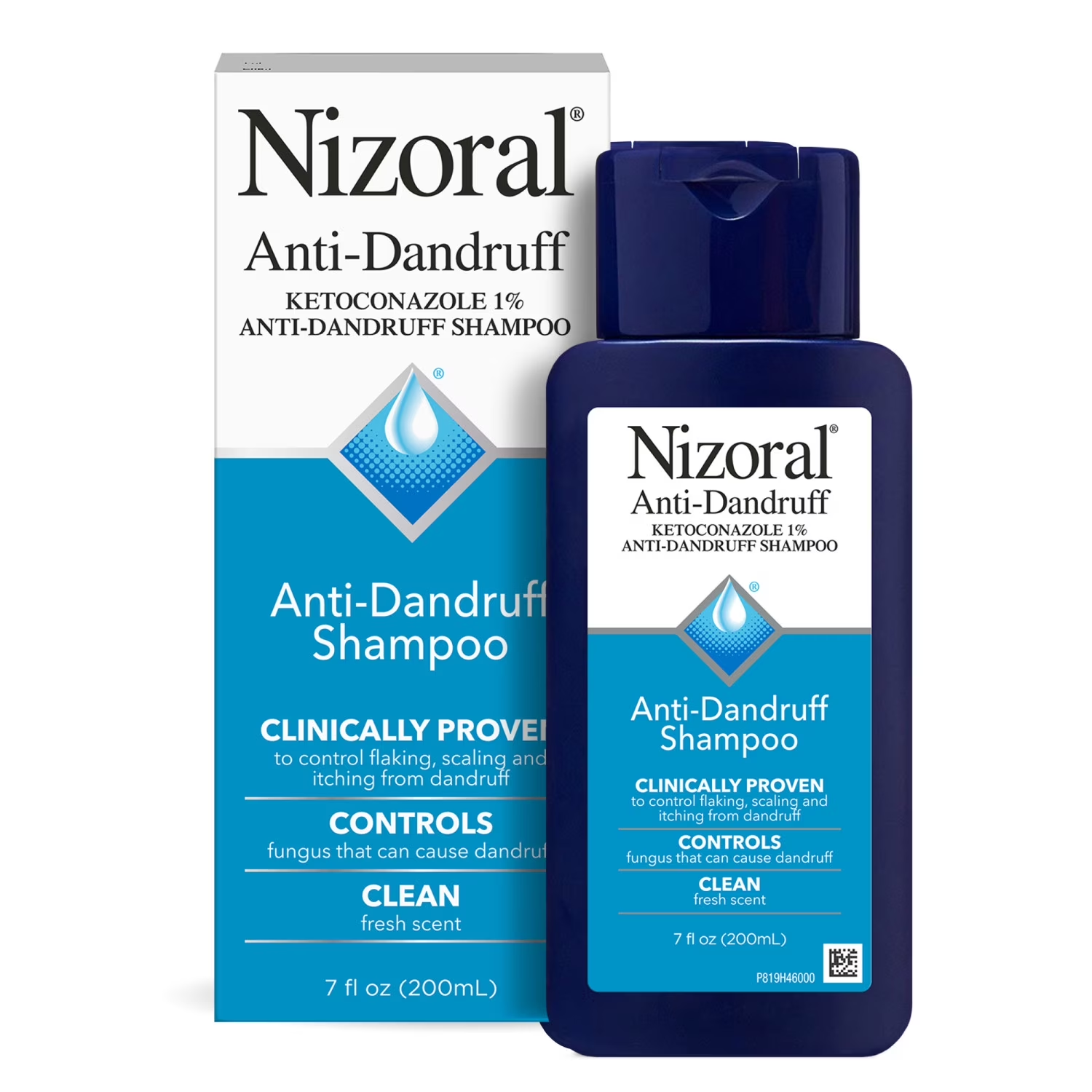
Based on the available evidence, we ranked ketoconazole as our top-rated shampoo ingredient that may improve hair growth. Ketoconazole is commonly sold under the name Nizoral and is an antifungal medication used to help improve fungal-related conditions such as dandruff, fungal infections, certain hormone-linked diseases, and even hair loss from fungal and non-fungal causes.

Figure 4. Structure of ketoconazole. Adapted from Wikimedia.[26]Wikimedia Commons, (04 September 2025), Ketoconazole Chemical Structure (SVG). Available at: https://commons.wikimedia.org/wiki/Category:Ketoconazole#/media/File:(2S,4R)-Ketoconazol.svg (Accessed: 20 … Continue reading Image in the public domain.
Ketoconazole may improve telogen effluvium by killing scalp pathogens, thereby normalizing excessive hair shedding triggered by microorganism-mediated inflammation. It may also prolong the anagen phase of the hair cycle. Additionally, ketoconazole may improve AGA via three key mechanisms:
- Killing pathogens in the scalp, therefore normalizing excessive hair shedding triggered by microorganism-mediated inflammation.
- Reducing scalp DHT levels by inhibiting 5-alpha reductase (a key enzyme that converts testosterone to DHT) and blocking androgen receptors (“landing pads” for DHT to exert its effects).
- Prolonging the anagen phase of the hair cycle.
You can buy 1% ketoconazole shampoo over the counter, typically at around $16 for 200 mL. Whereas, 2% ketoconazole shampoo usually requires a prescription. Based on the available clinical evidence, there is stronger support for the use of 2% ketoconazole shampoo for hair growth than for 1%. However, there are currently no direct head-to-head studies comparing the effectiveness of 1% ketoconazole shampoo versus 2% for hair regrowth; therefore, any inferences are speculative.

Figure 5. Image of Nizoral shampoo, containing 1% ketoconazole.
If you are a member and would like to learn more about ketoconazole, read our ultimate guide here.
Are Hair Loss Shampoos Safe?
In general, most hair-loss shampoos containing ketoconazole, piroctone olamine, zinc pyrithione, or caffeine are well tolerated. Very few side effects have been reported with use. However, local irritation, itching, or dryness may occur, particularly when overused or on very sensitive scalps. Concurrent use of other scalp products may require more cautious use and medical guidance.
How To Use Hair Loss Shampoos
The majority of hair loss shampoos that contain ingredients such as ketoconazole, piroctone olamine, zinc pyrithione, or caffeine are used 2-3 times per week, not daily, unless a dermatologist has advised otherwise. Using a mild, non-medicated shampoo in between use may help avoid cumulative irritation or excessive dryness of the scalp.
You should always follow the directions for use provided on the product label. Generally, hair loss shampoos can be used by wetting the hair and scalp, then lathering a small amount in the hands and applying it mainly to the scalp. Many typically massage gently with the fingertips for around 1-2 minutes, and leave on for a total of 3-5 minutes before rinsing. Rinse thoroughly, as residues may increase the risk of scalp irritation or dryness.
Final Verdict
Most products marketed as hair loss shampoos do not actually regrow hair. They may, however, improve scalp health and hair appearance. Only a small number of shampoo ingredients are currently backed by human clinical trial evidence.
Our top-rated ingredients in this article with the strongest evidence for potential hair-growth benefits include ketoconazole, piroctone olamine, and zinc pyrithione. Other ingredients mentioned in this article, including caffeine, salicylic acid, panthenol, and niacinamide, have been investigated in combination formulation studies. So while the data looks promising, we cannot determine how much benefit comes from each individual ingredient.
Overall, shampoos generally have short contact time with the scalp, limiting their regrowth potential. Hair loss shampoos are best viewed as adjuncts to proven topical or oral products such as minoxidil and finasteride. The next time you see bold hair shampoo marketing claims, keep in mind to focus on the ingredients and the evidence.
References[+]
References ↑1 Evron, E., Juhasz, M., Babadjouni, A., Mesinkovska, N.A., (2020). Natural Hair Supplement: Friend Or Foe? Saw Palmetto, A Systematic Review In Alopecia. Skin Appendage Disorders. 6(6). 329–337. Available at: https://doi.org/10.1159/000509905 ↑2 Völker, J.M., Koch, N., Becker, M., Klenk, A., (2020). Caffeine And Its Pharmacological Benefits In The Management Of Androgenetic Alopecia: A Review. Skin Pharmacology And Physiology. 33(3). 153–169. Available at: https://doi.org/10.1159/000508228 ↑3 Draelos, Z.D., Jacobson, E.L., Kim, H., Kim, M., Jacobson, M.K., (2005). A Pilot Study Evaluating The Efficacy Of Topically Applied Niacin Derivatives For Treatment Of Female Pattern Alopecia. Journal Of Cosmetic Dermatology. 4(4). 258–261. Available at: https://doi.org/10.1111/j.1473-2165.2005.00201.x ↑4 Patel, D.P., Swink, S.M., Castelo-Soccio, L., (2017). A Review Of The Use Of Biotin For Hair Loss. Skin Appendage Disorders. 3(3). 166–169. Available at: https://doi.org/10.1159/000462981 ↑5 Dinh, L., Yan, B. (2023). Oral Drug Delivery Via Intestinal Lymphatic Transport Utilizing Lipid-Based Lyotropic Liquid Crystals. Liquids. 3(4). 456-468. Available at: https://doi.org/10.3390/liquids3040029 ↑6 Celleno, L., Bussoletti, C., Tolaini, M.V., Rossi, A., Ala, L., Becker, M., Völker, J.M., Wiesche, E.S.Z. (2025). A Novel Approach Against Male Pattern Hair Loss With Topical Dimethylglycine Sodium Salt (DMG-Na) and Caffeine: Efficacy of a 24-Week, Double-Blind, Randomized, Placebo-Controlled Trial. J Cosmet Dermatol. 24(8). e70390. Available at: https://doi.org/10.1111/jocd.70390 ↑7, ↑8 Piérard-Franchimont, C., De Doncker, P., Cauwenbergh, G., Piérard, G.E. (1998). Ketoconazole Shampoo: Effect of Long-Term Use in Androgenic Alopecia. Dermatology. 196(4). 474-7. Available at: https://doi.org/10.1159/000017954 ↑9, ↑12, ↑13 Piérard-Franchimont, C., Goffin, V., Henry, F., Uhoda, I., Braham, C., Piérard, G.E. (2002). Nudging Hair Shedding By Antidandruff Shampoos: A Comparison Of 1% Ketoconazole, 1% Piroctone Olamine And 1% Zinc Pyrithione Formulations. International Journal Of Cosmetic Science. 24(5). 249-256. Available at: https://doi.org/10.1046/j.1467-2494.2002.00145.x ↑10 Khandpur, S., Suman, M., Reddy, B.S. (2002). Comparative Efficacy Of Various Treatment Regimens For Androgenetic Alopecia In Men. J Dermatol. 29(8). 489-98. Available at: https://doi.org/10.1111/j.1346-8138.2002.tb00314.x ↑11 Rafi, A.W., Katz, R.M. (2011). Pilot Study Of 15 Patients Receiving A New Treatment Regimen For Androgenic Alopecia: The Effects Of Atopy On AGA. ISRN Dermatol. 2011. 241953. Available at: https://doi.org/10.5402/2011/241953 ↑14 Berger, R.S., Fu, J.L., Smiles, K.A., Turner, C.B., Schnell, B.M., Werchowski, K.M., Lammers, K.M. (2003). The Effects Of Minoxidil, 1% Pyrithione Zinc And A Combination Of Both On Hair Density: A Randomized Controlled Trial. British Journal Of Dermatology. 149(2). 354–362. Available at: https://doi.org/10.1046/j.1365-2133.2003.05435.x ↑15 Celleno, L., Bussoletti, C., Tolaini, M.V., Rossi, A., Ala, L., Becker, M., Völker, J.M., Wiesche, E.S.Z. (2025). A Novel Approach Against Male Pattern Hair Loss With Topical Dimethylglycine Sodium Salt (DMG-Na) And Caffeine: Efficacy Of A 24-Week, Double-Blind, Randomized, Placebo-Controlled Trial. J Cosmet Dermatol. 24(8). e70390. Available at: https://doi.org/10.1111/jocd.70390 ↑16 Bussoletti, C., Tolaini, M.V., Celleno, L. (2020). Efficacy Of A Cosmetic Phyto-Caffeine Shampoo In Female Androgenetic Alopecia. G Ital Dermatol Venereol. 155(4). 492-499. Available at: https://doi.org/10.23736/S0392-0488.18.05499-8 ↑17 Chen, D., Yu, F., Wang, C., Chen, H., Tan, J., Shi, Q., He, X., Liu, X., Wang, F., Zhao, H. (2024). Anti-Hair Loss Effect Of A Shampoo Containing Caffeine And Adenosine. Journal Of Cosmetic Dermatology. 23(9). 2927-2933. Available at: https://doi.org/10.1111/jocd.16347 ↑18 Yaghmaee, R., Mirbagheri, M., Pakdaman, M.H., Rad, F., Gharibi, F. (2016). The Effect Of Minoxidil 1% Shampoo On Androgenetic Alopecia: A Clinical Trial Study. Research Journal Of Pharmaceutical, Biological And Chemical Sciences. 7(5). 856. Available at: https://www.rjpbcs.com/pdf/2016_7(5)/%5B105%5D.pdf ↑19 Kim, H.T., Park, H.S., Kim, Y.M. (2022). Double-Blind Randomized Placebo-Controlled Study Of The Efficacy And Safety Of Hair Loss Prevention Shampoo Containing Salicylic Acid, Panthenol, And Niacinamide In Alopecia Patients. Toxicol Environ Health Sci. 14. 173–185. Available at: https://doi.org/10.1007/s13530-022-00126-9 ↑20 Sudeep, H.V., Rashmi, S., Jestin, T.V., Richards, A., Gouthamchandra, K., Shyamprasad, K. (2023). Oral and Topical Administration of a Standardized Saw Palmetto Oil Reduces Hair Fall and Improves the Hair Growth in Androgenetic Alopecia Subjects – A 16-Week Randomized, Placebo-Controlled Study. Clin Cosmet Investig Dermatol. 16, 3251-3266. Available at: https://doi.org/10.2147/CCID.S435795 ↑21 Rafi, A.W., Katz, R.M. (2011). Pilot Study Of 15 Patients Receiving A New Treatment Regimen For Androgenic Alopecia: The Effects Of Atopy On AGA. ISRN Dermatol. 2011. 241953. Available at: https://doi.org/10.5402/2011/241953 ↑22 Danby, F.W., Maddin, W.S., Margesson, L.J., Rosenthal, D. (1993). A Randomized, Double-Blind, Placebo-Controlled Trial Of Ketoconazole 2% Shampoo Versus Selenium Sulfide 2.5% Shampoo In The Treatment Of Moderate To Severe Dandruff. J Am Acad Dermatol. 29(6). 1008-12. Available at: https://doi.org/10.1016/0190-9622(93)70282-x ↑23 Barbosa, V., Melo, D.F., Vañó-Galván, S., Lutchmanen-Kolanthan, V., Sant’Anna, B., Leclerc-Mercier, S., Reygagne, P. (2024). A Comparative Randomized Clinical Study Assessing The Efficacy Of A 1% Selenium Disulfide-Based Shampoo Versus 2% Ketoconazole Shampoo In Subjects With Moderate To Severe Scalp Seborrheic Dermatitis. Skin Appendage Disord. 10(6). 497-504. Available at: https://doi.org/10.1159/000539209 ↑24 Ortonne, J.-P., Nikkels, A.F., Reich, K., Ponce Olivera, R.M., Lee, J.H., Kerrouche, N., Sidou, F., Faergemann, J. (2011). Efficacious And Safe Management Of Moderate To Severe Scalp Seborrhoeic Dermatitis Using Clobetasol Propionate Shampoo 0.05% Combined With Ketoconazole Shampoo 2%: A Randomized, Controlled Study. British Journal Of Dermatology. 165(1). 171–176. Available at: https://doi.org/10.1111/j.1365-2133.2011.10269.x ↑25 Goyal, A. (2025). Comparative Study Of Ketoconazole-Based Shampoo Versus Coal Tar-Based Shampoo In Seborrheic Dermatitis. Int. J Med. Pharm. Res. 6(4). 208-211 ↑26 Wikimedia Commons, (04 September 2025), Ketoconazole Chemical Structure (SVG). Available at: https://commons.wikimedia.org/wiki/Category:Ketoconazole#/media/File:(2S,4R)-Ketoconazol.svg (Accessed: 20 January 2026) Want help with your hair regrowth journey?
Get personalized support, product recommendations, video calls, and more from our researchers, trichologists, and PhD's dedicated to getting you the best possible outcomes.
Learn More
Sophie Grice, PhD
Sophie completed a BSc in Pharmacology before earning a PhD in Immunopharmacology at the University of Liverpool. Her doctoral research examined drug hypersensitivity reactions in patients treated with immune checkpoint inhibitors. She later pursued postdoctoral research focused on T cell mediated immune responses, with an emphasis on the immunogenicity of gene therapies.
"... Can’t thank @Rob (PHH) and @sanderson17 enough for allowing me to understand a bit what was going on with me and why all these [things were] happening ... "
— RDB, 35, New York, U.S.A."... There is a lot improvement that I am seeing and my scalp feel alive nowadays... Thanks everyone. "
— Aayush, 20’s, Boston, MA"... I can say that my hair volume/thickness is about 30% more than it was when I first started."
— Douglas, 50’s, Montréal, CanadaWant help with your hair regrowth journey?
Get personalized support, product recommendations, video calls, and more from our researchers, trichologists, and PhD's dedicated to getting you the best possible outcomes.
Join Now - Mission Statement
 Scroll Down
 More
More More
More