- About
- Mission Statement
Education. Evidence. Regrowth.
- Education.
Prioritize knowledge. Make better choices.
- Evidence.
Sort good studies from the bad.
- Regrowth.
Get bigger hair gains.
Team MembersPhD's, resarchers, & consumer advocates.
- Rob English
Founder, researcher, & consumer advocate
- Research Team
Our team of PhD’s, researchers, & more
Editorial PolicyDiscover how we conduct our research.
ContactHave questions? Contact us.
Before-Afters- Transformation Photos
Our library of before-after photos.
- — Jenna, 31, U.S.A.
I have attached my before and afters of my progress since joining this group...
- — Tom, 30, U.K.
I’m convinced I’ve recovered to probably the hairline I had 3 years ago. Super stoked…
- — Rabih, 30’s, U.S.A.
My friends actually told me, “Your hairline improved. Your hair looks thicker...
- — RDB, 35, New York, U.S.A.
I also feel my hair has a different texture to it now…
- — Aayush, 20’s, Boston, MA
Firstly thank you for your work in this field. I am immensely grateful that...
- — Ben M., U.S.A
I just wanted to thank you for all your research, for introducing me to this method...
- — Raul, 50, Spain
To be honest I am having fun with all this and I still don’t know how much...
- — Lisa, 52, U.S.
I see a massive amount of regrowth that is all less than about 8 cm long...
Client Testimonials150+ member experiences.
 Scroll DownPopular Treatments
- Treatments
Popular treatments. But do they work?
- Finasteride
- Oral
- Topical
- Dutasteride
- Oral
- Topical
- Mesotherapy
- Minoxidil
- Oral
- Topical
- Ketoconazole
- Shampoo
- Topical
- Low-Level Laser Therapy
- Therapy
- Microneedling
- Therapy
- Platelet-Rich Plasma Therapy (PRP)
- Therapy
- Scalp Massages
- Therapy
- More
IngredientsTop-selling ingredients, quantified.
- Saw Palmetto
- Redensyl
- Melatonin
- Caffeine
- Biotin
- Rosemary Oil
- Lilac Stem Cells
- Hydrolyzed Wheat Protein
- Sodium Lauryl Sulfate
- More
ProductsThe truth about hair loss "best sellers".
- Minoxidil Tablets
Xyon Health
- Finasteride
Strut Health
- Hair Growth Supplements
Happy Head
- REVITA Tablets for Hair Growth Support
DS Laboratories
- FoliGROWTH Ultimate Hair Neutraceutical
Advanced Trichology
- Enhance Hair Density Serum
Fully Vital
- Topical Finasteride and Minoxidil
Xyon Health
- HairOmega Foaming Hair Growth Serum
DrFormulas
- Bio-Cleansing Shampoo
Revivogen MD
- more
Key MetricsStandardized rubrics to evaluate all treatments.
- Evidence Quality
Is this treatment well studied?
- Regrowth Potential
How much regrowth can you expect?
- Long-Term Viability
Is this treatment safe & sustainable?
Free Research- Free Resources
Apps, tools, guides, freebies, & more.
- Free CalculatorTopical Finasteride Calculator
- Free Interactive GuideInteractive Guide: What Causes Hair Loss?
- Free ResourceFree Guide: Standardized Scalp Massages
- Free Course7-Day Hair Loss Email Course
- Free DatabaseIngredients Database
- Free Interactive GuideInteractive Guide: Hair Loss Disorders
- Free DatabaseTreatment Guides
- Free Lab TestsProduct Lab Tests: Purity & Potency
- Free Video & Write-upEvidence Quality Masterclass
- Free Interactive GuideDermatology Appointment Guide
- More
Articles100+ free articles.
-
Switching From Finasteride to Dutasteride
-
Best Minoxidil for Women: Top 6 Brands of 2026
-
Best Minoxidil for Men: Top Picks for 2026
-
7 Best Oils for Hair Growth
-
Oral Minoxidil: Before and After Photos [2026]
-
Best Topical Finasteride: 5 Top Products of 2026
-
Oral Finasteride Before and After: Real Case Studies
-
Best Topical Dutasteride: 8 Choices for 2026
PublicationsOur team’s peer-reviewed studies.
- Microneedling and Its Use in Hair Loss Disorders: A Systematic Review
- Use of Botulinum Toxin for Androgenic Alopecia: A Systematic Review
- Conflicting Reports Regarding the Histopathological Features of Androgenic Alopecia
- Self-Assessments of Standardized Scalp Massages for Androgenic Alopecia: Survey Results
- A Hypothetical Pathogenesis Model For Androgenic Alopecia:Clarifying The Dihydrotestosterone Paradox And Rate-Limiting Recovery Factors
Menu- AboutAbout
- Mission Statement
Education. Evidence. Regrowth.
- Team Members
PhD's, resarchers, & consumer advocates.
- Editorial Policy
Discover how we conduct our research.
- Contact
Have questions? Contact us.
- Before-Afters
Before-Afters- Transformation Photos
Our library of before-after photos.
- Client Testimonials
Read the experiences of members
Before-Afters/ Client Testimonials- Popular Treatments
-
Articles7 Best Oils for Hair Growth
First Published Jan 19 2026Last Updated Jan 28 2026Natural Remedies
Researched & Written By:Sophie Grice, PhD
Reviewed By:Rob English, Medical Editor
Want help with your hair regrowth journey?
Get personalized support, product recommendations, video calls, and more from our researchers, trichologists, and PhD's dedicated to getting you the best possible outcomes.
Learn MoreArticle Summary
Natural oils are widely marketed as hair-growth remedies. In this article, we cut through the hype and rank the most popular oils based on evidence quality, regrowth potential, safety profile, and real-world relevance. We’ll also explain common industry pitfalls, offer practical dosing and formulation guidance where available, and help you decide how, and whether, to use these oils as part of your hair regimen.
Full Article
Hair-growth oils are everywhere: rosemary oil, castor oil, peppermint oil, pumpkin seed oil, saw palmetto oil, batana oil, and dozens more. Their popularity stems from traditional use, personal testimonials, and bold marketing. But popularity does not always equal proof.
Not all hair oils have meaningful supporting evidence, and many brands misinterpret science or overstate science to boost sales.
Before investing time and money, it’s important to understand which hair oils are actually worth considering for hair regrowth. In this article, we review some of the most popular hair oils and evaluate their effectiveness using validated human clinical data, including hair count improvements and hair thickness changes.
We separate realistic expectations from marketing hype and provide practical guidance on how to use these oils, including dilution ratios, application frequency, potential side-effect risks, and the timelines you can realistically expect.
All-Natural Hair Supplement
The top natural ingredients for hair growth, all in one supplement.
Take the next step in your hair growth journey with a world-class natural supplement. Ingredients, doses, & concentrations built by science.
Industry Hype vs. Real Evidence
In the hair-loss industry, “science-backed” is often more of a marketing phrase than a meaningful standard. Because “hair loss” and “hair growth” can be defined broadly, brands can design studies (or cherry-pick existing ones) in ways that make ingredients look effective, including popular hair oils.
Common tactics include:
- Combining oral studies with topical claims: A supplement study on oral pumpkin seed, for example, does not automatically provide evidence for a topical oil applied to the scalp. Delivery routes change absorption, metabolism, and where the ingredient actually ends up.
- Treating petri-dish or animal data like clinical proof: Hair follicle cultures and mouse models are useful for generating hypotheses, but they usually fail at predicting real-world results in humans.
- Relying on before/after photos and anecdotes without controls: Lighting, styling, seasonal shedding, and placebo effects can all create the illusion of improvement and exaggerate effects.
- Using biased endpoints: Some studies report total hair counts (which can be inflated by vellus hairs) rather than terminal hair counts and hair shaft thickness, the measurements that actually drive visible density.
- Study-design games: Even randomized studies can be manipulated by running trials shorter than a single hair cycle, or recruiting participants with temporary hair loss that self-resolves rather than recruiting those with hair loss types that match the consumers of the product

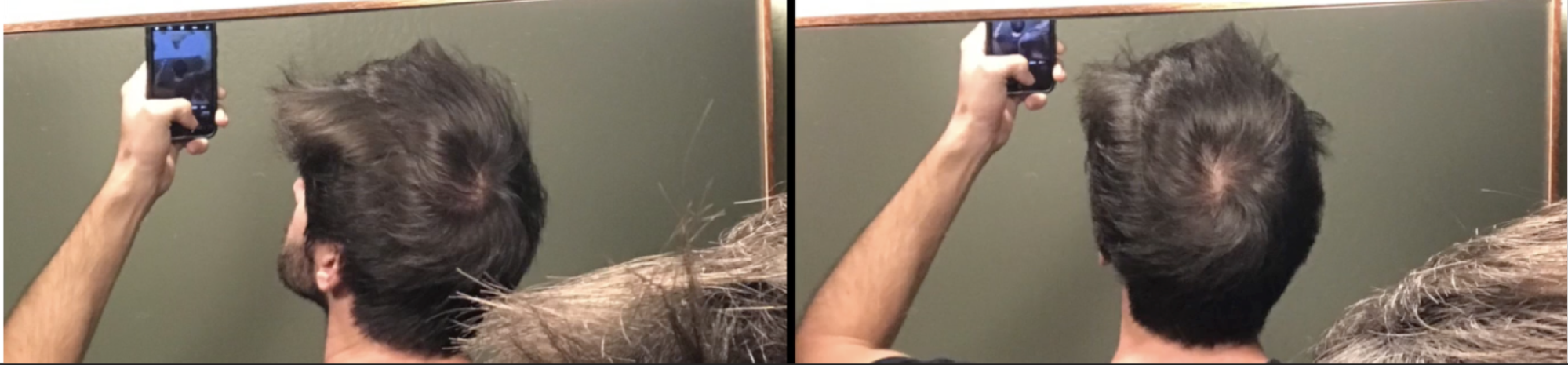
Figure 1. Illustration of how slight differences in angles can change the appearance of hair density. Photos taken seconds apart.
All of these tactics matter because they encourage people to spend months on products that look evidence-based on paper. But in reality, they don’t translate to meaningful regrowth.
This is problematic because it creates unrealistic expectations and can distract users from evidence-backed treatments.
For a full breakdown of these evidence-quality traps and how to spot them, read our evidence quality deep dive here.
How We Rank Oils for Hair Growth
At Perfect Hair Health, we don’t rank ingredients by hype. Every oil in this article is evaluated using our three treatment metrics: evidence quality, growth potential, and long-term viability.
These metrics allow us to compare rosemary oil, pumpkin seed oil, peppermint oil, saw palmetto, batana oil, and many others on the same objective scale.
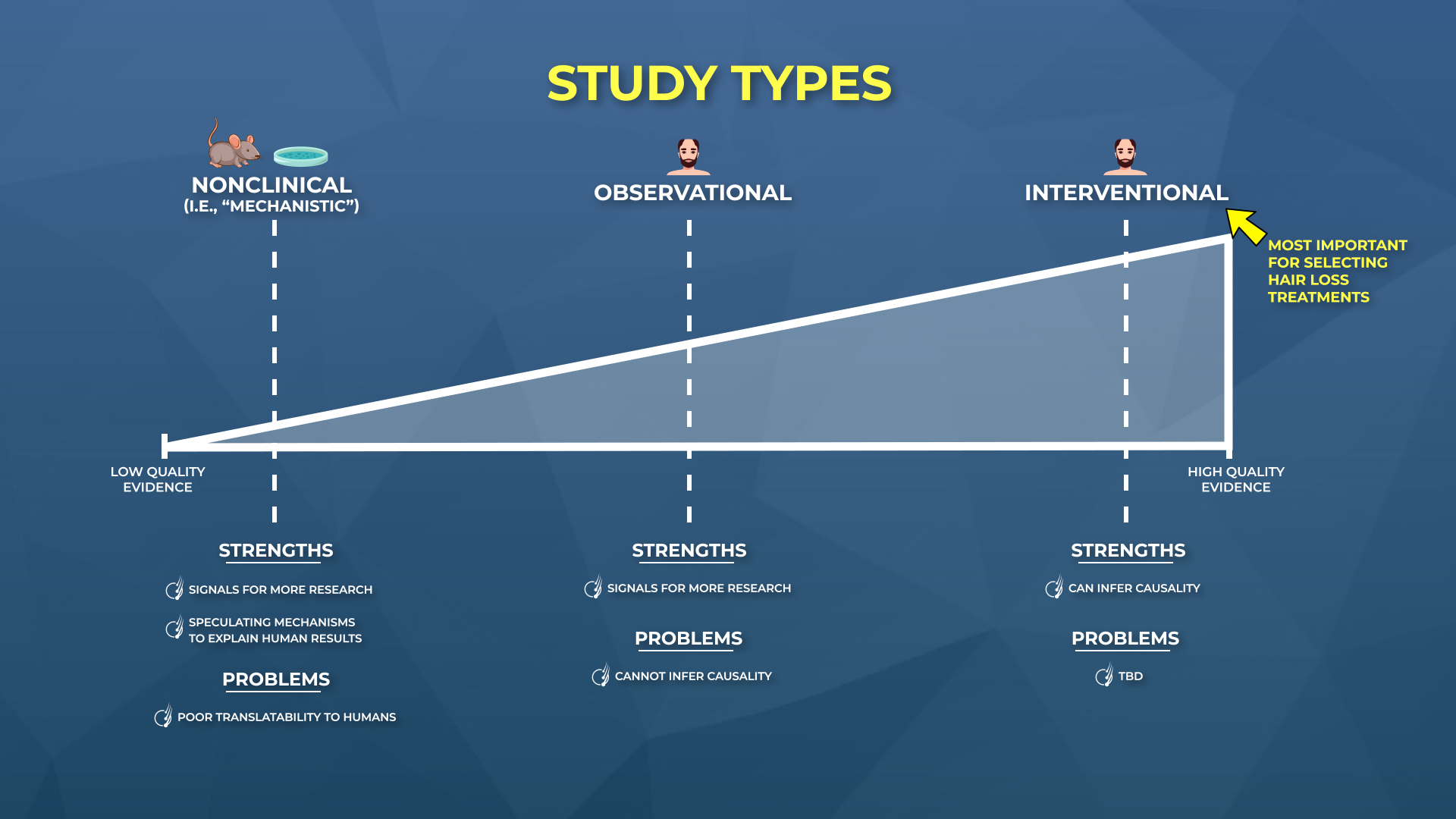
- Evidence quality: We prioritize randomized, blinded, controlled human trials. Small pilot studies rank lower, followed by animal or in vitro data, with anecdotes carrying the least weight.
- Regrowth potential: The magnitude of hair-count and hair-thickness improvements demonstrated in human studies, with emphasis on terminal hair and cosmetically meaningful outcomes.
- Long-term viability: Risk of scalp irritation or allergic reactions, potential for systemic effects, and real-world usability, including tested concentrations, carrier compatibility, application frequency, and whether the protocol is realistic to maintain long term.
We used the Perfect Hair Health ingredients database to identify relevant oils and extracts studied topically. If you’re a member, try out our ingredients database yourself here.

Figure 2. How we rank hair growth studies.
Top 7 Oils for Hair Growth
#1 Topical Saw Palmetto
Saw palmetto, also known as Sabal fructus, comes from the Serenoa repens fruit. It is sometimes marketed as “nature’s finasteride” based on evidence suggesting that saw palmetto extract may reduce DHT levels by inhibiting 5‑alpha‑reductase (5AR).
5AR is the enzyme involved in the conversion of testosterone to dihydrotestosterone (DHT). Inhibition of this enzyme is a common treatment strategy for androgenic alopecia (AGA).
Topical Saw Palmetto for Hair Growth: Is There Any Real Evidence?
Study #1: Sudeep et al., 2023[1]Sudeep, H.V., Rashmi, S., Jestin, T.V., Richards, A., Gouthamchandra, K., Shyamprasad, K. (2023). Oral And Topical Administration Of A Standardized Saw Palmetto Oil Reduces Hair Fall And Improves The … Continue reading
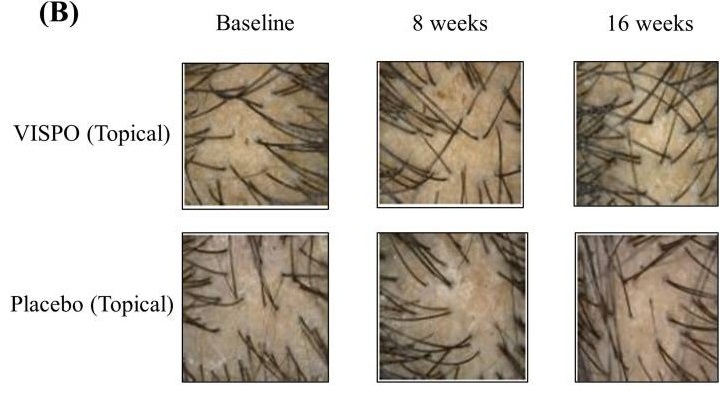
A 16-week, double-blind, randomized, placebo-controlled study in 80 adults with mild-to-moderate AGA evaluated a standardized saw palmetto oil (VISPO™, containing 2-3% β-sitosterol). Participants were randomized to one of four groups: oral placebo, oral VISPO™ (400 mg capsule containing 100 mg VISPO™ daily), topical placebo, or topical VISPO™ (5 mL of a 20% VISPO™ lotion daily, left on for 30 minutes before washing).
At week 16, both VISPO™ groups showed statistically significant reductions in hair shedding (evaluated by hair comb and hair pull tests) compared to baseline and placebo. Hair fall decreased by roughly 29% in the oral group and 22% in the topical group compared to baseline.
Hair density increased by 5.17% with oral VISPO™ and 7.61% with topical VISPO™. Oral VISPO™ also produced a significant reduction in serum DHT, whereas the topical formulation did not affect circulating DHT.
At first glance, the data looks promising. But when we look more closely, the clinical impact appears limited.
The trial lasted only 16 weeks, shorter than a full hair-growth cycle. This makes it difficult to attribute these changes to a true reversal of miniaturization rather than short-term reductions in shedding. Supporting this concern, the study reported no significant improvement in the anagen-to-telogen ratio, a key marker of meaningful regrowth in AGA.
Another issue is that the largest improvements were seen in hair comb and hair pull tests, which are sensitive to changes in shedding but do not necessarily correspond to visible cosmetic regrowth. Small increases in hair density over a few months can look impressive statistically while remaining subtle in the mirror, particularly in established AGA.
Finally, each arm had fewer than 20 participants at completion, which makes the results less reliable and harder to generalize.
Overall, this study suggests that standardized saw palmetto oil may reduce hair shedding in the short term and may produce modest improvements in measured density. But it does not convincingly demonstrate clinically meaningful regrowth in AGA over 16 weeks. The findings are best interpreted as evidence for temporary stabilization rather than true restoration of lost hair.

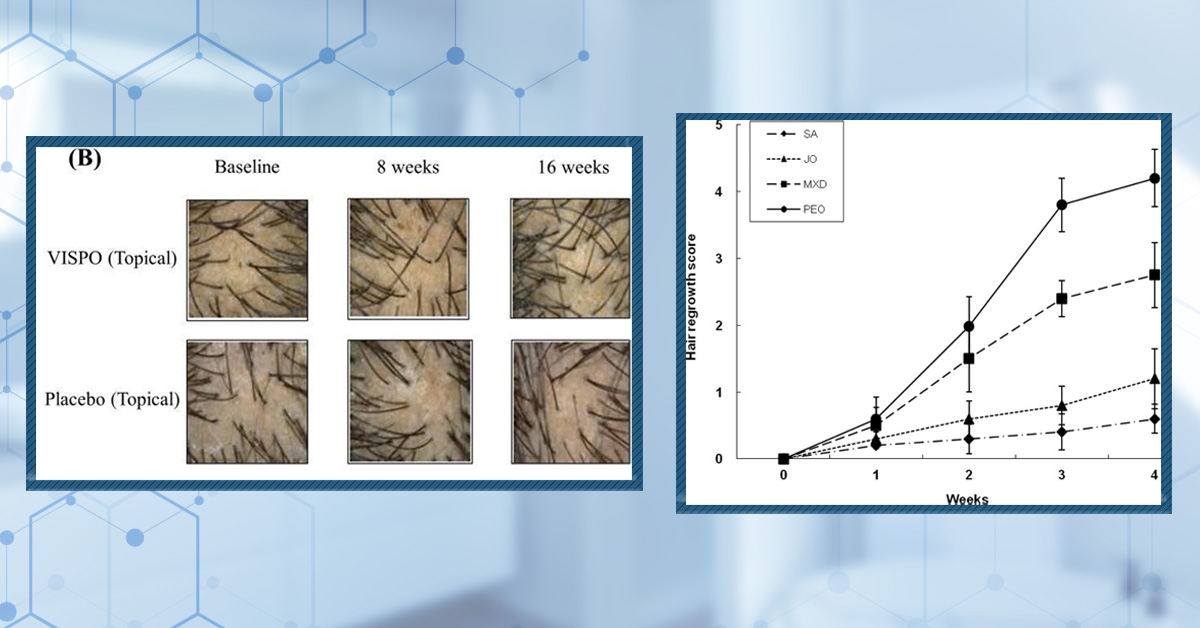
Figure 3: Images showing changes in scalp hair following 16-week treatment of VISPO™ oil or a placebo oil. Adapted from Figure 4.[2]Sudeep, H.V., Rashmi, S., Jestin, T.V., Richards, A., Gouthamchandra, K., Shyamprasad, K. (2023). Oral and Topical Administration of a Standardized Saw Palmetto Oil Reduces Hair Fall and Improves the … Continue reading Image obtained in line with the Creative Commons License.
Study #2: Wessagowit et al., 2016[3]Wessagowit, V., Tangjaturonrusamee, C., Kootiratrakarn, T., et al. (2016). Treatment of male androgenetic alopecia with topical products containing Serenoa repens extract. Australas J Dermatol. … Continue reading
Another topical saw palmetto study is frequently used online to justify bold regrowth claims. A 24-week pilot study in 50 men with AGA, where participants applied a topical Serenoa repens (saw palmetto) lotion daily to thinning areas.
At 24 weeks, the authors reported a 74.1% increase in terminal hair counts, alongside a 25% reduction in vellus hairs, and even an improvement in clinical staging.
At face value, an almost 75% jump in terminal hair counts would be extraordinary, and that’s exactly the problem. In the world of well-studied hair-loss treatments, a 75% increase in terminal hair counts is virtually unheard of.
Even finasteride, one of the most validated AGA therapies, is typically associated with much smaller terminal-hair changes (often closer to around 10% terminal hair increases, and roughly around 30% versus placebo across longer durations like 1-5 years). When a pilot topical oil study reports gains that exceed benchmark therapies, it raises a red flag that the outcome measurement may be inflating the results rather than documenting true reversal of miniaturization.
A possible explanation is “hair-count drift,” which involves results like this looking positive, but in reality they reflect inconsistencies in how hairs are counted, rather than showing meaningful follicle restoration. This can happen through many mechanisms that are commonly seen in hair trials:
- Hair classification: Borderline hairs that should be recorded as “vellus” are counted as “terminal” based on small thickness changes or measurement thresholds, this creates a large terminal hair count without true density restoration.
- Changes in target-area/imaging: Small changes in the measurement zone, parting, angle, lighting, or hair direction can alter counts in assessments.
- Short study duration: 24 weeks can capture reduced shedding, thicker fiber caliber, or hair-cycle timing effects, but it’s still not definitive proof of sustained miniaturization reversal.
Additionally, this was a pilot study. It lacked a placebo control and was designed more as a preliminary signal than a definitive clinical test. Without a control group, it’s impossible to know whether similar changes would have occurred with a placebo lotion.
Does Topical Saw Palmetto Work for Hair Regrowth?
Topical saw palmetto may reduce shedding and offer mild stabilization, but current evidence does not place it in the same efficacy tier as proven AGA drugs.
Evidence quality: 54%
Regrowth potential: Likely minimal on its own
Role in a protocol: Supportive adjunct, not a primary therapy
#2 Rosemary Oil
Rosemary oil is derived from the rosemary plant and is often used in perfumes, skincare, and hair care. Rosemary oil has antioxidant, anti-inflammatory, and antimicrobial properties that may benefit its use in cosmetics. More recently, studies have been looking at whether rosemary oil can be used as a treatment for pattern hair loss.
Rosemary Oil for Hair Growth: Is There Any Real Evidence?
Study #1: Panahi et al., 2015[4]Panahi, Y., Taghizadeh, M., Marzony, E.T., Sahebkar, A. (2015). Rosemary Oil vs Minoxidil 2% for the Treatment of Androgenetic Alopecia: A Randomized Comparative Trial. Skinmed. 13(1). 15–21
A 6-month randomized, single-blind trial in 100 men with AGA compared rosemary oil lotion (standardized to ≥3.7 mg 1,8-cineole per mL) to 2% topical minoxidil. Participants applied 1 mL twice daily (2 mL/day) to the frontoparietal and vertex area of the scalp with gentle massage.
Mean hair counts did not change significantly at 3 months compared to baseline. However, both groups showed improvements by 6 months versus baseline and the 3-month study endpoint.
When we took a closer look at the data, we found the magnitude of change was modest. In the rosemary group, mean hair counts increased from 122.8 hairs at baseline to 129.6 hairs at 6 months, a gain that is statistically significant but unlikely to represent dramatic cosmetic regrowth for most users.
Interestingly, though, there was no significant difference between rosemary and minoxidil on hair counts at the end of the study.
This trial is often marketed online as proof that “rosemary oil works just as well as minoxidil,” but the comparison is to minoxidil 2%, not the more commonly used 5% formulation in men. That makes the “equal to minoxidil” claim less impressive than it sounds.
An additional limitation is that the study does not clarify whether hair counts reflect terminal hairs only or total hairs. If vellus hairs were included, improvements may look meaningful on paper without translating into a visible cosmetic change.
Rosemary oil may perform roughly comparably to 2% minoxidil over 6 months, but this study does not demonstrate equivalence to standard minoxidil therapy (5%), and uncertainty around their hair-count methodology limits how confidently we can interpret the results as true cosmetic regrowth.
Read more about our perspectives on this study in our article here.
Study #2: Patel et al., 2025[5]Patel, M.N., Tuli, N., Patel, N., Merja, A. (2025). Rosmagain™ as a Natural Therapeutic for Hair Regrowth and Scalp Health: A Double-Blind, Randomized, Three-Armed, Placebo-Controlled Clinical … Continue reading
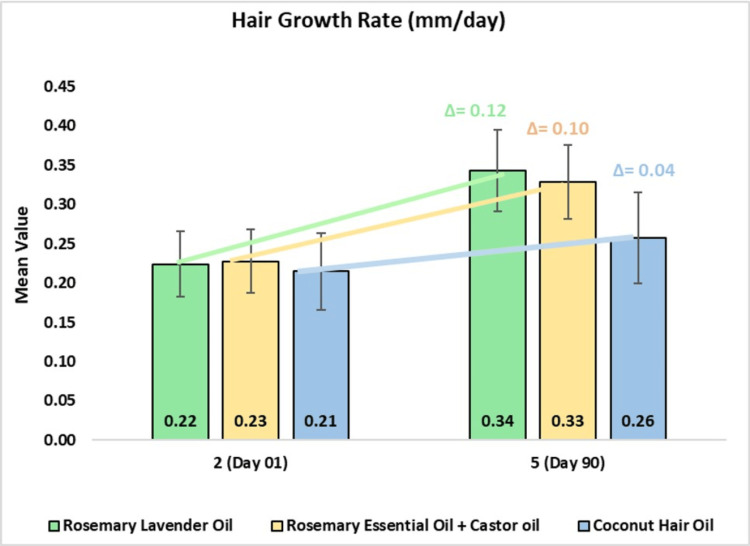
Last year, a 90-day, double-blind, randomized, three-arm trial comparing a rosemary-lavender oil blend (Rosmagain™), a rosemary plus castor oil blend, and coconut oil was published. All groups applied the assigned oil 3x weekly, using a fairly intensive protocol (around 15 mL, 5-10 minutes of scalp massage, then left on for over 4 hours/overnight before washing).£
The authors reported that both rosemary-based formulas significantly outperformed coconut oil across multiple hair parameters. Compared with baseline, hair growth rate increased from 0.22 to 0.34 mm/day (+57.7%) in the rosemary-lavender group and from 0.23 to 0.33 mm/day (+47.6%) in the rosemary-castor group.

Figure 4. Change in hair growth rate (mm/day). Adapted from Figure 3.[6]Patel, M.N., Tuli, N., Patel, N., Merja, A. (2025). Rosmagain™ as a Natural Therapeutic for Hair Regrowth and Scalp Health: A Double-Blind, Randomized, Three-Armed, Placebo-Controlled Clinical … Continue reading
They also reported large percentage gains in hair thickness (+68.7% and +66.1%) and hair density (+32.2% and +32.1%), along with hair length increases (+28.8% and +37.7%) and a greater than 40% reduction in hair fall in both rosemary groups.
While the results look impressive on paper, we’re a little skeptical.
The study population had complaints of thinning hair rather than being clearly diagnosed with AGA. This matters because temporary shedding disorders can improve in around 3 months regardless of treatment, exactly the kind of participant selection issue that can exaggerate outcomes in short studies.
Another issue to note is the length of this trial. A 90-day study is shorter than a full hair cycle, making large regrowth claims hard to trust. A lot of what can change in that window is shedding, hair fiber condition, and measurement noise, not true miniaturization reversal.
Additionally, coconut oil is a poor comparator. While coconut oil does have some limited evidence for improving hair parameters, it is a very low bar compared to proven AGA treatments like minoxidil. So, showing superiority to coconut oil is positive, but it does not necessarily prove that rosemary-based blends are strong regrowth therapies.
At best, these findings suggest that rosemary formulations are likely better than doing nothing, not that they are capable of delivering clinically meaningful hair regrowth on their own.
Does Rosemary Oil Work for Hair Regrowth?
Rosemary oil is better supported than most essential oils and may help with stabilization or mild improvements, but current evidence does not place it at the same efficacy level as proven AGA drugs.
Evidence quality: 49%
Regrowth potential: Likely minimal on its own
Role in a protocol: Supportive adjunct, not a primary therapy
#3 Pumpkin Seed Oil
Pumpkin seed oil is an oil derived from pumpkin seeds, which is often used in cooking, taken as a supplement, or applied to the hair. Pumpkin seeds are naturally rich in Omega-3 and 6 fatty acids, as well as vitamins A, E, and K.
Pumpkin Seed Oil for Hair Growth: Is There Any Real Evidence?
Study #1: Teeranachaideekul et al., 2022[7]Teeranachaideekul, V., Parichatikanond, W. Junyaprasert, V.B., Morakul, B. (2022). Pumpkin Seed Oil-Loaded Niosomes For Topical Application: 5α-Reductase Inhibitory, Anti-Inflammatory, And In Vivo … Continue reading
Most mechanistic support for pumpkin seed oil comes from preclinical research. An in vitro study investigating topical pumpkin seed oil-loaded niosomes (drug-delivery vesicles) showed:
- Improved follicular penetration compared to plain pumpkin seed oil.
- Inhibition of specific genes that suggest potential suppression of 5AR-related pathways.
- Reduced inflammatory signaling in immune cell cultures.
A small 8-week human study involving 42 participants was also conducted within this research, which reported around a 44% reduction in hair shedding and a 1.4x increase in the anagen-to-telogen ratio. But this used a niosomal delivery system, not standard pumpkin seed oil, and was not a large controlled AGA trial.
Study #2: Ibrahim et al., 2021[8]Ibrahim, I.M., Hasan, M.S., Elsabaa, K.I., Elsaie, M.L. (2021). Pumpkin Seed Oil vs. Minoxidil 5% Topical Foam for the Treatment of Female Pattern Hair Loss: A Randomized Comparative Trial. Journal … Continue reading
A 3-month randomized trial involved 60 women with female pattern hair loss (FPHL) who received either topical pumpkin seed oil (1 mL once daily) or minoxidil 5% foam (1 mL once daily).
The authors reported that in the pumpkin seed oil group, dermoscopy showed statistically significant improvements from baseline to 3 months, including:
- Lower hair shaft diversity (30.5% to 24.0%)
- Lower vellus-hairs (22.5 to 15.8)
- More upright regrowing hairs (0.13 to 0.9)
The minoxidil group also improved (often more strongly), with:
- Lower hair shaft diversity (31.5% to 21.3%)
- Lower vellus hairs (24.7 to 19.5)
- More upright regrowing hairs (0.13 to 2.03)
The key takeaway from this study is that it was not a case of “pumpkin seed oil equals minoxidil.” Minoxidil outperformed pumpkin seed oil, but the pumpkin seed oil group did still show measurable improvements in some hair parameters.
However, we are skeptical of these results. The trial lasted only 3 months, which, as discussed earlier, is shorter than a full hair cycle, making strong regrowth claims difficult to trust. Many of the observed changes over this timeframe are more likely to reflect reduced shedding, temporary improvements in hair-fiber quality, or measurement variability rather than true reversal of miniaturization.
Beyond the short trial duration, the study focused mainly on changes in vellus hairs rather than terminal hairs, which are thicker and more cosmetically important. This choice of endpoints makes it difficult to determine whether the intervention produced meaningful improvements in terminal hair growth.
Additionally, the photographs included in this study are not particularly convincing. Differences in hair positioning and styling between images make visual comparisons unreliable. Taken together, these issues reduce confidence in both the study protocol and the conclusions that can be drawn from the trial.
Overall, topical pumpkin seed oil was associated with improvements in some hair parameters over 3 months in women with FPHL, but minoxidil 5% remained superior in this head-to-head study. Pumpkin seed oil is best viewed as a supportive or adjunct option rather than a replacement for proven therapies.
Does Pumpkin Seed Oil Work for Hair Regrowth?
Pumpkin seed oil has more human data than most hair oils, but its reputation is often overstated. The trial in women with FPHL showed improvements, but 5% minoxidil was superior.
Evidence quality: 49%
Regrowth potential: Likely minimal on its own
Role in a protocol: Supportive adjunct, not a primary therapy
#4 Castor Oil
Castor oil has been considered a traditional remedy for ailments ranging from constipation to skin rashes for centuries. More recently, it has gained popularity in the hair loss community. Castor oil is rich in triglycerides, including one called ricinoleic acid, which may be beneficial to hair growth.
Castor Oil for Hair Growth: Is There Any Real Evidence?
Study #1: Rusu et al., 2008[9]Rusu, M.O., Csedo, C., Marcus, G.A., Lupuliasa, D.U. (2008). Preclinical Study on the Hair Growth and Regeneration of External Use Lotions Containing Castor Oil (Ricini Oleum) in Rabbits. Farmacia. … Continue reading
A preclinical study in rabbits analyzed hair growth and regeneration after topical application of castor oil lotion (containing 35% or 40% castor oil). After 1 month of treatment, the lotion containing 35% castor oil increased the length, softness, and thickness of hair in more than 50% of animals compared to the control.
However, the strength of this evidence is very limited:
- The study lasted only one month, which is much shorter than a full human hair-growth cycle.
- Only around half of the animals in the 35% castor oil group showed improvement, indicating the effect was inconsistent.
- Curiously, the 40% castor oil group showed no benefit, raising questions about reproducibility, dosing logic, or experimental noise.
- As with all animal models, rabbit hair cycling and follicle biology differ substantially from humans, limiting translation.
To date, there are no published human clinical trials demonstrating that topical castor oil improves hair regrowth.
Does Oil Work for Hair Regrowth?
Castor oil has been shown to modestly improve hair length, softness, and thickness in a small animal study. But currently, there is no clinical evidence that demonstrates castor oil promotes hair regrowth in humans.
Evidence quality: 5%
Regrowth potential: Likely minimal on its own
Role in a protocol: Supportive adjunct at best, not a primary therapy
#5 Peppermint Oil
Peppermint is a hybrid species of mint that grows throughout Europe and North America. Peppermint oil is made from the flowers and leaves of the peppermint plant. For thousands of years, peppermint oil has been purported to assist with digestive disorders.
Peppermint oil contains a large amount of menthol, which is responsible for the cool taste and refreshing smell, as well as some of its touted health benefits. Some claim that peppermint oil can be beneficial to hair health and growth through the potential vasodilatory properties of menthol.
Peppermint Oil for Hair Growth: Is There Any Real Evidence?
Study #1: Oh et al., 2014[10]Oh, J.Y., Park, M.A., Kim, Y.C. (2014). Peppermint Oil Promotes Hair Growth without Toxic Signs. Toxicological Research. 30(4). 297–304. Available at: https://doi.org/10.5487/TR.2014.30.4.297
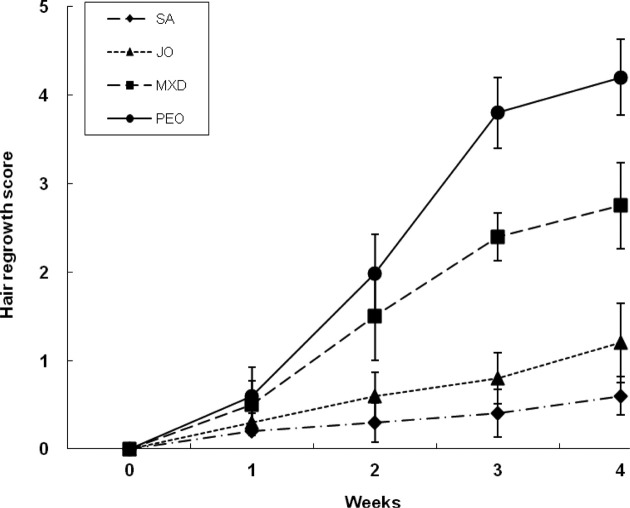
The most cited study is a preclinical trial involving 20 mice randomized into four groups: saline, jojoba oil, 3% minoxidil, 3% peppermint oil (diluted in jojoba). Dose was 100 μL applied once daily, 6 days per week, over 4 weeks.
The 3% peppermint oil group outperformed all other groups, including minoxidil, on multiple hair-growth markers. There was around 92% visible hair coverage by week 4 (compared to around 55% for minoxidil). Increased follicle number, follicle depth, and dermal thickness were observed. As well as higher alkaline phosphatase activity, and increased IGF-1 expression in dermal papilla cells.
These findings suggest peppermint oil can stimulate multiple biological pathways linked to hair growth… at least in mice.
There are three major problems with translating the findings from this study to humans. Mouse follicles behave very differently from human follicles. Many treatments that “work” in mice fail in people. The sample size was tiny, with just 20 mice across four groups. Also, a four-week study duration is less than a single human hair cycle. Cosmetic regrowth in people cannot be inferred from this timeframe.

Figure 5. Comparison of the hair growth effect in mice. SA: saline, JO: jojoba oil, MXD: 3% minoxidil, PEO: 3% peppermint oil. Adapted from Figure 1.[11]Oh, J.Y., Park, M.A., Kim, Y.C. (2014). Peppermint Oil Promotes Hair Growth without Toxic Signs. Toxicological Research. 30(4). 297–304. Available at: https://doi.org/10.5487/TR.2014.30.4.297
Unfortunately, there are no randomized controlled trials in humans showing that peppermint oil alone improves hair growth in humans. So, while the results from this short mouse study are impressive, we cannot say that peppermint oil alone is enough as a regrowth therapy.
If you would like to read more about our take on this study, read our article here.
Does Peppermint Oil Work for Hair Regrowth?
Peppermint oil has a compelling mouse study showing dramatic hair-growth markers and providing evidence for its mechanism of action via menthol and IGF-1.
But in humans, the evidence simply isn’t there.
Evidence quality: 4%
Regrowth potential: Likely minimal on its own
Role in a protocol: Supportive adjunct at best, not a primary therapy
#6 Olive Oil
Olive oil is extracted from olives and is rich in fatty acids, vitamins, and phenolic compounds. It is widely used in hair care for conditioning, shine, and scalp comfort rather than as a regrowth treatment.
Olive Oil for Hair Growth: Is There Any Real Evidence?
Study #1: Tong et al., 2015[12]Tong, T., Kim, N., Park, T. (2015). Topical Application of Oleuropein Induces Anagen Hair Growth in Telogen Mouse Skin. PLoS One. 10(6). e0129578. Available at: … Continue reading
An in vitro experiment found that oleuropein, a compound from olive leaves and unprocessed olives, increased dermal papilla cell proliferation. Dermal papilla cells sit at the root of the follicle and help “instruct” hair growth.
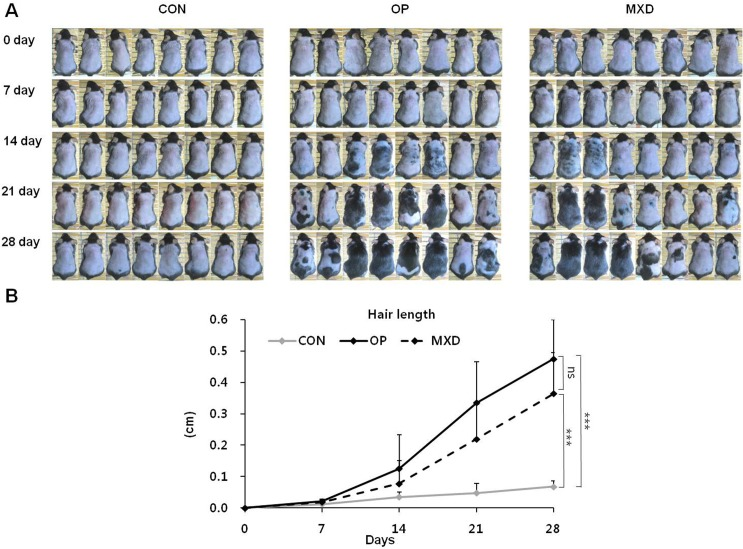
In this study, they also carried out mouse experiments over 28 days. This work involved 24 shaved mice split into three groups, receiving 200 µL/day of either vehicle control, oleuropein (0.4 mg), or minoxidil (3 mg) (all in 50% ethanol / 30% water / 20% propylene glycol).
They found that topical oleuropein accelerated entry into anagen and increased hair-follicle size compared to the control.
There are two important caveats to note for this study. Firstly, the evidence provided is for oleuropein, not olive oil itself. Secondly, this work is based on a 28-day mouse skin model, so it cannot be translated to human hair regrowth claims.
Mouse follicles cycle much faster than human follicles, and the model they used (e.g., shaving) does not reflect real-world human pattern hair loss (where follicles miniaturize over years). Short mouse timelines are useful for mechanism exploration, but they do not establish cosmetic regrowth in humans.

Figure 6: Hair growth-promoting effect of oleuropein in mice. CON: control, OP: oleuropein, MXD: minoxidil. Adapted from Figure 3.[13]Tong, T., Kim, N., Park, T. (2015). Topical Application of Oleuropein Induces Anagen Hair Growth in Telogen Mouse Skin. PLoS One. 10(6). e0129578. Available at: … Continue reading
Does Olive Oil Work for Hair Regrowth?
There is some early preclinical work that compounds derived from olives may promote hair regrowth.
But there are currently no clinical studies to support the use of olive oil for hair regrowth in humans. We recommend looking at olive oil for scalp health rather than hair regrowth.
Evidence quality: 2%
Regrowth potential: Likely minimal on its own
Role in a protocol: Supportive adjunct at best, not a primary therapy
#7 Batana Oil
Batana oil is pressed from the nuts of the American oil palm Elaeis oleifera. It is commonly marketed as ojon oil and has been used traditionally by Miskito communities as a hair and skin treatment.
Batana Oil for Hair Growth: Is There Any Real Evidence?
Batana oil is rich in fatty acids (including oleic and linoleic acids), vitamin E, and antioxidant compounds. These nutrients are known from broader plant-oil research to support moisture retention, antioxidation, and barrier function. These are qualities that can help condition the scalp and improve hair shaft quality.[14]Wang, X., Jia, Y., He, H. (2024). The Role of Linoleic Acid in Skin and Hair Health: A Review. International Journal of Molecular Sciences. 26(1). 246. Available at: … Continue reading
However, currently, there are no in vitro, animal, or human studies investigating the use of batana oil for hair regrowth.
All claims regarding batana oil’s regrowth effects are therefore:
- Based on anecdotal evidence
- Extrapolated from studies on its active ingredients (e.g., oleic acid, linoleic acid, vitamin E, palmitic acid, stearic acid)
- Not supported by mechanistic or clinical hair-loss research
Does Batana Oil Work for Hair Regrowth?
As there is currently no clinical evidence for the use of batana oil, we recommend viewing it as a potential scalp-conditioning adjunct rather than a hair-growth option.
Evidence quality: 0%
Regrowth potential: Likely minimal on its own
Role in a protocol: Supportive adjunct for scalp conditioning, not a primary hair growth therapy
How Safe are Hair Oils?
Hair oils are generally well-tolerated when used correctly but “natural” does not necessarily mean risk-free. Essential oils, such as rosemary and peppermint, may cause contact dermatitis, burning, or allergic reactions, particularly at high concentrations or with daily use. Carrier oils (castor, pumpkin seed, batana, olive) may be safer but can potentially clog follicles.
Compared with pharmaceuticals, topical oils have fewer systemic side effects, but this better safety profile comes at the cost of substantially lower regrowth efficacy.
How to Use Hair Oils
There are currently no standardized clinical guidelines on the concentration and frequency of application for hair oils for hair growth.
Here are some general usage suggestions:
Oil Type Recommended Concentration Frequency Duration Before Wash Rosemary 1%-3% (3-9 drops per 1 tablespoon (15 mL) carrier oil) Daily to 2-3 times per week 30 mins to overnight Peppermint 1%-3% (3-9 drops per 1 tablespoon (15 mL) carrier oil) Daily to 2-3 times per week 30 mins to overnight Pumpkin Seed Up to 100% (undiluted) 1-3 times per week 30 mins to overnight Olive Up to 100% (undiluted) 1-2 times per week 30 mins to overnight Batana Undiluted or mixed with lighter carrier oil 1-3 times per week 30 mins to overnight Castor Best diluted (1:1 with lighter carrier oil) 1-2 times per week 30 mins to overnight Saw Palmetto Varies (often in 2%-5% serums) Daily or 2-4 times per week 30 mins to overnight Practical Tips
- We recommend patch testing before use.
- Start at the lowest effective concentration.
- Track your progress with standardized monthly photos.
- Commit to 4-6 months before evaluating results. Shorter trial periods mainly capture shedding fluctuations, not true regrowth.
Final Thoughts
Natural oils can play a supportive role in hair wellness and, in a few cases, show promising outcomes for hair-growth parameters. The strongest evidence is for topical saw palmetto, rosemary, and pumpkin seed oil, while castor and peppermint oil have early yet promising evidence. Other hair oils included in this article may improve scalp health or hair quality rather than drive true regrowth.
For people who are reluctant to use pharmaceuticals, or who cannot tolerate standard treatments, these oils may provide a lower-risk, lower-reward alternative, but remember to be realistic with expectations.
None of the available oils outperform well-studied options like minoxidil or finasteride for proven regrowth, and a lot of the marketing in this space relies on misinterpreted studies, animal data, or anecdotes.
Overall, used thoughtfully, hair oils can complement a broader regimen, but they should not be viewed as a substitute for evidence-based therapies.
References[+]
References ↑1 Sudeep, H.V., Rashmi, S., Jestin, T.V., Richards, A., Gouthamchandra, K., Shyamprasad, K. (2023). Oral And Topical Administration Of A Standardized Saw Palmetto Oil Reduces Hair Fall And Improves The Hair Growth In Androgenetic Alopecia Subjects – A 16-Week Randomized, Placebo-Controlled Study. Clinical, Cosmetic And Investigational Dermatology. 16. 3251–3266. Available at: https://doi.org/10.2147/CCID.S435795 ↑2 Sudeep, H.V., Rashmi, S., Jestin, T.V., Richards, A., Gouthamchandra, K., Shyamprasad, K. (2023). Oral and Topical Administration of a Standardized Saw Palmetto Oil Reduces Hair Fall and Improves the Hair Growth in Androgenetic Alopecia Subjects – A 16-Week Randomized, Placebo-Controlled Study. Clin Cosmet Investig Dermatol. 16, 3251-3266. Available at: https://doi.org/10.2147/CCID.S435795 ↑3 Wessagowit, V., Tangjaturonrusamee, C., Kootiratrakarn, T., et al. (2016). Treatment of male androgenetic alopecia with topical products containing Serenoa repens extract. Australas J Dermatol. 57(3), e76-e82. Available at: https://doi.org/10.1111/ajd.12352 ↑4 Panahi, Y., Taghizadeh, M., Marzony, E.T., Sahebkar, A. (2015). Rosemary Oil vs Minoxidil 2% for the Treatment of Androgenetic Alopecia: A Randomized Comparative Trial. Skinmed. 13(1). 15–21 ↑5, ↑6 Patel, M.N., Tuli, N., Patel, N., Merja, A. (2025). Rosmagain™ as a Natural Therapeutic for Hair Regrowth and Scalp Health: A Double-Blind, Randomized, Three-Armed, Placebo-Controlled Clinical Trial. Cureus. 17(6). e85906. Available at: https://doi.org/10.7759/cureus.85906 ↑7 Teeranachaideekul, V., Parichatikanond, W. Junyaprasert, V.B., Morakul, B. (2022). Pumpkin Seed Oil-Loaded Niosomes For Topical Application: 5α-Reductase Inhibitory, Anti-Inflammatory, And In Vivo Anti-Hair Loss Effects. Pharmaceuticals (Basel). 15(8). 930. Available at: https://doi.org/10.3390/ph15080930 ↑8 Ibrahim, I.M., Hasan, M.S., Elsabaa, K.I., Elsaie, M.L. (2021). Pumpkin Seed Oil vs. Minoxidil 5% Topical Foam for the Treatment of Female Pattern Hair Loss: A Randomized Comparative Trial. Journal of Cosmetic Dermatology. 20(9). 2867–2873. Available at: https://doi.org/10.1111/jocd.13976 ↑9 Rusu, M.O., Csedo, C., Marcus, G.A., Lupuliasa, D.U. (2008). Preclinical Study on the Hair Growth and Regeneration of External Use Lotions Containing Castor Oil (Ricini Oleum) in Rabbits. Farmacia. 56. 507–512 ↑10, ↑11 Oh, J.Y., Park, M.A., Kim, Y.C. (2014). Peppermint Oil Promotes Hair Growth without Toxic Signs. Toxicological Research. 30(4). 297–304. Available at: https://doi.org/10.5487/TR.2014.30.4.297 ↑12, ↑13 Tong, T., Kim, N., Park, T. (2015). Topical Application of Oleuropein Induces Anagen Hair Growth in Telogen Mouse Skin. PLoS One. 10(6). e0129578. Available at: https://doi.org/10.1371/journal.pone.0129578 ↑14 Wang, X., Jia, Y., He, H. (2024). The Role of Linoleic Acid in Skin and Hair Health: A Review. International Journal of Molecular Sciences. 26(1). 246. Available at: https://doi.org/10.3390/ijms26010246 Want help with your hair regrowth journey?
Get personalized support, product recommendations, video calls, and more from our researchers, trichologists, and PhD's dedicated to getting you the best possible outcomes.
Learn More
Sophie Grice, PhD
Sophie completed a BSc in Pharmacology before earning a PhD in Immunopharmacology at the University of Liverpool. Her doctoral research examined drug hypersensitivity reactions in patients treated with immune checkpoint inhibitors. She later pursued postdoctoral research focused on T cell mediated immune responses, with an emphasis on the immunogenicity of gene therapies.
"... Can’t thank @Rob (PHH) and @sanderson17 enough for allowing me to understand a bit what was going on with me and why all these [things were] happening ... "
— RDB, 35, New York, U.S.A."... There is a lot improvement that I am seeing and my scalp feel alive nowadays... Thanks everyone. "
— Aayush, 20’s, Boston, MA"... I can say that my hair volume/thickness is about 30% more than it was when I first started."
— Douglas, 50’s, Montréal, CanadaWant help with your hair regrowth journey?
Get personalized support, product recommendations, video calls, and more from our researchers, trichologists, and PhD's dedicated to getting you the best possible outcomes.
Join Now - Mission Statement
 Scroll Down
 More
More More
More